The Ivory Coast mixes dense forests, mangroves and busy coastal towns, and that variety supports a surprising range of wildlife — some of which pose real risks to people. Whether you live there, travel for work, or plan outdoor activities, it helps to know which species are most likely to cause harm and where encounters tend to happen.
There are 20 Dangerous Animals in Ivory Coast, ranging from Aedes aegypti to Western green mamba. For each species you’ll find below the Scientific name, Threat type, and Where found, so you can quickly see whether a hazard is a biting insect, venomous snake, large mammal, or otherwise — you’ll find below the organized list and details.
How likely am I to encounter these dangerous animals during everyday activities?
Most risks are location- and behavior-dependent: mosquitoes like Aedes aegypti are common in populated areas and pose disease risk, while snakes such as the Western green mamba are more likely in forest edges. Using basic precautions (nets, repellents, avoiding tall grass at night) greatly reduces chances of harm.
What immediate steps should I take if bitten or stung?
First, move to a safe area and call for medical help; for suspected venomous bites keep the limb immobilized and avoid tourniquets or cutting the wound. For insect-borne illnesses, seek medical advice about testing and treatment as soon as symptoms appear.
Dangerous Animals in Ivory Coast
| Name | Scientific name | Threat type | Where found |
|---|---|---|---|
| African elephant | Loxodonta cyclotis | Large mammal | Rainforest and gallery forests; parks (Taï, Comoé) |
| Hippopotamus | Hippopotamus amphibius | Large aquatic mammal | Rivers, lagoons and estuaries; southern and central waterways |
| Nile crocodile | Crocodylus niloticus | Crocodile | Rivers, wetlands, lagoons and coastal estuaries |
| African buffalo | Syncerus caffer | Large mammal | Savanna and woodland areas; park edges and grasslands |
| Leopard | Panthera pardus | Large carnivore | Forest and savanna; remote protected areas (Comoé, Taï) |
| Chimpanzee | Pan troglodytes | Large primate | Primary rainforest and protected reserves (Taï) |
| African rock python | Python sebae | Large constrictor | Rivers, wetlands, forest edges and agricultural areas |
| Gaboon viper | Bitis gabonica | Venomous snake | Lowland rainforest, forest edges and plantations |
| Puff adder | Bitis arietans | Venomous snake | Savanna, secondary growth and agricultural land |
| Forest cobra | Naja melanoleuca | Venomous snake | Tropical forest, river corridors and plantations |
| Spitting cobra | Naja nigricollis | Venomous spitting cobra | Savanna, farmland and villages |
| Western green mamba | Dendroaspis viridis | Venomous snake | Forest and dense woodland |
| Boomslang | Dispholidus typus | Venomous snake | Woodland, forest edges, gardens and trees |
| Anopheles mosquitoes | Anopheles spp. | Disease vector (malaria) | Nationwide in standing water, villages, forests and urban edges |
| Aedes aegypti | Aedes aegypti | Disease vector (dengue/yellow fever) | Urban and peri-urban areas; standing water containers |
| Tsetse fly | Glossina spp. | Disease vector (trypanosomiasis) | Woodland, riverine forest and savanna belts |
| Blackfly | Simulium spp. | Disease vector (onchocerciasis) | Fast-flowing rivers and streams, northern and central regions |
| Stray dogs | Canis lupus familiaris | Rabies vector/attack risk | Urban and rural settlements; markets and villages |
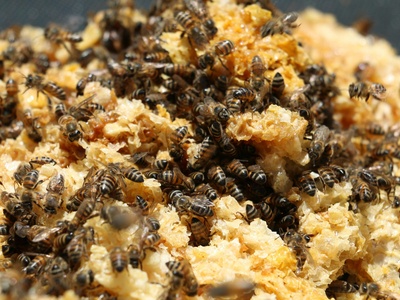
| African honeybee | Apis mellifera scutellata | Stinging insect (swarms) | Rural areas, farms and forest edges |
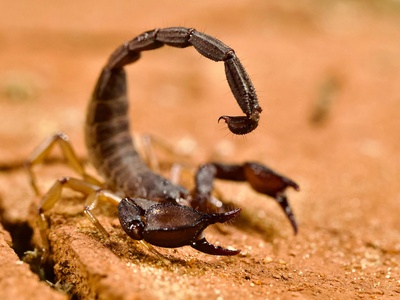
| Scorpions | Scorpiones spp. | Venomous arthropod | Rural houses, gardens, rocky areas and croplands |
Images and Descriptions
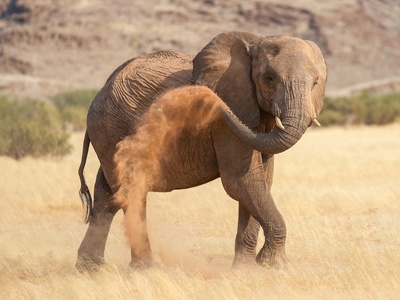
African elephant
Powerful and unpredictable when threatened or during crop raids; trampling and charges cause injuries and deaths. Keep distance, avoid lone elephants, respect warning signs. Notable: forest elephants are smaller than savanna elephants but still extremely strong.
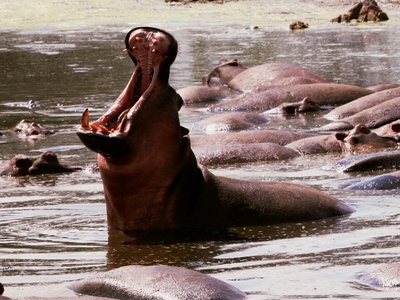
Hippopotamus
Highly territorial in water; most human fatalities occur at night when people cross rivers by boat. Avoid river margins at dusk/night, use official crossings. Notable: hippos can run surprisingly fast on land over short distances.
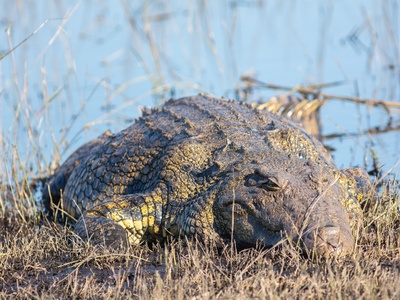
Nile crocodile
Ambush predator that attacks at water’s edge; known for fatal bites. Do not swim in unprotected waterways, avoid washing/slaughtering near riverbanks, use boats carefully. Notable: powerful bite and ability to drag prey underwater.
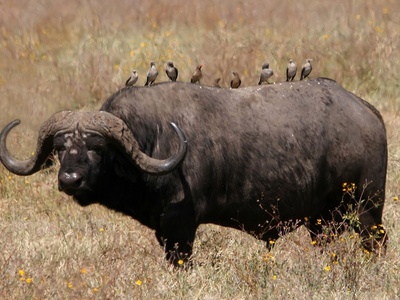
African buffalo
Extremely dangerous when wounded or cornered; unpredictable charges kill people and hunters. Keep safe distance, never approach calves, give them a wide berth. Notable: known locally as one of Africa’s most dangerous big mammals.
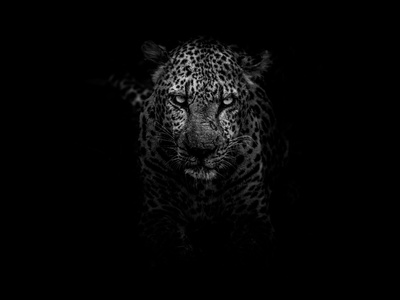
Leopard
Solitary predator that can attack livestock and, rarely, people—most incidents in isolated villages. Avoid walking alone at night, secure camps and food, hire local guides. Notable: extremely stealthy climber; may stash prey in trees.
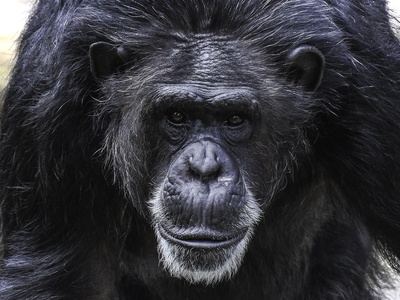
Chimpanzee
Strong, territorial and capable of inflicting serious bite and blunt-force injuries; habituated groups may become aggressive. Don’t feed or approach, follow guides’ instructions. Notable: share many diseases with humans, so avoid close contact.
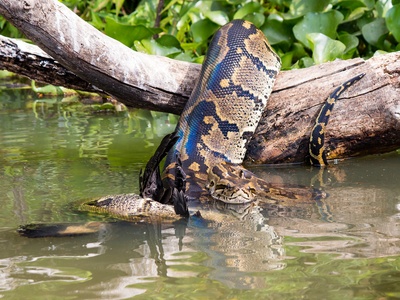
African rock python
Can constrict and kill small children or livestock; rare adult human attacks have occurred. Keep sleeping areas secured, supervise small children near dense vegetation. Notable: one of Africa’s largest snakes, ambushes near water.
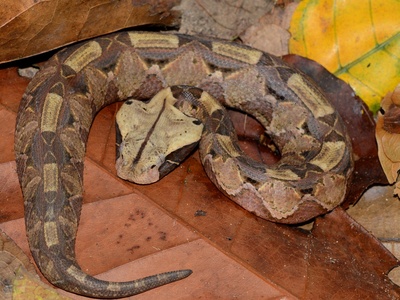
Gaboon viper
Large, cryptic snake with long fangs and potent cytotoxic venom; bites are serious near gardens and trails. Wear sturdy boots, watch where you step, use torch at night. Notable: longest fangs of any venomous snake.
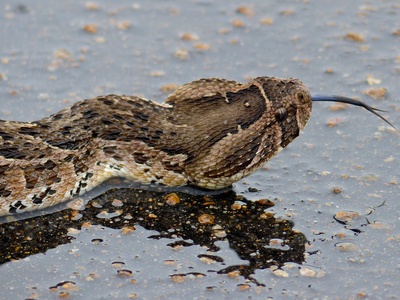
Puff adder
Camouflaged and slow-moving; people often accidentally step on it, causing defensive strikes. Stay on trails, wear boots, avoid reaching into unseen holes. Notable: responsible for many snakebite incidents across Africa.
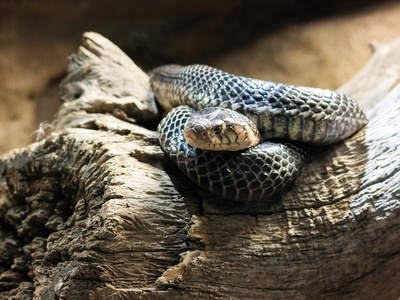
Forest cobra
Large cobra with potentially lethal neurotoxic venom; bites typically from accidental encounters. Give snakes wide berth, use flashlight at night, seek immediate antivenom if bitten. Notable: can deliver multiple large venom doses.
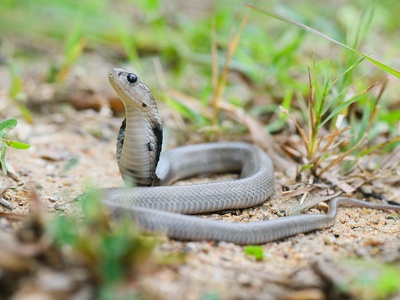
Spitting cobra
Can spray venom into eyes causing severe pain or blindness; will also bite. Avoid provoking, protect eyes with goggles if needed, seek medical care for eye exposures. Notable: often found near human settlements.
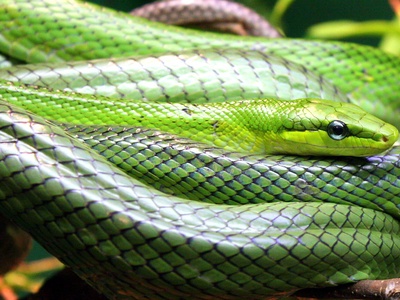
Western green mamba
Highly venomous and fast-moving; generally shy but dangerous if cornered. Avoid climbing into thick vines at dusk, wear gloves and boots, get antivenom quickly after bites. Notable: potent neurotoxic venom can rapidly cause respiratory failure.
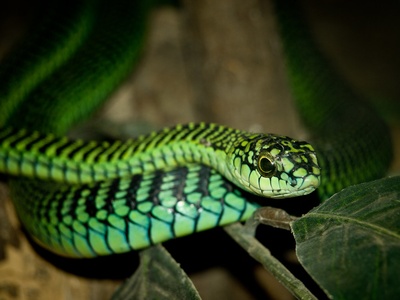
Boomslang
Arboreal snake with hemotoxic venom causing severe bleeding; bites are rare but serious. Watch branches and palms near paths, use care when reaching into vegetation. Notable: often shy, but difficult to see in foliage.
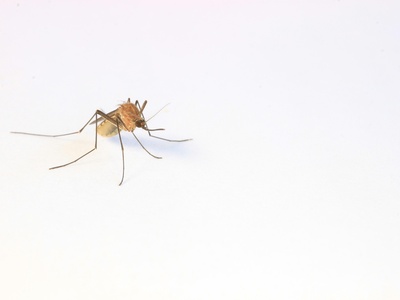
Anopheles mosquitoes
Primary malaria vectors; transmitted infection causes significant illness and fatalities. Use insecticide-treated nets, repellents, and antimalarial prophylaxis as advised. Notable: malaria risk varies seasonally and geographically.
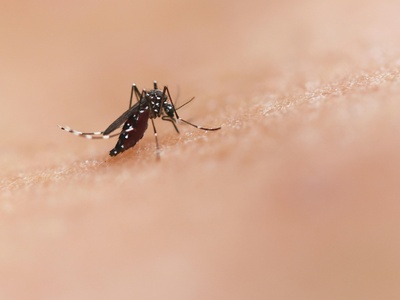
Aedes aegypti
Transmits dengue and yellow fever; bites during daytime in towns. Eliminate standing water, use screens and repellents, get yellow fever vaccination when recommended. Notable: thrives in small artificial water containers.
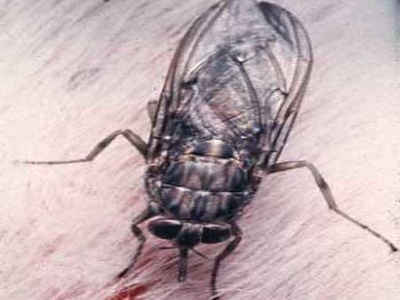
Tsetse fly
Transmits sleeping sickness and can make livestock unusable; painful bites can occur while working outdoors. Wear neutral colors, avoid bushes at dusk, seek medical attention for fever after rural exposure. Notable: attracted to moving dark shapes.
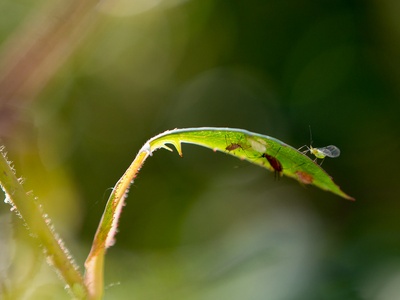
Blackfly
Bites are painful and can transmit river blindness (onchocerciasis); nuisance to riverside communities. Use repellent, protective clothing, avoid rivers during peak biting times. Notable: larvae need fast water to develop.
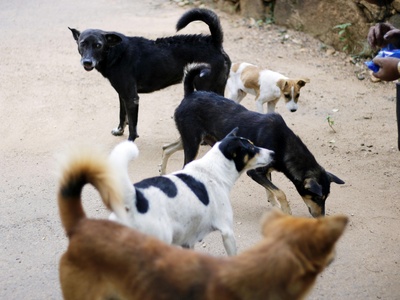
Stray dogs
Stray or unvaccinated dogs are the main rabies source; bites require urgent wound care and post-exposure vaccines. Avoid touching stray dogs, vaccinate pets, seek immediate medical care if bitten. Notable: rabies is nearly always fatal if untreated.
African honeybee
Highly defensive swarms can chase and severely injure people and livestock; nest disturbances cause mass stinging. Avoid disturbing hives, stay calm and run in a straight line if attacked. Notable: swarm attacks can be fatal, especially to children.
Scorpions
Stings usually painful; a few species can cause systemic illness in children and allergic individuals. Shake boots/sleeping mats, use a light at night, seek care for severe reactions. Notable: most stings are non-lethal but require attention.