Saint Kitts and Nevis combine warm Caribbean waters, rocky shores, mangroves and small patches of forest that support a wide variety of wildlife. Knowing which species can cause harm helps residents and visitors plan safer swims, hikes and fishing trips.
There are 15 Dangerous Animals in Saint Kitts and Nevis, ranging from Barracuda to Southern stingray. For each entry you’ll find below Scientific name, Size (cm / kg), Habitat & risk so you can quickly assess size and likelihood of encounters — you’ll find below.
How likely am I to encounter these animals while visiting?
Likelihood depends on what you do and where you go: swimmers and fishers near reefs or drop-offs have higher chances of meeting barracuda or stingrays, while hikers and gardeners may run into snakes, scorpions or spiders. Stick to marked trails and swim in lifeguarded areas, avoid wading in murky shallows, and heed local warnings to greatly reduce risk.
What should I do if bitten or stung?
Get out of the area, stay calm and seek help; control bleeding with pressure if needed and rinse wounds with clean water. For many marine stings, immersion in hot (not scalding) water can ease pain, but urgent medical care is required for severe reactions, impaired breathing, or progressive swelling—contact local emergency services or a clinic right away.
Dangerous Animals in Saint Kitts and Nevis
| Name | Scientific name | Size (cm / kg) | Habitat & risk |
|---|---|---|---|
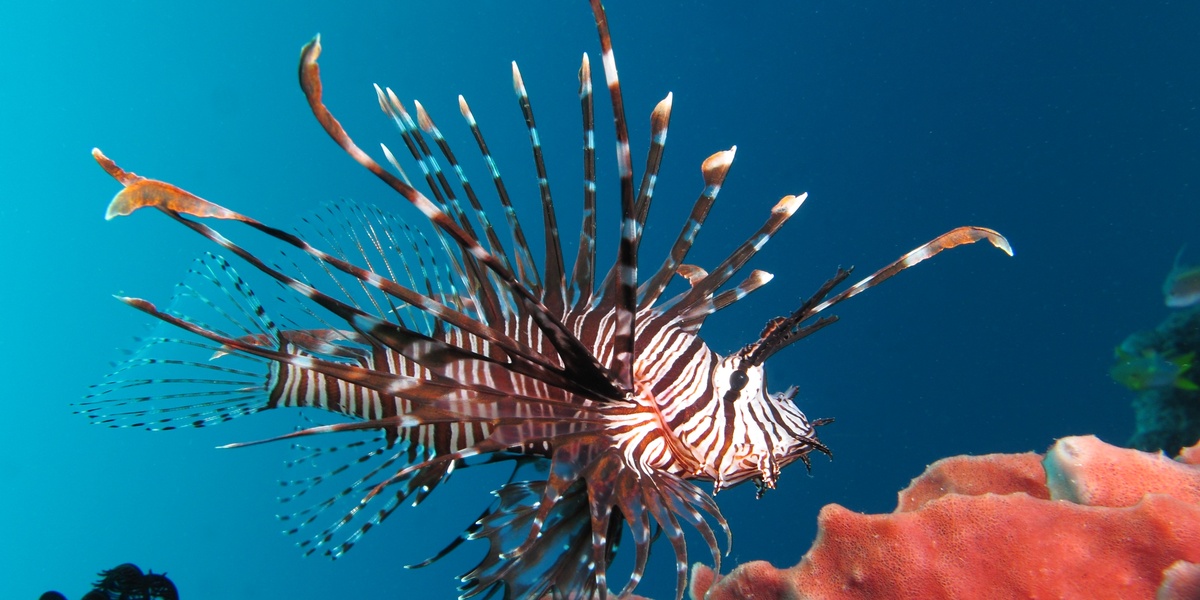
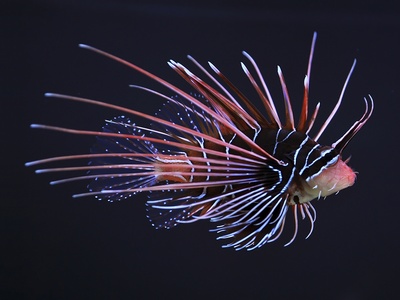
| Lionfish | Pterois volitans | 30-40 cm / 0.9 kg | Coral reefs, shallows; venomous spine punctures; soak wound, seek medical care |
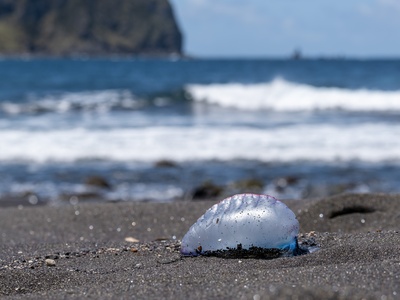
| Portuguese man o’ war | Physalia physalis | 10-30 cm / 0.01 kg | Open water, beaches; severe stings, rinse with seawater/vinegar, seek care if severe |
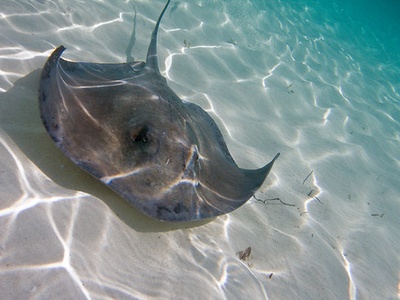
| Southern stingray | Hypanus americanus | 60-120 cm / 15-40 kg | Sandy shallows, bays; painful barbed sting, soak in hot water, seek urgent care |
| Nurse shark | Ginglymostoma cirratum | 150-250 cm / 30-50 kg | Reefs, night; bites cause lacerations/infection, avoid touching, clean and seek care |
| Caribbean reef shark | Carcharhinus perezi | 200-300 cm / 70-100 kg | Offshore reefs, diving sites; rare serious bites, keep distance, follow dive rules |
| Barracuda | Sphyraena barracuda | 60-120 cm / 5-20 kg | Reefs, seagrass; occasional bites and food toxin risk, avoid shiny jewelry, seek care |
| Nassau grouper (large reef fish) | Epinephelus striatus | 60-120 cm / 15-50 kg | Reefs; ciguatera risk if eaten, avoid large reef fish, seek medical care |
| Cone snail (royal cone) | Conus regius | 8-15 cm / 0.1 kg | Shallow reefs, rocky shore; venomous harpoon sting, urgent medical attention required |
| Long-spined sea urchin | Diadema antillarum | 5-8 cm / 0.2 kg | Coral reefs, rocky pools; puncture wounds and envenomation, soak and seek care for fragments |
| Fire coral | Millepora spp. | 10-50 cm / 0.1 kg | Shallow reefs; painful chemical stings, rinse and seek care if severe |
| Mosquito (Aedes aegypti) | Aedes aegypti | 0.4-0.7 cm / <0.01 g | Urban, peri-urban; transmits dengue/Zika/chikungunya—use repellent, nets, seek care if fever |
| Small Indian mongoose | Herpestes auropunctatus | 30-45 cm / 0.7-1.2 kg | Villages, farmland; can bite and carry rabies, avoid contact, seek post-exposure care |
| Fruit bats and other bats | Artibeus jamaicensis | 7-10 cm / 50-200 g | Caves, trees, roofs; rare bites risk rabies—do not handle, seek care if exposed |
| Scorpionfish (reef scorpionfish) | Scorpaena plumieri | 20-40 cm / 0.5-2 kg | Reef, rocky bottoms; venomous spines, soak in hot water and seek medical attention |
| Needlefish | Strongylura marina | 60-100 cm / 1-2 kg | Surface waters, night; rare high-speed impalement injuries, avoid surface at night, seek emergency care |
Images and Descriptions
Lionfish
Invasive, ornate reef fish with venomous dorsal spines. Stings cause intense pain, swelling and rarely systemic effects. Injuries usually from handling or stepping on fish; soak wound in hot water, remove spines carefully, and seek medical care if severe.
Portuguese man o’ war
Floating cnidarian with long venomous tentacles that wash ashore. Stings produce severe burning pain, welts and systemic reactions in some people. Rinse with seawater or vinegar, avoid rubbing, remove tentacles with gloves, and seek medical help for severe symptoms.
Southern stingray
Flat-bodied ray common in sandy shallows and bays. Injuries occur when stepped on; venomous tail spine causes intense pain, bleeding and possible tissue damage. Shuffle feet when wading, do not handle rays; soak wound in hot water and seek urgent medical attention for deep wounds.
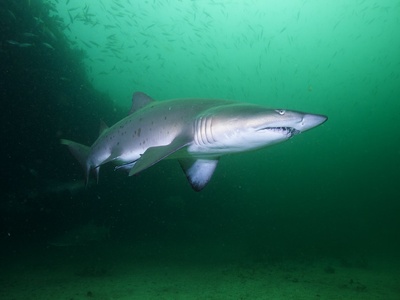
Nurse shark
Broad, bottom-dwelling shark often seen resting on reefs. Generally non-aggressive but will bite if provoked or fed. Bites can cause deep lacerations and infection. Do not touch or corner; control bleeding, clean wound thoroughly and seek medical care for sutures or antibiotics.
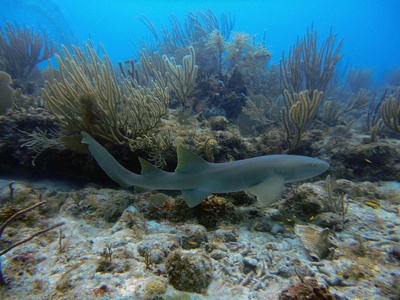
Caribbean reef shark
Medium-large reef shark found near drop-offs and reefs. Rarely attacks humans but bites can be serious. Avoid swimming at dawn/dusk, follow dive operator rules, do not feed or harass sharks; seek urgent medical care for any shark bite.

Barracuda
Long predatory fish around reefs and seagrass. Can bite swimmers who flash shiny objects; flesh may carry ciguatera toxin when large and consumed. Avoid wearing jewelry when snorkeling, don’t provoke; treat wounds, and seek care for suspected ciguatera after eating reef fish.
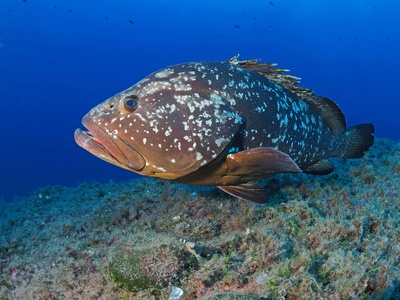
Nassau grouper (large reef fish)
Large reef groupers are often eaten; some accumulate ciguatoxin causing severe foodborne illness. Avoid eating large reef fish from local reefs; symptoms include gastrointestinal and neurological signs — seek medical care if suspected.
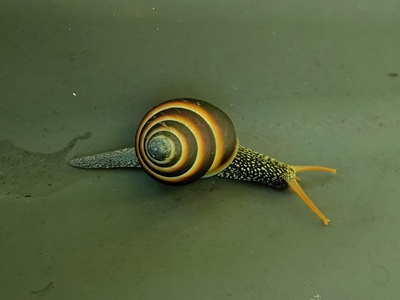
Cone snail (royal cone)
Small, attractive marine snail with a harpoon-like radular tooth delivering powerful neurotoxin. Stings can cause intense pain, paralysis and rare fatalities. Do not handle live cones; seek urgent medical attention for suspected envenomation.
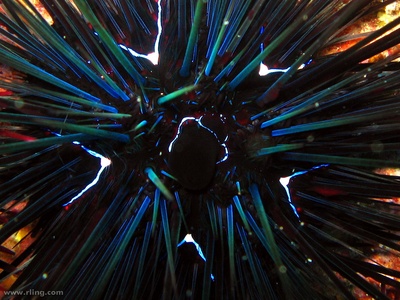
Long-spined sea urchin
Long-spined black sea urchin common on reefs and rocks. Stepping on spines causes punctures, pain and possible envenomation or infection. Do not step in reef pools; remove visible spines, soak in hot water and get medical care for embedded fragments.
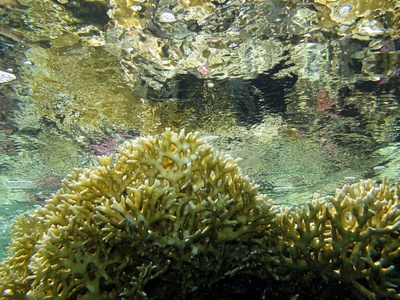
Fire coral
Colonial cnidarian that looks like hard coral but stings on contact. Touching causes burning pain, itchy welts and skin irritation. Avoid touching reef, rinse with seawater, remove debris, and seek medical care if intense or spreading.
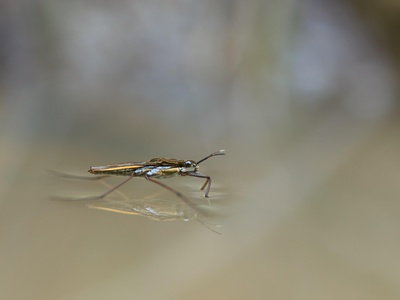
Mosquito (Aedes aegypti)
Small urban mosquito that bites in daylight and transmits dengue, Zika and chikungunya. Major public-health risk on islands. Use repellents, screens and nets, eliminate standing water, and seek medical care if fever or rash develops.
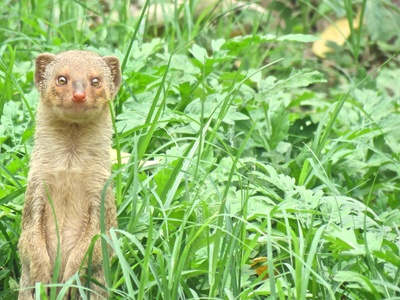
Small Indian mongoose
Introduced small carnivore common in villages and fields. Can bite when cornered and sometimes carries rabies or other pathogens. Avoid contact, keep dogs vaccinated, wash bites thoroughly and seek rabies post‑exposure prophylaxis if bitten.
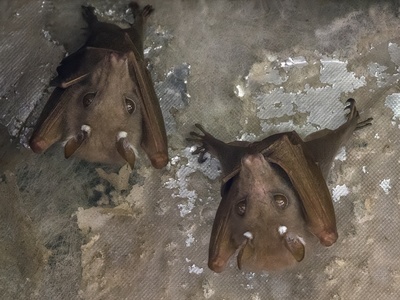
Fruit bats and other bats
Fruit bats and other species roost in trees and buildings. Rare bites can expose people to rabies; handling stressed bats is risky. Avoid touching bats, secure living spaces, and seek immediate medical advice if bitten or exposed.
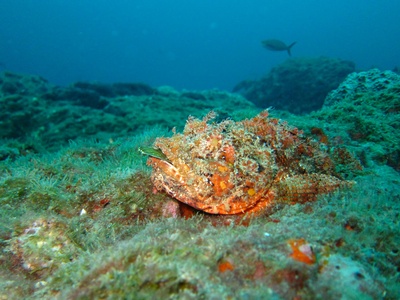
Scorpionfish (reef scorpionfish)
Camouflaged bottom fish with venomous dorsal spines. Stepping on or handling causes severe pain, swelling and systemic symptoms. Do not handle reef fish; soak injured area in hot water and seek medical attention for antivenom or supportive care.
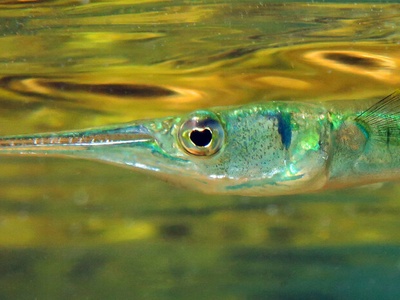
Needlefish
Slender surface fish that leap at high speed and have sharp beaks. Rare impalement injuries occur at night or near lights, sometimes serious. Stay clear of surface waters at night, avoid attracting fish, and seek immediate emergency care for penetrating injuries.