San Marino’s steep hills and wooded valleys host more wildlife than visitors expect. Though the country is tiny, its mix of forest, farmland and urban edges means encounters with animals — from insects to larger mammals — are possible during hikes, garden work or roadside stops.
There are 6 Dangerous Animals in San Marino, ranging from the Asian tiger mosquito to the Wild boar. The list includes for each: Scientific name,Danger level (1-5),Where found (habitat/locations),Description (30-50 words) — you’ll find below.
Which of these animals is most likely to cause harm to people?
Wild boar present the clearest physical risk if surprised or provoked, and vehicle collisions are a real concern on rural roads. Mosquitoes pose a public‑health nuisance and can transmit diseases in some seasons. The best approach is distance and prevention: avoid feeding or approaching wildlife, drive carefully at dawn/dusk, and use bite protection.
How can I protect myself from the Asian tiger mosquito while visiting?
Reduce exposure by using effective repellents (DEET, icaridin), wearing long sleeves and trousers at peak biting times, and eliminating standing water near where you stay. Window screens, treated clothing or bed nets and local advice on peak seasons also help minimize bites.
Dangerous Animals in San Marino
| Common name | Scientific name | Danger level (1-5) | Where found (habitat/locations) | Description (30-50 words) |
|---|---|---|---|---|
| Asp viper | Vipera aspis | 4 | Sunny rocky hills, woodland edges, trails | Venomous viper on sunny rocky hills and trails. Bites cause intense pain, swelling, nausea and rarely systemic effects like bleeding or breathing trouble. Most occur when disturbed or accidentally stepped on. Stay on paths, watch where you step, seek urgent medical care. |
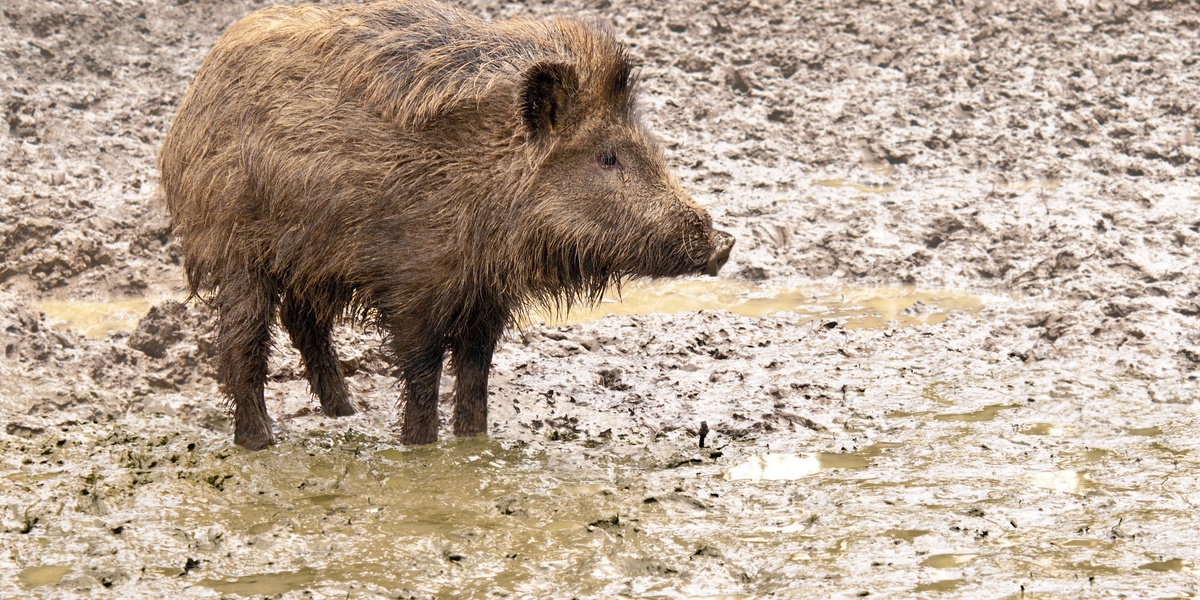
| Wild boar | Sus scrofa | 4 | Woodland, fields, near farms and roadsides | Large wild pigs in woodland, fields and near farms. Can charge, gore or trample if cornered, nursing young or surprised, causing broken bones and lacerations. Avoid dusk/dawn, keep dogs leashed, back away slowly; seek emergency care for serious injuries. |
| Ticks | Ixodes ricinus | 3 | Grassy, woodland edges, shrubs and trails | Small blood-feeding arachnids that attach in grass and woodland. Can transmit Lyme disease and tick-borne encephalitis; symptoms include rash, fever, joint pain and neurological signs. Check skin after outdoor activities, remove ticks promptly with fine tweezers and consult healthcare if symptoms appear. |
| Asian tiger mosquito | Aedes albopictus | 2 | Urban gardens, standing water, parks and gardens | Aggressive daytime biter that can transmit dengue, chikungunya and other viruses during outbreaks. Bites cause itchy welts; infections can cause fever, joint pain, severe illness in rare cases. Use repellent, remove standing water, wear long sleeves. |
| Wasps and hornets | Vespidae | 3 | Gardens, orchards, picnic areas, eaves and hedgerows | Stinging insects common around food, fruit trees and eaves. Multiple stings or allergic reactions can cause severe swelling, anaphylaxis and shock. Avoid swatting, cover food, move away calmly; carry epinephrine if allergic and seek emergency help for reactions. |
| Scorpion | Euscorpius italicus | 1 | Under stones, wall crevices, dry rocky areas and gardens | Small Mediterranean scorpion whose sting is painful but usually not life-threatening. Symptoms include sharp local pain, redness and temporary numbness; severe reactions rare. Shake out shoes, check bedding and shoes, clean wounds and seek care if severe pain or allergic signs occur. |
Images and Descriptions
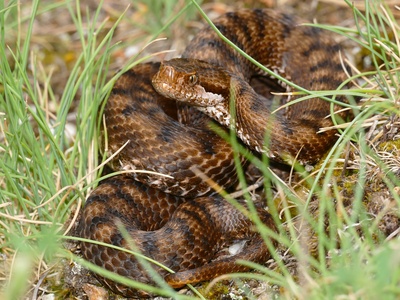
Asp viper
Venomous viper on sunny rocky hills and trails. Bites cause intense pain, swelling, nausea and rarely systemic effects like bleeding or breathing trouble. Most occur when disturbed or accidentally stepped on. Stay on paths, watch where you step, seek urgent medical care.
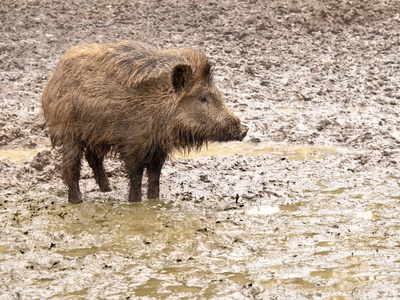
Wild boar
Large wild pigs in woodland, fields and near farms. Can charge, gore or trample if cornered, nursing young or surprised, causing broken bones and lacerations. Avoid dusk/dawn, keep dogs leashed, back away slowly; seek emergency care for serious injuries.
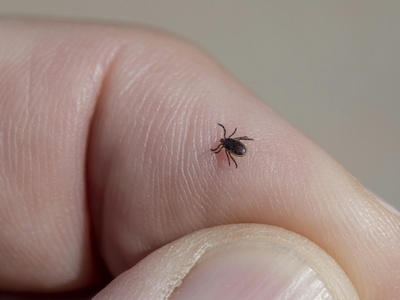
Ticks
Small blood-feeding arachnids that attach in grass and woodland. Can transmit Lyme disease and tick-borne encephalitis; symptoms include rash, fever, joint pain and neurological signs. Check skin after outdoor activities, remove ticks promptly with fine tweezers and consult healthcare if symptoms appear.
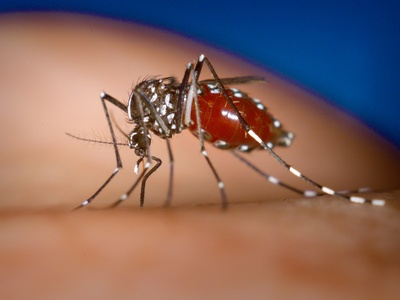
Asian tiger mosquito
Aggressive daytime biter that can transmit dengue, chikungunya and other viruses during outbreaks. Bites cause itchy welts; infections can cause fever, joint pain, severe illness in rare cases. Use repellent, remove standing water, wear long sleeves.
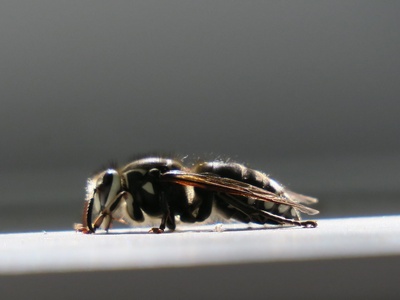
Wasps and hornets
Stinging insects common around food, fruit trees and eaves. Multiple stings or allergic reactions can cause severe swelling, anaphylaxis and shock. Avoid swatting, cover food, move away calmly; carry epinephrine if allergic and seek emergency help for reactions.
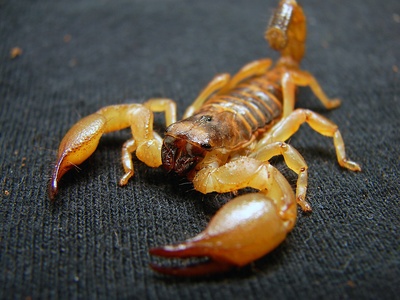
Scorpion
Small Mediterranean scorpion whose sting is painful but usually not life-threatening. Symptoms include sharp local pain, redness and temporary numbness; severe reactions rare. Shake out shoes, check bedding and shoes, clean wounds and seek care if severe pain or allergic signs occur.