Spain’s varied landscapes—from rocky coasts and wetlands to mountains and agricultural plains—mean wildlife encounters are possible whether you’re hiking, working outdoors, or visiting rural towns. A little local knowledge helps you enjoy time outside while avoiding the handful of species that pose real risks.
There are 26 Dangerous Animals in Spain, ranging from Asian hornet to Wild boar. The list focuses on animals you might actually meet and the situations that make them hazardous; for each entry the data are organized as Scientific name,Risk level,Where found so you can quickly see what to watch for — you’ll find below.
Which of these animals are most likely to harm people?
Most won’t seek out people: bites or attacks usually happen when an animal is surprised, cornered, or protecting young. Notable risks include boar charges when startled, stings from Asian hornets near nests, and viper bites if stepped on. Basic precautions—give animals space, avoid nests, keep dogs leashed, and wear sturdy shoes—dramatically lower the chance of an incident.
What should I do if I’m bitten or stung?
Stay calm, move to a safe area, and follow first-aid for the specific injury: clean and immobilize bite wounds, apply pressure for bleeding, and treat stings with cold packs; seek medical help for severe reactions, suspected venomous bites, or if symptoms worsen, and report sightings of invasive species like the Asian hornet to local authorities.
Dangerous Animals in Spain
| Name | Scientific name | Risk level | Where found |
|---|---|---|---|
| Wild boar | Sus scrofa | High | Forests, scrub and fields nationwide, year-round |
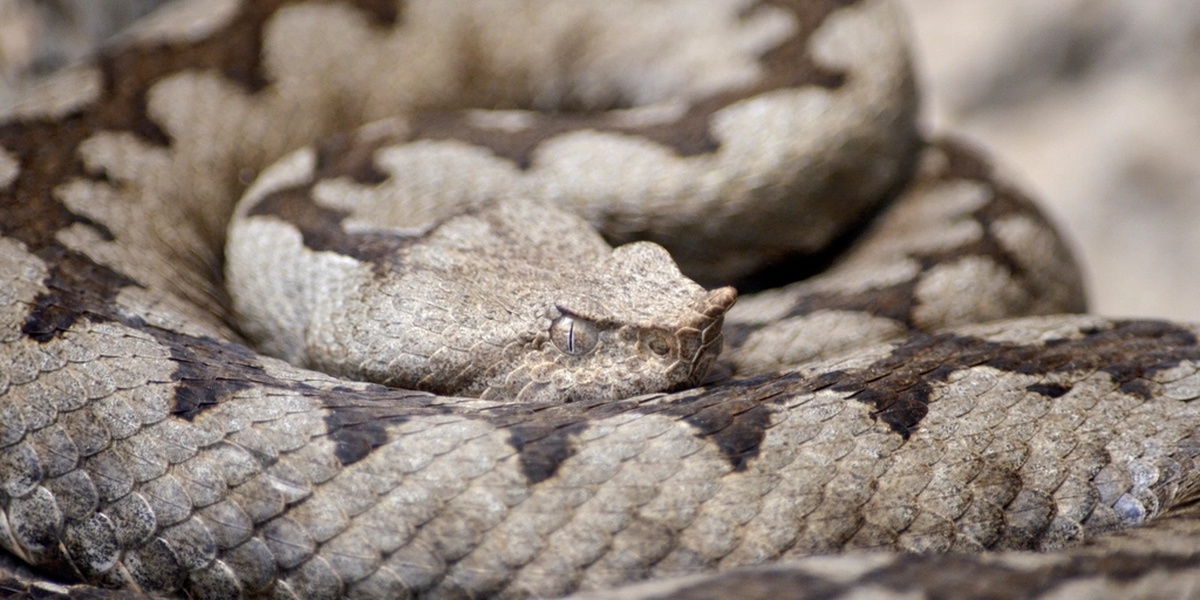
| Iberian viper (Lataste’s viper) | Vipera latastei | High | Rocky sunny slopes, Mediterranean regions, spring–summer |
| Seoane’s viper | Vipera seoanei | High | Northwest Spain: humid hills, forests, spring–summer |
| Asp viper | Vipera aspis | High | Pyrenees and northeast mountains, spring–summer |
| Montpellier snake | Malpolon monspessulanus | Medium | Dry open areas, scrub and farmland, spring–autumn |
| Mediterranean black widow (red widow) | Latrodectus tredecimguttatus | High | Dry fields, scrub and coastal dunes, summer |
| Mediterranean recluse spider | Loxosceles rufescens | Medium | Buildings, dark corners, basements, year‑round |
| Buthus scorpion | Buthus occitanus | Medium | Warm, dry southern and eastern Spain, summer |
| Small scorpions (Euscorpius spp.) | Euscorpius spp. | Low | Gardens, rock walls, buildings, year‑round |
| Asian hornet | Vespa velutina | High | Coastal and inland regions, spreading invasions, spring–autumn |
| European hornet | Vespa crabro | Medium | Woodlands, parks and rural areas, spring–autumn |
| Bees & social wasps | Apis mellifera;Vespula/Vespa spp. | Medium | Everywhere, especially summer months |
| Asian tiger mosquito | Aedes albopictus | Medium | Urban and coastal areas, spring–autumn |
| Culex mosquitoes (West Nile vector) | Culex pipiens | Medium | Wetlands, farms and urban stagnant water, summer |
| Ticks (hard ticks) | Ixodes ricinus;Rhipicephalus sanguineus | Medium | Woodlands, grassy areas, spring–autumn |
| Sandfly | Phlebotomus perniciosus | Medium | Rural Mediterranean areas, warm months |
| Portuguese man o’ war | Physalia physalis | High | Atlantic and Mediterranean coasts, summer–autumn |
| Mauve stinger jellyfish | Pelagia noctiluca | Medium | Coastal waters and beaches, summer swarms possible |
| Weever fish | Trachinus draco | Medium | Sandy shallow coasts and beaches, summer |
| Common stingray | Dasyatis pastinaca | Medium | Shallow sandy or muddy seabeds, summer |
| Lionfish (invasive) | Pterois miles | Medium | Eastern Mediterranean coasts, warming waters, year‑round presence increasing |
| Sea urchin | Paracentrotus lividus | Low | Rocky shores, tidepools, year‑round |
| Mediterranean cone snail | Conus ventricosus | Low | Rocky and sandy bottoms in Mediterranean, warmer months |
| Bats (rabies risk small) | Various Chiroptera | Low | Caves, buildings, forests, nocturnal year‑round |
| Brown rat | Rattus norvegicus | Medium | Urban areas, ports, sewers, year‑round |
| Iberian wolf | Canis lupus signatus | Low | Remote forests and mountains, northwest Iberia, year‑round |
Images and Descriptions
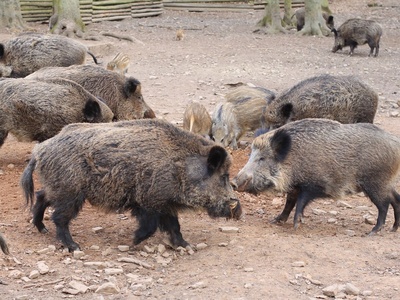
Wild boar
Wild boar are large, unpredictable and can charge without warning; tusk wounds and trampling cause deep lacerations, heavy bleeding and infection risk. Give them space, avoid dense cover, keep dogs leashed and seek urgent care for serious wounds.

Iberian viper (Lataste’s viper)
A small venomous viper whose bite causes local pain, swelling and sometimes systemic symptoms like nausea and low blood pressure. Stay on paths, avoid reaching into cracks; seek immediate medical attention after any viper bite.
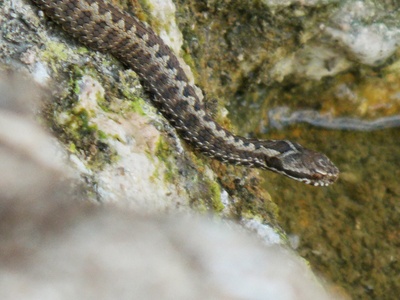
Seoane’s viper
Found in cool, damp uplands; its venom can cause intense pain, swelling and uncommon systemic effects. Avoid tall grass, check boots and seek urgent treatment if bitten—do not try to capture the snake.
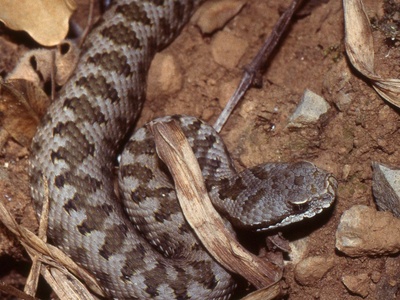
Asp viper
A venomous mountain viper causing local and systemic symptoms similar to other Vipera species. Bites require prompt medical assessment and possible antivenom. Hike with caution, wear boots and avoid handling snakes.
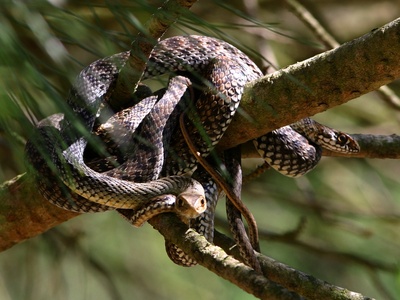
Montpellier snake
A large rear‑fanged snake that can deliver venomous bites causing local pain, swelling and rarely systemic effects. Not usually aggressive but will bite if handled; keep distance and seek medical advice for swollen or worsening wounds.
Mediterranean black widow (red widow)
A neurotoxic spider whose bite causes severe muscle pain, cramps, sweating and sometimes vomiting. Bites can be serious—especially for children. Avoid reaching into debris, wear gloves when gardening and seek medical care promptly for systemic symptoms.
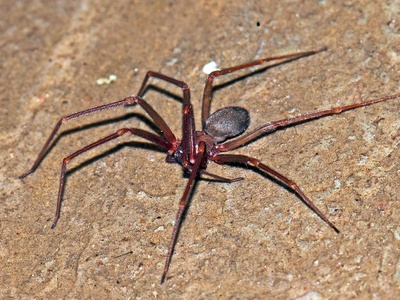
Mediterranean recluse spider
Bites may be painless at first but can become necrotic, causing local tissue damage and secondary infection. Avoid handling stored items barefoot, shake shoes before wearing and get medical review for suspicious bites.
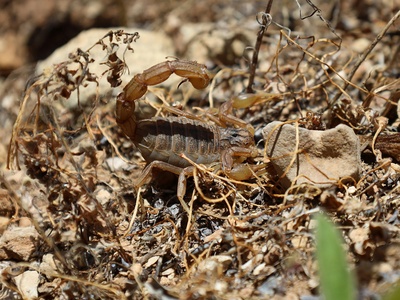
Buthus scorpion
A yellowish scorpion with a painful sting that can cause intense local pain, numbness and occasionally systemic reactions. Generally non‑fatal but severe in sensitive people. Shake out clothing, avoid putting hands under rocks and seek help for severe symptoms.
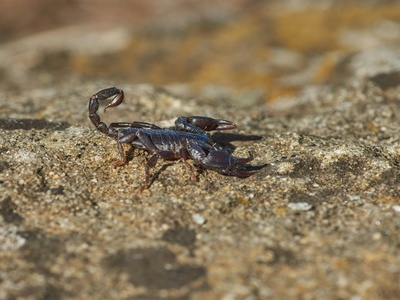
Small scorpions (Euscorpius spp.)
Small scorpions cause sharp, localized pain and swelling but rarely severe systemic effects. Check shoes and bedding, avoid handling and clean minor stings; seek care if allergic reaction or worsening symptoms occur.
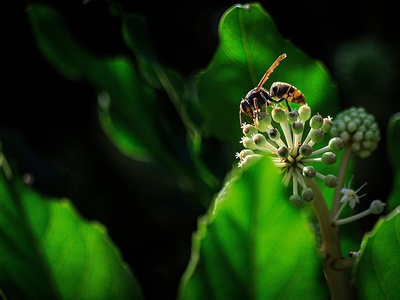
Asian hornet
An invasive hornet that can be aggressive around nests; multiple stings risk severe pain, anaphylaxis or toxic reactions. Do not disturb nests, keep distance and seek immediate care for many stings or breathing difficulty.
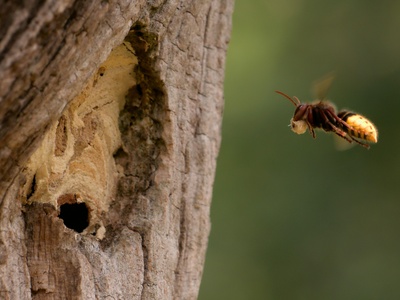
European hornet
A large hornet whose sting is very painful and can trigger allergic reactions in some people. Leave nests alone, move away calmly from foraging hornets and seek medical help for severe reactions or multiple stings.
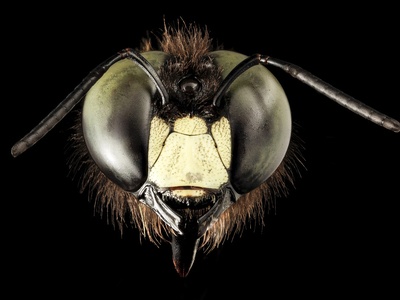
Bees & social wasps
Stings cause sharp pain, swelling and itching; multiple stings or allergy can cause anaphylaxis. Avoid disturbing hives, stay calm around swarms and carry or seek epinephrine if you have known severe allergies.
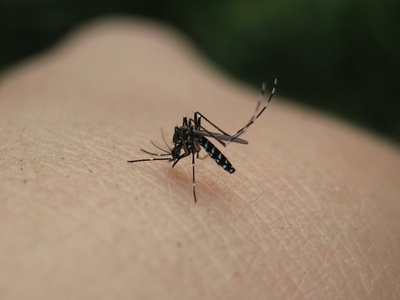
Asian tiger mosquito
Aggressive daytime biter; bites are itchy and it can transmit dengue, chikungunya and Zika under outbreak conditions. Use repellents, screens and long sleeves; seek medical advice if fever develops after travel or mosquito exposure.
Culex mosquitoes (West Nile vector)
Night‑biting mosquitoes that can transmit West Nile virus; most bites produce nuisance irritation but infections can cause fever and rare neurological disease. Use nets, repellents and reduce standing water.
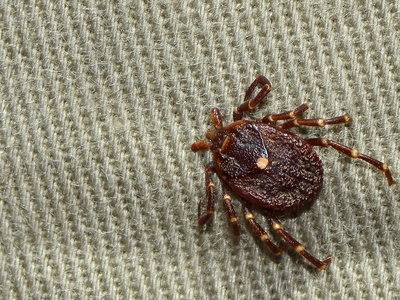
Ticks (hard ticks)
Ticks attach and can transmit Lyme disease and other infections; early removal reduces risk. Wear long clothing, check skin after hikes and remove ticks promptly; seek testing if rash or fever develops.
Sandfly
Small night‑biting flies whose bites cause itchy bumps and can transmit leishmaniasis. Use repellents, bed nets in endemic areas and see a doctor for persistent skin lesions or systemic symptoms.
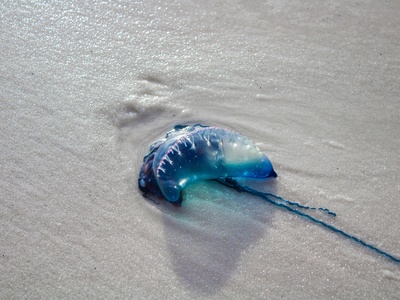
Portuguese man o’ war
Not a true jellyfish but delivers painful, long‑lasting stings causing intense pain, welts and possible systemic reactions. Do not touch washed‑up colonies; rinse with seawater, remove tentacles with a stick and seek urgent care for severe symptoms.
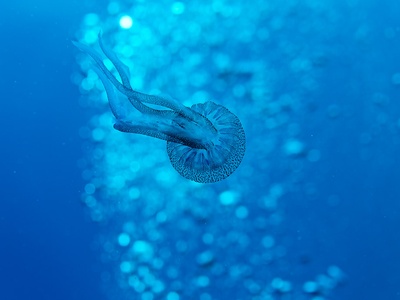
Mauve stinger jellyfish
Common in warm months; contact causes painful stings, rash and occasional systemic reactions. Avoid swimming during outbreaks, rinse with seawater rather than fresh water and seek medical attention for severe pain or allergic symptoms.
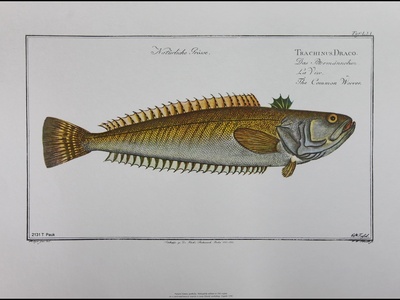
Weever fish
Buried in sand near shorelines, their dorsal spines inject venom if stepped on causing severe local pain, swelling and sometimes infection. Wear reef shoes, shuffle feet in shallow water and immerse wound in hot water before seeking medical care.
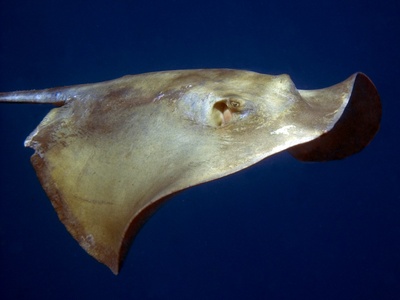
Common stingray
Stingrays can inflict a painful tail‑spine wound with venom that causes intense pain, bleeding and possible infection. Shuffle feet when wading, avoid handling rays and seek urgent care for deep punctures or signs of infection.
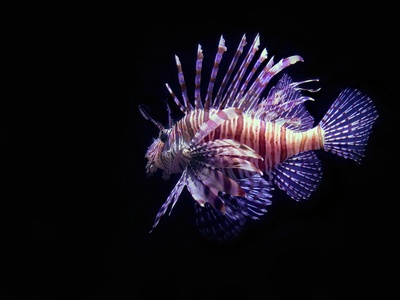
Lionfish (invasive)
Venomous dorsal spines cause severe pain, swelling and systemic symptoms in some cases. Avoid handling, use tools if removing from nets and seek medical attention for painful stings.

Sea urchin
Stepping on sharp spines causes puncture wounds that can be painful and become infected; some spine fragments may remain embedded. Wear water shoes, remove visible spines carefully and seek medical help for embedded spines or infection.
Mediterranean cone snail
A venomous snail capable of delivering a painful sting with neurotoxic effects in rare cases. Do not handle unknown sea snails, wear gloves when searching under rocks and seek immediate care if stung.
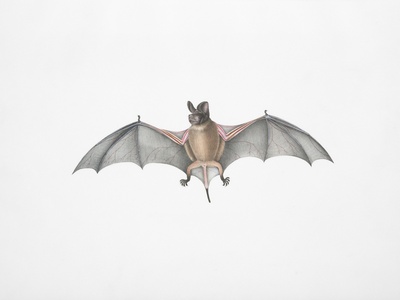
Bats (rabies risk small)
Bites or scratches are uncommon but bats can carry rabies and other pathogens. Never handle bats with bare hands; if bitten or scratched, wash the wound and seek prompt medical advice about rabies post‑exposure prophylaxis.
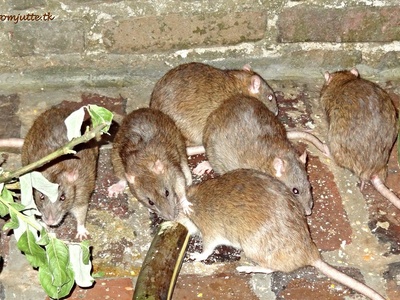
Brown rat
Rats can bite and transmit diseases like leptospirosis and hantavirus through urine, droppings or direct contact. Avoid feeding or cornering rats, secure food and waste, and seek medical care for bites or fever after exposure.
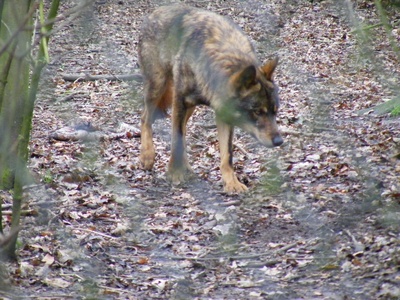
Iberian wolf
Generally avoids people but may bite if cornered or habituated; bites can cause serious injury and infection. Keep distance, supervise pets, do not feed wildlife and seek medical attention and tetanus/rabies advice for any bite.