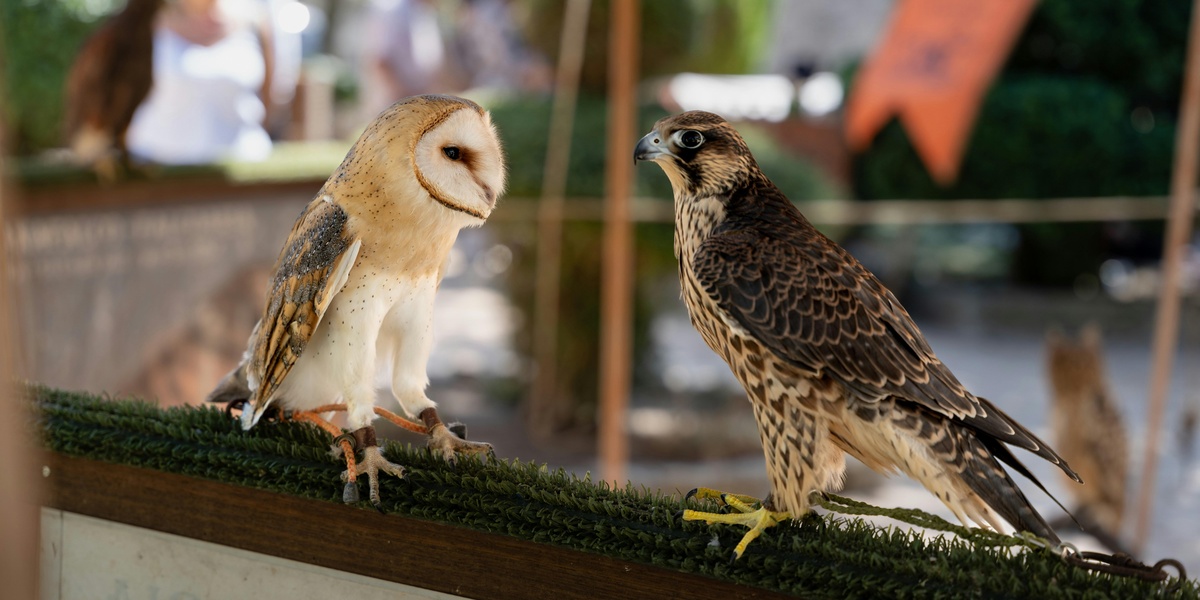
A 19th-century naturalist watching a moonlit field would have seen something mysterious: a silent, pale owl gliding just above the ground while, by daylight, a hawk soared high, scanning for movement.
Those two images capture the core contrasts between these raptors. Distinguishing owls and hawks matters to birdwatchers trying to schedule the right stakeouts, to conservationists shaping habitat protections, and to anyone intrigued by how evolution sculpts form and function. Owls and hawks differ across anatomy and senses, behavior and ecology, and hunting and reproduction. I once heard a farmer say, “The barn owls keep the mice down more quietly than any trap.” Below are eight concrete, numbered differences—1 through 8—that unpack those contrasts and give practical examples and numbers to help you recognize and respect each bird in the field.
Anatomy and Senses
1. Eye placement and vision
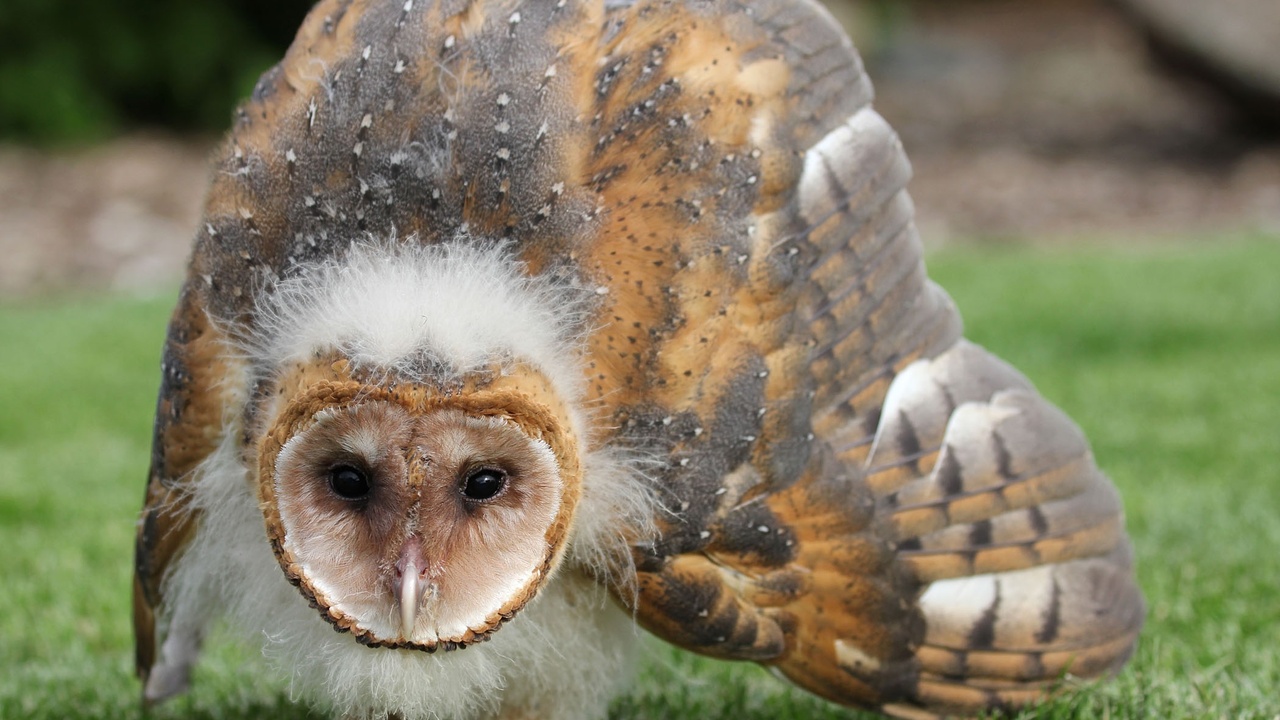
Owls have forward-facing, tubular eyes optimized for low-light binocular vision, while hawks’ eyes sit more laterally, designed for acute daytime distance vision and motion tracking. Many owls possess large corneas and rod-rich retinas that boost sensitivity at dusk and night; hawks pack more cones and often two foveae per eye so they can lock onto moving prey at long range. Owls can rotate their heads about 270 degrees to compensate for limited eye mobility. For observers, that means owls are best sought at night by listening and scanning low edges, whereas hawks are often visible by day from vantage points or thermal-soaring lines.
2. Feather structure and silent flight
Owls have specialized feathers—leading-edge serrations, a velvety upper surface, and fringed trailing edges—that break up turbulence and cut flight noise; hawks have smoother primaries suited to powerful flapping and efficient soaring. Studies comparing similar-sized raptors show owl feather microstructure measurably reduces airborne noise, which lets owls approach prey by sound rather than sight. Picture a barn owl quartering low and whispering over a field versus a red-tailed hawk booming past on broad, audible wingbeats while riding thermals.
3. Hearing and facial discs
Many owls feature facial discs and asymmetrical ear openings that funnel sound to the ears, giving highly directional hearing; hawks rely far more on visual input and lack such pronounced auditory adaptations. A barn owl (Tyto alba) can often pinpoint a vole beneath vegetation by sound alone—facial discs act like parabolic reflectors and asymmetrical ears allow localization within a few degrees of direction. That auditory edge allows owls to hunt effectively in complete darkness, occupying a different sensory niche than visually driven diurnal raptors like the Cooper’s or red-tailed hawk.
Behavior and Ecology
4. Activity patterns: nocturnal versus diurnal
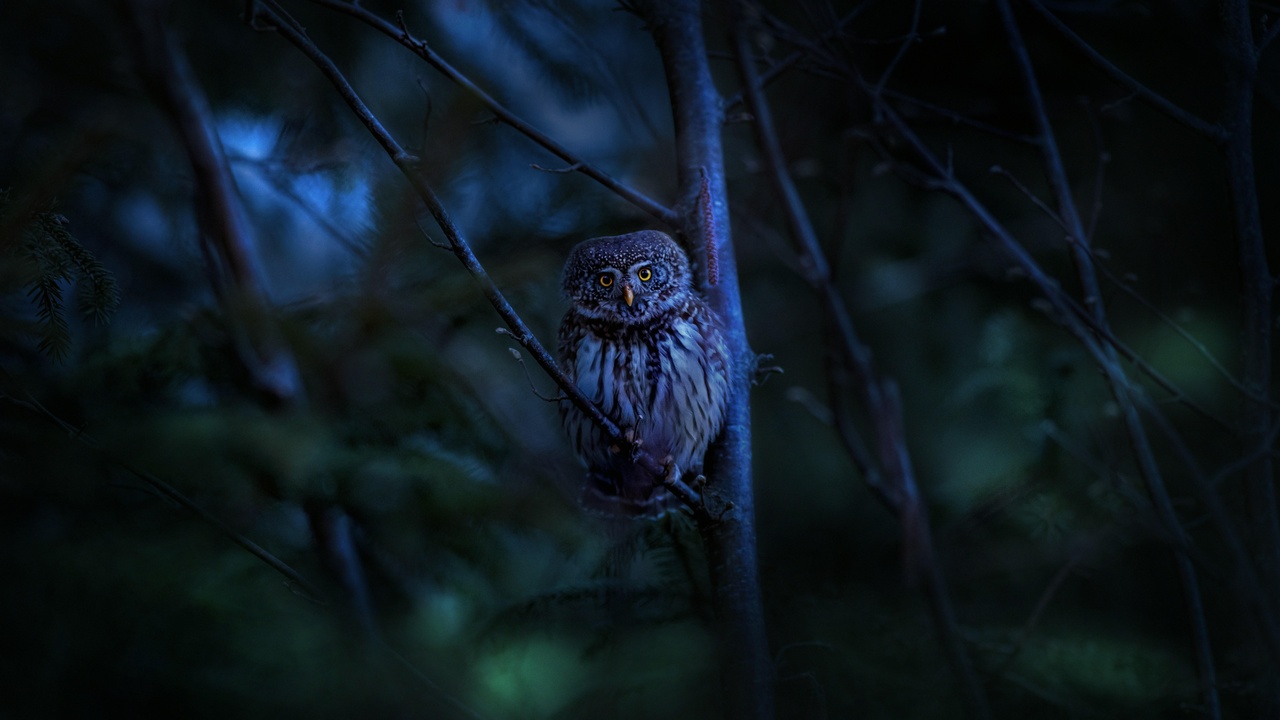
The broad rule is simple: most owls hunt at night or at dawn and dusk, while most hawks hunt during daylight. There are notable exceptions—snowy owls and some short-eared owls can be active by day, and a few hawks show crepuscular behavior. For human encounters, listen for owl hoots at night and scan skylines and treetops by day for hawks. Migration watchpoints can tally thousands of hawks at peak fall counts, making daytime raptor watching a seasonal spectacle.
5. Hunting strategies and flight styles
Hawks favor high-perch scanning, broad soaring on thermals, and fast stoops—strategies that exploit long sight-lines and speed. Owls tend to fly low and quietly, quartering fields or dropping from perches to pounce on nearby prey. Wing shape and muscle arrangement reflect this: hawks’ broad wings and tail control aid long-distance searching, while owls’ rounded wings support slow, highly maneuverable flight. Hawks often scan from perches tens of meters above ground; barn owls typically hunt within a few meters of vegetation edges.
6. Migration, territory, and social behavior
Many hawks undertake long migrations—some species travel hundreds to thousands of kilometers—while many owl species are year-round residents or make shorter, food-driven movements. Broad-winged hawk migrations, for example, can concentrate tens of thousands of individuals at classic watchsites each fall. Owls are often more solitary and maintain smaller defended territories; some species, like short-eared or snowy owls, irrupt when prey cycles force wide-ranging movements. These patterns shape detectability and conservation: migratory hawks need safe flyways, resident owls need secure local habitat.
Hunting, Diet, and Reproduction
7. Diet composition and prey handling
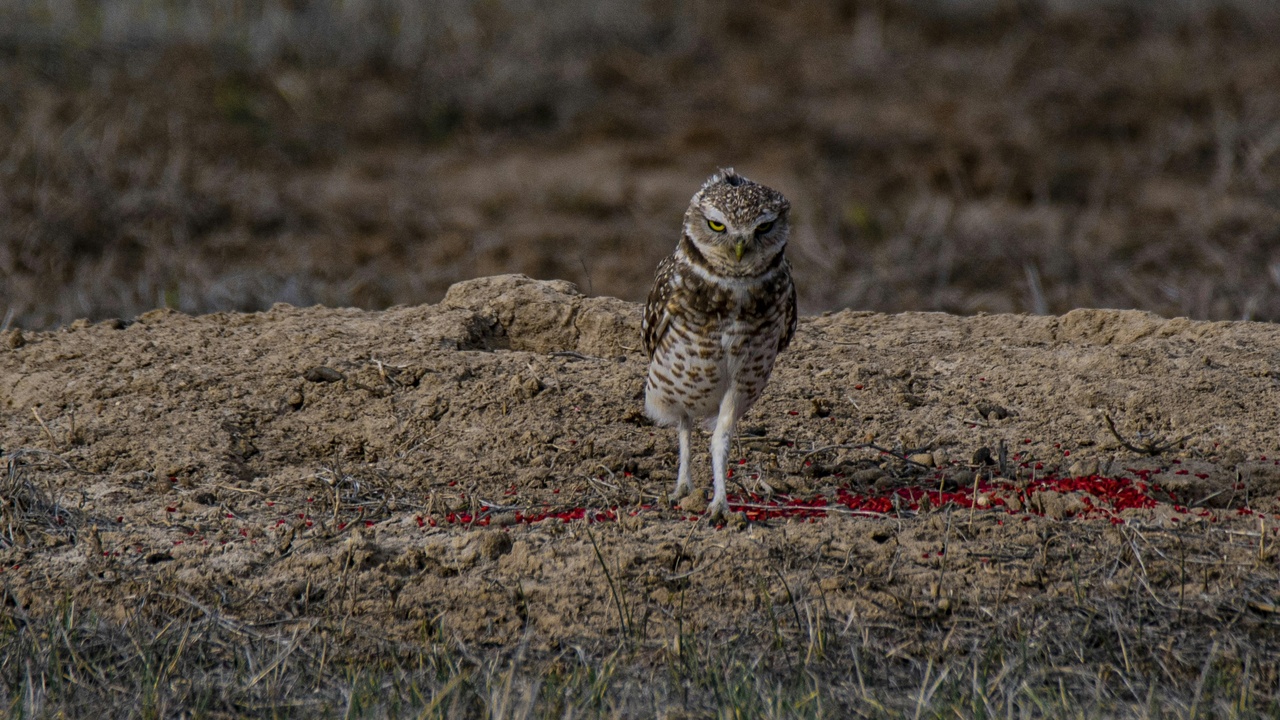
Studying the differences between owls and hawks shows owls generally specialize on small mammals, insects, and some birds—rodents dominate many diets—whereas many hawks take larger, daytime prey such as squirrels, rabbits, and game birds. Owls regurgitate indigestible bones and fur as pellets, and a single barn owl pellet can contain the remains of several mice or voles, offering a useful monitoring tool for farmers. Hawks tear flesh and often carry or present chunks to nestlings. These feeding differences make barn owls valuable for quiet rodent control while hawks influence populations of medium-sized mammals and birds.
8. Reproduction and nesting choices
Nesting strategies differ: many hawks build large stick nests in trees or on cliffs, while many owls use cavities, abandoned nests, or sheltered ledges. Typical clutch sizes reflect that variation—owls often lay 2–4 eggs, whereas many hawks range from 1–5 eggs depending on species and conditions. Great horned owls may begin nesting very early in temperate zones, with eggs laid as early as January. Protecting nest sites is crucial for both groups, but conservation actions differ: preserve open foraging habitat for hawks and safe cavities or ledges for owls.
Summary
Anatomy, senses, behavior, and life history combine to make owls and hawks distinct tools of predation: owls are built for quiet, nocturnal hunting with acute hearing and specialized feathers, while hawks are optimized for daytime sight-driven hunting, soaring, and long-distance movements.
- Owls rotate their heads roughly 270° and use facial discs and asymmetrical ears to localize prey by sound—an unforgettable sensory adaptation.
- Silent-flight feather fringes and velvety surfaces give owls a stealth advantage; hawks rely on strong wingbeats and thermals for wide-area searching.
- Diet and nesting differ: owls often produce pellets revealing multiple small-mammal prey, while hawks take larger prey and build conspicuous stick nests.
- Migration and territoriality vary widely, so conservation should protect both seasonal flyways for hawks and stable nesting sites and hunting habitats for owls.
Next time you watch a moonlit field or a thermalling ridge, observe from a distance, minimize disturbance, and consider joining a local birding or raptor-conservation group to learn more and help protect these remarkable predators.