Lesotho’s highland plateaus and rocky cliffs support wildlife adapted to cold, windy conditions, but their small ranges make them vulnerable to local threats. Ongoing changes in land use and accidental poisoning mean regular monitoring is important to understand which species need help.
There are 1 Endangered Species in Lesotho, ranging from Cape vulture to Cape vulture. For each species I list the Scientific name,IUCN status,Main threats — you’ll find below.
Why is the Cape vulture endangered in Lesotho?
The Cape vulture faces multiple pressures: reduced food availability as traditional livestock carcass disposal changes, poisoning (both targeted and accidental), disturbance of nesting sites, and collisions or electrocutions on power infrastructure; because populations are small and slow-breeding, these threats quickly reduce numbers and require coordinated, cross-border conservation.
What practical steps can locals take to help protect endangered species in Lesotho?
Locals can report vulture sightings and nests to conservation groups, avoid leaving poisoned baits, promote safe carcass disposal practices, protect nesting cliffs from disturbance, support community-based monitoring, and engage with NGOs or authorities to retrofit hazardous power poles — these focused actions make a measurable difference.
Endangered Species in Lesotho
| Name | Scientific name | IUCN status | Main threats |
|---|---|---|---|
| Cape vulture | Gyps coprotheres | EN | Poisoning, persecution, habitat loss, reduced food availability |
Images and Descriptions
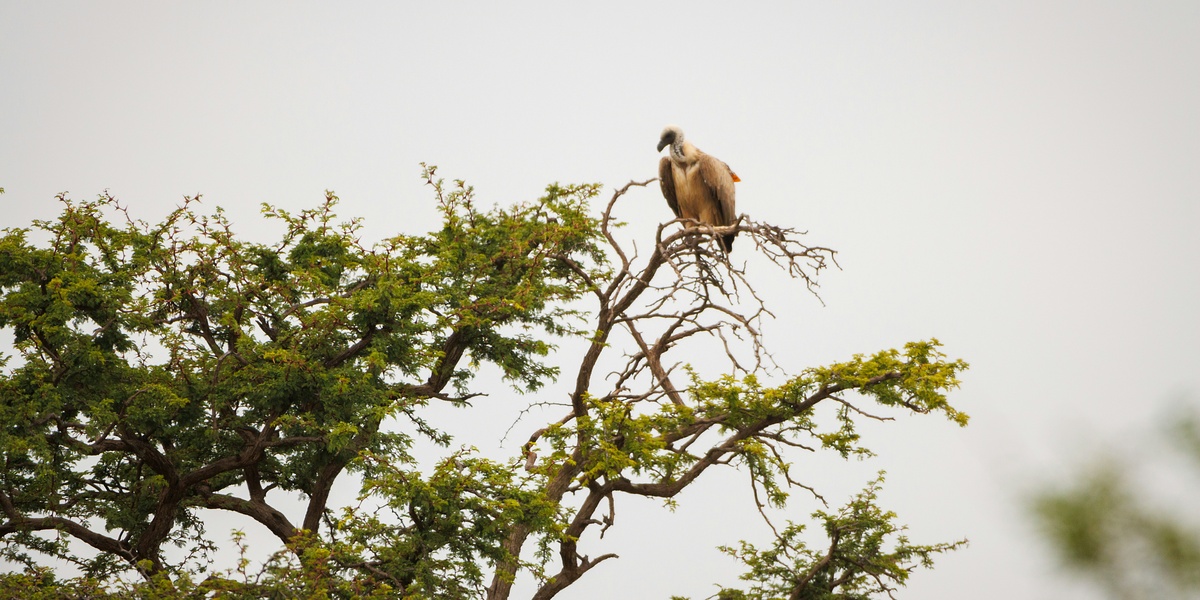
Cape vulture
Large cliff-nesting vulture found in Lesotho’s Maloti-Drakensberg highlands; breeds on high cliffs and scavenges livestock carcasses. Populations have declined from poisoning, persecution and habitat loss. Important scavenger; conservation actions noted by IUCN and BirdLife International.