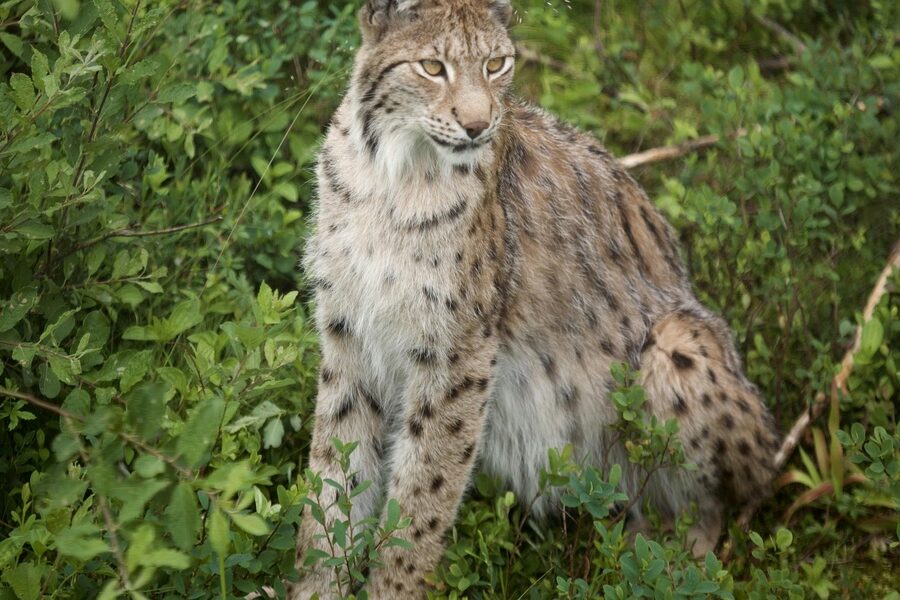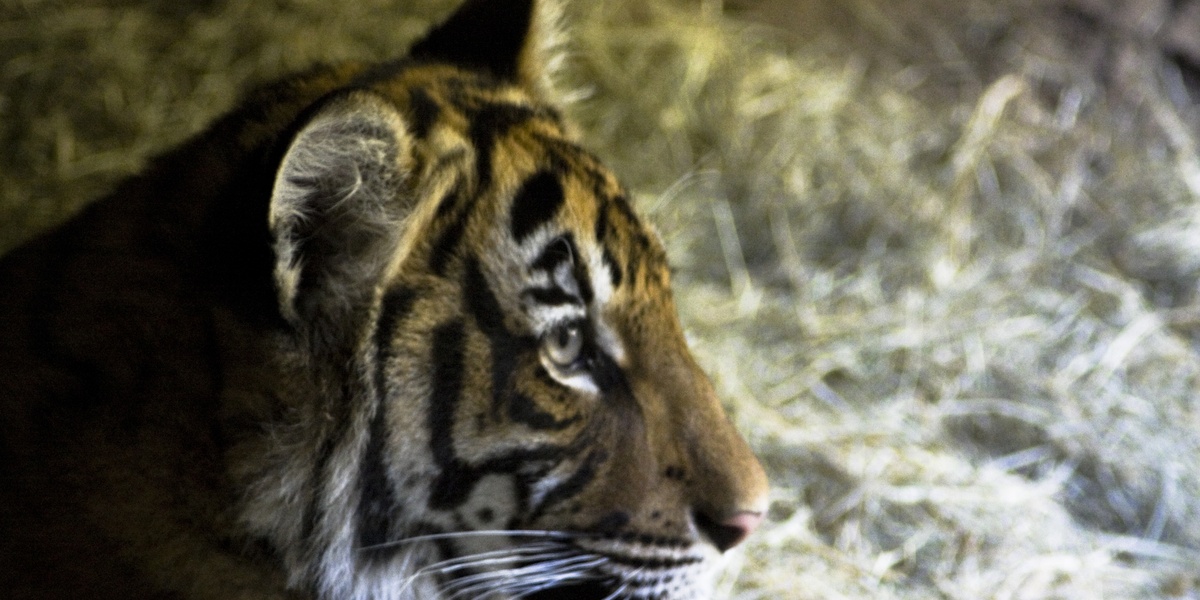
Malaysia’s rainforests, mangroves and coral reefs support a huge variety of life, but rapid development, habitat loss and illegal wildlife trade have put many animals at real risk. Knowing which species are endangered helps prioritize conservation and public action across the country.
There are 19 Endangered Species in Malaysia, ranging from Asian arowana to Sunda pangolin. For each species the data are organized as Scientific name,IUCN status,Range (Malaysia) — you’ll find them below.
How can I help protect endangered species in Malaysia?
Support trusted local organizations (for example, Malaysian Nature Society or wildlife rescue centers), choose responsible eco-tourism operators, avoid buying products made from threatened animals, report illegal trade to authorities, and share reliable information to raise awareness in your community.
How current are the IUCN statuses listed here and where can I check updates?
IUCN assessments are updated as new research becomes available, so statuses can change; for the most current information check the IUCN Red List and Malaysian wildlife agencies, which both provide dates and notes on recent surveys and conservation actions.
Endangered Species in Malaysia
| Name | Scientific name | IUCN status | Range (Malaysia) |
|---|---|---|---|
| Bornean orangutan | Pongo pygmaeus | CR 2016 | Sabah, Sarawak (Borneo) |
| Malayan tiger | Panthera tigris jacksoni | CR 2015 | Peninsular Malaysia |
| Asian elephant | Elephas maximus | EN 2020 | Sabah, Sarawak and Peninsular pockets |
| Sunda pangolin | Manis javanica | CR 2019 | Peninsular Malaysia and Borneo |
| Chinese pangolin | Manis pentadactyla | CR 2019 | Peninsular Malaysia |
| Malayan tapir | Tapirus indicus | EN 2016 | Peninsular Malaysia |
| Proboscis monkey | Nasalis larvatus | EN 2015 | Sabah, Sarawak (Borneo) |
| Banteng | Bos javanicus | EN 2016 | Sabah, parts of Borneo |
| Helmeted hornbill | Rhinoplax vigil | CR 2015 | Sabah, Sarawak (Borneo) |
| Straw-headed bulbul | Pycnonotus zeylanicus | CR 2018 | Peninsular Malaysia |
| Hawksbill turtle | Eretmochelys imbricata | CR 2018 | Coastal waters and nesting beaches across Malaysia |
| Green turtle | Chelonia mydas | EN 2018 | Coasts and nesting beaches across Malaysia |
| Asian arowana | Scleropages formosus | EN 2019 | Freshwater rivers in Sarawak and Borneo |
| Flat-headed cat | Prionailurus planiceps | EN 2015 | Peninsular Malaysia and Borneo, wetlands |
| Bornean banteng | Bos javanicus | EN 2016 | Borneo (Sabah, parts of Sarawak) |
| Bornean peacock-pheasant | Polyplectron schleiermacheri | EN 2016 | Lowland forests of Borneo |
| Malaysian giant turtle | Orlitia borneensis | EN 2016 | Rivers of Borneo (Sabah, Sarawak) |
| Sarawak surili | Presbytis chrysomelas | EN 2015 | Restricted forests in Sarawak (Borneo) |
| Malayan pangolin rescue | Manis javanica | CR 2019 | Peninsular Malaysia and Borneo |
Images and Descriptions
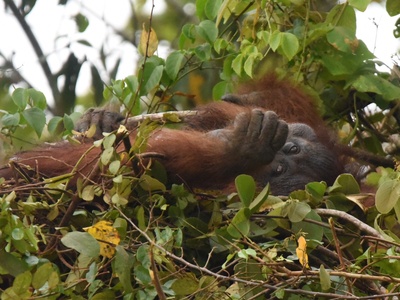
Bornean orangutan
Great ape endemic to Borneo, critically endangered due to massive habitat loss from logging and plantations, plus hunting. Conservation focuses on habitat protection, anti-poaching patrols and rehabilitation; populations persist in fragmented forest blocks and protected areas.
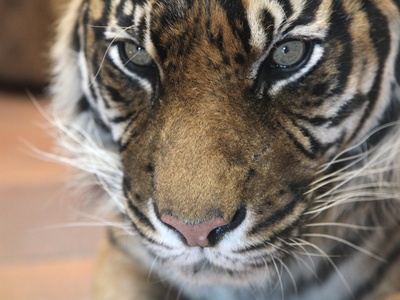
Malayan tiger
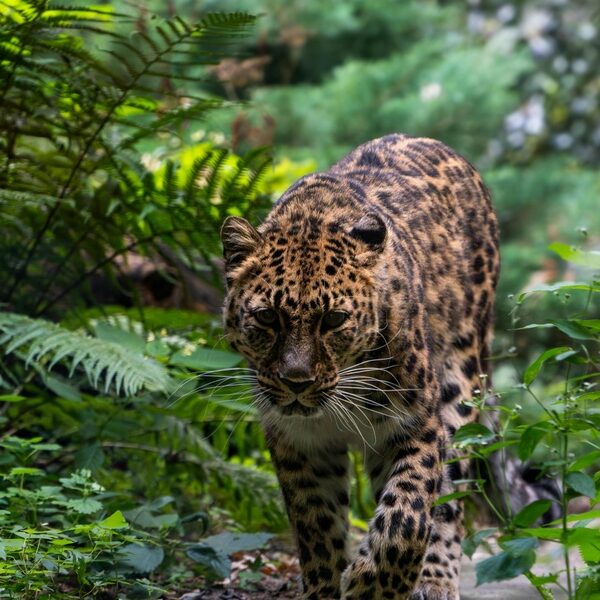
The Malayan tiger faces very small, fragmented populations driven by poaching and habitat conversion for agriculture. Conservation uses protected reserves, anti-poaching units and transboundary efforts; sightings are rare and numbers have dropped sharply in recent decades.
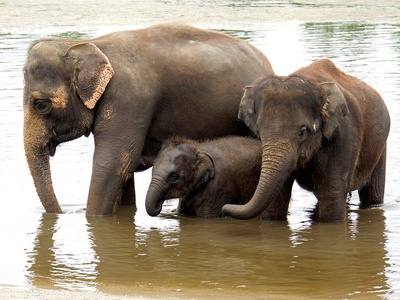
Asian elephant
Large, long-lived mammals threatened by habitat loss, fragmentation and human–elephant conflict. Malaysian populations are increasingly isolated; conservation focuses on landscape connectivity, conflict mitigation and protected area management to reduce retaliatory killings.

Sunda pangolin
Scaly mammal heavily targeted by illegal wildlife trade for scales and meat. Populations have crashed across its range; in Malaysia, rescue, law enforcement and rehabilitation are key, but poaching and demand remain critical threats.
Chinese pangolin
Small, terrestrial pangolin declining rapidly from heavy hunting and trade. Found in lowland forests and agricultural edges in Peninsular Malaysia; rescue centres, law enforcement and community awareness are central to survival efforts.
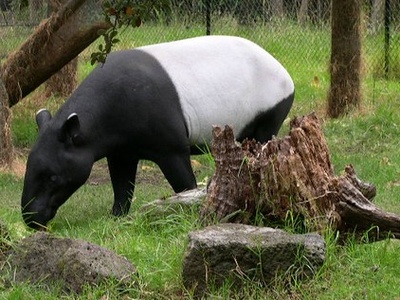
Malayan tapir
Distinctive black-and-white forest mammal suffering from habitat loss, roadkill and fragmentation. Species needs large forest tracts; conservation emphasizes protected areas, wildlife corridors and measures to reduce vehicle collisions.
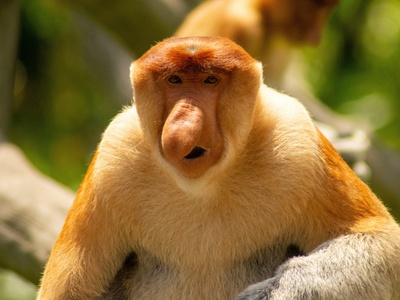
Proboscis monkey
Iconic long-nosed, arboreal monkey restricted to riverine and mangrove forests. Major threats are logging, oil palm expansion and hunting. Protected areas help, but continued habitat loss makes long-term survival precarious.
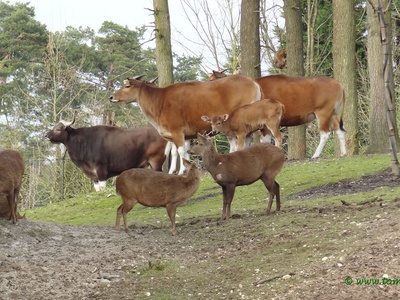
Banteng
Wild cattle species threatened by habitat loss, hunting and disease from domestic livestock. Small, fragmented populations occur in protected forests; conservation requires anti-poaching, habitat protection and managing genetic isolation.
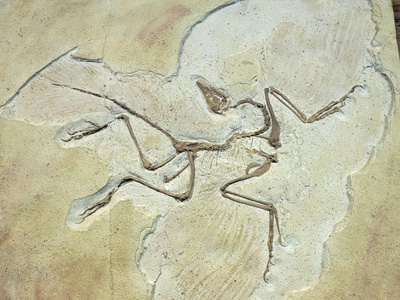
Helmeted hornbill
Large hornbill hunted for its casqued “ivory” used in carvings, with severe declines from poaching and logging. Conservation focuses on law enforcement, anti-poaching patrols and protecting old-growth forest nesting sites.
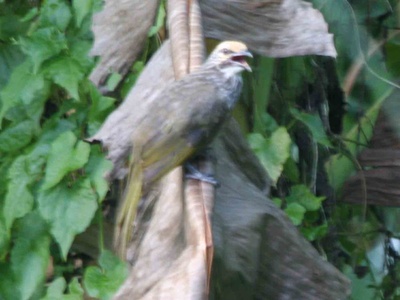
Straw-headed bulbul
Songbird driven to critical risk by capture for the cage-bird trade and habitat loss. Remaining birds occur in fragmented forest patches; recovery relies on trade controls, enforcement and habitat protection.
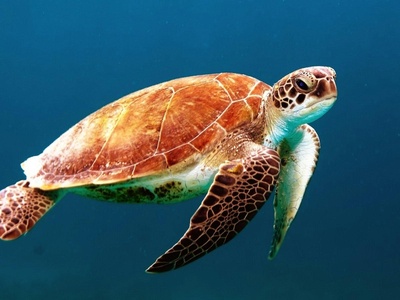
Hawksbill turtle
Critically endangered marine turtle threatened by egg and shell collection, bycatch and coastal development. Malaysia runs nesting protection and hatcheries, but illegal take and habitat loss continue to threaten recovery.

Green turtle
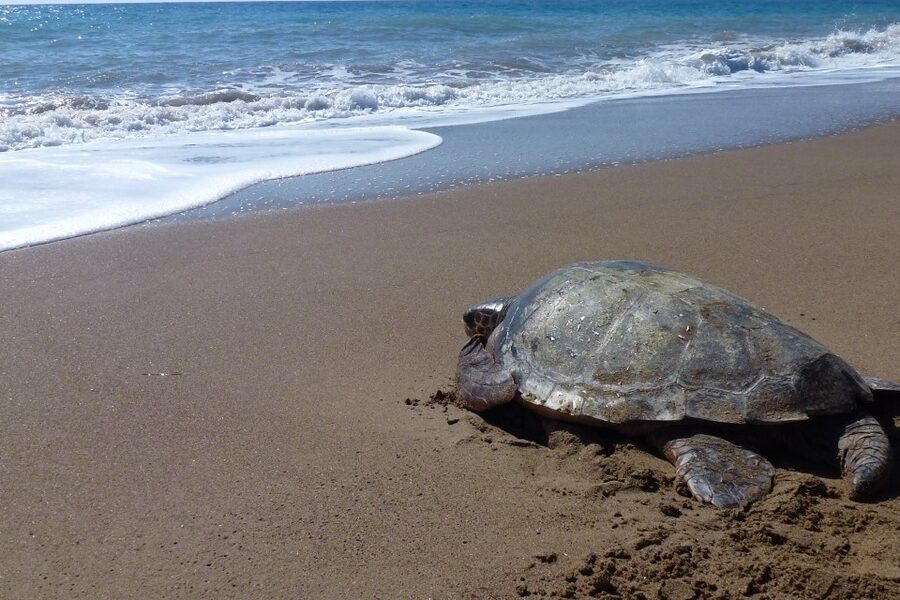
Large marine turtle impacted by egg harvesting, fisheries bycatch and habitat degradation. Conservation includes protected nesting beaches, community monitoring and international cooperation to reduce threats at sea and ashore.
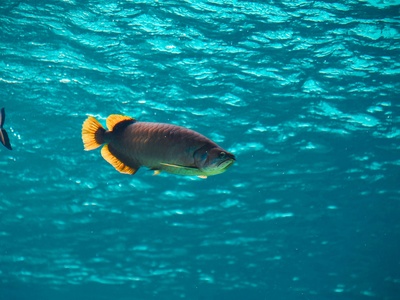
Asian arowana
Striking river fish prized by aquarium trade and threatened by overcollection and habitat degradation. Malaysia manages captive breeding and trade controls, but wild populations remain vulnerable in fragmented waterways.
Flat-headed cat
Small, wetland-dependent wild cat threatened by wetland drainage, pollution and habitat loss. Rare and secretive, it relies on mangroves and riverine habitats; conservation targets wetland protection and reducing persecution.
Bornean banteng
Forest-dwelling wild cattle facing hunting and habitat loss. Small populations survive in protected areas; efforts focus on anti-poaching, habitat protection and preventing disease transmission from domestic cattle.
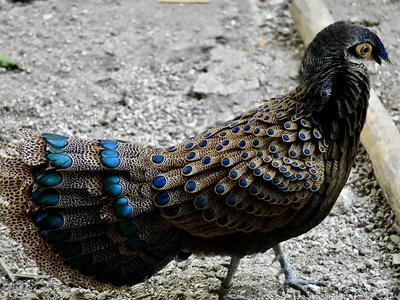
Bornean peacock-pheasant
Elusive forest bird threatened by habitat loss and hunting for the pet trade. Conservation priorities include preserving lowland forest, enforcing hunting bans and supporting habitat corridors for genetic exchange.
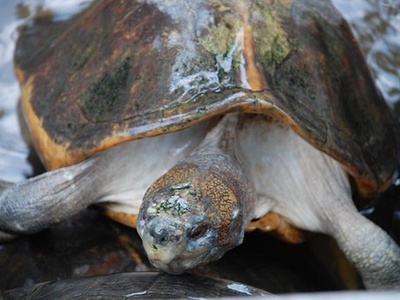
Malaysian giant turtle
Large freshwater turtle facing capture for food and habitat degradation. Populations are fragmented; conservation actions include nesting protection, captive breeding programs and reducing river pollution.
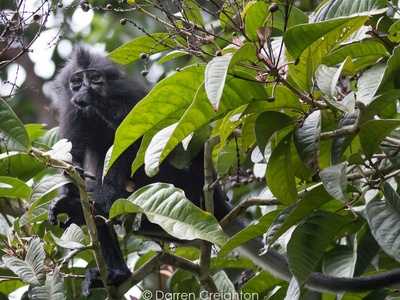
Sarawak surili
A leaf-eating monkey with a highly restricted range, threatened by logging and habitat fragmentation. Small populations need habitat protection and enforcement against hunting to prevent further decline.
Malayan pangolin rescue
A repeat entry to highlight rescue work: heavily poached for scales and meat. Successful confiscations and rehabilitation have saved individuals, but illegal trade and habitat loss keep the species critically endangered in Malaysia.