Zimbabwe’s landscapes—from mopane woodlands to wetlands—support a remarkable variety of animals and birds, but many are under pressure from habitat loss, poaching and changing land use. Local conservationists, researchers and communities are working to monitor populations and target the biggest threats.
There are 8 Endangered Species in Zimbabwe, ranging from the African elephant to the White-headed vulture. For each species you’ll find below Scientific name,IUCN status,Main threats so you can quickly see how each is classified and what drives its decline.
What are the main threats causing species in Zimbabwe to become endangered?
Habitat loss and fragmentation from agriculture and development, illegal hunting and trade, human-wildlife conflict, and declining prey or nesting sites are the most common drivers; climate variability and pollution also worsen resilience, so addressing both local land use and broader enforcement is critical.
How can individuals meaningfully support these endangered species?
Support reputable conservation organizations, choose responsible wildlife tourism, avoid products linked to illegal wildlife trade, back community-led conservation, and stay informed—small actions like reporting wildlife crime or donating to habitat projects help sustain longer-term protection.
Endangered Species in Zimbabwe
| Name | Scientific name | IUCN status | Main threats |
|---|---|---|---|
| African elephant | Loxodonta africana | EN 2021 | Ivory poaching; habitat loss; human–elephant conflict |
| Black rhinoceros | Diceros bicornis | CR 2020 | Poaching for horn; habitat loss; small isolated populations |
| African wild dog | Lycaon pictus | EN 2018 | Habitat loss; persecution; snaring; disease from domestic dogs; prey decline |
| White-backed vulture | Gyps africanus | CR 2015 | Poisoning from carcasses/pesticides; habitat loss; reduced food |
| Hooded vulture | Necrosyrtes monachus | CR 2017 | Poisoning; nest disturbance; trade; habitat loss |
| White-headed vulture | Trigonoceps occipitalis | CR 2017 | Poisoning; habitat loss; low reproductive rates |
| Lappet-faced vulture | Torgos tracheliotos | EN 2015 | Poisoning; powerline collisions; habitat loss |
| Cape vulture | Gyps coprotheres | EN 2015 | Poisoning; persecution; loss of nesting cliffs |
Images and Descriptions
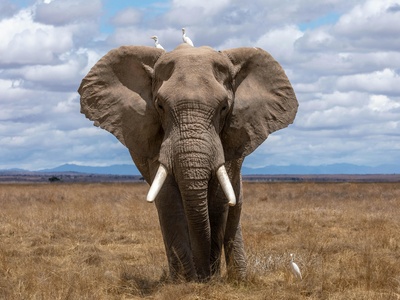
African elephant
The African savanna elephant is Zimbabwe’s largest terrestrial mammal, found in Hwange, Mana Pools and Gonarezhou. Notable for complex social groups and long migrations, it’s endangered from ivory poaching, habitat loss and human–wildlife conflict threatening populations and connectivity.
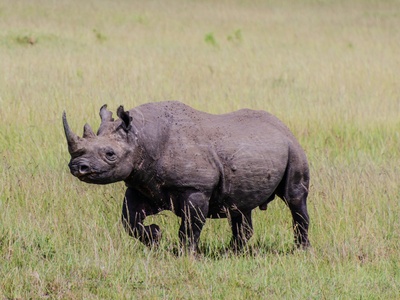
Black rhinoceros
The black rhinoceros is a heavily poached horned megaherbivore surviving in remnant populations in Zimbabwe’s Hwange and private reserves. Critically endangered due to intensive poaching for horn, habitat fragmentation and small, isolated populations vulnerable to stochastic events.
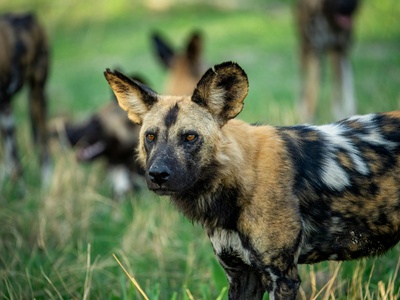
African wild dog
The African wild dog packs roam savannas and woodlands, with small groups in Hwange and border areas. Endangered from habitat loss, persecution, snaring, disease from domestic dogs and prey decline; notable for cooperative hunting and complex social structure.
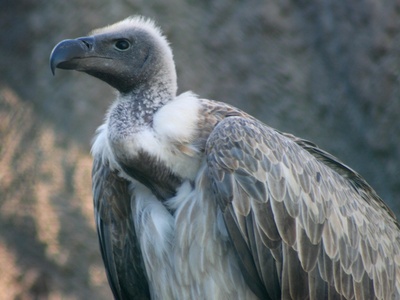
White-backed vulture
A large scavenger once common across Zimbabwe, the white-backed vulture now has steep declines. Critically endangered mainly from poisoning (carcasses, pesticides), habitat loss and reduced food sources; often seen near carcasses and protected areas when still present.
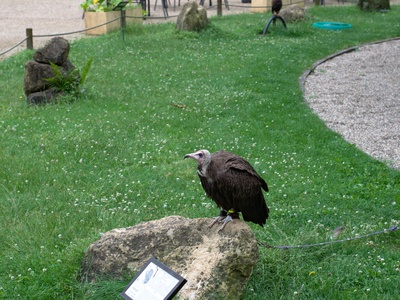
Hooded vulture
The small hooded vulture occurs in open woodlands and near settlements in Zimbabwe. Critically endangered by intentional and accidental poisoning, nest disturbance and trade; its decline is a key indicator of broader ecosystem and scavenger community collapse.
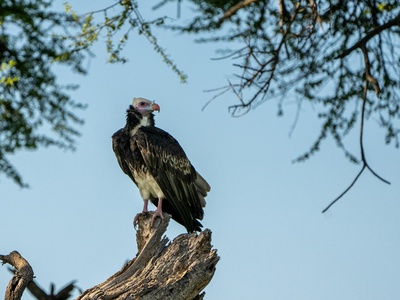
White-headed vulture
A rare and solitary vulture, the white-headed vulture is found in Zimbabwe’s savannas and cliffs. Critically endangered due to poisoning, habitat loss and low reproductive rates; notable for hunting small carcasses and nesting in large trees.
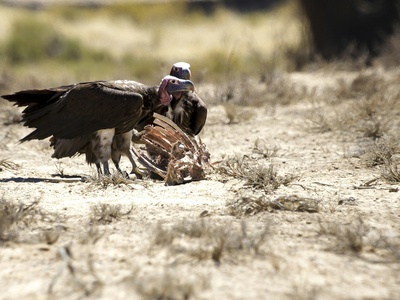
Lappet-faced vulture
The lappet-faced vulture, a striking large scavenger, occurs in Zimbabwe’s arid and open woodlands. Endangered from poisoning, powerline collisions and habitat loss; notable for dominating carcass sites and its powerful bill that can open large carcasses.
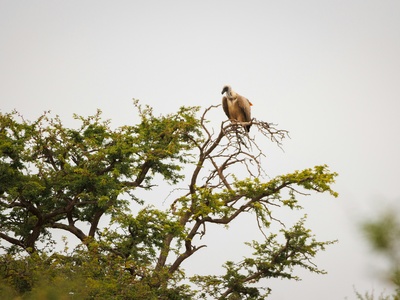
Cape vulture
The Cape vulture breeds in colonies on cliffs and forages widely; occasional records exist in Zimbabwe’s escarpments. Endangered from poisoning, persecution, and loss of nesting cliffs; conservation focuses on protecting colonies and reducing toxic carcass use.