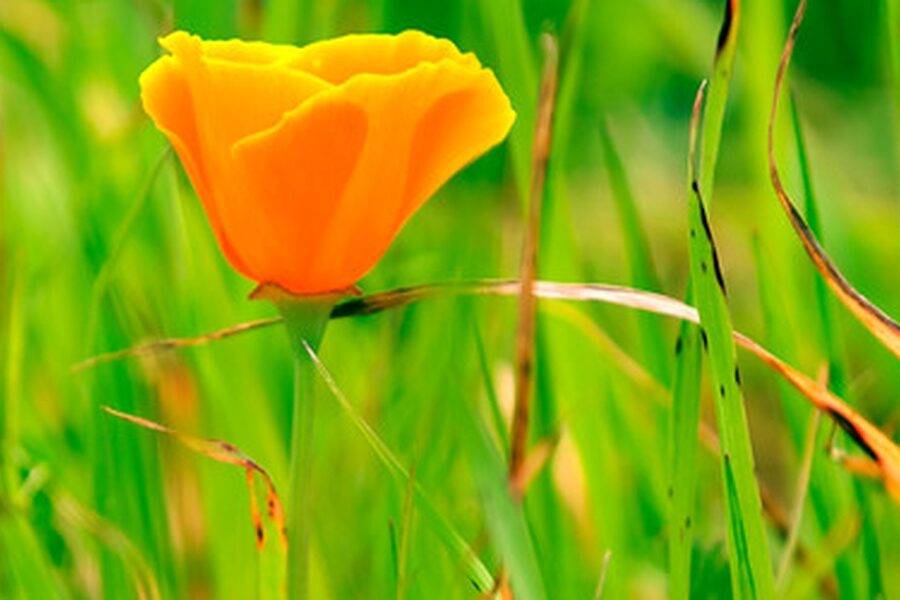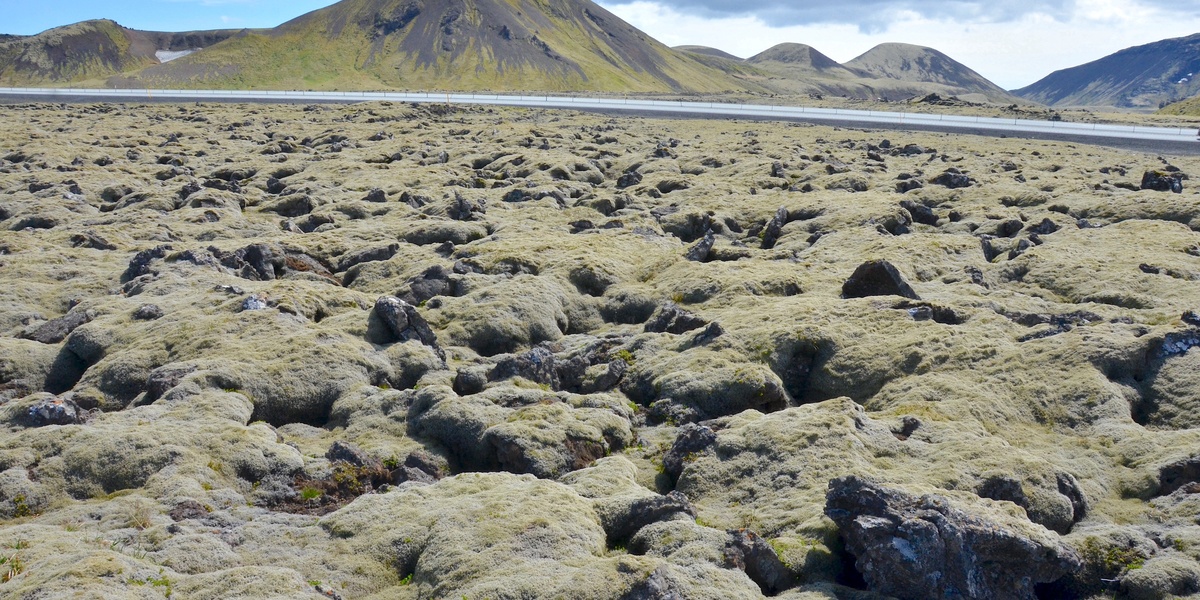
On the new black sand of Surtsey, scientists watched tiny green threads of moss appear within years of the 1963–1967 eruption, then the first flowering plants — a live broadcast of colonization and adaptation. Those early colonists showed how seeds and spores exploit cracks in fresh lava, how wind and birds ferry life across the sea, and how a handful of hardy species can begin soil formation on bare rock.
That real-time experiment explains a lot about the broader flora of Iceland: volcanic soils, an Arctic climate, and centuries of human land use shape a compact but resilient assemblage of plants. Iceland has roughly 500 native vascular plant species and only about 10 recognized endemics, so each plant plays an outsized ecological or cultural role.
Read on for eight standout examples — from pollen-rich groundcovers to peat-building mosses and culturally prized herbs — each illustrating survival strategies, carbon value, and restoration potential.
Flowering groundcovers and pioneers
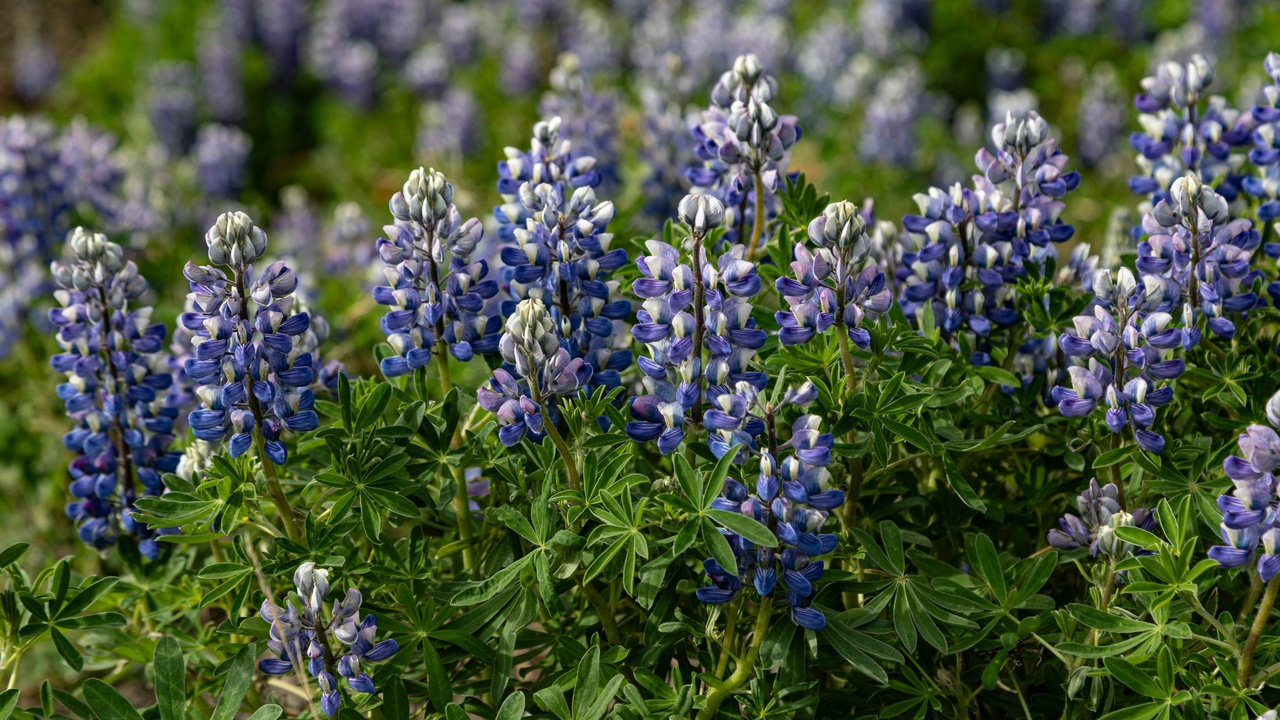
Low, mat-forming herbs and small shrubs are the first visible signs that life is taking hold on lava, gravel and glacial outwash. Their compact forms reduce wind exposure, their roots and rhizomes trap thin soils, and their flowers supply crucial nectar during the short summer.
These pioneers stabilize ground after disturbance, attract the relatively few pollinators available in mid-summer, and kick-start organic-matter accumulation that allows later-arriving species to establish. Authorities such as the Icelandic Institute of Natural History document these patterns across habitats from coastal scree to roadside reclamation projects.
1. Arctic thyme (Thymus praecox) — resilient groundcover and pollinator magnet
Arctic thyme is a low, mat-forming perennial that carpets thin soils and rocky ledges across Iceland. Its compact habit traps grit and organic matter, helping to stabilize slopes and reduce erosion.
The plant blooms from June–August, producing abundant nectar that mid-summer flies and bees rely on in a landscape with a compressed flowering season. Local restoration projects in West Iceland have used thyme in roadside and erosion-control plantings because it establishes quickly and holds soil.
People have long brewed thyme as a mild herbal tea and used its aroma in household remedies; Icelandic flora guides and regional ethnobotanical notes document those uses. In short, it’s both a practical restoration species and a small cultural resource.
2. Moss campion (Silene acaulis) — cushion plants that make microclimates
Moss campion grows as dense cushions that commonly reach 10–30 cm across and can survive for decades. Those cushions raise internal temperatures a few degrees, sheltering flowers and developing seeds during brief warm spells.
You’ll find it on rocky coasts and alpine scree in the central highlands where wind and cold limit taller growth. By creating sheltered microhabitats, cushions benefit insects and give seedlings a foothold, helping succession proceed in exposed sites.
Its longevity and drought tolerance make moss campion a reliable component of high-elevation restoration and a favorite example in field courses on plant adaptations to Arctic conditions.
3. Mountain avens (Dryas octopetala) — an early colonizer and soil-indicator
Mountain avens is a low shrub with white, eight- to ten-petaled flowers that often appears early on glacial outwash and on calcareous ground. Its presence commonly signals lime-rich soils and early stages of succession.
After glacial retreats in the 19th and 20th centuries, Dryas was among the species that spread across new outwash plains, helping to trap wind-blown silt and gradually build organic matter. Ecologists use its occurrence to help map soil types and plan reclamation near Vatnajökull’s outwash areas.
For restoration practitioners, planting or encouraging mountain avens can accelerate soil development and support early-season pollinators when other nectar sources are scarce.
Mosses, lichens and peat-forming plants — hidden ecosystem engineers
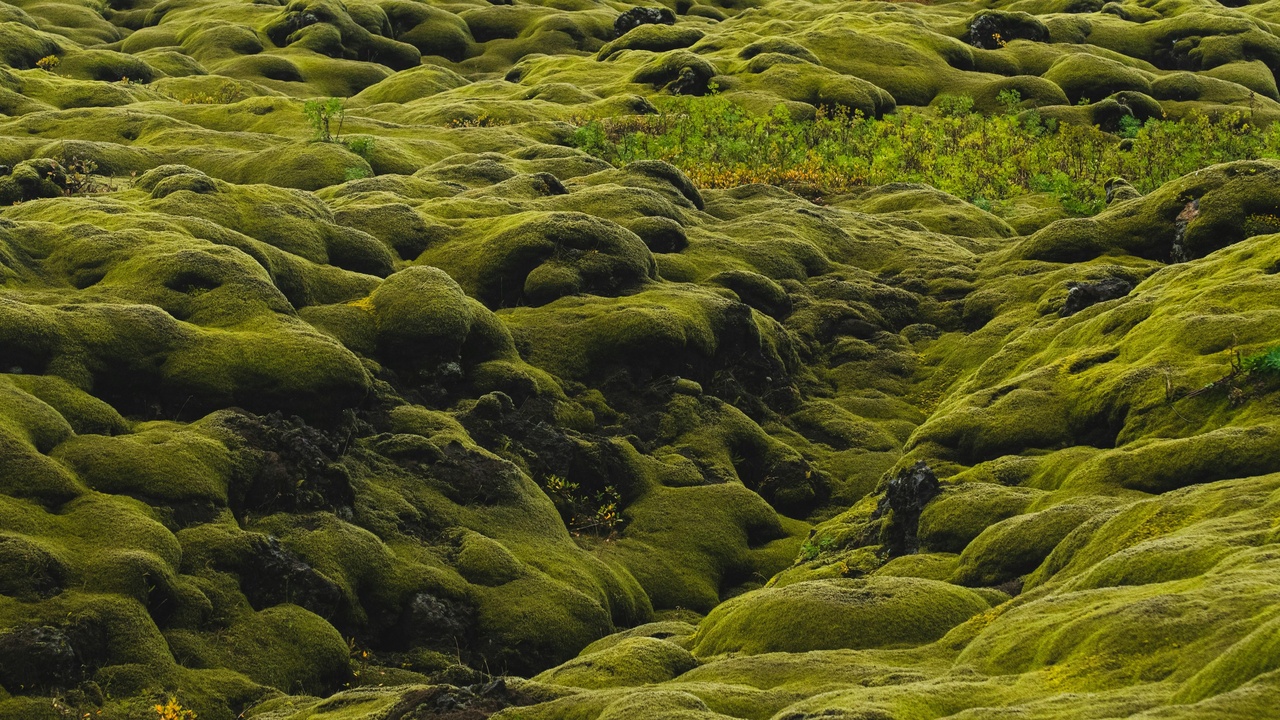
Non-vascular plants dominate vast tracts of Iceland and perform services out of proportion to their size: they regulate water, store carbon, and underpin tundra food webs. Intact peatlands and Sphagnum-dominated bogs cover roughly 20% of the country’s area, making them key to climate and hydrological resilience.
From edible and medicinal lichens to deep peat deposits that have accumulated over millennia, these organisms are ecosystem workhorses and cultural resources. Below are three illustrative species groups and uses.
4. Iceland moss (Cetraria islandica) — traditional food and medicine
Cetraria islandica is a lichen that entered medieval and early-modern Icelandic diets as a flour extender and emergency food and appears in folk pharmacopeias as a cough remedy. Usage is documented in accounts from the 17th–19th centuries.
Processing traditionally involved boiling and washing to remove bitter compounds before mixing with grain or using as a syrup for sore throats. Today, Iceland moss still appears in herbal shops and is the subject of university studies exploring its mild bioactive compounds.
Because it grows on heath and bog margins, small-scale, sustainable harvests combined with interpretive demonstrations make it a candidate for cultural tourism and heritage-plant programming.
5. Sphagnum peat mosses — carbon stores and water regulators
Sphagnum-dominated peatlands sequester carbon and buffer water flows across the landscape. Peatlands cover roughly 20% of Iceland, and intact bogs commonly have peat depths that exceed 1–2 meters, representing centuries to millennia of accumulation.
Typical peat accumulation rates in cool climates are on the order of 0.5–1 mm per year (a general figure to verify for specific sites), so deep peat reflects long-term carbon storage. Drainage or intensive grazing can turn these sinks into sources.
Municipal and NGO-led restoration projects now re-wet drained bogs, block drains, and re-establish Sphagnum to restore hydrology and carbon function. Protecting peat is a tangible climate and land-use priority in Iceland.
6. Reindeer lichens and Cladonia spp. — forage, indicator species, and dye sources
Fruticose and cup lichens of the genus Cladonia are conspicuous across heath and tundra. They indicate low-nutrient soils and, where reindeer graze or are managed, represent a valuable winter forage resource.
Historically, some Cladonia species were used in dyeing and local crafts because of their distinctive textures and pigments. Today, artisans in rural communities sometimes use lichen extracts for natural dyes and decorative work.
Monitoring lichen cover helps managers set sustainable grazing levels and identify areas of trampling or overuse before habitat degradation becomes severe.
Endemics, culturally important species, and conservation priorities
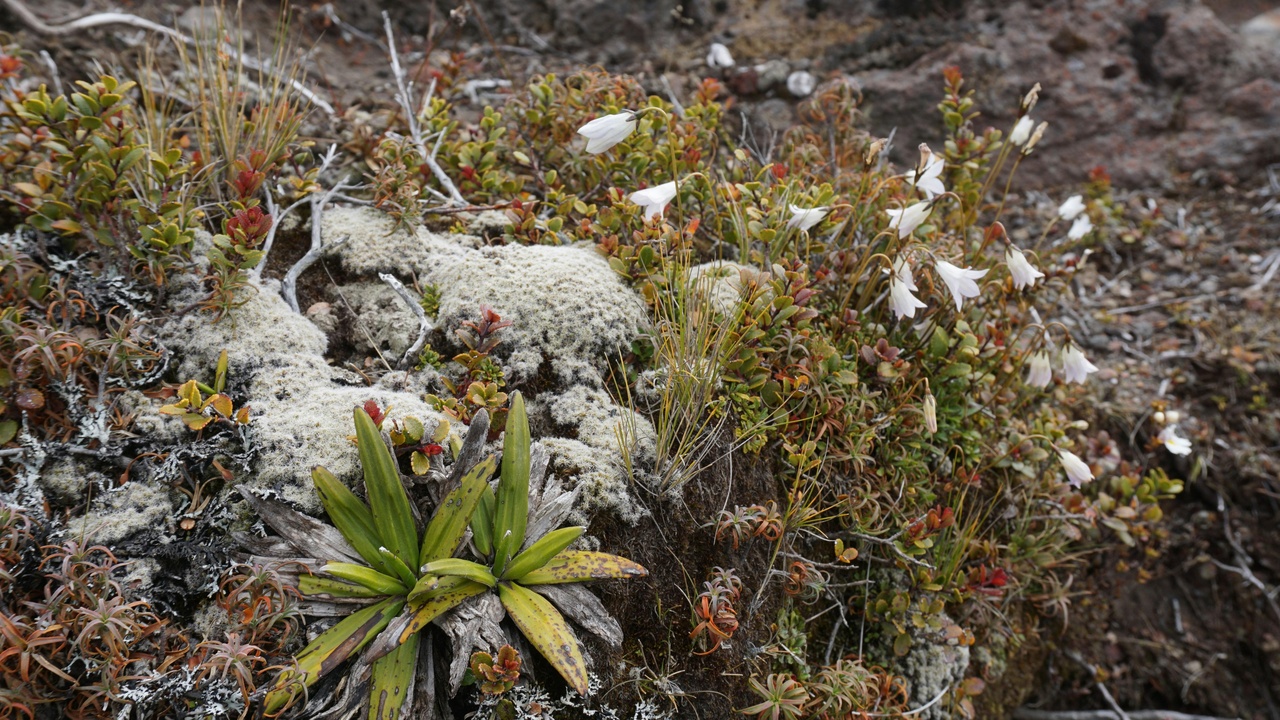
With roughly 500 native vascular plants but only about 10 recognized endemics, Iceland’s few uniquely evolving species carry heightened conservation weight. Cultural plants also link people to the land, so protecting them blends biodiversity and heritage goals.
Threats include accelerated erosion on fragile soils, overgrazing in vulnerable areas, and the shifting patterns of temperature and precipitation that accompany climate change. Targeted restoration on eroded coasts and uplands can yield high ecological returns.
7. Arctic poppy (Papaver radicatum) — solar-tracking flowers adapted to short summers
The arctic poppy has cup-shaped flowers that tilt toward the sun, a behavior known as heliotropism that warms reproductive tissues and boosts pollination success during fleeting warm periods. Blooms typically appear June–August in coastal and alpine habitats.
Field guides and botanical displays across Iceland often highlight Papaver radicatum to teach about plant thermoregulation; in rock gardens and native-plant beds it’s prized for its bright flowers and ecological story. Observations in coastal and alpine sites routinely note several degrees of temperature gain inside sun-facing flower cups.
As both a visitor favorite and an ecological example, the arctic poppy helps connect people with high-latitude plant strategies.
8. Angelica (Angelica archangelica) — cultural uses and flavoring traditions
Angelica, known locally as kvan, is woven through Icelandic culinary and medicinal traditions. Stems and seeds have been used to flavor spirits and foods, and household accounts and ethnobotanical surveys record its use for digestive remedies.
Today, artisanal food producers and cultural festivals sometimes showcase angelica in specialty liqueurs, preserves, and demonstrations of traditional processing. Cultivating heritage varieties in community or museum gardens reduces pressure on wild stands and keeps traditions alive.
Wild-harvest guidance and small-scale cultivation both play roles in balancing cultural practice with conservation of local populations.
Summary
- Surtsey’s 1963–1967 colonization provided a living experiment in how plants establish on fresh lava, showing survival strategies used across Icelandic habitats.
- Non-vascular plants and peatlands (covering roughly 20% of the country) are critical ecosystem engineers for water regulation and long-term carbon storage.
- With about 500 native vascular species but only ~10 endemics, targeted conservation and restoration yield large benefits for biodiversity and cultural heritage.
- Culturally important species — from angelica to Iceland moss — illustrate how food, medicine, and craft link people to local botanical species and motivate stewardship.
- Learn more and act locally: visit native-plant displays, support peatland and erosion-restoration projects, and harvest gently or cultivate heritage plants when possible to protect the flora of Iceland.