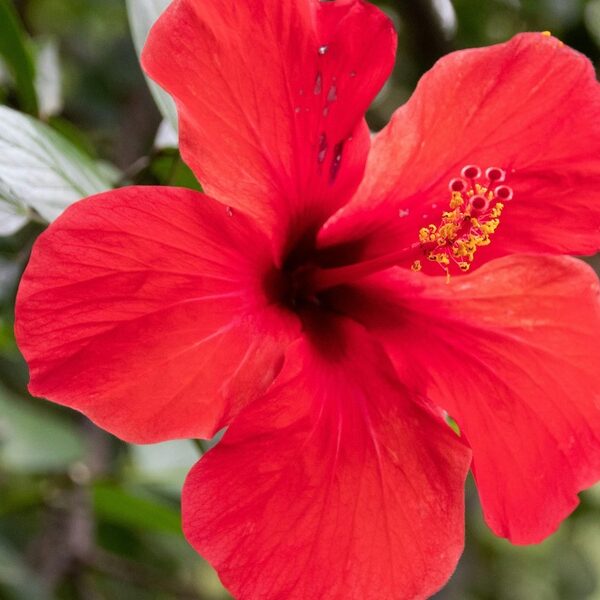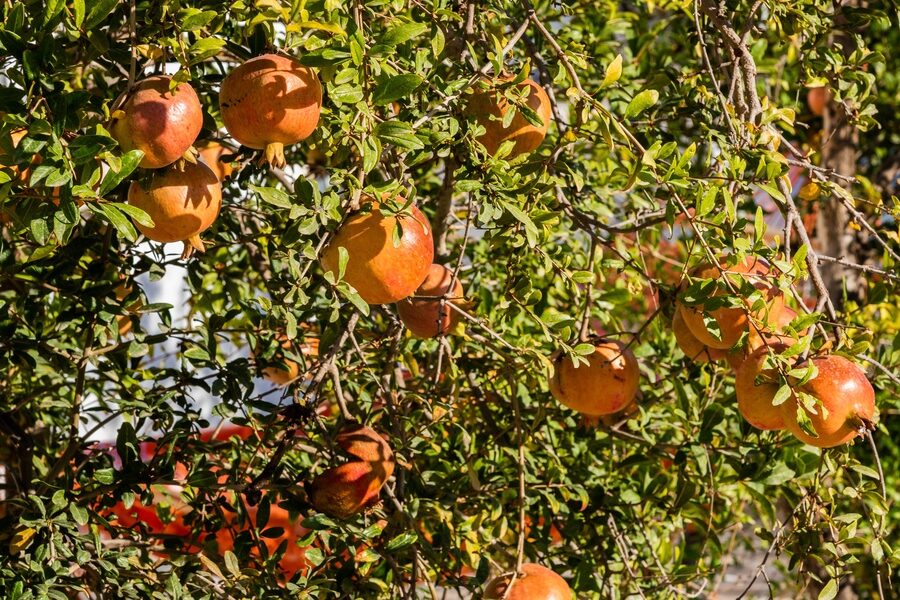
Dominica’s forests and village markets are full of surprising flavors — from roadside vendors selling ripe snacks to farmers tending small orchards, the island’s fruit life reflects its volcanic soils and varied microclimates. Walking through a market or hiking a ridge is the easiest way to see how many different fruits support local diets and traditions.
There are 48 Fruits of Dominica, ranging from Ackee to Watermelon. For each entry you’ll find below the Scientific name, Season, Where found so you can spot what’s ripe when and where to look on the island — everything is organized to help you plan visits or simply learn more about local produce, and you’ll find below.
How can I use this list to plan what to eat or buy during a trip to Dominica?
Use the Season column to target trips or market visits (many fruits have short peak windows), check Where found for likely regions or village markets, and note the Scientific name if you want to ask locals or guides for the exact tree or plant — that combination makes it practical to time and locate fresh fruit.
Are these fruits native to Dominica or introduced from elsewhere?
The list includes both native and introduced species; the Scientific name and Where found entries indicate habitat and common locations, but for exact endemic status consult local botanical guides or conservation groups if you need strict native-versus-introduced distinctions.
Fruits of Dominica
| Common name | Scientific name | Season | Where found |
|---|---|---|---|
| Banana (banann) | Musa spp. | year-round | Home gardens, markets, lowland farms |
| Plantain (plantin) | Musa × paradisiaca | year-round | Roadside stalls, farms, markets |
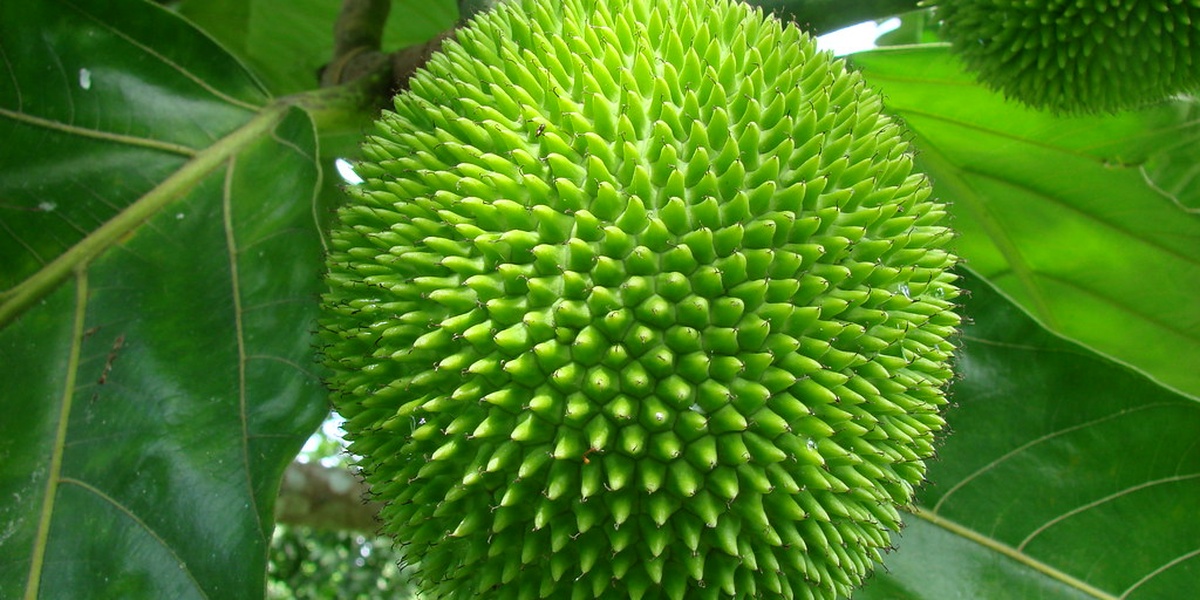
| Breadfruit | Artocarpus altilis | Jun–Oct | Upland and coastal villages, backyards |
| Mango (mango) | Mangifera indica | May–Aug | Seasonal markets, home gardens, lowland trees |
| Coconut | Cocos nucifera | year-round | Beaches, coastal groves, home yards |
| Papaya (pawpaw) | Carica papaya | year-round | Home gardens, markets, clearings |
| Soursop (guanábana) | Annona muricata | Jul–Nov | Upland forests, gardens, markets |
| Sugar apple (sweetsop) | Annona squamosa | Aug–Nov | Gardens, hedgerows, markets |
| Custard apple (bullock’s heart) | Annona reticulata | Aug–Nov | Home gardens, forests |
| Guava | Psidium guajava | year-round | Roadsides, gardens, markets |
| Pineapple | Ananas comosus | year-round | Small farms, gardens, roadside stands |
| Star apple (caimito) | Chrysophyllum cainito | Jul–Oct | Home gardens, lowland areas |
| Sapodilla (naseberry) | Manilkara zapota | Nov–Feb | Lowland forests, gardens |
| Surinam cherry (pitanga) | Eugenia uniflora | Aug–Nov | Hedges, secondary forest, markets |
| Ambarella (June plum) | Spondias dulcis | Jul–Sep | Home gardens, roadside trees |
| Hog plum (yellow mombin) | Spondias mombin | Jun–Aug | Secondary forest, farms |
| Cashew apple | Anacardium occidentale | Feb–May | Coastal farms, home gardens |
| Tamarind | Tamarindus indica | Mar–Jun | Roadside trees, home yards |
| Avocado | Persea americana | Jun–Oct | Home gardens, upland farms, markets |
| Passionfruit | Passiflora edulis | Apr–Aug | Vines in gardens, farms, trellises |
| Starfruit (carambola) | Averrhoa carambola | Jul–Oct | Home gardens, markets |
| Bilimbi | Averrhoa bilimbi | year-round | Home gardens, moist valleys |
| Jackfruit | Artocarpus heterophyllus | Jun–Sep | Home gardens, cleared forest edges |
| Ackee | Blighia sapida | Aug–Nov | Home gardens, markets |
| Breadnut | Artocarpus camansi | Jun–Oct | Backyards, farms, inland areas |
| Mountain apple (Malay apple) | Syzygium malaccense | Aug–Oct | High-rainfall areas, gardens |
| Guavaberry | Myrciaria floribunda | Dec–Feb | Highland scrub, wetlands, coastal bushes |
| Sea grape | Coccoloba uvifera | Jul–Sep | Coastal beaches, dunes |
| Watermelon | Citrullus lanatus | May–Sep | Fields, roadside stands, markets |
| Cantaloupe (muskmelon) | Cucumis melo | May–Sep | Home gardens, small farms |
| Loquat | Eriobotrya japonica | Apr–May | Home gardens, upland yards |
| Tamarillo (tree tomato) | Solanum betaceum | Oct–Feb | Upland gardens, cooler slopes |
| Prickly pear | Opuntia ficus-indica | May–Aug | Dry coastal patches, walls |
| Fig | Ficus carica | Aug–Oct | Home gardens, dry slopes, yards |
| Grapefruit | Citrus × paradisi | Dec–Apr | Citrus orchards, home gardens |
| Orange | Citrus sinensis | Dec–Apr | Markets, home gardens, orchards |
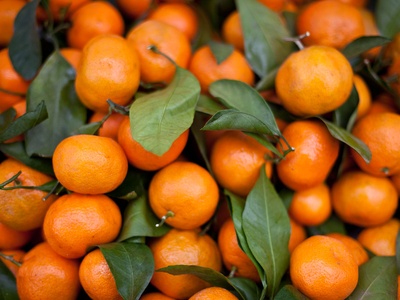
| Tangerine | Citrus reticulata | Nov–Feb | Home gardens, markets |
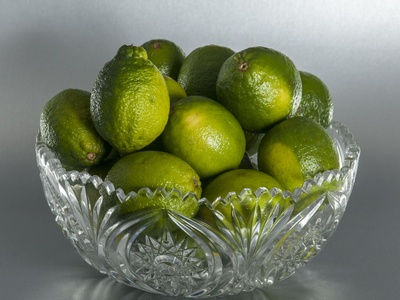
| Lime | Citrus aurantiifolia | year-round | Markets, gardens, coastal areas |
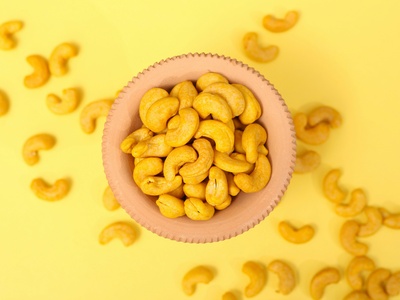
| Cashew nut (fruit) | Anacardium occidentale | Feb–May | Coastal orchards, home gardens |
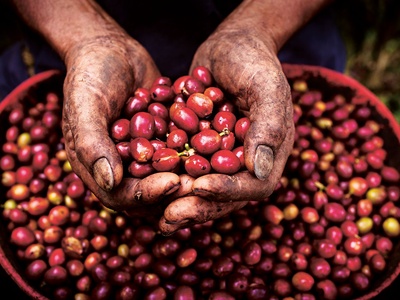
| Coffee cherry | Coffea arabica | Dec–Mar | Highland farms, plantations |
| Cocoa (cacao) | Theobroma cacao | Oct–Feb | Shade farms, upland plantations |
| Surinam guava (strawberry guava) | Psidium cattleianum | Aug–Nov | Forests, hedges, disturbed areas |
| Mamey sapote | Pouteria sapota | Jun–Sep | Home gardens, lower slopes |
| Naseberry (sapote) | Manilkara zapota | Nov–Feb | Lowland gardens, roadsides |
| Jackfruit (young pods used) | Artocarpus heterophyllus | Jun–Sep | Backyards, farms |
| Blackberry relatives (raspberry/blackberry) | Rubus spp. | Jun–Aug | Upland edges, disturbed soils |
| Barbados cherry (acerola) | Malpighia emarginata | Jun–Aug | Home gardens, farms |
| Breadnut (seed use) | Artocarpus camansi | Jun–Oct | See breadnut |
Images and Descriptions

Banana (banann)
Sweet, soft fruit with creamy texture; eaten raw, in desserts or cooked. Multiple cultivars present; staple food and snack, often harvested green for chips or fried plantain-style uses.
Plantain (plantin)
Starchy, firm banana relative used as a vegetable; boiled, fried, or roasted. Essential in Dominican cuisine for chips, mofongo-style dishes and stews; available green to ripe.
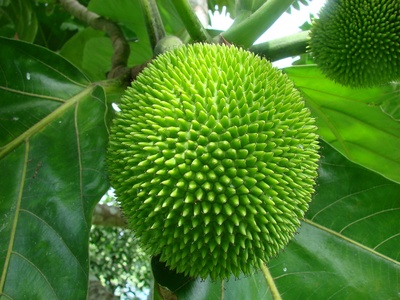
Breadfruit
Large starchy fruit with potato-like texture when cooked; roasted, boiled, fried or made into flour. Central to local diets and traditional farming; many trees near villages and farms.
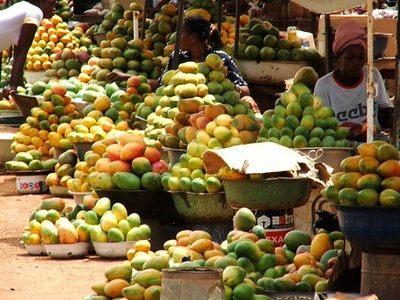
Mango (mango)
Juicy, sweet tropical stone fruit with many cultivars. Eaten fresh, in chutneys, pickles, juices and desserts. Peak season mid-year with strong local varieties treasured for flavor.
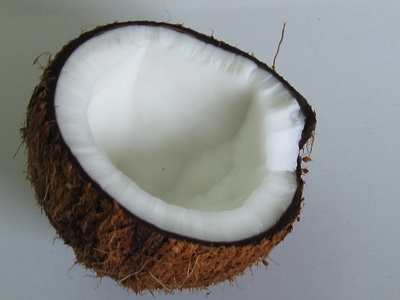
Coconut
Hard-shelled drupe with refreshing water and sweet flesh. Used for drinking, cooking oil, milk and crafts; ubiquitous on coastlines and in traditional cooking.
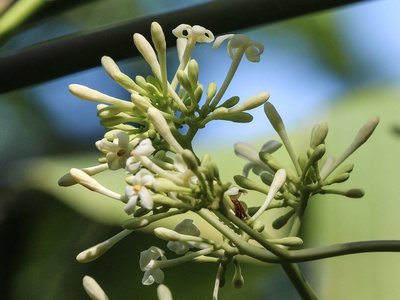
Papaya (pawpaw)
Soft, orange flesh with sweet flavor when ripe; green fruit used as vegetable or for tenderizing meat. Popular fresh, in salads, smoothies and roadside sales.
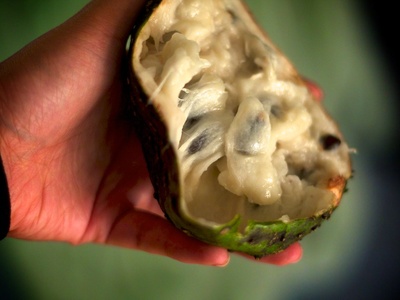
Soursop (guanábana)
Large spiky green fruit with creamy, tangy-sweet pulp used in juices, ice creams and traditional remedies. Trees found in moist forests and home gardens.
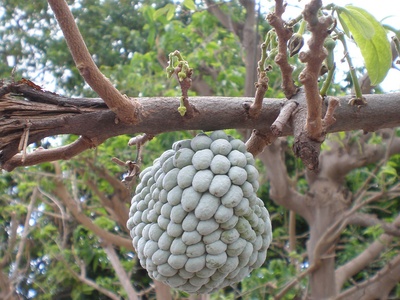
Sugar apple (sweetsop)
Round, segmented fruit with sweet, grainy white pulp. Eaten fresh or in desserts; seeds are inedible. Common in home gardens and smaller plots.
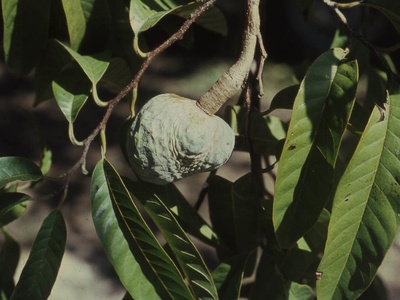
Custard apple (bullock’s heart)
Heart-shaped, soft-fleshed fruit with sweet, mildly tangy flavor. Eaten fresh; less common than sugar apple but cultivated in gardens.
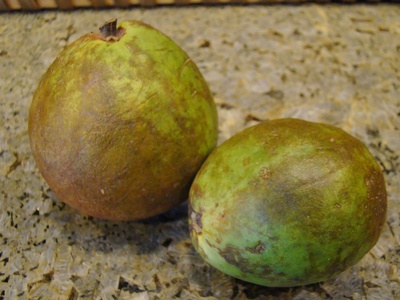
Guava
Fragrant, seedy fruit ranging from tart to sweet. Eaten fresh, made into jams, jellies, juices and local pastries; very common in yards and wild edges.
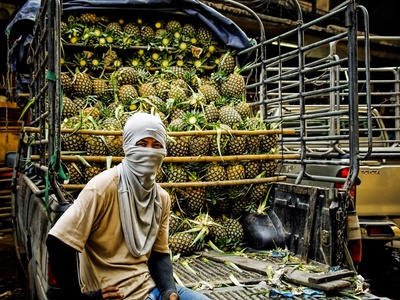
Pineapple
Tropical bromeliad with sweet, tangy flesh. Grown in small plots for fresh eating, preserves, and local markets; prized for sweetness and aroma.
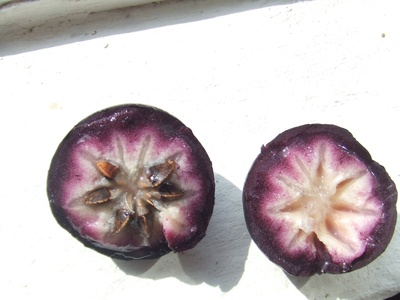
Star apple (caimito)
Round purple or green fruit with milky, sweet pulp and jelly-like texture. Eaten fresh; tree is ornamental and valued for fruit.
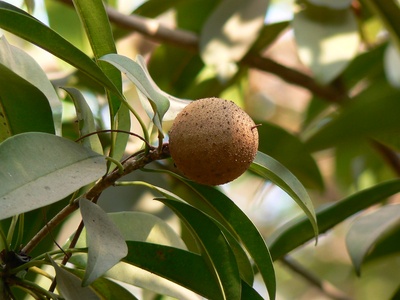
Sapodilla (naseberry)
Brown, pear-shaped fruit with grainy sweet brown flesh resembling caramel. Eaten fresh; trees are long-lived and common in home gardens.
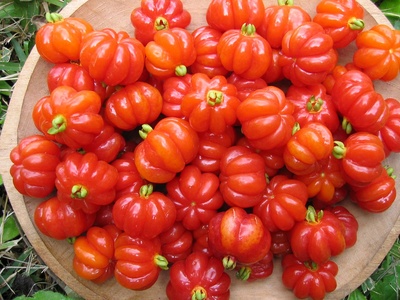
Surinam cherry (pitanga)
Ribbed red fruit, sweet-tart flavor, aromatic. Eaten fresh, made into jams or fermented drinks; often found as hedgerow or wild shrub.
Ambarella (June plum)
Firm, tangy golden fruit eaten raw with salt or cooked into chutneys and preserves. Popular seasonal snack and versatile in drinks and sauces.
Hog plum (yellow mombin)
Small tart yellow fruit used fresh, in juices or preserves; birds spread trees through forests; often found in wild or semi-wild areas.
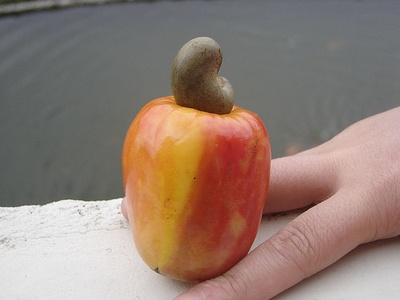
Cashew apple
Bright, pear-shaped swollen pedicel with sweet-tart flesh and attached nut. Eaten fresh, fermented into drinks, or processed; nut must be roasted and handled carefully.
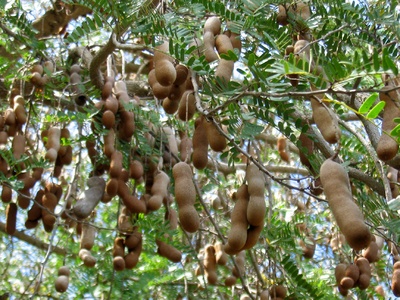
Tamarind
Brown pod with tangy-sour pulp used in beverages, sauces and chutneys. Trees common in village areas and valued for shade and fruit.
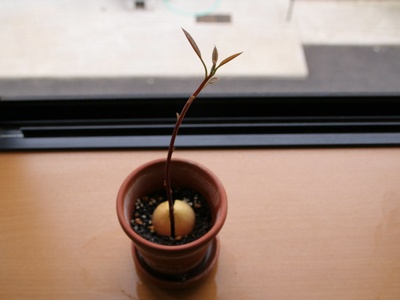
Avocado
Creamy, rich-textured berry eaten fresh, in salads, sandwiches and sauces. Several varieties present; season varies by trees, often mid-year.
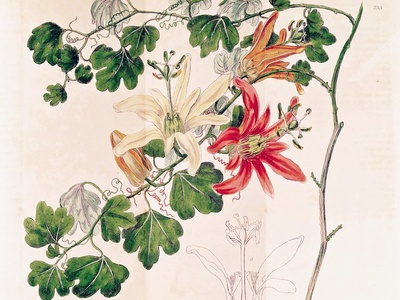
Passionfruit
Round to oval purple or yellow fruit with aromatic tart-sweet pulp and crunchy seeds. Used fresh, in juices, desserts and sauces; grows on treated trellises.
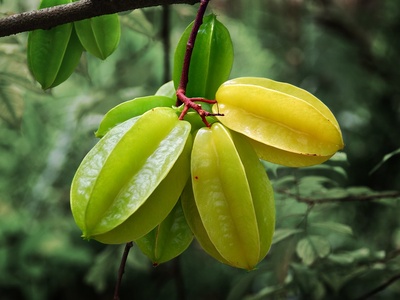
Starfruit (carambola)
Five-sided yellow fruit with crisp texture and sweet-tart flavor. Eaten fresh, in salads, or cooked; trees common in yards and small farms.
Bilimbi
Very sour, cucumber-like fruit used as a souring agent in cooking, in sauces and preserves. Often used like tamarind for flavoring.
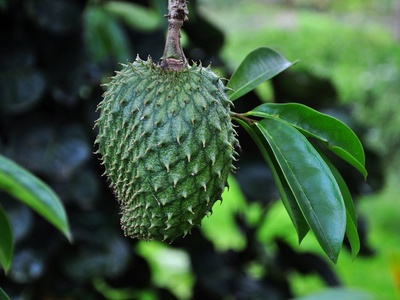
Jackfruit
Huge, fibrous fruit with sweet flesh around large seeds. Ripe flesh eaten fresh or in desserts; young pods cooked as vegetable; trees planted in yards.
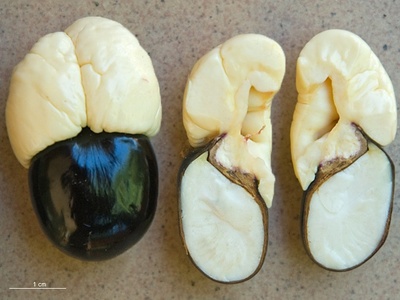
Ackee
Distinctive red pods open to reveal yellow arils and black seeds; arils are edible only when properly prepared. Popular dish in Caribbean cuisine, eaten with saltfish; requires careful preparation.
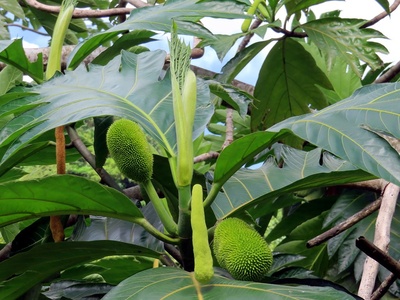
Breadnut
Close relative of breadfruit; seeds are boiled or roasted and eaten like chestnuts. Fruit also edible when cooked; trees occur in home gardens.
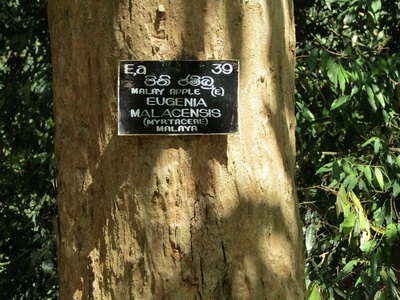
Mountain apple (Malay apple)
Thin-skinned, bell-shaped fruit with juicy, mildly sweet flesh and floral aroma. Eaten fresh or pickled; trees common in moist gardens.
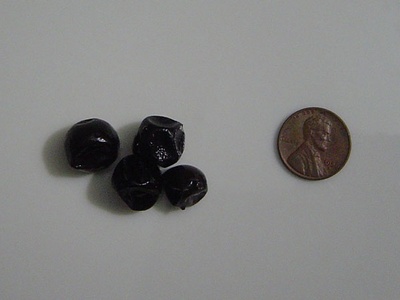
Guavaberry
Small, tart berry central to Dominica’s guavaberry liqueur and festive traditions. Eaten raw, made into jams and the celebrated seasonal spirit.
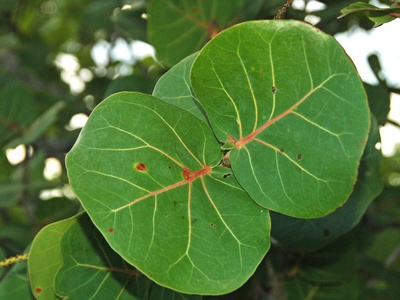
Sea grape
Clusters of round purple fruits with sweet-tart pulp used for jams and preserves. Tolerant of salt spray; classic coastal shrub of shorelines.
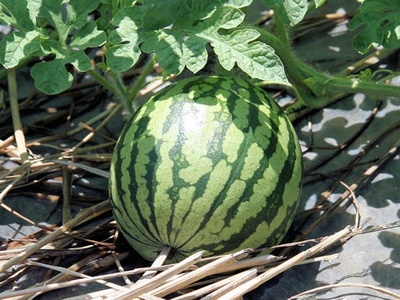
Watermelon
Large melons with sweet, refreshing pink flesh. Grown for local consumption and markets during warmer months; popular cooling fruit.
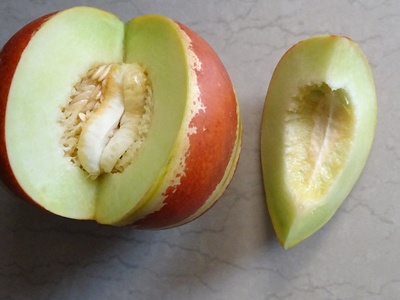
Cantaloupe (muskmelon)
Fragrant orange-fleshed melon eaten fresh or in fruit salads; grown in small plots and sold at markets seasonally.
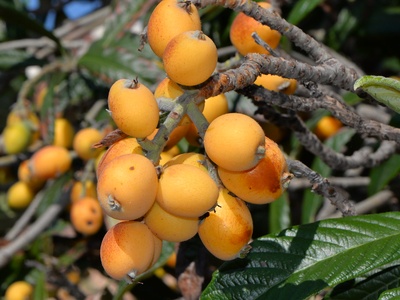
Loquat
Small, sweet-tart yellow-orange fruit with several seeds. Eaten fresh or made into jams; commonly planted near homes.
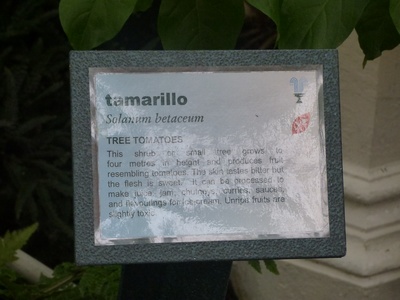
Tamarillo (tree tomato)
Egg-shaped fruit with tangy-sweet pulp used in sauces, chutneys and drinks; prefers higher, cooler elevations and home cultivation.
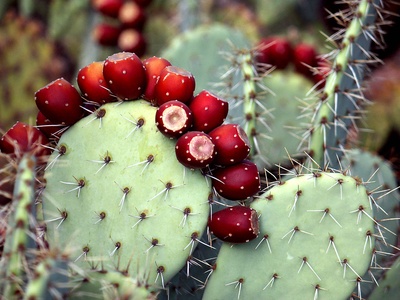
Prickly pear
Cactus fruit (tunas) with sweet, seedy flesh; eaten fresh or in jellies. Grows in dry coastal habitats and rocky ground.
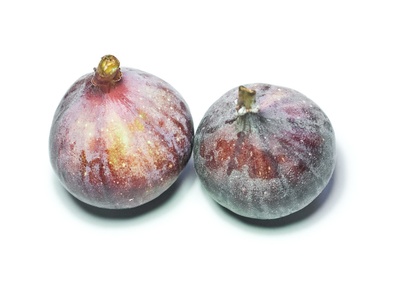
Fig
Sweet, soft fruit with seedy interior eaten fresh or dried. Trees are occasionally cultivated in gardens for fruit and shade.
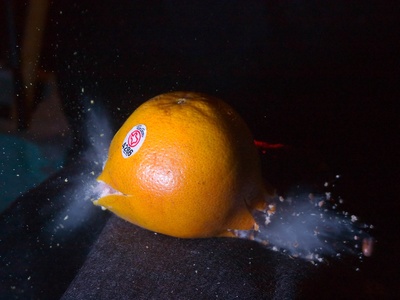
Grapefruit
Large citrus with bittersweet, tangy flesh used fresh and in juices. Common in home orchards and small-scale production.
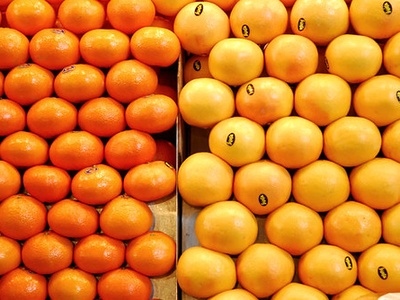
Orange
Sweet citrus eaten fresh or juiced. Several local and introduced varieties grown in gardens and sold at markets.
Tangerine
Small sweet citrus with easy-to-peel skin. Popular snack fruit in season; trees common around homes.
Lime
Small, tart citrus used for seasoning, drinks, marinades and preserves. Widely available year-round.
Cashew nut (fruit)
Cashew produces a fleshy apple and a nut; the bright apple is eaten fresh or fermented, while the nut is roasted for the kernel.
Coffee cherry
Red cherries enclose coffee beans; pulp is sweet and sometimes eaten locally though primarily cultivated for beans and beverage production in upland areas.
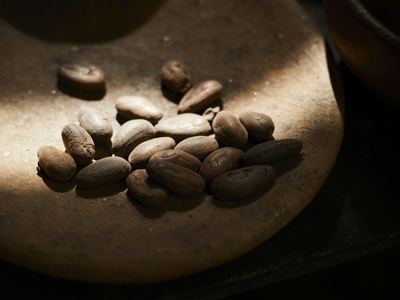
Cocoa (cacao)
Oblong pods contain sweet mucilaginous pulp and beans used to make chocolate. Pods are opened, pulp sometimes eaten fresh; cultivation common in mixed agroforestry.
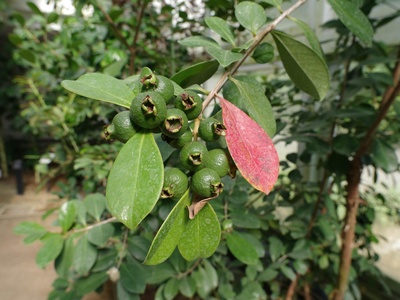
Surinam guava (strawberry guava)
Small sweet-tart guava with aromatic flesh. Often invasive in some areas but locally used for jams and flavoring.
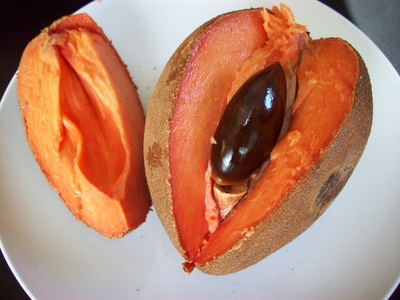
Mamey sapote
Large russet fruit with salmon-orange sweet flesh and pumpkin-like texture. Eaten fresh or in milkshakes; trees found in private gardens.
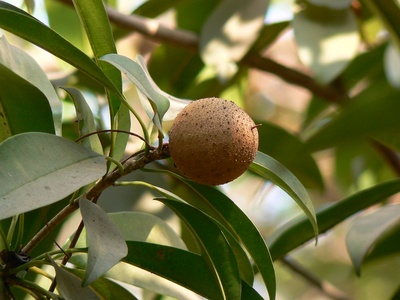
Naseberry (sapote)
See sapodilla entry; common name used interchangeably in region. Brown-skinned fruit with sweet, caramel-like flavor eaten fresh.
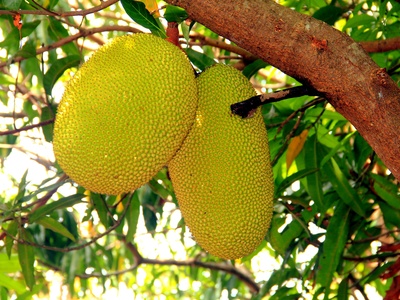
Jackfruit (young pods used)
See jackfruit entry; young unripe pods are cooked as a vegetable substitute, ripe flesh sweet and aromatic, used fresh and in desserts.
Blackberry relatives (raspberry/blackberry)
Small berries foraged or cultivated in higher, cooler spots. Eaten fresh, in jams or desserts; species present in upland disturbed habitats.
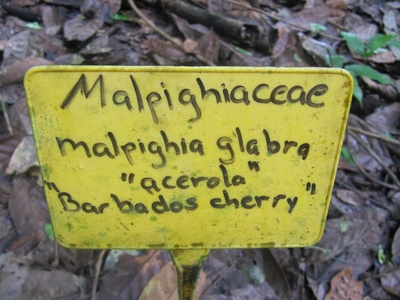
Barbados cherry (acerola)
Small, very tart red cherry extremely high in vitamin C. Eaten fresh, in juices and preserves; shrubs found in gardens.
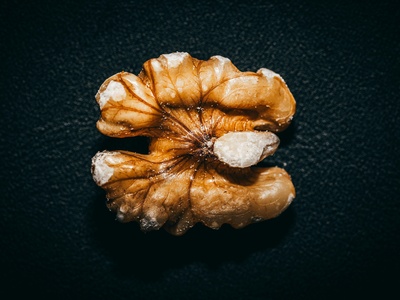
Breadnut (seed use)
Seeds roasted or boiled, taste like chestnuts; important traditional food source and often part of seasonal harvests.