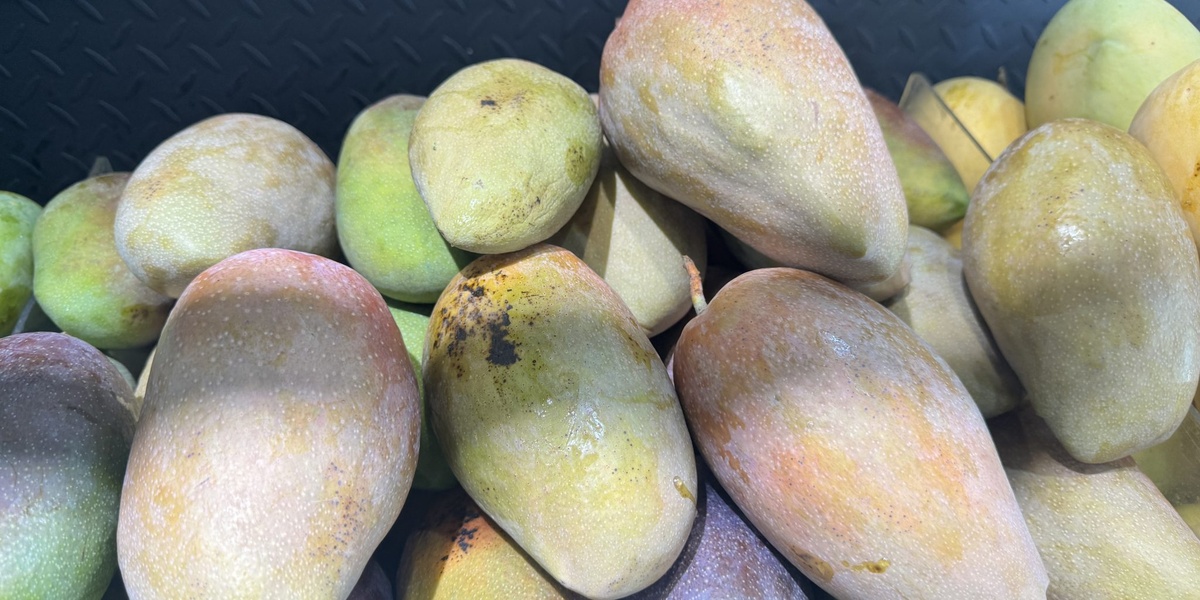
Guyana’s coastlands, rivers and rainforests support a wide, practical variety of edible plants that locals sell at markets and grow in backyard gardens. Whether you’re visiting or studying tropical produce, knowing what to look for makes shopping and identification easier.
There are 35 Fruits of Guyana, ranging from Acerola (Barbados cherry) to Watermelon; for each fruit you’ll find below the Scientific name, Size (cm), Where found — information meant to help with ID, measuring and locating specimens you’ll find below.
How should I use the Scientific name, Size (cm), and Where found columns?
Use the Scientific name to avoid confusion from local names, compare the Size (cm) to the fruit in hand for quick ID, and check Where found to know if a fruit is wild, cultivated or region-specific — together they help confirm what you’ve found and where to look next.
When are these fruits typically in season in Guyana?
Seasons vary: many tree fruits produce peak crops in the rainy months while others fruit year-round in coastal gardens; check the Where found notes for local timing, and visit markets in rainy and post-rain periods for the widest selection.
Fruits of Guyana
| Name | Scientific name | Size (cm) | Where found |
|---|---|---|---|
| Mango | Mangifera indica | 8–15 cm | Backyards, roadside trees and markets across Guyana |
| Banana | Musa spp. | 15–25 cm | Plantations, small farms and markets nationwide |
| Plantain | Musa paradisiaca | 20–30 cm | Smallholdings, roadside stalls and markets |
| Coconut | Cocos nucifera | 15–30 cm | Coastal groves, villages and markets |
| Papaya | Carica papaya | 20–50 cm | Home gardens, roadside and urban markets |
| Pineapple | Ananas comosus | 12–25 cm | Small farms, roadside stands and coastal lowlands |
| Guava | Psidium guajava | 4–8 cm | Backyards, markets and roadside hedges |
| Soursop | Annona muricata | 15–30 cm | Home gardens and coastal lowlands |
| Sugar-apple (sweetsop) | Annona squamosa | 7–12 cm | Backyard trees and village markets |
| Custard apple (bullock’s heart) | Annona reticulata | 8–15 cm | Home gardens and local markets |
| Ambarella (June plum) | Spondias dulcis | 5–8 cm | Local markets, roadside vendors and home gardens |
| Hog plum | Spondias mombin | 3–5 cm | Forest edges, markets and rural hedgerows |
| Cashew apple | Anacardium occidentale | 6–10 cm | Small farms, roadside stalls and orchards |
| Ackee | Blighia sapida | 5–8 cm | Cultivated and wild in coastal areas |
| Passionfruit | Passiflora edulis | 4–8 cm | Vine trellises, gardens and markets |
| Starfruit (carambola) | Averrhoa carambola | 6–12 cm | Home gardens, markets and roadside trees |
| Tamarind | Tamarindus indica | 6–12 cm (pods) | Markets, home gardens and roadside trees |
| Lime | Citrus aurantiifolia | 3–6 cm | Markets, gardens and roadside sellers |
| Orange | Citrus sinensis | 6–10 cm | Orchards and markets |
| Grapefruit | Citrus paradisi | 10–15 cm | Markets and orchards in coastal areas |
| Breadfruit | Artocarpus altilis | 10–30 cm | Home gardens, riverine and coastal areas |
| Jackfruit | Artocarpus heterophyllus | 30–90 cm | Home gardens and farms in lowlands |
| Watermelon | Citrullus lanatus | 20–50 cm | Small farms, markets and roadside stalls |
| Cantaloupe (melon) | Cucumis melo | 12–18 cm | Small farms and markets |
| Avocado | Persea americana | 8–20 cm | Home gardens, markets and coastal farms |
| Sapodilla (chikoo) | Manilkara zapota | 4–8 cm | Backyards and markets in lowland towns |
| Acerola (Barbados cherry) | Malpighia emarginata | 2–3 cm | Home gardens and roadside stalls |
| Spanish lime (mamoncillo/genip) | Melicoccus bijugatus | 2–3 cm | Backyard trees and street vendors |
| Bilimbi | Averrhoa bilimbi | 4–8 cm | Home gardens and local markets |
| Breadnut | Artocarpus camansi | 10–20 cm | Orchards and home gardens in lowlands |
| Noni | Morinda citrifolia | 4–8 cm | Coastal scrub and home gardens |
| Rose apple | Syzygium jambos | 3–5 cm | Backyard trees and village markets |
| Pomelo | Citrus maxima | 10–25 cm | Orchards and markets |
| Tamarillo (tree tomato) | Solanum betaceum | 4–8 cm | Home gardens and local markets |
| Guabana variant (soursop relatives) | Annona species (various) | 8–20 cm | Home gardens and local markets |
Images and Descriptions
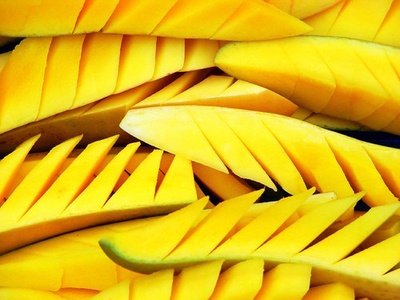
Mango
Juicy tropical fruit with sweet to tangy flesh, eaten fresh, in chutneys or drinks. Peak season in late spring to summer; many local varieties. Originated in Asia but long cultivated locally; prized for rich aroma and versatile uses.
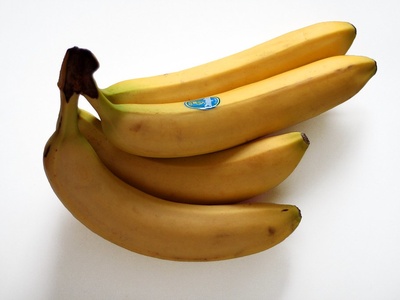
Banana
Soft, sweet fruit eaten raw, fried, or in desserts and breakfasts. Available year-round from smallholders and markets. Multiple dessert varieties grown locally; staple food with broad culinary uses and easy availability.
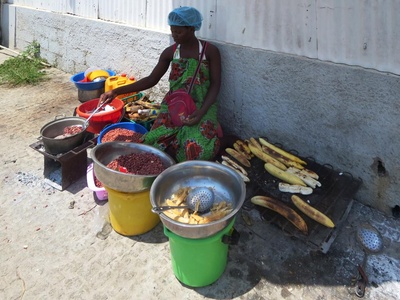
Plantain
Starchy cooking banana used green or ripe for frying, boiling or baking. Widely grown and eaten across Guyana year-round. Heavier, firmer texture than dessert banana and a key carbohydrate in many savory dishes.
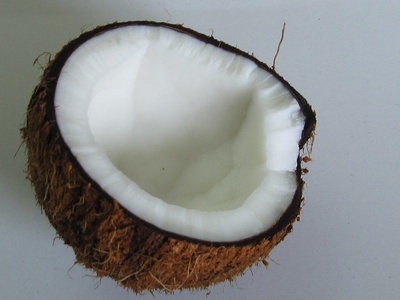
Coconut
Versatile tropical fruit: water, flesh and milk used for drinking, cooking and oil. Available year-round along coast and riverine settlements. Trees mark shorelines; essential in Creole cooking and for household uses.
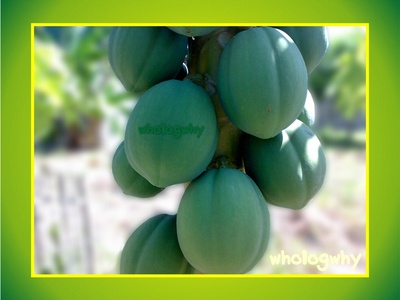
Papaya
Sweet, musky fruit ripe orange-pink inside, eaten fresh, in smoothies or salads; green fruit used for stews and tenderizing meat. Fast-growing tree bearing year-round in warm, lowland areas.
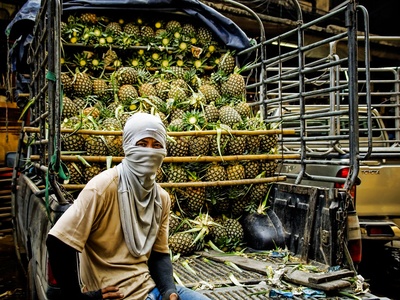
Pineapple
Tart-sweet, fibrous core eaten fresh, juiced or grilled. Harvests throughout the year with local peaks; common in backyard plots and small commercial patches. Vibrant flavor used in desserts and savory sauces.
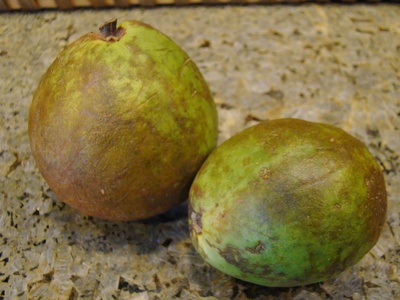
Guava
Fragrant, sweet-tart flesh eaten fresh, in jams, juices and sauces. Available most of the year with seasonal peaks; hardy tree common in villages. Seeds crunchy; varieties vary in color and sweetness.
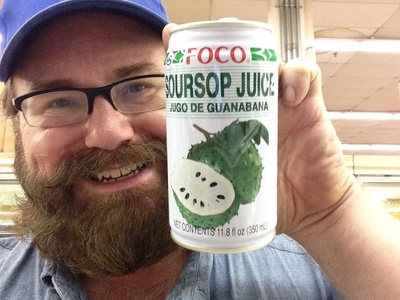
Soursop
Large, custardy, sweet-tart fruit used for fresh eating, smoothies and ice creams. Seasonal in warmer months; aromatic pulp with tropical flavor. Native to the Americas and widely cultivated in Guyana.
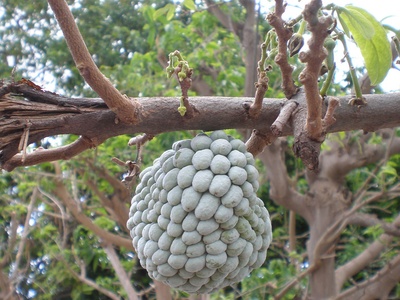
Sugar-apple (sweetsop)
Segmented, creamy-sweet flesh eaten out of hand or in desserts. Small trees fruit in warm seasons; delicate texture and sweet floral aroma. Seeds are inedible.
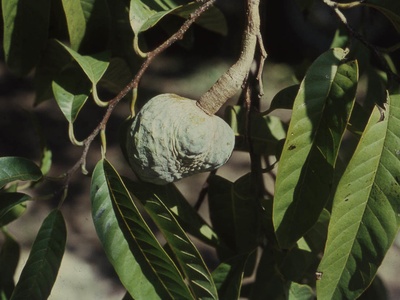
Custard apple (bullock’s heart)
Soft, sweet pulp with perfumed flavor eaten fresh or in desserts. Trees fruit seasonally; less fibrous than some relatives. Popular backyard fruit with a creamy texture and tropical sweetness.

Ambarella (June plum)
Fibrous, tart-to-sweet fruit eaten raw with salt, made into chutneys, juices and preserves. Peak season mid-year; introduced but widely naturalized, popular as a snack and in drinks.
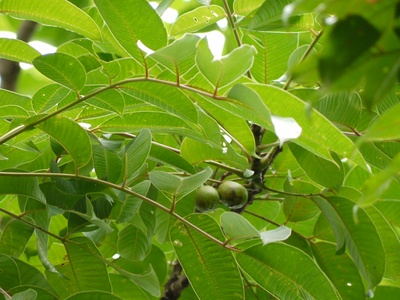
Hog plum
Small, tart fruit used in preserves, sauces and traditional drinks. Native tree found near villages and rivers; sharp flavor when ripe, often cooked or sweetened.
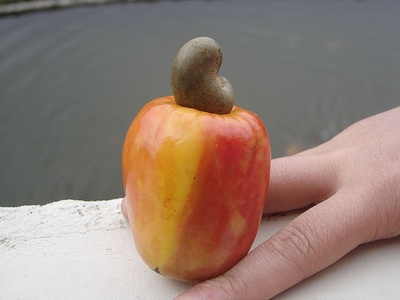
Cashew apple
Juicy, astringent sweet flesh attached to cashew nut; eaten fresh, fermented into drinks or made into jams. Cultivated for the nut but the colorful apple is popular locally during harvest.
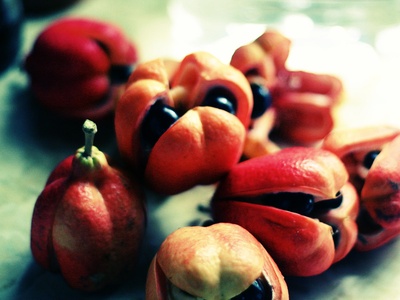
Ackee
Creamy, savory fruit used in cooked dishes (must be fully ripe to avoid toxicity). Popular in Caribbean-style recipes; seasonal and notable for the need to remove toxic seeds and unripe arils before eating.
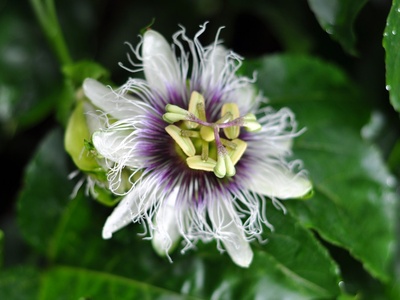
Passionfruit
Tart-sweet, seedy pulp used in juices, desserts and sauces. Vines fruit year-round with peaks; aromatic and intensely flavored, popular for beverages and flavoring.
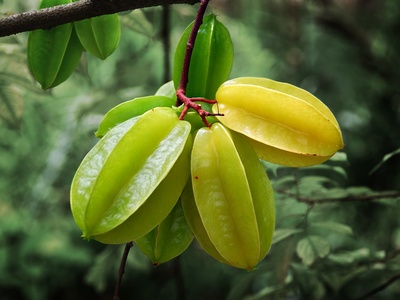
Starfruit (carambola)
Crisp, tart-sweet fruit sliced into star shapes for salads, drinks and chutneys. Fruiting year-round with seasonal peaks; ornamental tree common in yards and markets.
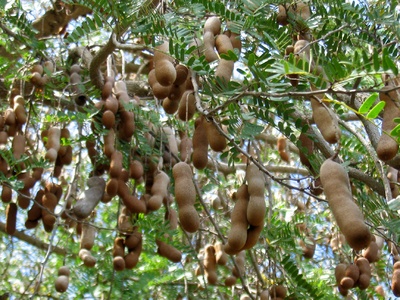
Tamarind
Sour-sweet pulp in pods used in sauces, drinks, marinades and snacks. Long-established, naturalized tree providing tangy flavor year-round; pods are commonly sold in markets.
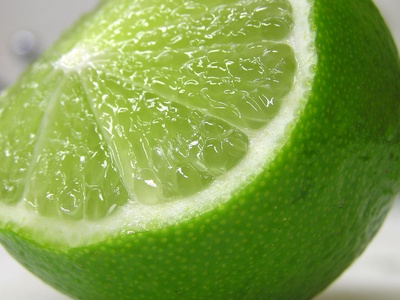
Lime
Small, very tart citrus used for flavoring, drinks and marinades. Widely cultivated and available year-round; essential in cooking and beverages for bright acidity.
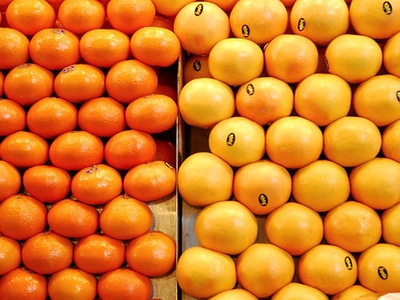
Orange
Sweet citrus eaten fresh or juiced; seasonally abundant with local and imported varieties. Grown in backyard orchards and sold in markets, used for juice and fruit salads.
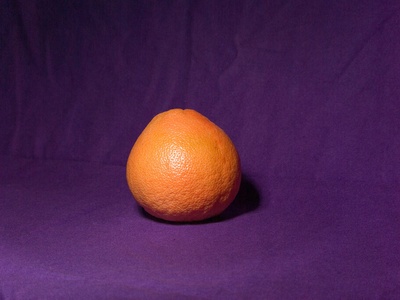
Grapefruit
Large, tangy citrus eaten fresh or juiced; seasonal with local growers. Bitter-sweet flesh commonly used for breakfast and in cocktails; trees in some home gardens.
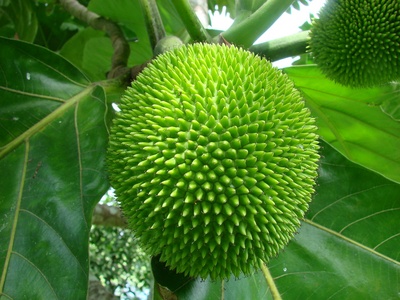
Breadfruit
Starchy, potato-like when cooked; roasted, fried or boiled as a staple. Trees fruit seasonally and are important in traditional cooking, producing large yields for families.
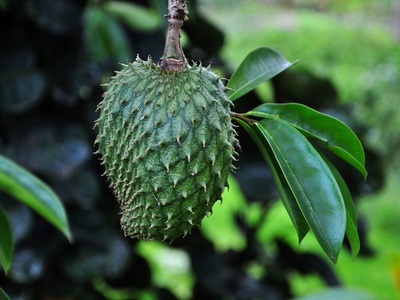
Jackfruit
Huge fruit with sweet, mango-banana flavored bulbs eaten fresh or used in desserts; unripe flesh cooked as vegetable. Heavy seasonal yields from large trees; notable for size and versatility.
Watermelon
Refreshing, sweet, high-water fruit eaten fresh; widely sold in markets during hot months. Grown in coastal and interior plots; popular summertime snack.
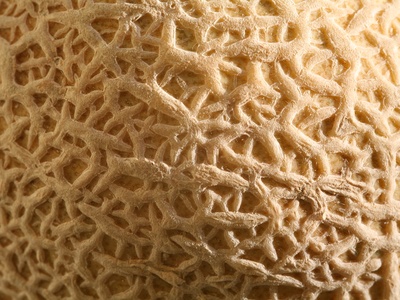
Cantaloupe (melon)
Sweet, fragrant orange-fleshed melon eaten fresh or in salads. Grown seasonally by smallholders; commonly available at markets during peak harvests.
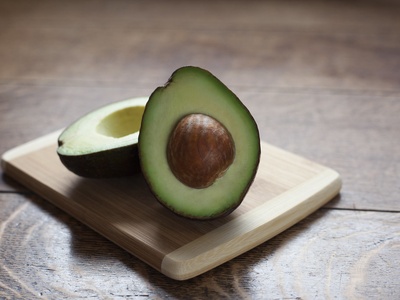
Avocado
Creamy, mild-flavored fruit used in salads, sandwiches and sauces. Many backyard trees produce seasonal crops; prized for healthy fats and versatility in cooking.
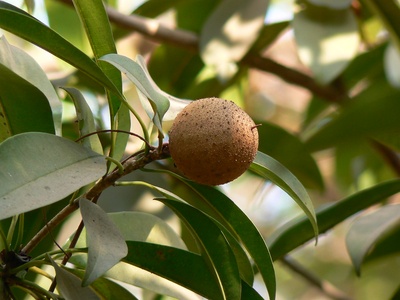
Sapodilla (chikoo)
Grainy, honey-like sweet flesh eaten fresh or in shakes. Slow-growing trees fruit seasonally; popular backyard tree with a warm, caramel flavor.
Acerola (Barbados cherry)
Tiny, intensely tart-sweet cherries high in vitamin C, used fresh, in juices and jams. Fruit ripens quickly; common in gardens and sold seasonally at markets.
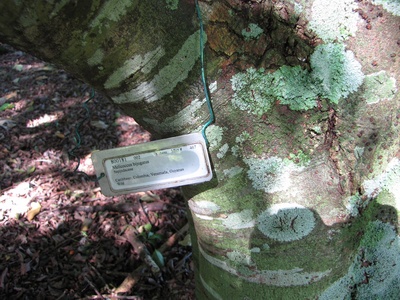
Spanish lime (mamoncillo/genip)
Green, tangy-sweet fruit with slippery flesh around a seed; eaten fresh as a snack. Trees common in yards and near streets; seasonal and popular with children.
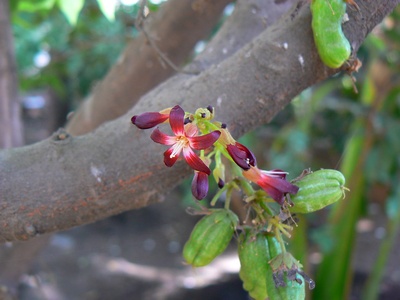
Bilimbi
Very sour fruit used for pickles, curries and as souring agent in cooking. Grown as a backyard tree; highly acidic and used sparingly to brighten dishes.
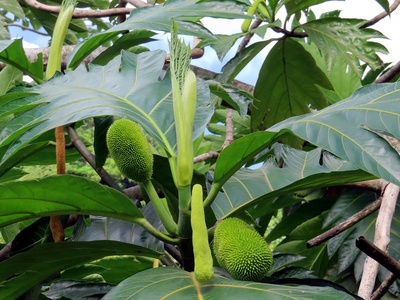
Breadnut
Related to breadfruit, producing starchy seeds and flesh cooked like nuts or vegetables. Cultivated in some coastal and riverine gardens; used in traditional recipes.
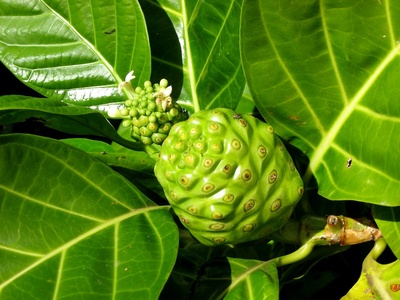
Noni
Pungent-smelling fruit used in traditional medicine and fermented drinks. Eaten sparingly; valued for folk health uses more than flavor. Commonly found near coastal settlements.
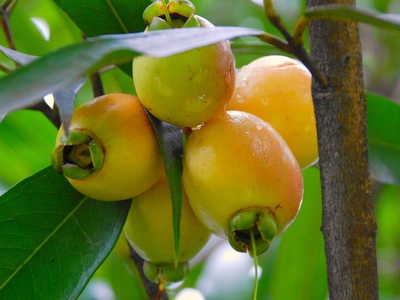
Rose apple
Crisp, mildly sweet fruit with rose-like aroma eaten fresh or made into preserves. Grown ornamental and fruit tree in yards; seasonal and pleasant raw snack.
Pomelo
Large citrus with thick rind and sweet to mildly tart segments, eaten fresh or juiced. Grown in some orchards and backyard groves; seasonal and less acidic than grapefruit.
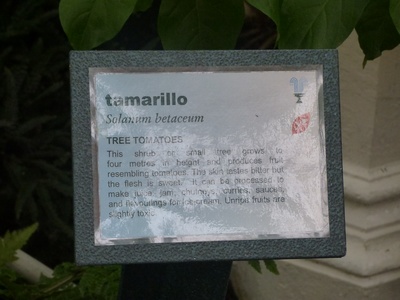
Tamarillo (tree tomato)
Tangy, tomato-like fruit used in sauces, chutneys and juices. Grown in cool-shaded spots and hobby gardens; aromatic and popular in small-scale cultivation.
Guabana variant (soursop relatives)
Several Annona relatives produce custardy, fragrant fruits used fresh or in desserts. Common backyard trees with seasonal crops; flavors range from sweet to tart across species.