Lebanon’s varied coastal-to-mountain climate and long food traditions mean fresh fruit plays a big role at markets and family tables year-round. From seaside citrus groves to mountain orchards, you’ll encounter both common and less familiar varieties that shape local recipes and seasonal eating.
There are 30 Fruits of Lebanon, ranging from Apple to Watermelon. For each entry you’ll find below the Scientific name, Arabic name, Peak season (months) to help identify varieties, check harvest timing, and match recipes — you’ll find below.
When are most of these fruits in season in Lebanon?
Seasons vary by elevation and variety, but the list’s “Peak season (months)” column gives a concise guide: many citrus ripen in winter, stone fruits and early apples in summer, apples and pears into autumn and winter, and watermelons peak in mid to late summer.
How can I use this list when shopping or cooking locally?
Use the Arabic name to ask vendors, the scientific name to avoid confusion between similar varieties, and the peak-season months to choose the freshest, best-flavored fruit; buying in season usually means better taste and lower price.
Fruits of Lebanon
| Name | Scientific name | Arabic name | Peak season (months) |
|---|---|---|---|
| Olive | Olea europaea | زيتون | Oct–Nov |
| Fig | Ficus carica | تين | Jun–Sep |
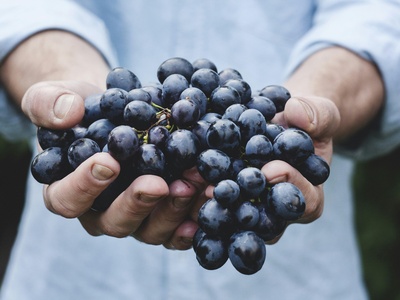
| Grape | Vitis vinifera | عنب | Aug–Oct |
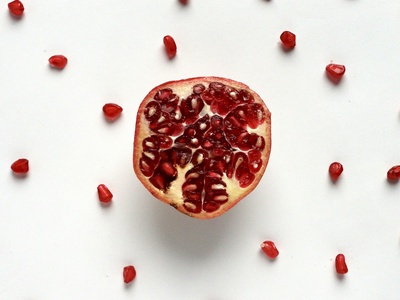
| Pomegranate | Punica granatum | رمان | Sep–Nov |
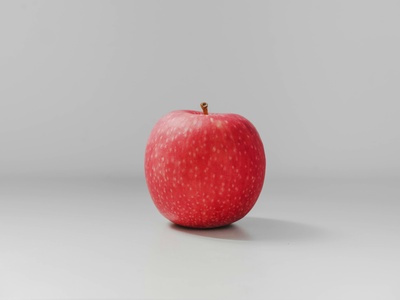
| Apple | Malus domestica | تفاح | Aug–Oct |
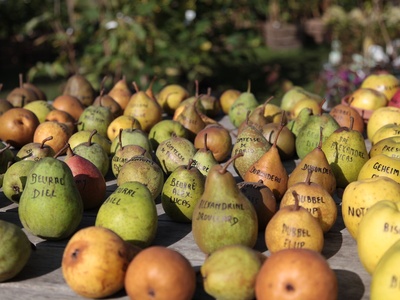
| Pear | Pyrus communis | كمثرى | Aug–Oct |
| Apricot | Prunus armeniaca | مشمش | May–Jul |
| Peach | Prunus persica | خوخ | Jun–Aug |
| Nectarine | Prunus persica var. nucipersica | نكتارين | Jun–Aug |
| Cherry (sweet) | Prunus avium | كرز | May–Jun |
| Sour cherry | Prunus cerasus | كرز حامض | May–Jun |
| Plum | Prunus domestica | برقوق | Jul–Aug |
| Mulberry | Morus spp. | توت | May–Jun |
| Strawberry | Fragaria × ananassa | فراولة | Mar–May |
| Blackberry | Rubus fruticosus | توت بري | Jun–Jul |
| Raspberry | Rubus idaeus | توت العليق | Jun–Jul |
| Watermelon | Citrullus lanatus | بطيخ | Jul–Aug |
| Melon | Cucumis melo | شمام | Jun–Aug |
| Lemon | Citrus limon | ليمون | Dec–Mar |
| Orange | Citrus sinensis | برتقال | Dec–Feb |
| Mandarin (tangerine) | Citrus reticulata | يوسفي | Oct–Dec |
| Grapefruit | Citrus paradisi | جريب فروت | Nov–Feb |
| Bergamot | Citrus bergamia | برغموت | Nov–Feb |
| Date | Phoenix dactylifera | تمر | Sep–Oct |
| Carob | Ceratonia siliqua | خروب | Sep–Oct |
| Jujube | Ziziphus jujuba | عنّاب | Sep–Oct |
| Quince | Cydonia oblonga | سفرجل | Oct–Nov |
| Persimmon | Diospyros kaki | كاكي | Oct–Nov |
| Sumac (berries) | Rhus coriaria | سماق | Jul–Sep |
| Loquat | Eriobotrya japonica | سفرجل ياباني | Apr–May |
Images and Descriptions
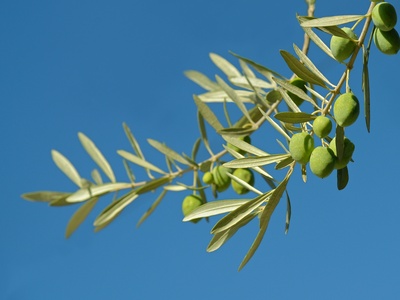
Olive
Staple of Lebanon’s hills and terraces, olives are small bitter drupes pressed for oil or cured for table use. Found across Mount Lebanon and the Beqaa, central to cuisine, festivals and traditional oil-making.
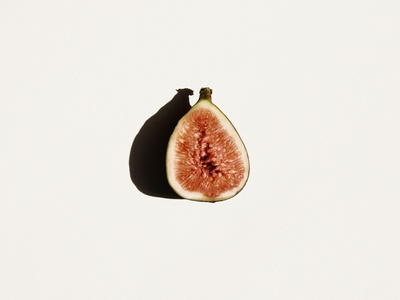
Fig
Sweet, soft fruits common on trees in coastal and inland gardens. Fresh figs are eaten raw, dried for winter, or used in jams and desserts; wild varieties dot hedgerows and terraces.
Grape
Clusters of table and wine grapes thrive in the Beqaa Valley and coastal vineyards. Used for fresh eating, raisin production and Lebanon’s historic winemaking tradition.
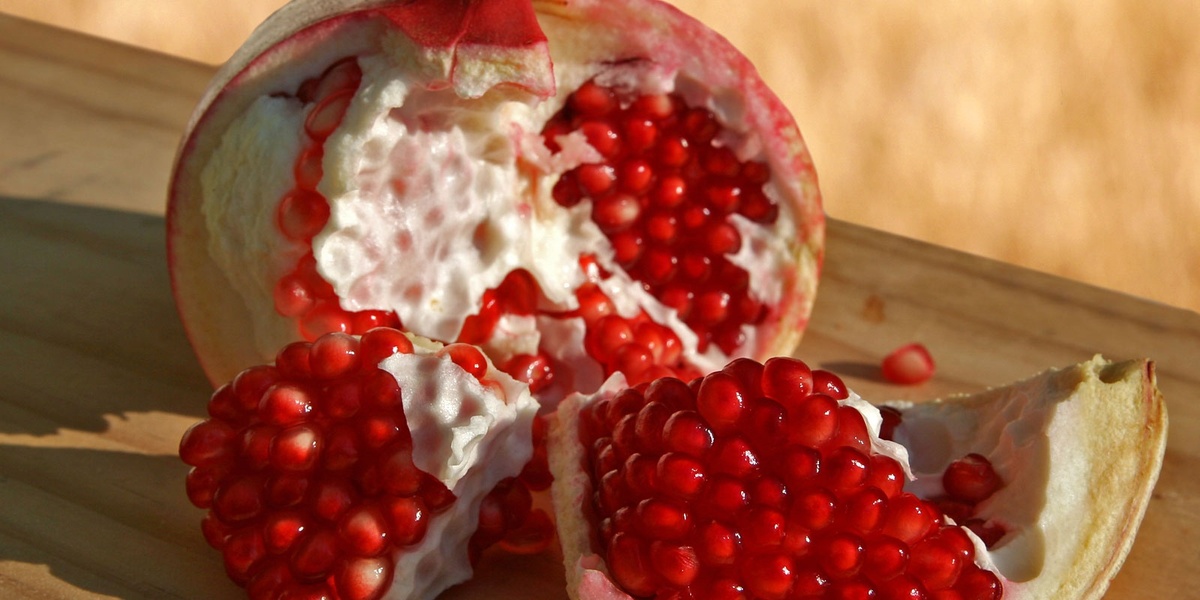
Pomegranate
Deep-red seeded fruit grown in orchards across the coast and inland plains. Seeds and juice are used in salads, sauces (sumac-like tartness), molasses and festive dishes during autumn.
Apple
Apples grow in cooler mountain zones like Mount Lebanon and the Bekaa. Eaten fresh, baked into pastries, or preserved; many local orchards supply markets and rural households.
Pear
Cultivated in upland orchards and home gardens, pears are eaten fresh, poached or canned. Several local varieties suit Lebanon’s mild mountain climates.
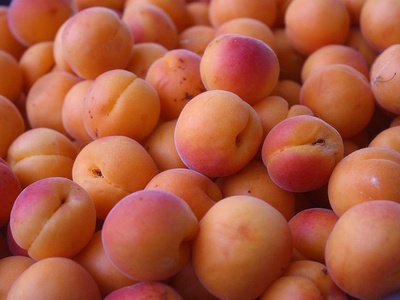
Apricot
Beloved summer stone fruit from lowland orchards and the Bekaa. Used fresh, dried (a regional staple), in jams, pastries and savory stews.
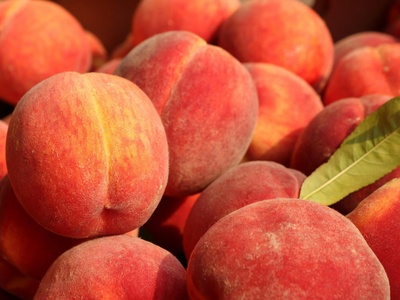
Peach
Juicy summer fruit grown in valleys and terraces; eaten fresh, made into jams and desserts, or canned. Peaches are a common market staple in warmer inland areas.
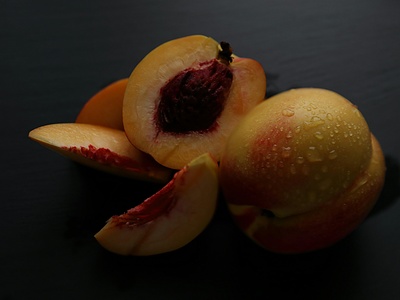
Nectarine
Smooth-skinned relative of the peach, grown in similar orchards across Lebanon. Enjoyed fresh, in desserts or preserves; valued for firm texture and sweet flavor.
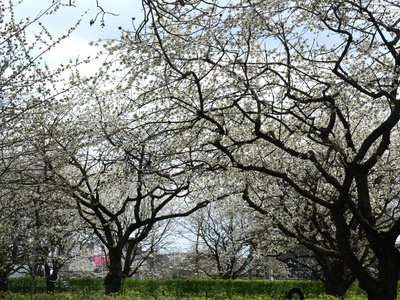
Cherry (sweet)
Bright red fruits from mountain orchards and small farms, prized for fresh eating and baking. Local hill villages celebrate cherry harvests in late spring.
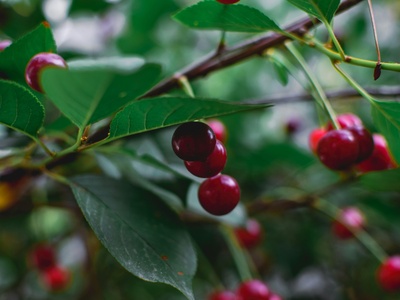
Sour cherry
Tart cherries grow in higher-altitude orchards and wild patches. Used in preserves, sauces, traditional syrups and baking where acidity is desired.
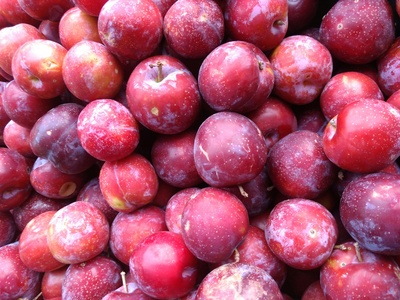
Plum
Plums ripen in summer in home gardens and orchards across Lebanon’s valleys. Eaten fresh, dried, or cooked into jams and syrups; several local varieties exist.
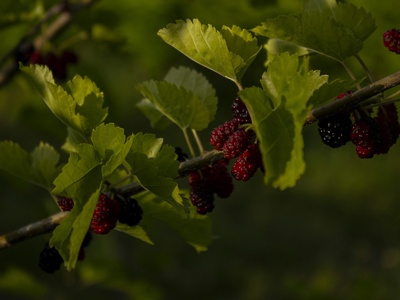
Mulberry
Wild and cultivated mulberries appear in spring on roadside trees and village gardens. Sweet when ripe, they are eaten fresh, made into syrups, jams or fermented drinks.
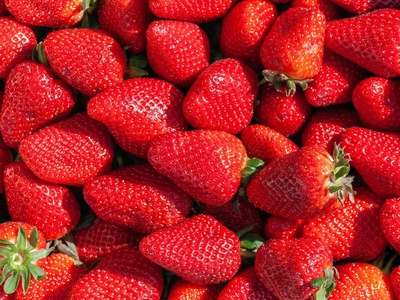
Strawberry
Spring strawberry production occurs in coastal plains and greenhouses. Berries are eaten fresh, used in desserts, jams and local markets during early season.
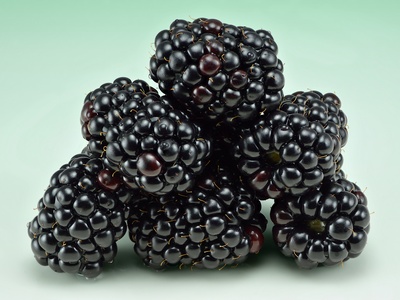
Blackberry
Wild brambles in hills and terraces produce blackberries in early summer. Foraged or cultivated, they are used fresh, in jams and traditional sweets.
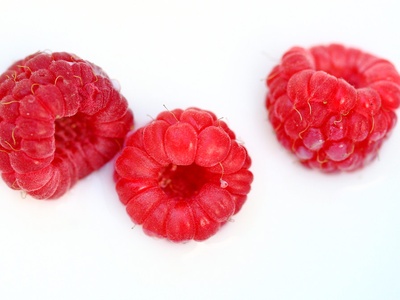
Raspberry
Less common but grown and foraged in mountainous areas. Raspberries are used fresh, in desserts, and for preserves among small growers.
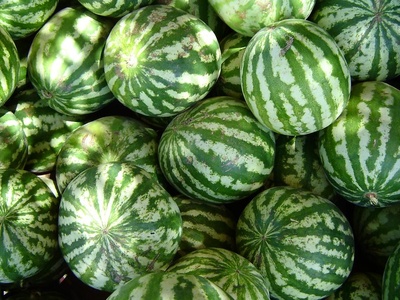
Watermelon
Large, refreshing fruit of summer grown in coastal plains and inland fields. Popular at street markets and family gatherings, eaten fresh to cool off in hot months.
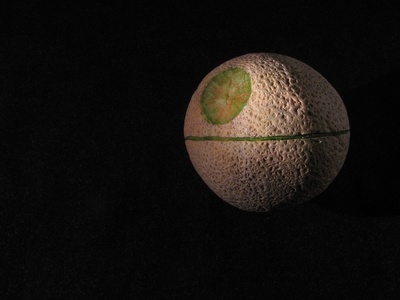
Melon
Sweet muskmelons and cantaloupes are widely grown in valleys and coastal farms. Served fresh, in salads, or as a chilled appetizer during hot summer days.
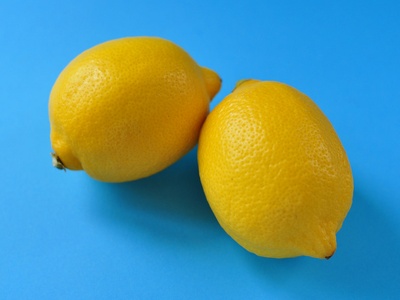
Lemon
Widely grown along the coast and in small orchards; lemons ripen in winter. Used in Lebanese cooking, marinades, drinks, preserves and as a flavoring staple year-round.
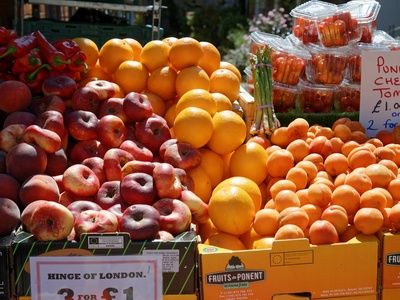
Orange
Sweet oranges are cultivated in coastal groves and harvested in winter. Eaten fresh, juiced, or candied; local varieties supply markets and family tables during the colder months.
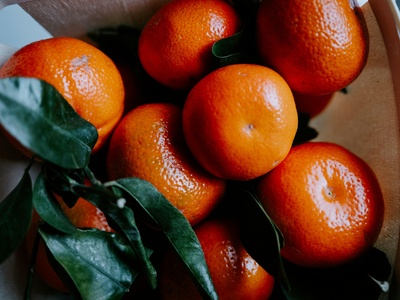
Mandarin (tangerine)
Small sweet citrus grown in coastal belts and orchards. Easy-peel mandarins are a favorite autumn-winter fruit for fresh eating and juice.
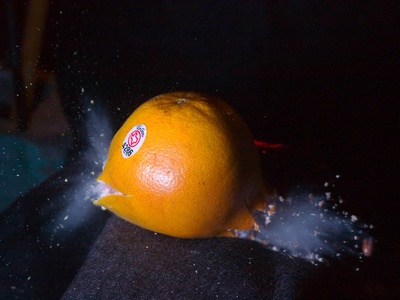
Grapefruit
Large tart-sweet citrus grown in some coastal groves. Eaten fresh, juiced or used in salads and regional recipes during winter.
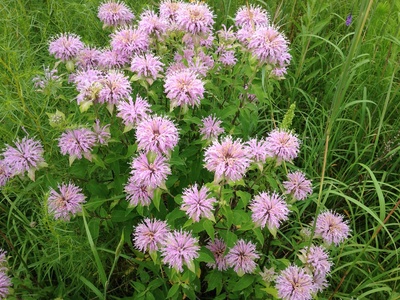
Bergamot
A fragrant citrus grown in some coastal areas; prized for aromatic peel used in flavoring, perfumes and traditional syrups rather than raw eating.
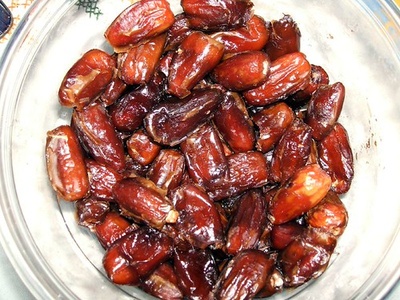
Date
Cultivated in southern and coastal oases and small plots; dates are eaten fresh or dried, central to sweets, Ramadan tables and traditional preserved foods.
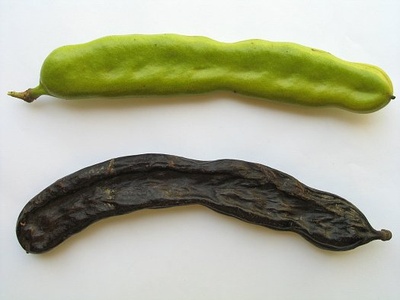
Carob
Hard-shelled pods from Mediterranean trees common on terraces and scrubland. Pods are dried, ground into sweet carob molasses and flour used in beverages and desserts.
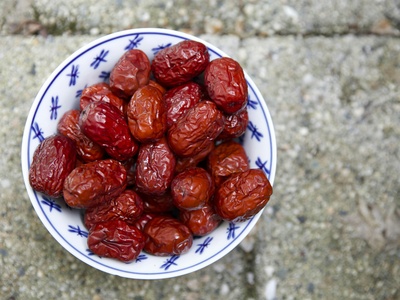
Jujube
Small tart-sweet fruit from hardy trees found in lowland and hill areas. Eaten fresh or dried, used historically in folk remedies and local snacks.
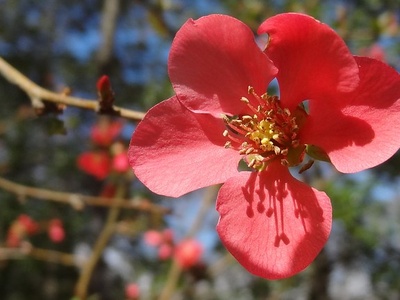
Quince
Aromatic, firm fruit from garden trees in cooler zones. Too astringent raw, quince is cooked into jams, maqlooba-style preserves, and traditional confections.
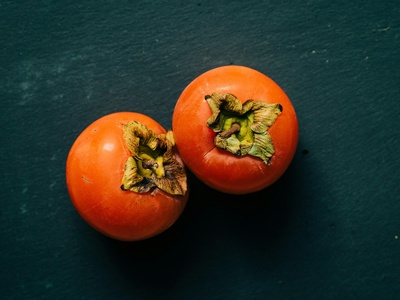
Persimmon
Orange, honeyed fruit grown in home gardens and orchards; eaten fresh when soft, or used in desserts and preserves across northern and inland districts.
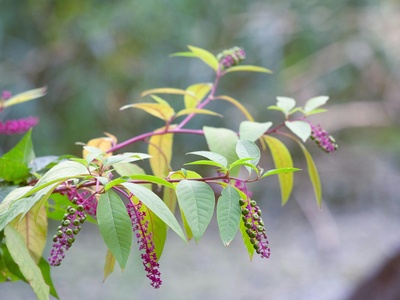
Sumac (berries)
Clusters of red tart drupes collected from shrubs in mountains and valleys. Dried and ground into the tangy spice used liberally in Levantine cooking and salads.
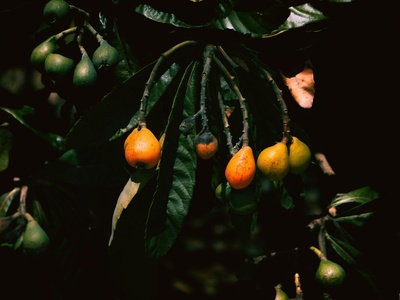
Loquat
Early spring soft yellow-orange fruits grown in home gardens and hedges. Sweet-tart loquats are eaten fresh, made into jams, or used in local preserves.