Switzerland’s varied terrain—from lowland orchards and sunny plateau to high valley terraces—gives rise to a surprising range of fruit across tiny regions and microclimates. Farmers’ markets, roadside stands and village orchards reflect those differences, with seasonal picks that change from valley to valley.
There are 31 Fruits of Switzerland, ranging from Apple to Walnut. For each entry you’ll find below the Scientific name,Regions & harvest (months),Uses so you can quickly see where each fruit is grown, when it’s harvested and how locals use it in cooking, preserves or fresh eating; you’ll find the full list below.
When are common Swiss fruits in season?
Seasonality varies by altitude and region: cherries and apricots appear in early summer (June–July) in warmer valleys, berries peak mid-summer, apples and pears ripen from late summer into autumn, and walnuts are ready in autumn; alpine and late-harvest varieties shift those windows slightly depending on elevation.
Can I buy or grow these fruits outside Switzerland?
Many varieties are sold internationally through specialty markets and online nurseries, and several common types (apples, pears, plums, cherries, walnuts) grow well in temperate gardens elsewhere—match your local climate and choose rootstocks or cultivars suited to your frost and summer-heat conditions.
Fruits of Switzerland
| Name | Scientific name | Regions & harvest (months) | Uses |
|---|---|---|---|
| Apple | Malus domestica | Thurgau, Aargau, Zurich, St. Gallen; Sep–Nov | Fresh eating, baking, cider, storage |
| Pear | Pyrus communis | Aargau, Vaud, Thurgau; Sep–Oct | Eating fresh, poaching, preserves, baking |
| Sweet cherry | Prunus avium | Aargau, Vaud, Geneva, Zurich; Jun–Jul | Fresh, desserts, preserves, Kirsch spirit |
| Sour cherry | Prunus cerasus | Vaud, Aargau, Bern; Jun–Aug | Baking, jam, compotes, brandy |
| Plum | Prunus domestica | Aargau, Vaud, Valais; Aug–Sep | Baking, drying (prunes), jam, eaux-de-vie |
| Apricot | Prunus armeniaca | Valais, Vaud, Geneva; Jul–Aug | Fresh, jam, drying, pastries |
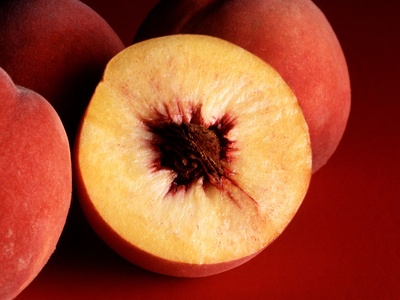
| Peach | Prunus persica | Ticino, Valais, Vaud; Aug–Sep | Fresh, desserts, preserves, sorbets |
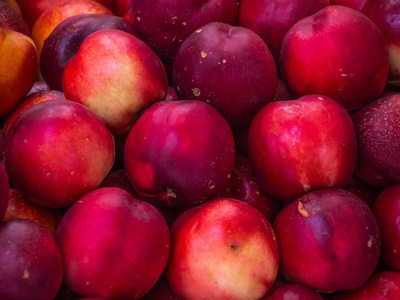
| Nectarine | Prunus persica (nectarine) | Ticino, Valais; Aug–Sep | Fresh, salads, desserts, preserves |
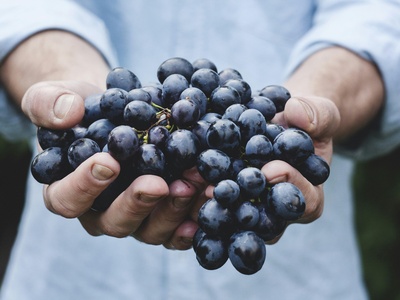
| Grape | Vitis vinifera | Valais, Vaud, Geneva, Ticino; Sep–Oct | Wine, table grapes, raisins, juice |
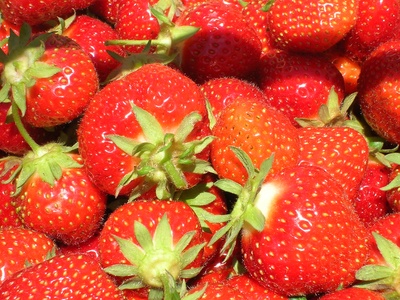
| Strawberry | Fragaria × ananassa | Aargau, Vaud, Fribourg; May–Jul | Fresh, desserts, jam, salads |
| Raspberry | Rubus idaeus | Vaud, Aargau, Valais; Jun–Sep | Fresh, jam, tart, desserts |
| Blackberry | Rubus fruticosus agg. | Swiss Plateau, hedgerows, woods; Jul–Sep | Foraging, jams, desserts, liqueurs |
| Blueberry (cultivated) | Vaccinium corymbosum | Vaud, Valais, Zurich; Jul–Aug | Fresh, baking, jams, juices |
| Bilberry (wild) | Vaccinium myrtillus | Alps, Jura, Graubünden; Jul–Aug | Foraging, jams, desserts, preserves |
| Lingonberry | Vaccinium vitis-idaea | Alpine and subalpine (Graubünden, Valais); Aug–Sep | Sauces, preserves, condiments |
| Redcurrant | Ribes rubrum | Vaud, Aargau, home gardens; Jun–Aug | Jams, sauces, desserts, garnish |
| Blackcurrant | Ribes nigrum | Vaud, Valais, Aargau; Jun–Aug | Juice, jams, liqueurs, syrups |
| Gooseberry | Ribes uva-crispa | Vaud, Zurich, home gardens; Jun–Jul | Baking, jams, sauces, desserts |
| Elderberry | Sambucus nigra | Widespread hedgerows, lowlands; Aug–Sep | Syrup, cordial, jam, medicinal uses |
| Sea buckthorn | Hippophae rhamnoides | Valais, dry slopes, lakeshores; Aug–Sep | Juice, oil, jams, cosmetics |
| Rose hip | Rosa canina | Hedgerows, mountains; Sep–Oct | Tea, syrup, jam, vitamin-rich preserves |
| Quince | Cydonia oblonga | Historic orchards (Ticino, Valais); Oct | Jams, paste (membrillo), baking, stewing |
| Fig | Ficus carica | Ticino, Lake Geneva shore, sheltered gardens; Aug–Oct | Fresh, drying, preserves, desserts |
| Walnut | Juglans regia | Ticino, Valais, Aargau; Oct | Eating, oil, baking, confectionery |
| Chestnut | Castanea sativa | Ticino, Valais, southern slopes; Sep–Nov | Roasting, flour, desserts, savory dishes |
| Hazelnut | Corylus avellana | Ticino, Valais, Jura; Sep–Oct | Confectionery, baking, spreads, snacks |
| Kiwi | Actinidia deliciosa/arguta | Ticino, sheltered southern sites; Oct–Nov | Fresh eating, juices, preserves |
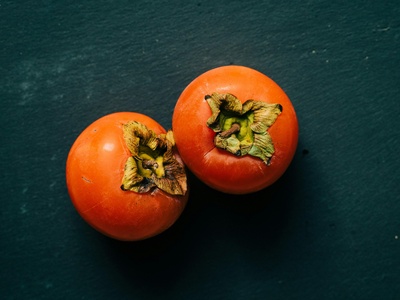
| Persimmon | Diospyros kaki | Ticino, warm valleys; Oct–Nov | Fresh, drying, preserves, desserts |
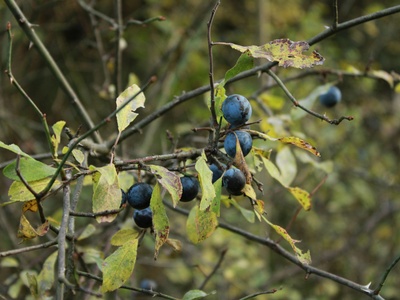
| Sloe (Blackthorn) | Prunus spinosa | Hedgerows, woods, lowlands; Sep–Oct | Sloe gin, jams, schnapps flavoring |
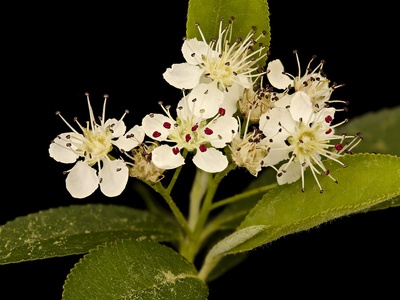
| Aronia (Chokeberry) | Aronia melanocarpa | Aargau, Zurich, small farms; Aug–Sep | Juice, preserves, health products |
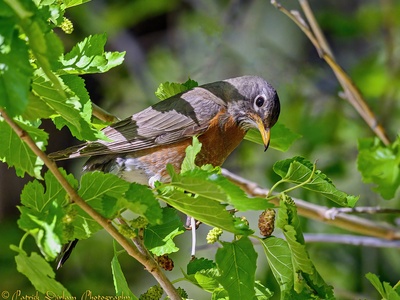
| Mulberry | Morus alba | Gardens, Ticino, historic sites; Jun–Jul | Fresh, drying, jams, ornamental fruit |
Images and Descriptions
Apple
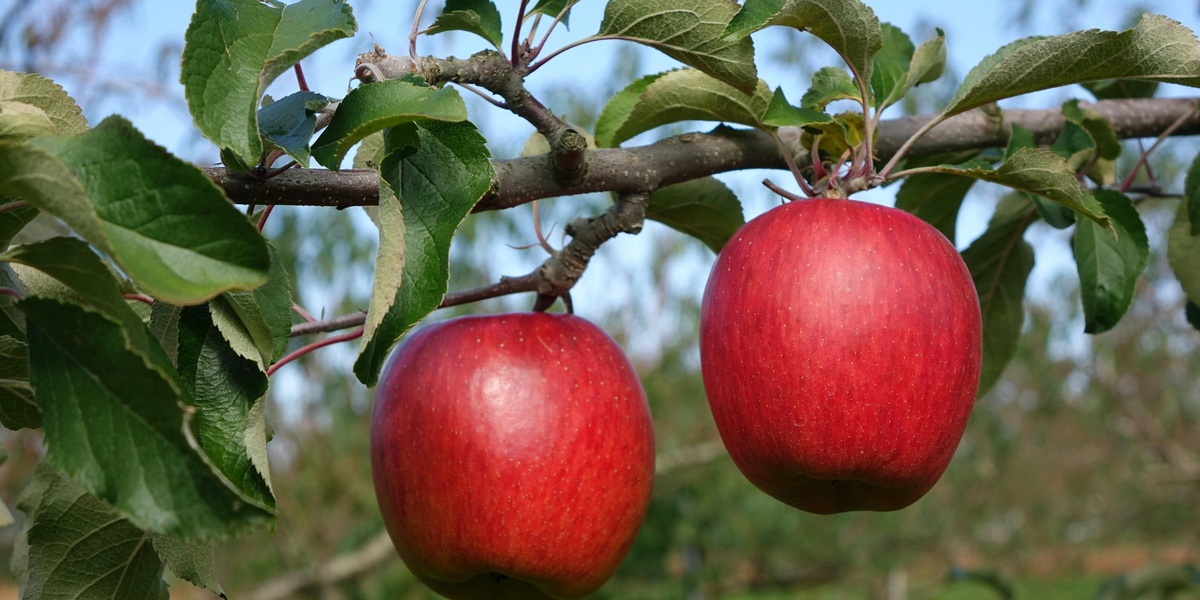
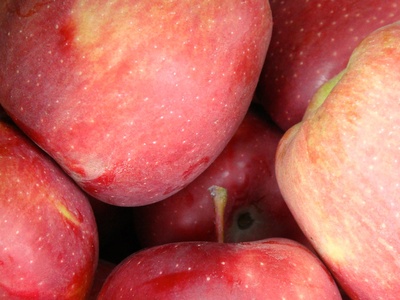
Switzerland’s iconic orchard fruit with hundreds of varieties. Thurgau is a major producing canton; favorites include Bosc and local heirlooms. Apples are eaten fresh, baked in tarts, pressed for juice or cider, and stored through winter.
Pear
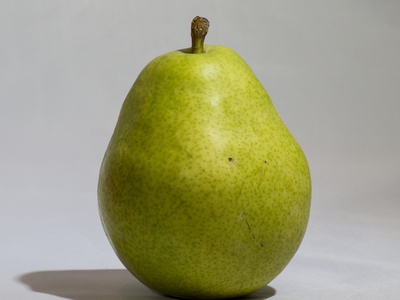
Pears have long been grown in Swiss orchards and kitchen gardens. Varieties range from dessert pears to firm cooking types. Commonly poached, canned or used in tarts, they bridge summer harvests and autumn baking traditions.
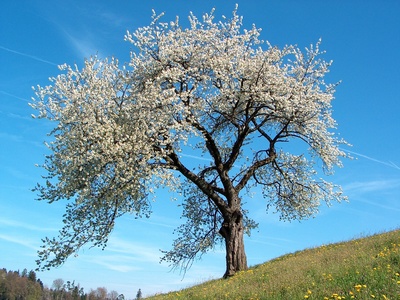
Sweet cherry
Sweet cherries ripen in early summer across Swiss lowlands. Valued fresh or in pastries, some go into preserves or local brandies (kirsch). Older orchards and small farms still harvest by hand for local markets and festivals.
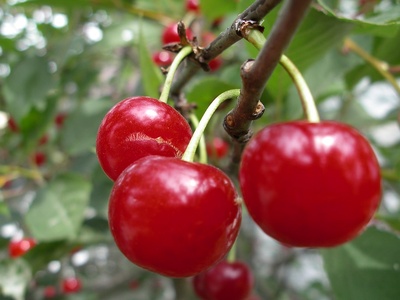
Sour cherry
Sour (tarte) cherries are prized for baking and preserves. More tart than sweet cherries, they are common in pies, compotes and traditional kirsch production. Harvest extends into midsummer depending on altitude.
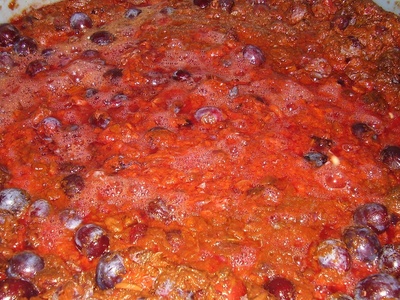
Plum
Plums and damsons are traditional Swiss orchard staples. Varieties for eating and drying (prunes) exist, and many are turned into jams or distilled spirits. Plums harvest later in summer and into early autumn.
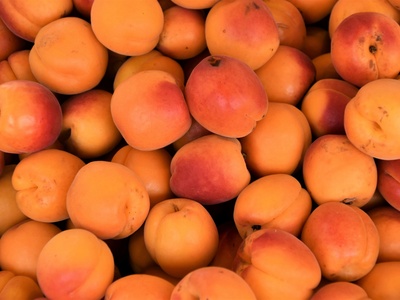
Apricot
Apricots are a specialty of sunny Valais, prized for sweet fruit and jams. Swiss growers produce table fruit, dried apricots and confitures; the small, flavorful Valais apricot is especially celebrated at markets.
Peach
Peaches thrive in sheltered warm sites, especially in Ticino and some Valais slopes. They are enjoyed fresh, grilled, or made into compotes and sorbets during late summer’s short season.
Nectarine
Nectarin es—smooth-skinned peaches—are grown where summers are warm. Found at farmers’ markets in southern and lowland regions, they are eaten fresh or used like peaches in desserts and jams.
Grape
Grapes define many Swiss landscapes: Chasselas in Vaud, Pinot Noir across regions, Merlot in Ticino. Wine production is central culturally and economically; grapes also eaten fresh or pressed for juice and raisin production.
Strawberry
Strawberries are an early summer favorite sold at markets and picked at U-pick farms. Swiss strawberries are eaten fresh, made into jams, or used in cakes and cheeses. Season varies with elevation and weather.
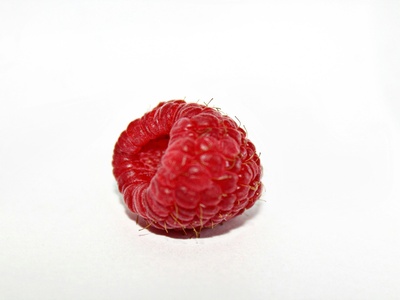
Raspberry
Raspberries are cultivated and wild-harvested around Switzerland, offering summer-to-autumn fruit depending on varieties. They’re popular fresh, in jams, tarts, and paired with cream or chocolate in local desserts.
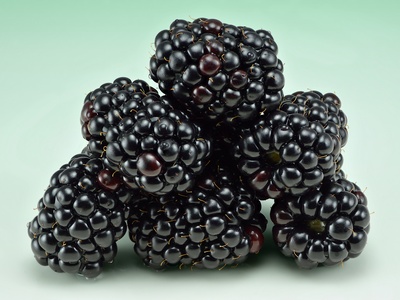
Blackberry
Blackberries grow wild and in cultivated patches across lowland hedgerows and forest edges. Foragers collect them for jams, desserts, and homemade liqueurs; flavor peaks late summer into early autumn.
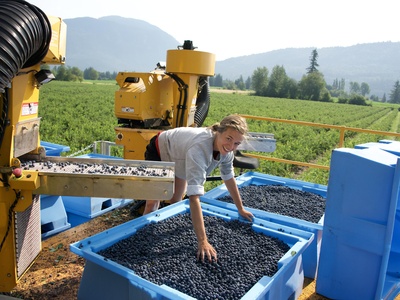
Blueberry (cultivated)
Highbush blueberries are increasingly cultivated in Switzerland for fresh markets and processing. Cultivated types yield larger berries than wild bilberries and are used in muffins, jams and smoothies during mid-summer.
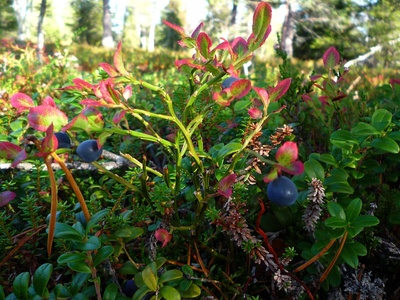
Bilberry (wild)
Bilberries are small, aromatic wild berries foraged in alpine and subalpine areas. A classic ingredient in Swiss mountain desserts and jams, they’re prized by hikers and local cooks for intense flavor.
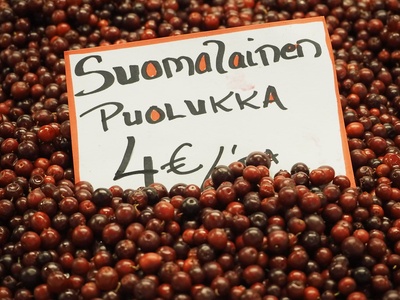
Lingonberry
Lingonberries grow in high elevations and are used much like jam or condiment with savory dishes. Tart and aromatic, they feature in preserves and complement meats and game in Swiss mountain cuisine.
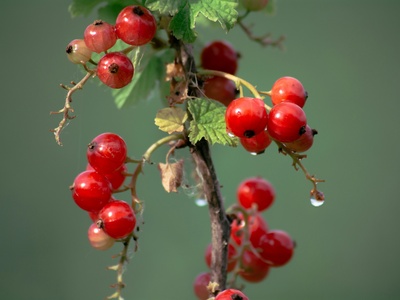
Redcurrant
Redcurrants are cultivated in gardens and small farms. Tart berries make clear, bright jams, sauces and garnishes for desserts. They are harvested in early to mid-summer.
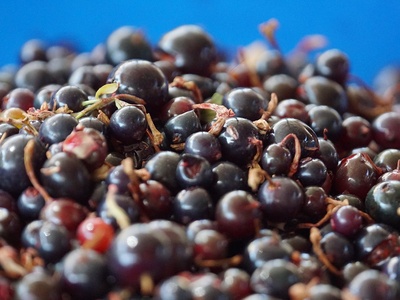
Blackcurrant
Blackcurrants are grown commercially and in gardens for rich jams, syrups and juices. They are also used in cordials and baking; harvest is mid-summer across temperate Swiss regions.

Gooseberry
Gooseberries are found in home orchards and small farms. Their tartness suits pies, jams and savory sauces; early summer harvesting makes them a seasonal treat for preserves and baking.
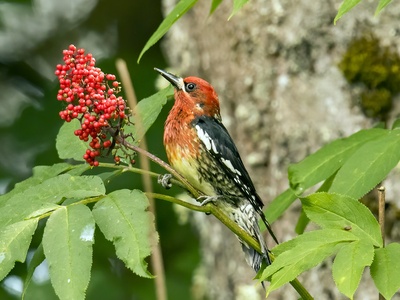
Elderberry
Elderberries are foraged and farmed for syrups, juices and liqueurs. Traditionally used in syrups and remedies, they require cooking before consumption and are harvested late summer to early autumn.
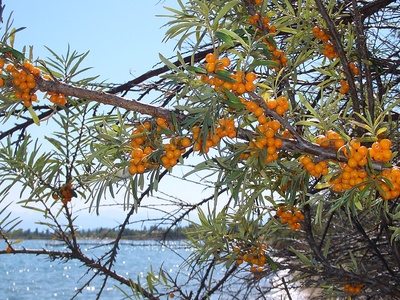
Sea buckthorn
Sea buckthorn is grown and collected on sunny, dry Swiss slopes. Its tart orange berries are rich in vitamin C, pressed into juices, oils and preserves, and used in niche food and cosmetic products.
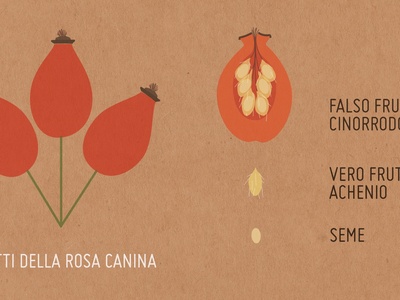
Rose hip
Rose hips are commonly foraged across Switzerland in autumn for vitamin C–rich teas, syrups and jams. Historically important for winter remedies, they’re a rustic ingredient in traditional preserves.
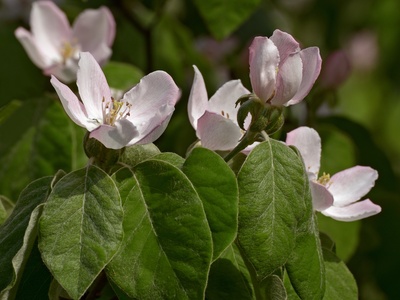
Quince
Quinces are grown in older gardens and orchards and used cooked into dense jams or quince paste. Raw fruit is astringent; cooking reveals floral aroma and rosy color prized in autumn preserves.
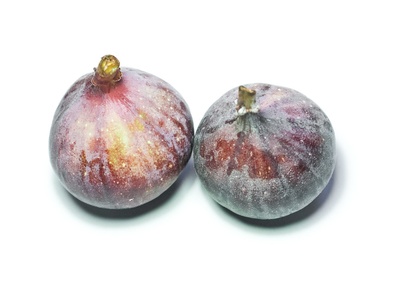
Fig
Figs favor Switzerland’s warm southern and sheltered lake shores. Often grown in Ticino and warm Geneva spots, they’re eaten fresh, dried or preserved and featured in rustic desserts and tarts.
Walnut
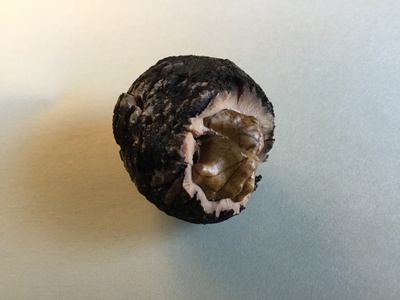
Walnuts are cultivated in southern and central regions, used fresh, in baking and for rich walnut oil. They feature in traditional pastries and are harvested in autumn from village orchards and larger groves.
Chestnut
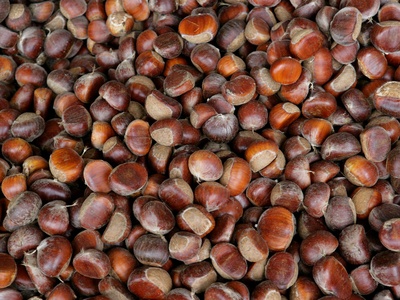
Sweet chestnuts grow well in Ticino and warm slope microclimates. Eaten roasted, used as flour or in desserts and stews, chestnuts have a long culinary tradition in southern Swiss cuisine.
Hazelnut
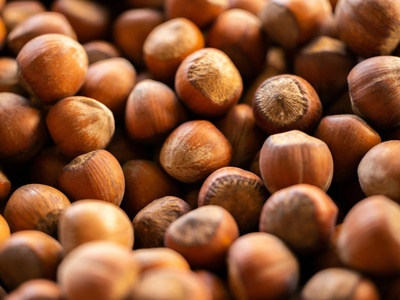
Hazelnuts are grown in orchards and hedgerows. Popular for baking, pralines and spreads, they are harvested in autumn and used in both traditional Swiss sweets and modern patisserie.
Kiwi
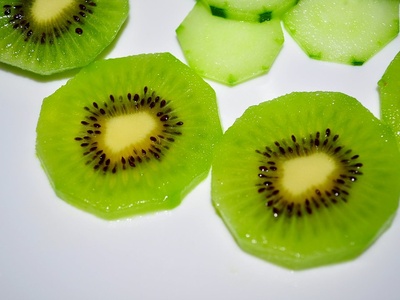
Kiwifruit is cultivated on warm southern slopes and sheltered gardens, especially in Ticino. Both common kiwifruit and hardy varieties are grown for fresh markets and small-scale processing in autumn.
Persimmon
Persimmons are grown in warm cantons like Ticino and in sheltered gardens. Sweet when ripe, they’re eaten fresh, dried or turned into preserves; their orange fruit extends harvest offerings into late autumn.
Sloe (Blackthorn)
Sloes are wild-harvested from hedgerows across Switzerland. Very tart raw, they’re commonly macerated for liqueurs, jams or to flavor schnapps after frost or freezing to reduce astringency.
Aronia (Chokeberry)
Aronia is cultivated for its antioxidant-rich berries used in juices, jams and wellness products. Berries are tart and dark, harvested in late summer and increasingly grown on small Swiss farms.
Mulberry
Mulberries grow in old gardens and warm towns, especially in the south. Sweet and soft when ripe, they’re eaten fresh or made into jams; historically present in Swiss estates and village yards.