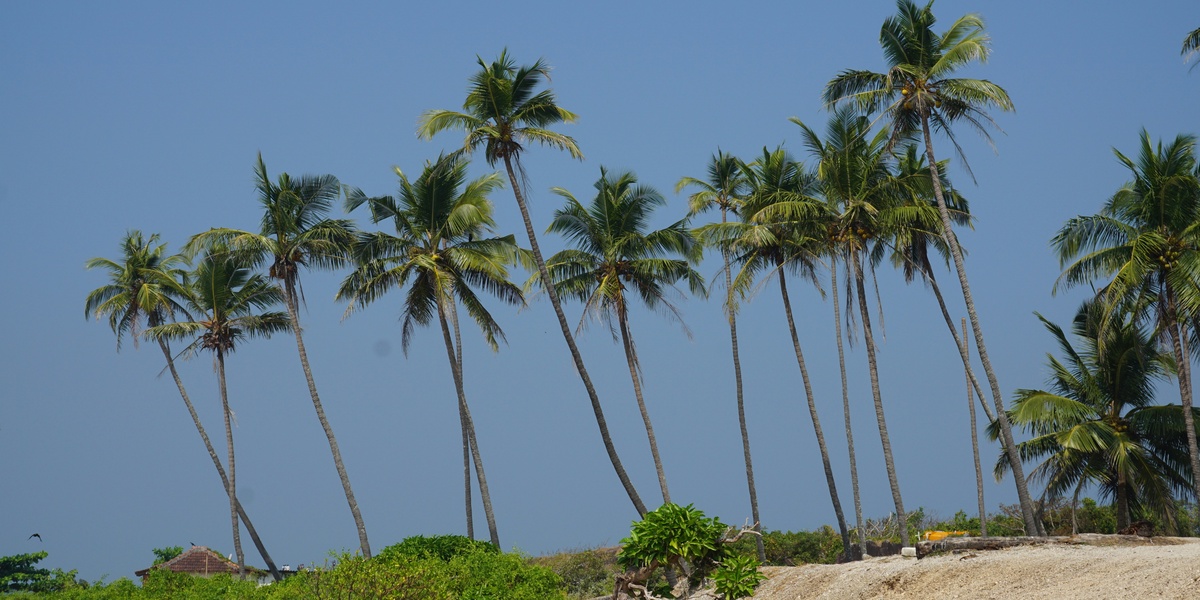
The Marshall Islands’ low coral atolls, warm lagoons and small home gardens shape a compact but diverse set of local fruits. Islanders rely on a mix of wild and cultivated trees for food, drink and traditional uses, and many fruits appear in markets, roadside stalls and family plots across the atolls.
There are 20 Fruits of the Marshall Islands, ranging from Banana to Tropical almond. For each entry the Marshallese name,Scientific name,Size (fruit length cm) are listed so you can identify and compare— you’ll find below.
How can I tell these fruits apart when visiting the islands?
Look for simple ID cues: size and shape (see the size column), color and rind texture, aroma and taste when ripe, and seasonal availability; locals are usually happy to name fruits in Marshallese, which helps confirm identification quickly.
Are any of these fruits restricted for export or at risk?
Most are commonly grown and sold locally, but native or uncommon species may have limited populations; always check Marshall Islands biosecurity and export rules before moving produce, and buy from markets or licensed suppliers if you plan to transport fruits internationally.
Fruits of the Marshall Islands
| Name | Marshallese name | Scientific name | Size (fruit length cm) |
|---|---|---|---|
| Coconut | niu | Cocos nucifera | 15.00 |
| Breadfruit | breadfruit | Artocarpus altilis | 20.00 |
| Pandanus | hala | Pandanus tectorius | 10.00 |
| Noni | noni | Morinda citrifolia | 5.00 |
| Banana | banana | Musa spp. | 15.00 |
| Papaya | papaya | Carica papaya | 20.00 |
| Mango | mango | Mangifera indica | 10.00 |
| Guava | guava | Psidium guajava | 6.00 |
| Pineapple | pineapple | Ananas comosus | 25.00 |
| Lime | lime | Citrus aurantiifolia | 4.00 |
| Orange | orange | Citrus sinensis | 8.00 |
| Lemon | lemon | Citrus limon | 6.00 |
| Passionfruit | passionfruit | Passiflora edulis | 6.00 |
| Starfruit | carambola | Averrhoa carambola | 8.00 |
| Rose apple | rose apple | Syzygium jambos | 5.00 |
| Tamarind | tamarind | Tamarindus indica | 10.00 |
| Soursop | soursop | Annona muricata | 20.00 |
| Jackfruit | jackfruit | Artocarpus heterophyllus | 35.00 |
| Breadnut | breadnut | Artocarpus camansi | 6.00 |
| Tropical almond | tropical almond | Terminalia catappa | 3.00 |
Images and Descriptions
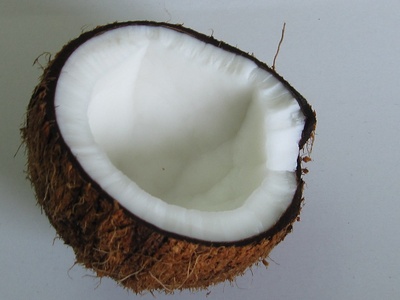
Coconut
Found on every atoll and shoreline year-round. Meat eaten fresh or dried for copra, water drunk from young nuts. Central to Marshallese life, used for food, oil, craft, roofing and ceremonies; ubiquitous on beaches and home groves.
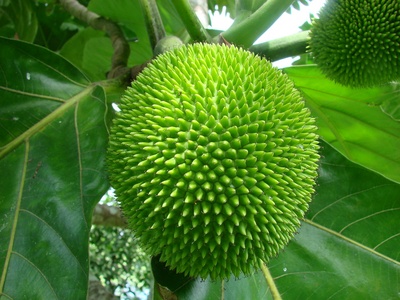
Breadfruit
Large starchy fruit common in home gardens and inland groves; seasonal peaks vary by island. Baked, roasted or mashed as a staple side dish. Key traditional food at feasts and relied upon where root crops are scarce.
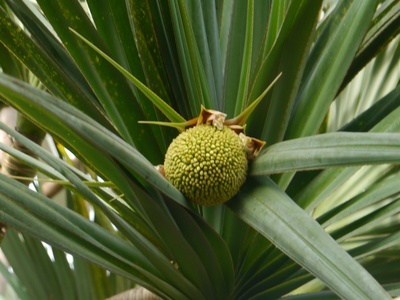
Pandanus
Coastal tree bearing segmented orange-red cones eaten cooked or pounded; leaves used for weaving. Fruit seasonality varies by atoll. Important carbohydrate source where breadfruit is less common and valued for flavor and cultural uses.
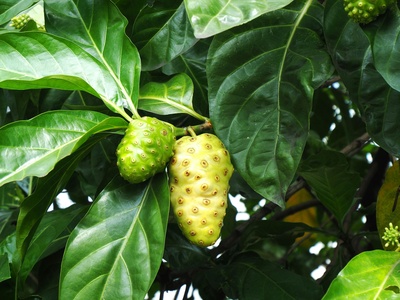
Noni
Bumpy, fragrant fruit in coastal thickets and gardens year-round. Strong aroma and bitter taste raw, commonly used as medicinal juice or poultice in traditional remedies. Grown near villages for folk medicine more than table eating.
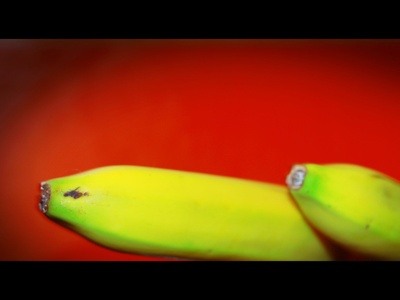
Banana
Common in backyard gardens and small plantations across main islands; fruits produced year-round in bunches. Eaten ripe fresh or cooked green; several cultivated varieties provide snacks, desserts and cooking staples for households.
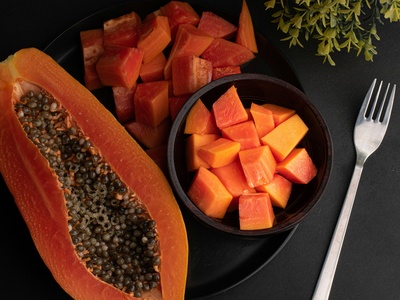
Papaya
Fast-growing garden tree found in villages with fruits most months. Sweet orange flesh eaten fresh, in salads or smoothies; green papaya used in savory salads. Seeds sometimes used as pepper substitute in local cooking.
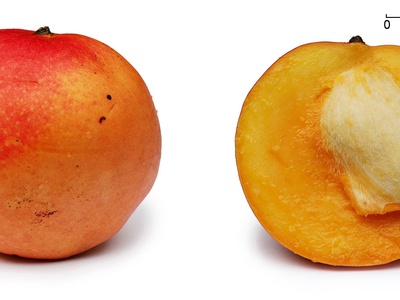
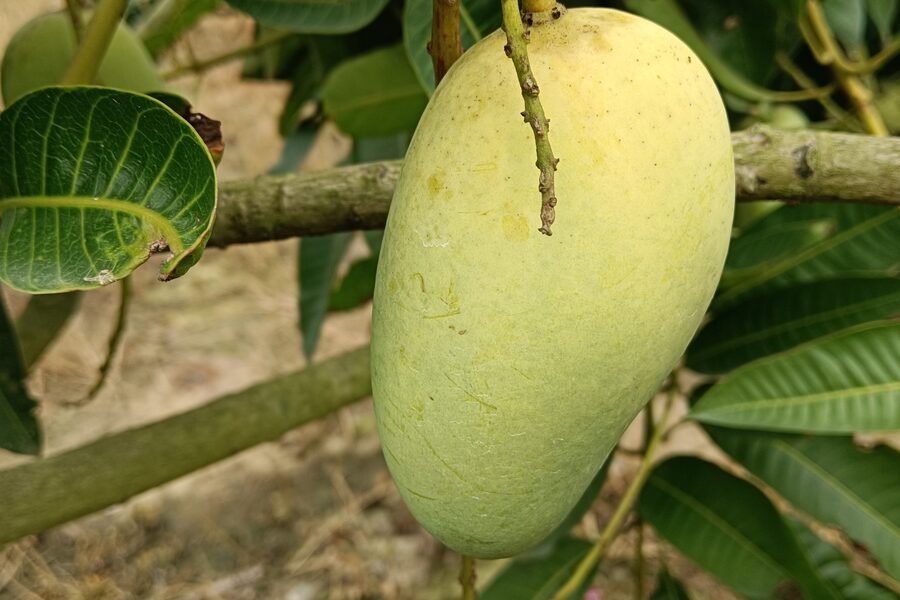
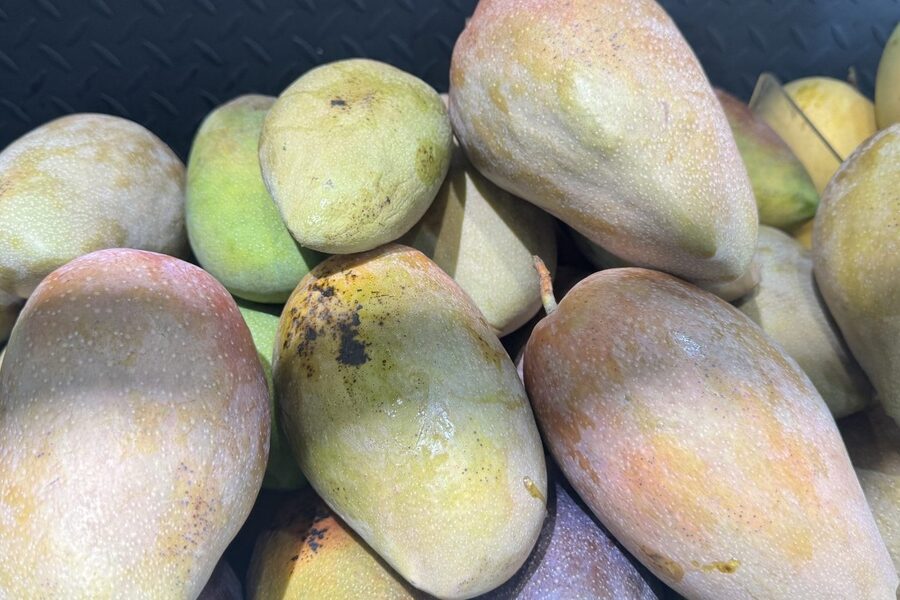
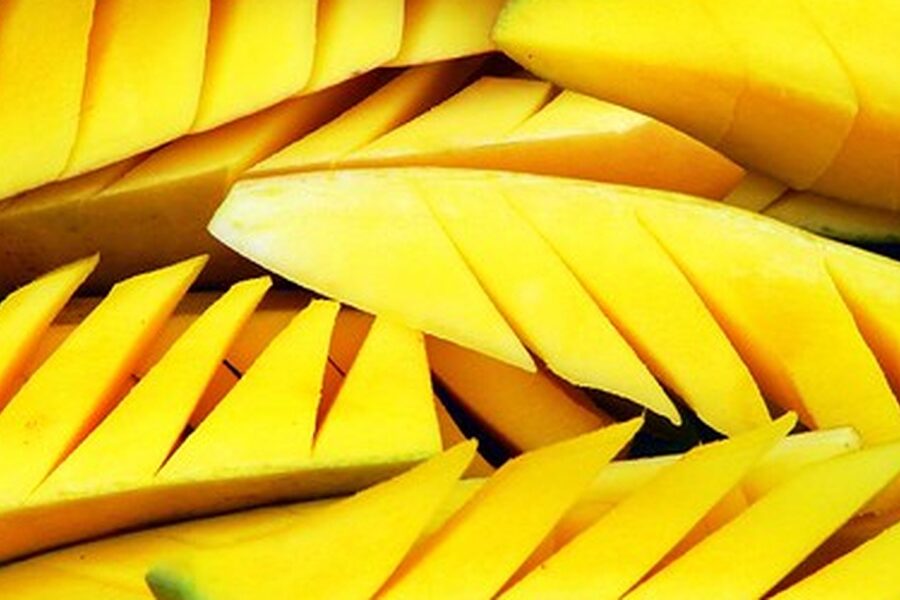
Mango
Grown in home yards and community groves on main islands with a late-spring to summer season. Sweet ripe fruit eaten fresh, made into chutneys or preserves. Seasonal favorite providing shade and social sharing among neighbors.
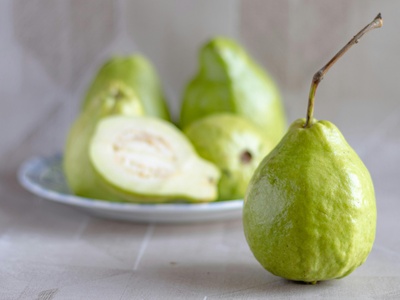
Guava
Shrubby trees in disturbed sites and gardens producing fragrant fruits several times yearly. Tart-sweet flesh eaten fresh or made into jams and juices. Often volunteers around homes and is a common backyard fruit source.
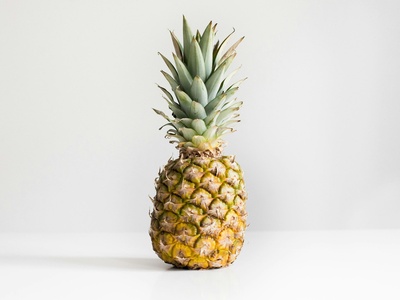
Pineapple
Cultivated in small plots and kitchen gardens; fruits develop year-round with seasonal peaks. Sweet, tangy flesh eaten fresh or dried. Historically grown for local consumption rather than large-scale export, common in home plots.
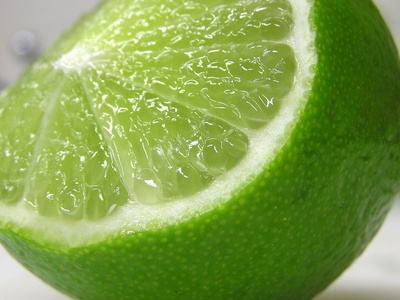
Lime
Small acidic fruits on cultivated trees in village gardens year-round. Used to flavor fish, drinks and salads and as a household staple. Widely planted near homes for easy access in daily cooking.
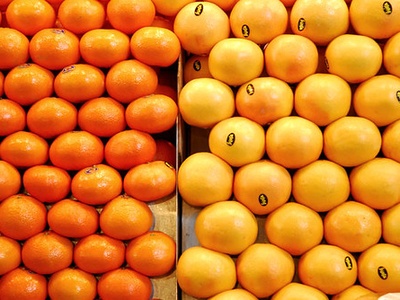
Orange
Sweet orange trees in home gardens and community plantings with seasonal fruiting. Eaten fresh or juiced and often shared at gatherings. Adds seasonal sweetness to village diets and grows well on larger settled islands.
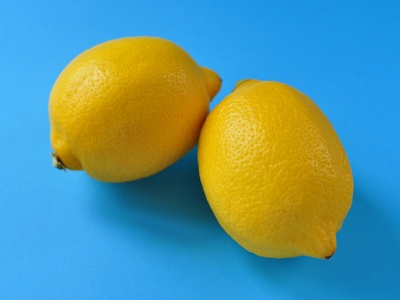
Lemon
Cultivated in gardens and roadside plantings with year-round fruit. Used for culinary acid, beverages and cleaning. Popular household tree for flavoring fish, salads and traditional dishes across inhabited atolls.
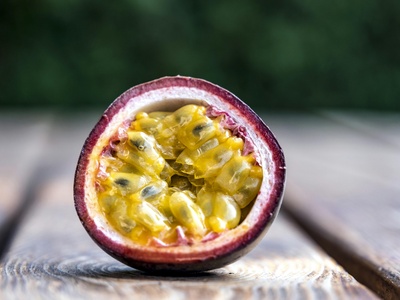
Passionfruit
Vining plant found on fences and in gardens, fruits ripen through warm seasons. Aromatic pulp enjoyed fresh, in sauces or drinks. Highly prized for its intense flavor despite small size and common in village gardens.
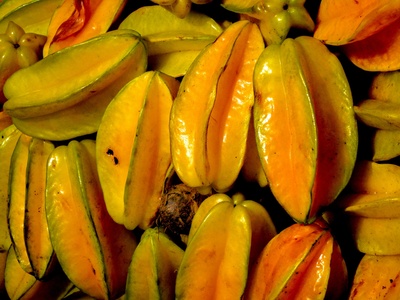
Starfruit
Tree grown around homes producing five-angled fruits seasonally. Crisp, tart-sweet slices eaten fresh, in salads or as garnish. Seen in village gardens on larger islands and adds visual interest as well as flavor.
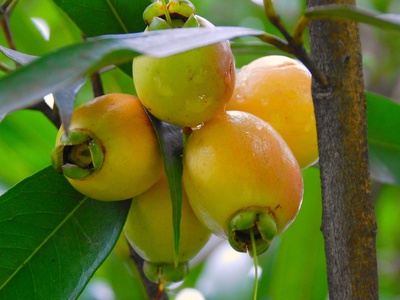
Rose apple
Small tree in home gardens and forest edges with crunchy mildly sweet fruits when ripe. Eaten fresh or offered to visitors. Grows readily in settled soils and is commonly recognized around villages.
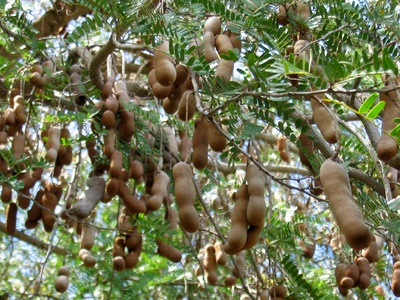
Tamarind
Introduced tree lining roads and village spaces with brown tangy pods seasonally. Pulp used for drinks, sauces and condiments, prized for sour flavor. Often a communal shade tree near schools and meeting areas.
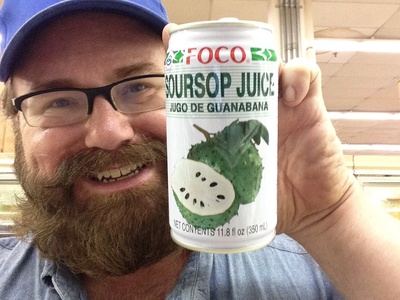
Soursop
Spiny green fruit found in village gardens on larger islands; seasonally available. Sweet-acidic flesh eaten fresh or used in drinks and desserts. Grown where soils permit larger fruit trees and appreciated for unique flavor.
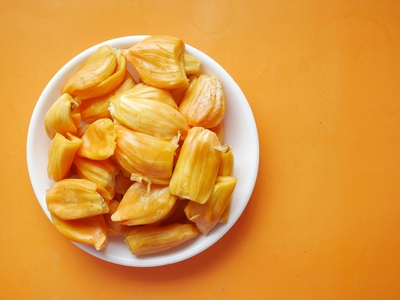
Jackfruit
Very large fruits found on some backyard trees seasonally. Unripe flesh cooked as vegetable or roasted; ripe segments sweet and fragrant. Present but less widespread than breadfruit and mango, usually in larger island gardens.
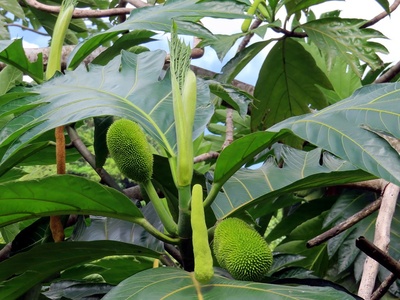
Breadnut
Related to breadfruit and grown in home gardens on larger islands; nutty seeds are roasted or boiled. Fruits harvested seasonally and stored for lean months, forming part of traditional island diets where present.

Tropical almond
Coastal shade tree with oval fruits whose kernels are eaten roasted. Common along shorelines and village edges; seeds provide a protein-rich snack and are part of traditional feeding and coastal ecology.