The Philippines is an archipelago where tropical fruit shapes daily life — from morning markets to neighborhood gardens, each island offers its own seasonal favorites and heirloom varieties. Local names, street stalls, and family recipes all reflect how fruit connects food, trade, and culture across regions.
There are 37 Fruits of the Philippines, ranging from Avocado to Watermelon. For each entry we list Scientific name,Local names,Season (peak months) so you can identify, buy, and enjoy them — see the full list you’ll find below.
How do I use the season information to buy the best fruit?
The Season (peak months) column tells you when a fruit is most abundant and affordable; buy during that window for better flavor and price. Look for signs of ripeness (aroma, slight give, color), ask vendors by their Local names if needed, and remember some fruits are imported off-season and may not taste as good.
Can I grow any of these fruits at home in the Philippines?
Yes — many listed fruits adapt well to home gardens or large pots (mango, calamansi, avocado, even small watermelon varieties), but success depends on space, soil, and local climate; check the Scientific name and local cultivation tips, source healthy seedlings from nurseries, and match planting to the Season (peak months) for best results.
Fruits of the Philippines
| Name | Scientific name | Local names | Season (peak months) |
|---|---|---|---|
| Mango | Mangifera indica | Manga, Mangga, Carabao | Mar–Jun |
| Banana | Musa spp. | Saging, Latundan, Lakatan, Saba | Year-round |
| Coconut | Cocos nucifera | Niyog, Buko | Year-round |
| Pineapple | Ananas comosus | Pinya | Year-round (peak Mar–Jun) |
| Papaya | Carica papaya | Papaya, Papaya | Year-round |
| Guava | Psidium guajava | Bayabas | Year-round |
| Lanzones | Lansium domesticum | Lanzones, Lansones | Sep–Nov |
| Rambutan | Nephelium lappaceum | Rambutan | Jul–Sep |
| Durian | Durio zibethinus | Durian | Jun–Aug |
| Mangosteen | Garcinia mangostana | Mangosteen, Manggostin | Jul–Oct |
| Jackfruit | Artocarpus heterophyllus | Langka | Mar–May |
| Sugar-apple (Atis) | Annona squamosa | Atis | Aug–Nov |
| Soursop (Guyabano) | Annona muricata | Guyabano | Jun–Sep |
| Star apple (Caimito) | Chrysophyllum cainito | Caimito, Kaimito | Aug–Oct |
| Sapodilla (Chico) | Manilkara zapota | Chico | Aug–Nov |
| Santol | Sandoricum koetjape | Santol | Jun–Aug |
| Mabolo (Velvet apple) | Diospyros blancoi | Mabolo | Sep–Nov |
| Bignay | Antidesma bunius | Bignay, Bugnay | Aug–Nov |
| Duhat (Java plum) | Syzygium cumini | Duhat | May–Jul |
| Macopa (Wax apple) | Syzygium samarangense | Macopa, Tambis, Makopa | May–Jul |
| Tamarind (Sampalok) | Tamarindus indica | Sampalok | Mar–May |
| Bilimbi (Kamias) | Averrhoa bilimbi | Kamias | Year-round |
| Starfruit (Balimbing) | Averrhoa carambola | Balimbing | Year-round (peak Jun–Aug) |
| Calamansi | Citrus × microcarpa | Kalamansi, Calamansi | Year-round |
| Pomelo (Suha) | Citrus × maxima | Suha, Pomelo | Nov–Feb |
| Dalandan (Philippine orange) | Citrus × sinensis | Dalandan | Nov–Feb |
| Camachile (Manila tamarind) | Pithecellobium dulce | Camachile, Kamachile | May–Jul |
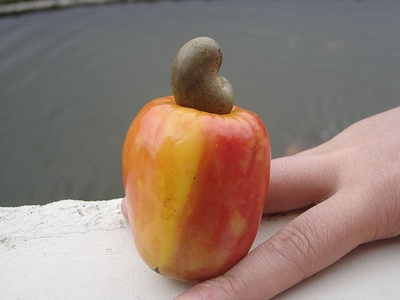
| Cashew apple | Anacardium occidentale | Kasuy (bulak), Cashew apple | Apr–Jun |
| Marang | Artocarpus odoratissimus | Marang | Aug–Oct |
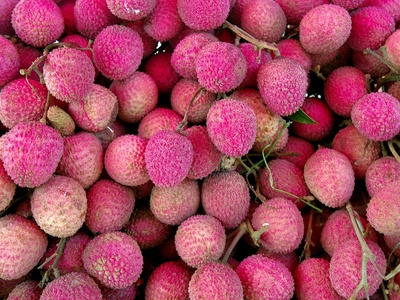
| Lychee | Litchi chinensis | Lychee | May–Jun |
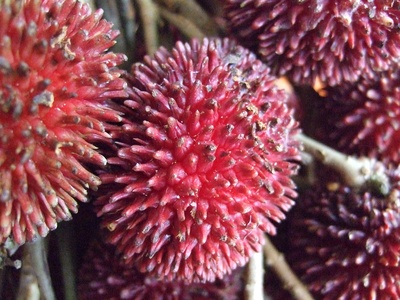
| Pulasan | Nephelium ramboutan-ake | Pulasan | Jul–Sep |
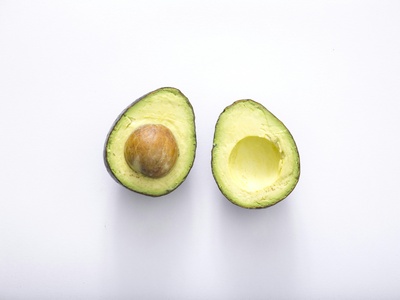
| Avocado | Persea americana | Avocado, Abukado | Aug–Nov |
| Passionfruit | Passiflora edulis | Passionfruit, Marangis | Aug–Nov |
| Cacao | Theobroma cacao | Cacao | Oct–Dec |
| Watermelon | Citrullus lanatus | Pakwan, Watermelon | Mar–Jun |
| Cantaloupe (Melon) | Cucumis melo | Melon, Cantaloupe | Mar–May |
| Strawberry | Fragaria × ananassa | Strawberry, Fresas | Nov–Mar |
Images and Descriptions
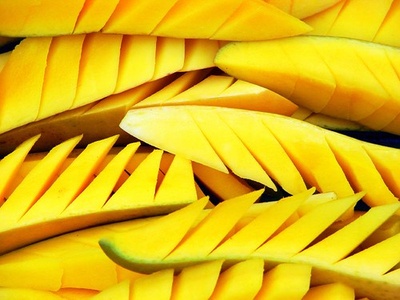
Mango
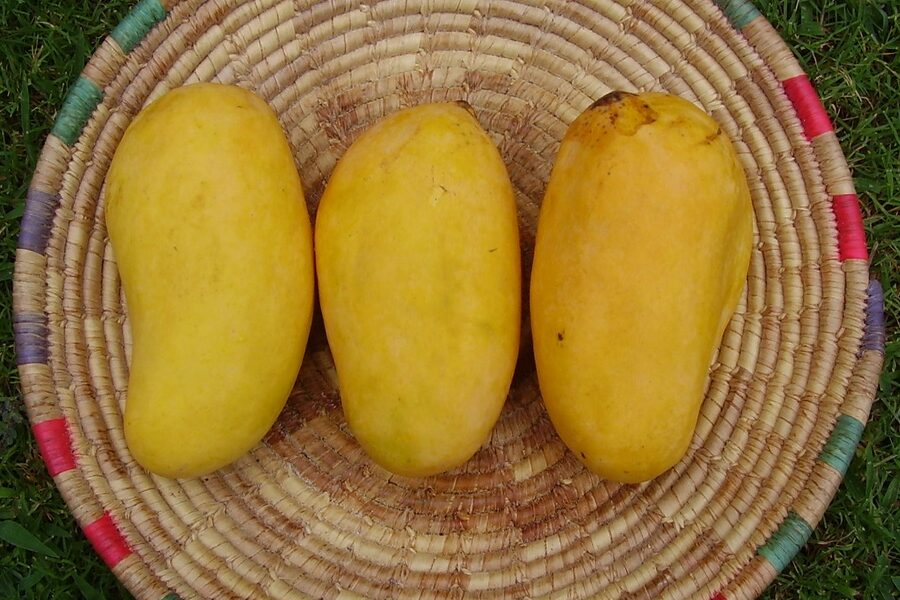
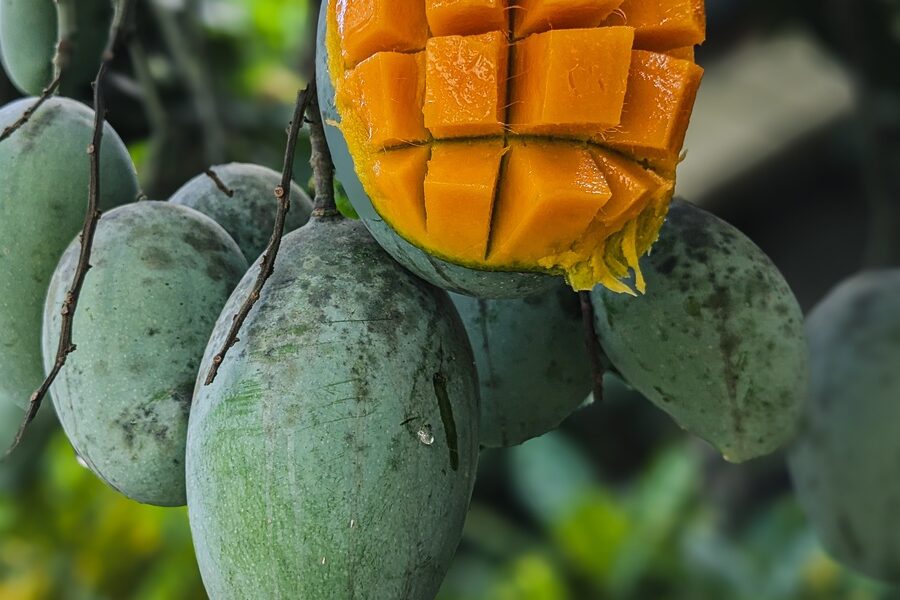
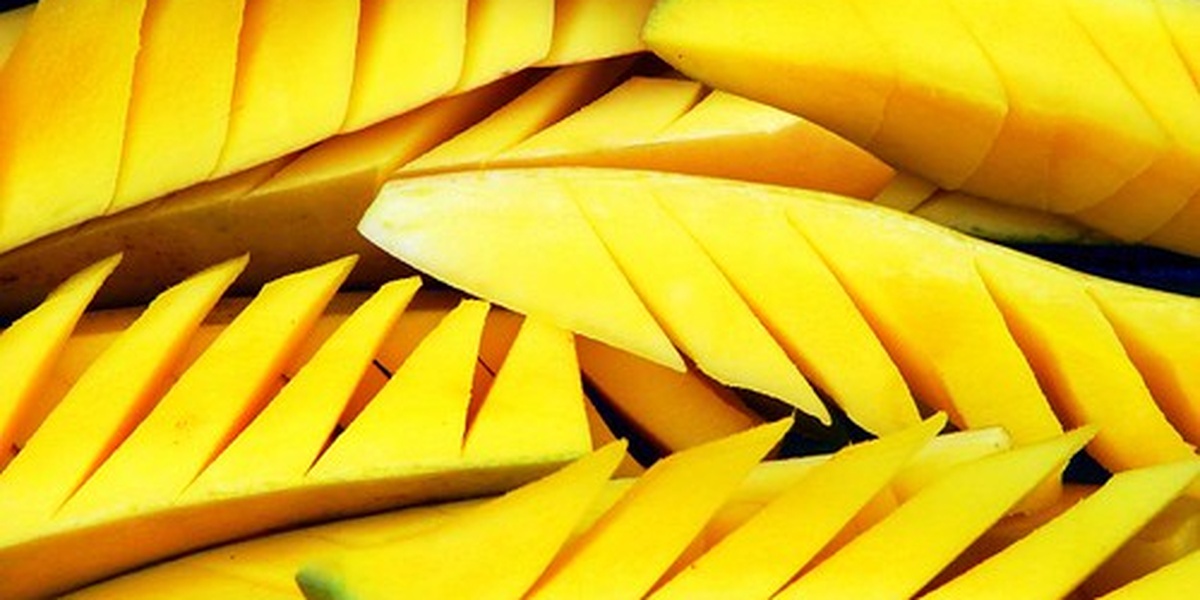
Philippine mangoes (notably Carabao) are famed for ultra-sweet, fibrous flesh. Grown in Guimaras, Zambales, Iloilo; peak Mar–Jun. Eaten fresh, dried, in shakes, chutneys, and desserts; central to festivals and export markets.
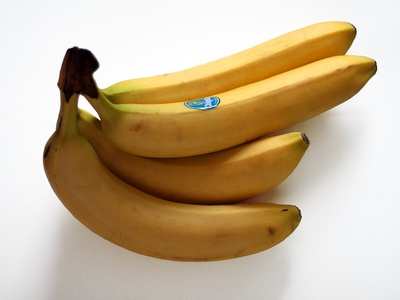
Banana
Bananas are ubiquitous across lowlands and plantations: dessert types (Latundan, Lakatan) and cooking saba. Available year-round with local peaks. Eaten fresh, fried, boiled, in snacks, desserts, and traditional dishes like turon and banana cue.
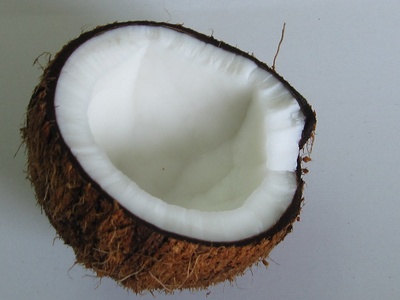
Coconut
Coconut palms are widespread on coasts and provinces; fruit used for water, tender buko meat, coconut milk, oil, and sweets. Available year-round; vital to Filipino cooking, beverages, and handicrafts from husk and shell.
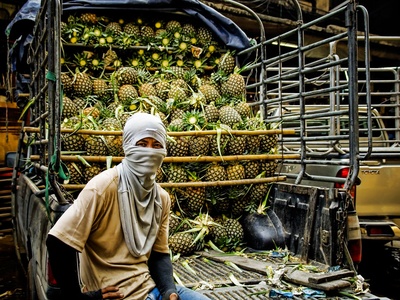
Pineapple
Pineapple plantations thrive in Mindanao and Bukidnon. Sweet-tart fruit eaten fresh, juiced, grilled, canned, or in kinilaw. Peak production often in late dry season; important for local processing and export.
Papaya
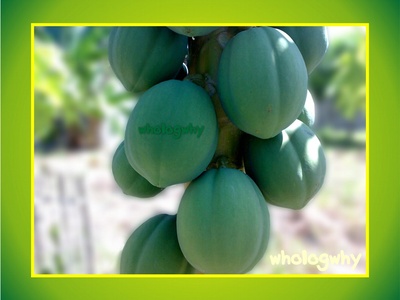
Papaya is a backyard and commercial tree crop across the islands. Soft, sweet orange flesh eaten fresh, in salads, smoothies, and cooked young as tinola ingredient; available year-round with local production peaks.
Guava
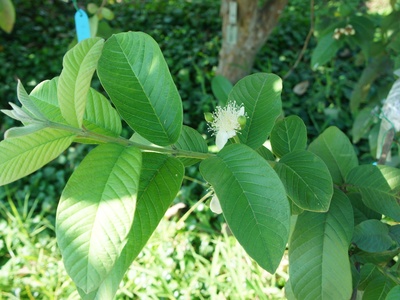
Guava trees grow in gardens and farms nationwide. Crunchy, aromatic fruits used fresh, in jams, juices, sinigang as souring agent, and candied. Available year-round with periodic harvest peaks.
Lanzones
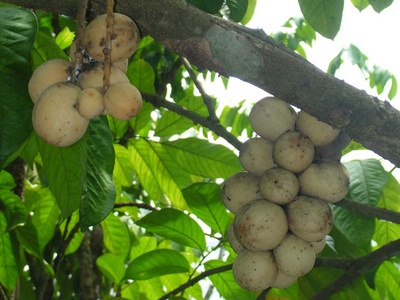
Lanzones are small, translucent fruits grown notably in Camiguin and Mindoro. Sweet-tart and juicy with thin skin; enjoyed fresh and celebrated in local festivals. Peak season is early autumn (often October).
Rambutan
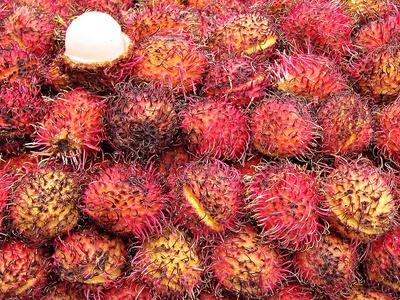
Rambutan bears hairy red fruits with juicy, lychee-like flesh. Widely cultivated in Luzon and Mindanao. Eaten fresh, used in preserves and salads; season generally mid-year with regional variation.
Durian
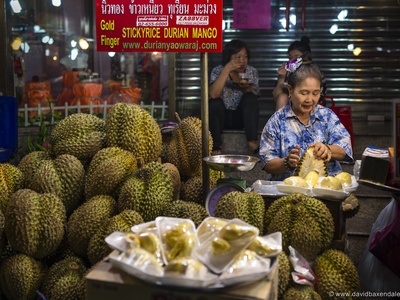
Durian thrives in Mindanao and Davao regions; famous for strong aroma and custardy, sweet flesh. Eaten fresh, in desserts and ice cream, or cooked in savory dishes. Season usually in mid-year.
Mangosteen
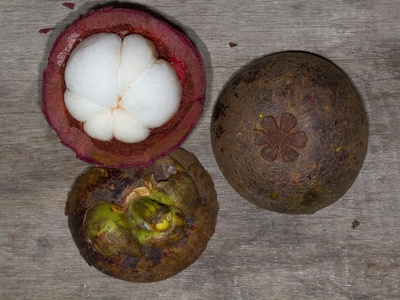
Mangosteen has thick purple rind and fragrant, sweet segments. Grown in southern islands and Mindanao. Eaten fresh and prized for delicate flavor; seasonal in mid to late year.
Jackfruit
Jackfruit is a large tree fruit common in backyards and farms. Sweet yellow bulbs eaten fresh, preserved, or used as vegetable substitute (unripe) in adobo and curry. Peak harvest in spring.

Sugar-apple (Atis)
Atis (sugar-apple) has segmented sweet, creamy flesh popular as a snack. Grown in lowland gardens nationwide. Eaten fresh, in shakes or desserts; seeds are discarded.
Soursop (Guyabano)
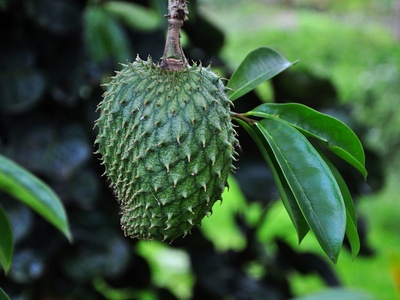
Guyabano bears large, soft, tart-sweet flesh used fresh or in shakes, ice cream, and traditional remedies. Common in lowland backyards and farms; season peaks in middle of the year.
Star apple (Caimito)
Caimito has glossy purple or green rind and sweet, jelly-like segments. Grown in Luzon and Visayas gardens. Eaten fresh; prized for dessert quality during late year months.
Sapodilla (Chico)
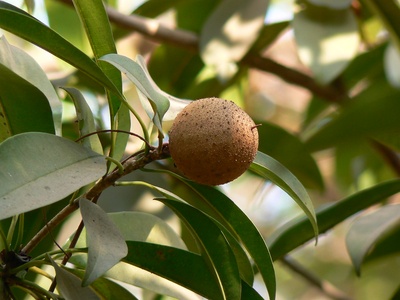
Chico has grainy, sweet caramel-like flesh. Cultivated in lowland backyards and farms. Eaten fresh or in shakes and desserts; season often late rainy to early dry months.
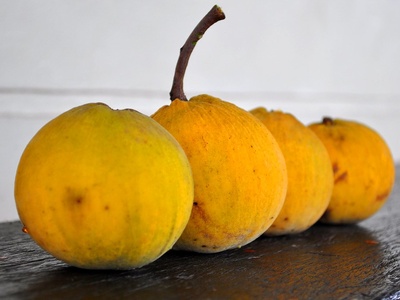
Santol
Santol yields mildly sweet to sour pulp inside thick rind. Found in many provinces and used fresh, pickled, or candied and as souring ingredient in regional dishes. Season mid-year.
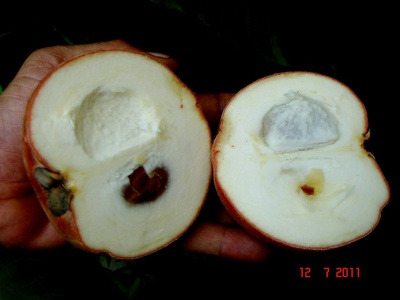
Mabolo (Velvet apple)
Mabolo is a Philippine native with velvety-skin and cream-to-orange flesh, fragrant and slightly tangy. Grown in lowland gardens, eaten fresh or in local snacks; culturally notable in older varieties.
Bignay
Bignay produces small red-to-black berries used fresh, in wines, jams, and souring agents. Common in secondary forests and farms. Harvest peaks late rainy season into early dry months.
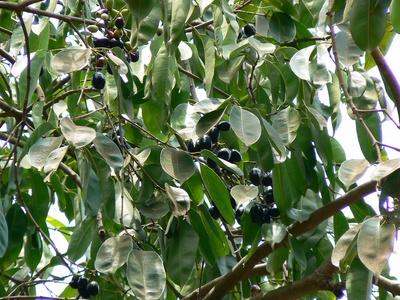
Duhat (Java plum)
Duhat bears dark purple, tangy-sweet berries eaten fresh, as preserves, or in local wines and vinegar. Common in backyards and roadsides; season usually late spring to early summer.
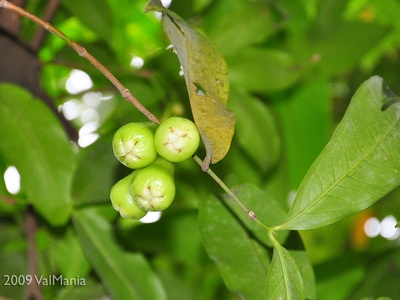
Macopa (Wax apple)
Macopa are bell-shaped, crunchy fruits with watery mild flavor. Grown in lowland orchards and urban gardens, enjoyed fresh, in salads, or as chilled snacks during warm months.
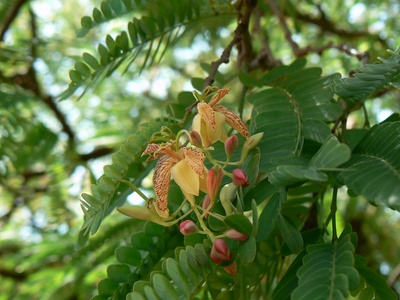
Tamarind (Sampalok)
Tamarind produces brown pods with tangy-sour pulp widely used as a souring agent in sinigang, sauces, candies, and drinks. Trees are common in villages; pods mainly harvested in dry season.
Bilimbi (Kamias)
Kamias yields very sour green fruits used as souring agents in soups, pickles, and condiments. Grows in home gardens and roadside trees; available year-round with periodic heavy fruiting.
Starfruit (Balimbing)
Starfruit is crisp, juicy, mildly sweet-tart and grown widely. Used fresh, in juices, salads, and preserves; peak production often in early rainy season months.
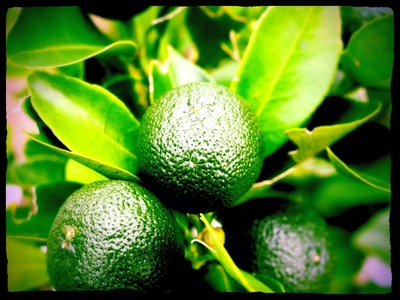
Calamansi
Calamansi is the quintessential Filipino citrus: tiny, very tart, used as condiment, drink base, in marinades and desserts. Grown in gardens and orchards; harvested throughout the year.
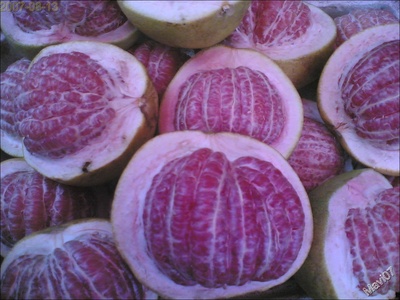
Pomelo (Suha)
Pomelo is a large citrus with sweet to mildly tart segments, grown in upland orchards and backyard trees. Eaten fresh, in salads, and offered at festivals; classic winter-season fruit.
Dalandan (Philippine orange)
Dalandan is a local sweet-sour orange commonly juiced or eaten fresh. Grown in backyard trees and small farms; peaks in cooler months and widely used in breakfasts and refreshers.
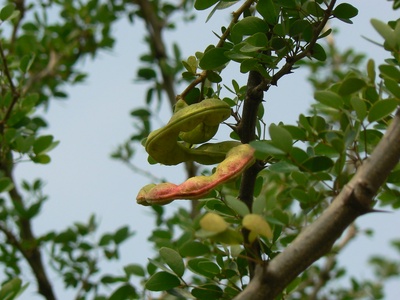
Camachile (Manila tamarind)
Camachile produces pods with sweet-sour pulp eaten fresh as snack. Common in rural areas and roadsides; kids and markets enjoy the chewy pulp during its short seasonal run.
Cashew apple
The cashew apple is juicy, tropical and astringent, produced alongside the cashew nut. Grown in some coastal provinces; eaten fresh, fermented into wine, or cooked into chutneys during harvest.
Marang
Marang, valued in Mindanao, offers soft, fragrant, sweet segments similar to jackfruit. Found in Davao and southern islands; eaten fresh and sometimes in desserts during late rainy season.
Lychee
Lychee trees are grown in some Mindanao and Bicol orchards. The translucent, floral-sweet flesh is eaten fresh or in chilled desserts; season tends to be late spring to early summer.
Pulasan
Pulasan is a close relative of rambutan with thick, easier-to-peel skin and sweet, firm flesh. Cultivated in select southern provinces; enjoyed fresh during mid-year fruiting.
Avocado
Avocados are grown in highland areas like Bukidnon and parts of Mindanao. Creamy, mild flesh used in salads, shakes, and desserts. Season varies regionally but often peaks in the latter half of the year.
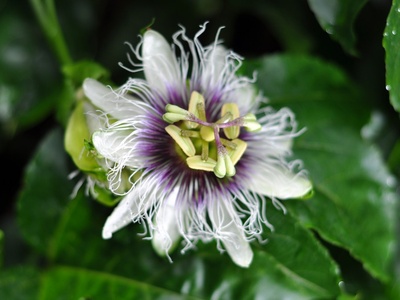
Passionfruit
Passionfruit vines are cultivated in highland farms. Tangy, seeded pulp is prized for juices, desserts, and flavors. Harvests often peak in late rainy to early dry season months.
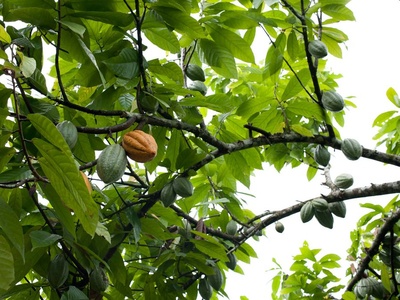
Cacao
Cacao pods grow in Mindanao and some Visayan farms; pulp is sweet and beans are fermented into chocolate. Fruit season peaks in the latter part of the year; local bean-to-bar initiatives are growing.
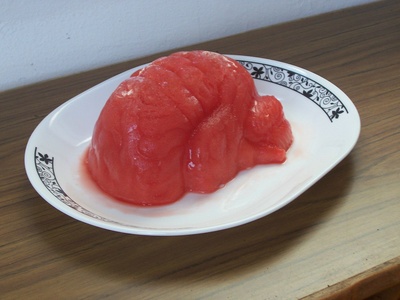
Watermelon
Watermelon is widely farmed in lowland provinces and sold in markets during hot months. Juicy, sweet flesh is a popular refreshment and street snack in the dry season.
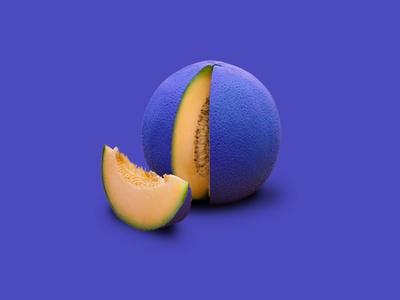
Cantaloupe (Melon)
Cantaloupes are grown in arid farming areas and highland greenhouses. Sweet orange flesh is eaten fresh, in salads, or as chilled fruit; commonly available in summer months.
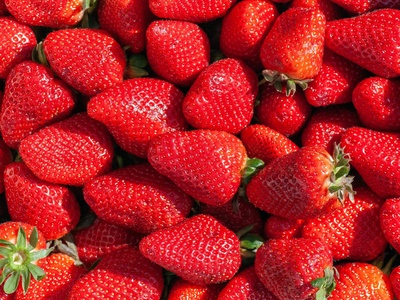
Strawberry
Strawberries are cultivated in highland towns like Baguio. Sweet-tart berries are sold fresh, in jams and desserts—prime season during cool months (winter to early dry season).