Albania’s mix of Adriatic and Ionian coasts, inland wetlands and mountain forests makes it a crossroads for plants and animals moving in from surrounding regions. Roads, shipping and changing land use have opened pathways for non-native species to establish, affecting farms, waterways and urban neighborhoods.
There are 16 Invasive Species in Albania, ranging from the Asian tiger mosquito to Tree-of-heaven. Each entry below is organized with the Scientific name,Category,Albanian distribution and status so you can see where a species occurs and how established it is — you’ll find the full list and details below.
How do invasive species like the Asian tiger mosquito or Tree-of-heaven impact Albania?
They can outcompete native plants, alter habitats and harm agriculture, and some (like the Asian tiger mosquito) pose direct health risks by spreading disease. Economic costs come from control measures, lost yields and infrastructure damage, while ecological effects include reduced biodiversity and changed fire or flood regimes.
What should I do if I think I’ve found an invasive species?
Take clear photos, note the exact location and habitat, avoid moving the specimen, and report it to local environmental authorities, university research groups or national invasive species portals. Simple prevention steps—cleaning boots and boat hulls, checking nursery plants, and not releasing pets—help stop new arrivals.
Invasive Species in Albania
| Common name | Scientific name | Category | Albanian distribution and status |
|---|---|---|---|
| Common ragweed | Ambrosia artemisiifolia | plant | Widespread lowlands and disturbed sites (Shkodër, Lezhë, Durrës, Tirana, Fier, Korçë); established invasive |
| Tree-of-heaven | Ailanthus altissima | plant | Urban areas, roadsides and disturbed sites nationwide (Tirana, Durrës, Vlorë, Shkodër); established invasive |
| Black locust | Robinia pseudoacacia | plant | Widespread along roads, forest edges and degraded hillsides (central and northern Albania); established and spreading |
| Box elder | Acer negundo | plant | Riparian corridors and disturbed urban sites (Drin, Shkumbin valleys, Shkodër area); established invasive |
| False indigo | Amorpha fruticosa | plant | Floodplains and riverbanks (lower Drin, Vjosa and Shkumbin systems); invasive and expanding |
| Canada goldenrod | Solidago canadensis | plant | Roadsides, disturbed fields and urban fringes (Tirana, Durrës, Fier); established invasive |
| Asian tiger mosquito | Aedes albopictus | insect | Coastal and urban areas (Durrës, Vlorë, Tirana), established |
| Mosquitofish | Gambusia holbrooki | fish | Ponds, irrigation canals and small reservoirs across lowland Albania (Fier, Vlorë, Shkodër); established invasive |
| Black rat | Rattus rattus | mammal | Widespread in coastal towns, ports, farms and urban areas; established invasive/commensal |
| Brown rat | Rattus norvegicus | mammal | Widespread urban, port and riverside areas nationwide; established invasive |
| House mouse | Mus musculus | mammal | Ubiquitous in buildings, farms and storage facilities; established invasive |
| Prussian carp | Carassius gibelio | fish | Lakes, canals and lowland rivers (Lake Shkodra and connected waterways); established invasive |
| Pumpkinseed sunfish | Lepomis gibbosus | fish | Recorded in inland lakes and reservoirs (e.g., Shkodra area); present and locally invasive |
| Prickly pear | Opuntia ficus-indica | plant | Coastal rocky and dune sites, scattered naturalized patches (southern and central coast); present and naturalized |
| Colorado potato beetle | Leptinotarsa decemlineata | insect | Agricultural areas and potato-growing regions (Korçë, Elbasan, Fier); established pest invasive |
| Japanese knotweed | Reynoutria japonica | plant | Localized records along disturbed riverbanks and transport corridors (reported near urban centers); present and invasive |
Images and Descriptions
Common ragweed
North American annual causing intense seasonal allergies and crop yield loss; invades roadsides, fields and fallow land. Control uses mowing before seed set, targeted herbicide and preventing seed dispersal; public-health monitoring recommended.

Tree-of-heaven
East Asian tree that rapidly colonizes pavement cracks and riverbanks, shading out natives and sprouting from roots. Management needs repeated cutting with herbicide or girdling and removal of seedlings; avoid planting.
Black locust
North American woody species planted for forestry that spreads via root suckers and seeds, alters soil nitrogen balance and reduces native diversity. Control by removing seedlings, cutting with stump treatment and avoiding further planting.
Box elder
North American maples naturalized along streams and floodplains, forming dense stands that displace native riverbank vegetation. Management includes removing young trees, cutting with herbicide treatment and restricting plantings.
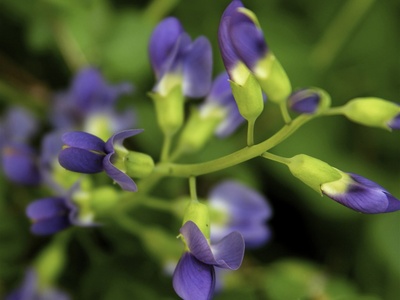
False indigo
North American shrub that colonizes river margins and gravel bars, reducing native floodplain vegetation and altering sediment dynamics. Control by mechanical removal, repeated cutting and herbicide on regrowth; restoration of native vegetation helps recovery.
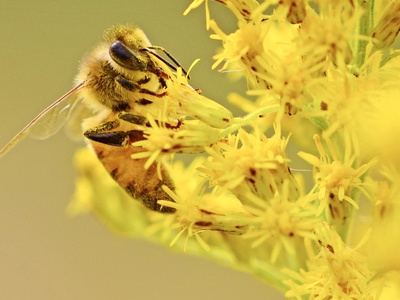
Canada goldenrod
Introduced from North America, forms dense perennial stands that outcompete meadow and agricultural plants. Management: regular mowing, spot herbicide application and preventing rhizome spread during soil movement.
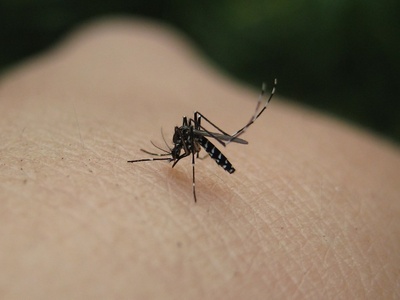
Asian tiger mosquito
Native to Southeast Asia, now common in Albanian towns; breeds in small containers, bites aggressively and can transmit dengue/ chikungunya. Manage with source reduction (remove standing water), larvicides, community engagement and targeted adulticide when necessary.
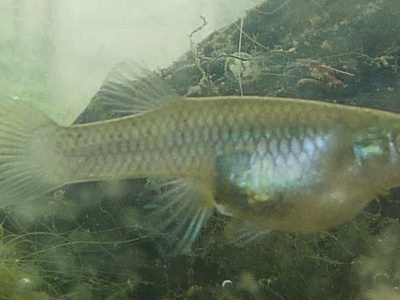
Mosquitofish
North American fish introduced for mosquito control; preys on native larvae and small fish, disrupting wetlands. Control by preventing stocking, removing from sensitive sites and protecting native habitats.
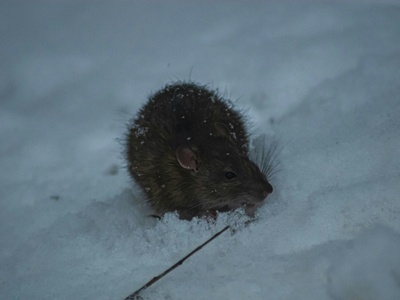
Black rat
Originally from Asia/Africa, black rats damage crops, prey on birds, and carry pathogens. Management relies on integrated rodent control: sanitation, trapping, baiting and securing food sources.
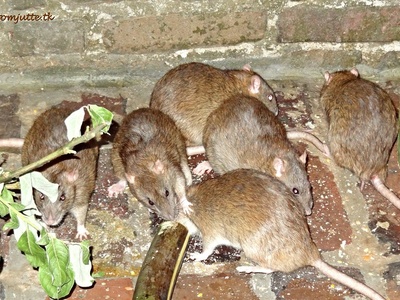
Brown rat
Cosmopolitan commensal causing infrastructure damage, contaminating food and spreading disease. Effective control uses integrated approaches: rodenticides (where safe), trapping, sanitation and habitat modification.
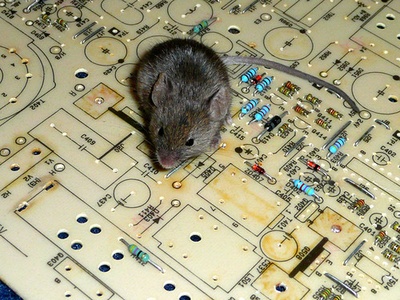
House mouse
Cosmopolitan introduced rodent that contaminates food, transmits disease and reduces stored-product value. Manage with exclusion, sanitation, trapping and monitoring to limit populations.
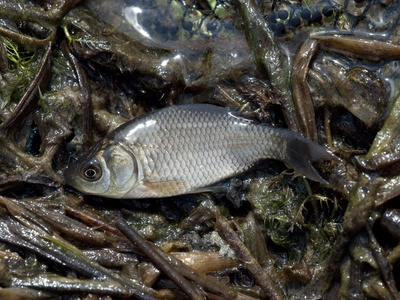
Prussian carp
East Asian cyprinid often outcompeting native fish, tolerating low oxygen and altering food webs. Control focuses on preventing transfers, targeted fishing and protecting refuges for native species.
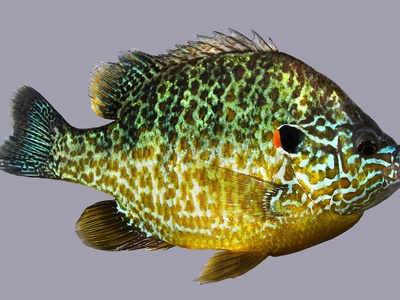
Pumpkinseed sunfish
North American sunfish introduced to ponds and lakes; preys on invertebrates and eggs, competing with native fish. Management: removal by angling, nets and preventing further introductions.
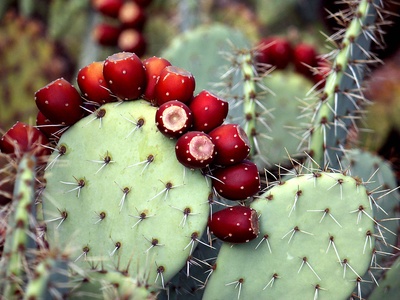
Prickly pear
Mexican cactus widely cultivated for fruit that has escaped into coastal habitats, forming dense patches that hinder native flora and access. Control with manual removal and careful disposal of pads; discourage planting near wild habitats.
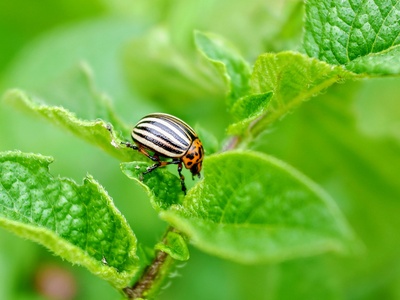
Colorado potato beetle
North American beetle defoliating potato and solanaceous crops, causing major yield losses. Management uses integrated pest management: crop rotation, resistant varieties, biological agents and targeted insecticides.
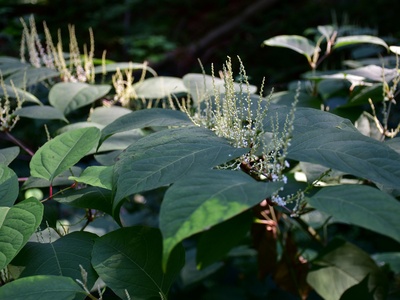
Japanese knotweed
East Asian perennial forming impenetrable stands that damage infrastructure and outcompete natives. Management requires persistent cutting with herbicide or excavation and careful rhizome disposal to prevent regrowth.