Egypt’s mix of the Nile, coastal wetlands and irrigated agriculture makes it a crossroads for plants and animals moving between Africa, Eurasia and the seas. That connectivity, plus trade, tourism and aquarium/plant trade, has allowed non-native species to establish in rivers, canals, lakes and coastal zones.
There are 25 Invasive Species in Egypt, ranging from Aquarium/ornamental goldfish to Water lettuce. Data are organized under Scientific name, Origin (native range), Egypt distribution, and details are in the list you’ll find below.
How do invasive species typically arrive and spread in Egypt?
They arrive through several pathways: ballast water and hull fouling from ships, canal and irrigation connections, deliberate or accidental releases from aquariums and horticulture, and agricultural imports. Once established, many spread along waterways, in disturbed soils or via human transport; warmer temperatures and altered habitats can accelerate establishment, so early detection and pathway management are key.
What practical steps can individuals take to reduce their impact?
Avoid releasing aquarium fish or plants, clean boats and fishing gear between water bodies, choose native plants for landscaping, and report unusual species sightings to local environmental authorities or university research groups; small actions help slow new introductions and make monitoring and control more effective.
Invasive Species in Egypt
| Name | Scientific name | Origin (native range) | Egypt distribution |
|---|---|---|---|
| Prosopis mesquite | Prosopis juliflora | Central & South America | Sinai, Western Desert, Nile fringes |
| Prickly pear | Opuntia ficus‑indica | Mexico & Central America | Desert margins, Sinai, Nile Delta outskirts |
| Water hyacinth | Eichhornia crassipes | Amazon Basin, South America | Nile, irrigation canals, reservoirs, Delta |
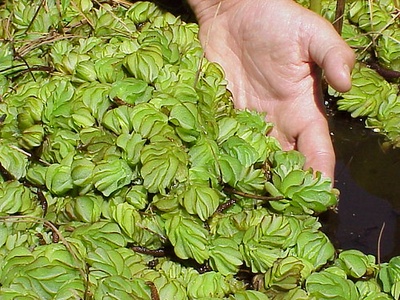
| Water lettuce | Pistia stratiotes | Tropical Americas | Nile, irrigation channels, Delta |
| Giant salvinia | Salvinia molesta | Brazil, South America | Irrigation channels, Nile Delta reports |
| Caulerpa (invasive turf) | Caulerpa taxifolia | Tropical Indo‑Pacific / Australia | Mediterranean coast (Alexandria, coastal reefs) |
| Caulerpa racemosa complex | Caulerpa cylindracea | Indo‑Pacific | Mediterranean coast, Suez Canal area |
| Veined rapa whelk | Rapana venosa | Northwest Pacific (Asia) | Mediterranean coast (Egyptian coastlines) |
| Comb jelly | Mnemiopsis leidyi | Western Atlantic (Americas) | Eastern Mediterranean including Egyptian waters |
| Tubeworm (biofouling) | Ficopomatus enigmaticus | Australasian origin (widely invasive) | Ports, Suez Canal, sheltered bays |
| Asian tiger mosquito | Aedes albopictus | Southeast Asia | Urban areas, Nile Delta, Cairo region |
| Red palm weevil | Rhynchophorus ferrugineus | South / Southeast Asia | Coastal oases, date palm plantations, Sinai |
| Fall armyworm | Spodoptera frugiperda | Americas | Maize and sorghum fields in Nile Delta and Upper Egypt |
| Tomato leafminer | Tuta absoluta | South America | Tomato crops in Nile Delta, greenhouse cultivation |
| Peach fruit fly | Bactrocera zonata | South & Southeast Asia | Fruit orchards in Nile Delta and Mediterranean coast |
| Common carp | Cyprinus carpio | Eurasia (widespread introductions) | Nile, lakes, irrigation reservoirs |
| Red‑eared slider (pet release) | Trachemys scripta elegans | Southeast USA (introduced globally) | Ponds, urban waterways, Nile margins (reports) |
| Brown rat | Rattus norvegicus | Asia (global commensal) | Urban areas, ports, agricultural sites nationwide |
| House mouse | Mus musculus | Origin debated (commensal with humans) | Urban and rural buildings nationwide |
| Parthenium weed | Parthenium hysterophorus | Central & South America | Disturbed sites in Sinai and Nile Delta reports |
| Prickly mesquite (common name variant) | Prosopis pallida | South America | Localized plantings and observed escapes (Sinai) |
| Aquarium/ornamental goldfish | Carassius auratus | East Asia (cultivated) | Urban ponds, irrigation ditches (escaped populations) |
| Tropical green mussel | Perna viridis | Indo‑Pacific (Asian) | Recordings in Suez/Red Sea port areas |
| Asian green algae invader (Caulerpa) | Caulerpa racemosa | Indo‑Pacific | Eastern Mediterranean coast, Suez vicinity |
| Mediterranean biofouler (Amphibalanus) | Amphibalanus improvisus | North American Atlantic origin (invasive globally) | Harbours, Suez Canal structures |
Images and Descriptions
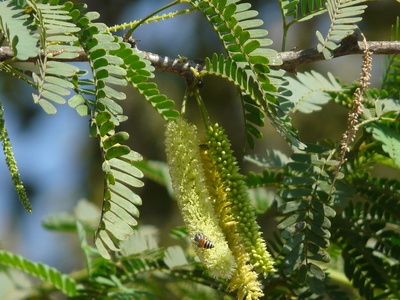
Prosopis mesquite
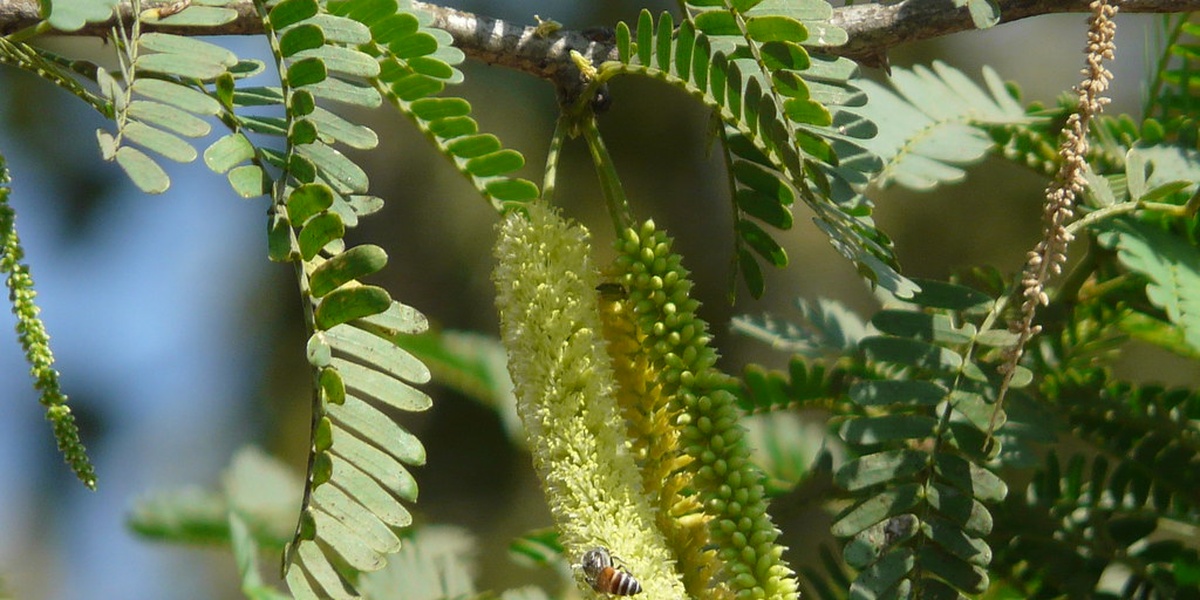
Tough, drought‑tolerant shrub/tree planted for shade and fodder that spreads into desert and rangeland, outcompeting native plants and altering soils. Causes grazing loss and pastoral conflict; control relies on mechanical removal and follow‑up replanting.
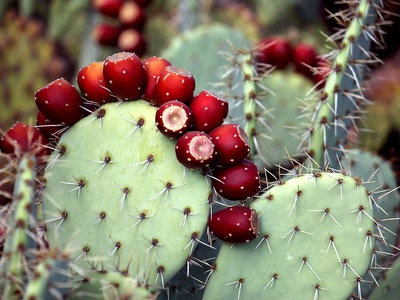
Prickly pear
Cactus introduced for fruit and fencing that has naturalised across drylands. Forms dense thickets that block livestock movement, reduce native vegetation and need mechanical or chemical control in sensitive habitats.
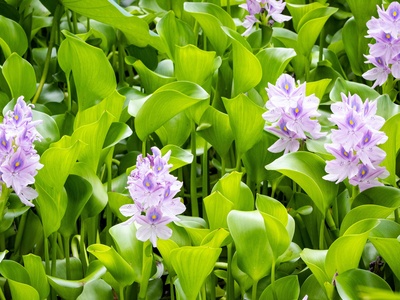
Water hyacinth
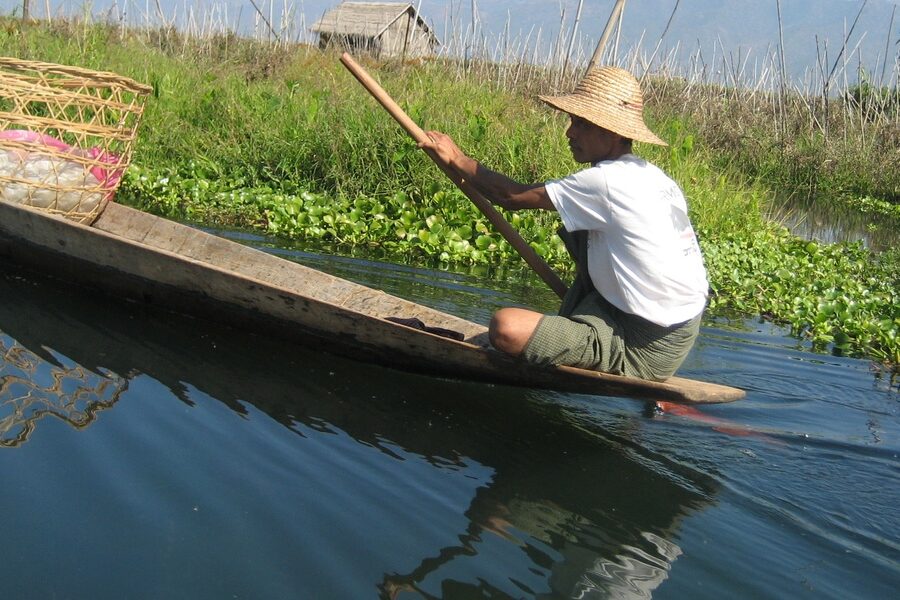
Floating plant that forms dense mats, clogging canals, reducing oxygen and harming fisheries and irrigation. Major nuisance species managed by mechanical removal, herbicides, and trials of biological control.
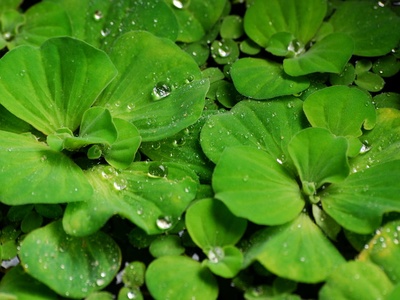
Water lettuce
Floating rosette plant that shades water, reduces oxygen and blocks waterways, impacting fisheries and irrigation. Widespread in slow waters; managed by mechanical clearing and local control campaigns.
Giant salvinia
Fast‑growing floating fern that mats water surfaces, disrupting irrigation and native plants. Reported in Egyptian waterways; management uses mechanical removal, herbicide and tested biological controls where feasible.

Caulerpa (invasive turf)
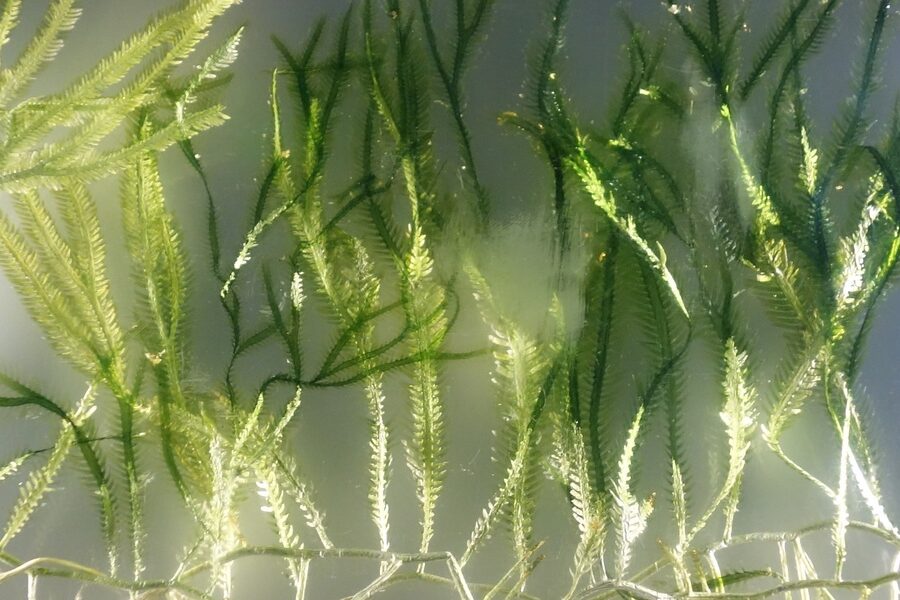
Marine seaweed noted for rapid spread and smothering of native seagrass and reef habitats along the Mediterranean coast. Causes habitat change and tourism/aquarium concerns; removal and monitoring are primary responses.
Caulerpa racemosa complex
Fast‑spreading invasive green alga that overgrows seafloor communities, replacing native algae and seagrasses. Widely recorded in Egyptian Mediterranean waters; management focuses on mapping and local removal.
Veined rapa whelk
Large predatory gastropod that preys on bivalves, altering shellfish communities and fisheries. Arrived in Mediterranean via shipping; monitored locally and impacts managed through fishery adjustments and surveys.
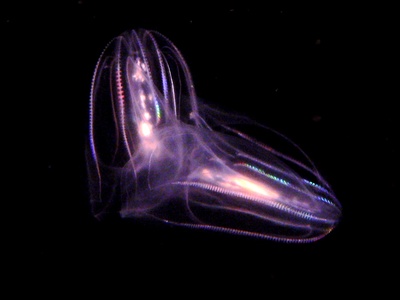
Comb jelly
Invasive gelatinous zooplankton that can bloom and outcompete fish larvae and plankton, disrupting fisheries. Documented in the region; management is focused on monitoring as eradication is not feasible.
Tubeworm (biofouling)
Sessile polychaete that forms dense calcareous reefs, fouling fouling surfaces, altering habitats and blocking infrastructure. Common in harbours and canals; managed by mechanical cleaning and anti‑fouling practices.
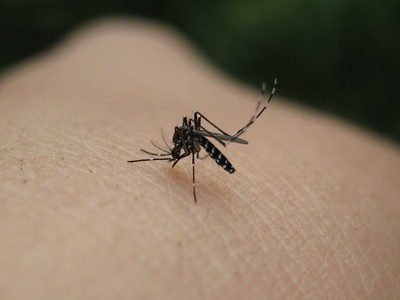
Asian tiger mosquito
Aggressive day‑biting mosquito introduced via trade; competent vector for dengue, chikungunya and Zika. Established in urban and peri‑urban Egypt; control uses surveillance, source reduction and insecticide campaigns.
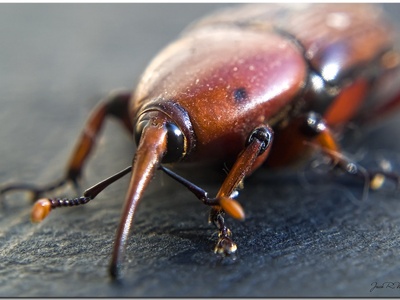
Red palm weevil
Beetle that bores into palms, causing canopy collapse and tree death; major pest of date palms and ornamental palms. Widespread outbreaks trigger trapping, sanitary felling and chemical/biological control efforts.
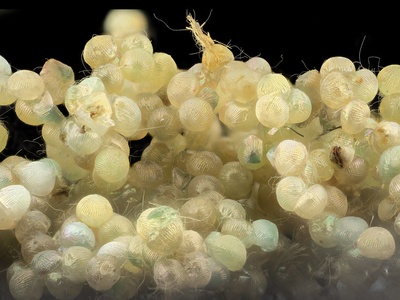
Fall armyworm
Highly mobile caterpillar pest that arrived in Africa recently and attacks maize and other crops, causing severe yield losses. Management uses monitoring, insecticides, biocontrol and integrated pest management.
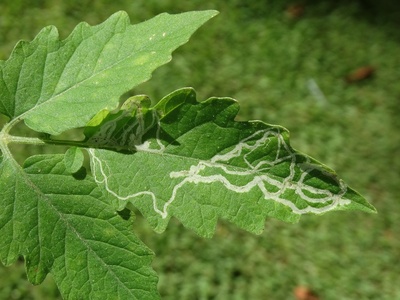
Tomato leafminer
Small moth whose larvae devastate tomato leaves and fruits; rapidly spread across Africa and Egypt causing big economic losses. Control requires pheromone trapping, insecticides and integrated pest management.
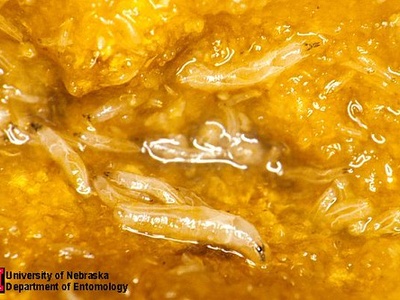
Peach fruit fly
Fruit fly attacking stone and other fruit; causes direct crop loss and trade quarantine issues. Managed with baiting, mass trapping, and quarantine measures.
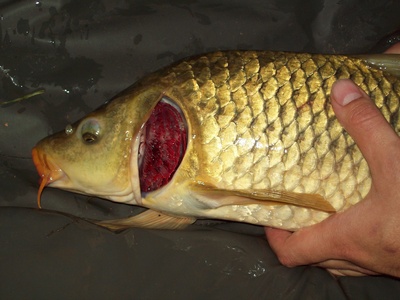
Common carp
Introduced for aquaculture and now widespread; benthic feeding disturbs sediments, reduces water quality and native vegetation, impacting fisheries and wetlands. Management is difficult; fishing and habitat restoration used locally.
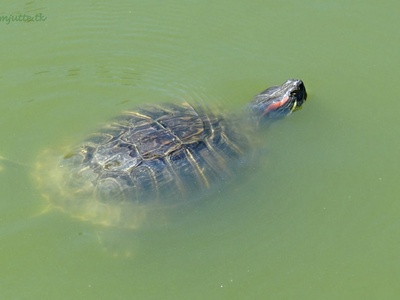
Red‑eared slider (pet release)
Popular pet turtle released into the wild; competes with native turtles and can carry disease. Recorded in Egyptian waterbodies; local removal and public awareness recommended.
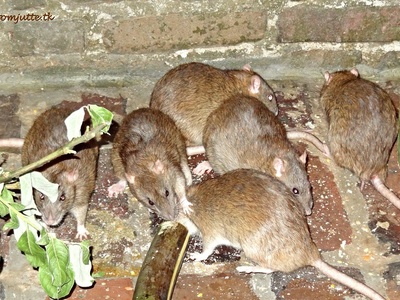
Brown rat
Commensal rodent introduced centuries ago that damages crops, stored food and transmits disease. Widespread in Egypt; managed via sanitation, trapping and rodenticides in integrated pest control.
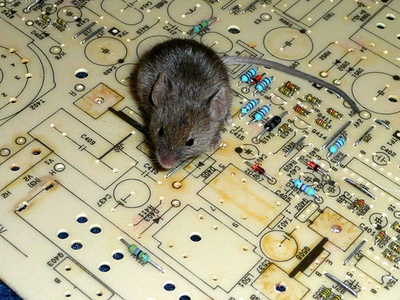
House mouse
Human‑associated small rodent that spoils stored food and transmits disease; long established and managed through sanitation, trapping and rodent control programs.
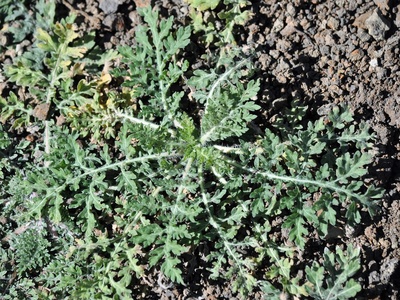
Parthenium weed
Highly allergenic herbaceous weed invading disturbed lands, pasture and roadsides, reducing biodiversity and causing health problems. Reported in Egypt; control includes mechanical removal and herbicide use.
Prickly mesquite (common name variant)
Related mesquite species used for fodder and shade; where it escapes it forms dense stands that displace natives and alter soils. Management similar to P. juliflora: removal and rehabilitation.
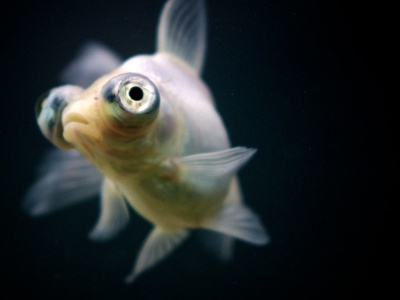
Aquarium/ornamental goldfish
Released ornamental fish that can survive in canals and ponds; they disturb sediments and compete with native fish. Local authorities encourage removal and prevent releases.
Tropical green mussel
Fast‑growing bivalve that can foul structures and compete with native species; introduced via shipping. Management in port areas focuses on monitoring and antifouling measures.
Asian green algae invader (Caulerpa)
Seaweed lineage that expanded into Mediterranean, smothering native seabed communities and altering food webs. Present along Egyptian Mediterranean shores; addressed through mapping and local removals.
Mediterranean biofouler (Amphibalanus)
Barnacle species that colonises artificial structures and alters fouling communities; contributes to maintenance costs in ports. Management via antifouling coatings and cleaning.