Hungary’s waterways, wetlands and agricultural lands are increasingly shaped by species that arrived from elsewhere, often hitching rides on trade, boats or released pets. These newcomers can alter food webs, harm native plants and animals, and create unexpected costs for land and water management.
There are 29 Invasive Species in Hungary, ranging from American mink to Zebra mussel. The list below is organized to make identification and distribution easy: Scientific name,Category,Distribution (HU) — you’ll find below.
How do these non-native species impact Hungary’s environment and local livelihoods?
Impacts vary by species but commonly include competition with native flora and fauna, predation on vulnerable species (for example, American mink preying on waterbirds), alteration of habitats, and infrastructure damage (Zebra mussel fouling pipes and boats); together these effects can reduce biodiversity, harm fisheries and raise management costs.
What can I do if I spot one of these species or want to help prevent their spread?
Report sightings to local conservation authorities or citizen‑science platforms used in Hungary, follow biosecurity steps like cleaning gear and not releasing pets, and support local monitoring efforts; early reporting and simple prevention measures are the most effective ways to limit spread.
Invasive Species in Hungary
| Name | Scientific name | Category | Distribution (HU) |
|---|---|---|---|
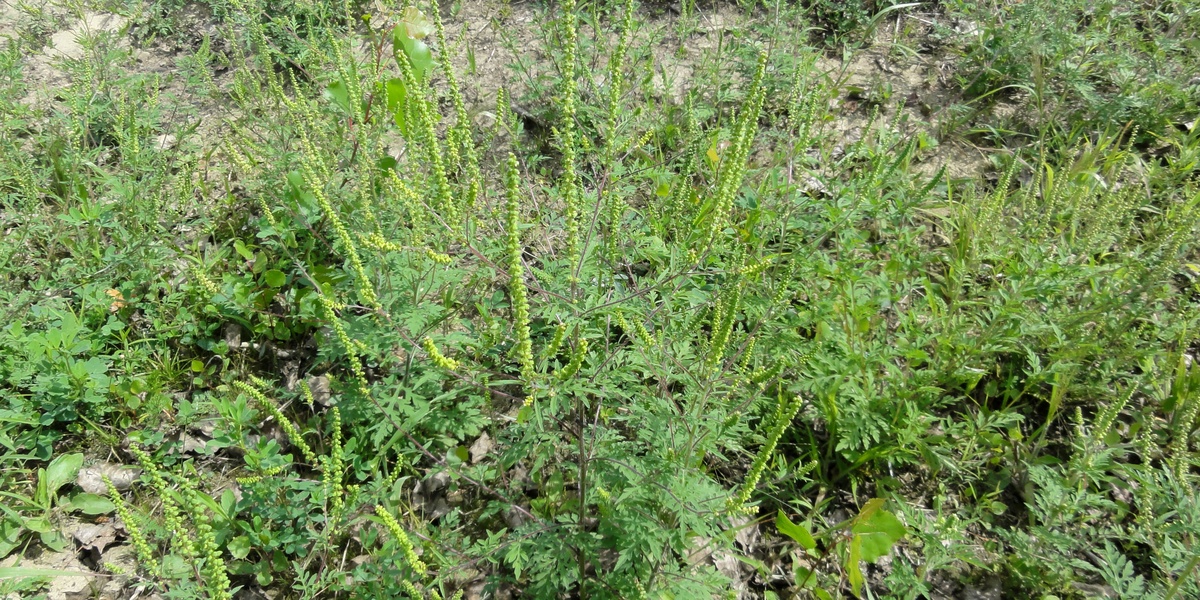
| Common ragweed | Ambrosia artemisiifolia | Plant | Widespread, Great Plain, riverbanks, arable fields |
| Canada goldenrod | Solidago canadensis | Plant | River floodplains, meadows, roadside edges nationwide |
| Giant goldenrod | Solidago gigantea | Plant | Wet meadows, riverbanks, eastern and central Hungary |
| Himalayan balsam | Impatiens glandulifera | Plant | Riverbanks, ditches and wet woods along Danube and tributaries |
| Japanese knotweed | Reynoutria japonica | Plant | Urban lots, riverbanks, roadsides across Hungary |
| Hybrid knotweed | Reynoutria x bohemica | Plant | Widespread in disturbed sites, rivers and rail corridors |
| False indigo-bush | Amorpha fruticosa | Plant | Danube–Tisza floodplains, riparian scrublands |
| Tree-of-heaven | Ailanthus altissima | Plant | Urban areas, roadsides, railways, southern and central counties |
| Black locust | Robinia pseudoacacia | Plant | Widespread woodlands, grasslands and roadsides nationwide |
| Boxelder | Acer negundo | Plant | Riparian woods, riverbanks and urban green spaces nationwide |
| Green ash | Fraxinus pennsylvanica | Plant | Danube–Tisza floodplains, riparian zones and wet forests |
| Giant hogweed | Heracleum mantegazzianum | Plant | Scattered river valleys, western and northern Hungary |
| Canadian waterweed | Elodea canadensis | Alga | Lakes, canals, slow-flowing rivers including reservoirs |
| Water primrose | Ludwigia grandiflora | Plant | Ponds, canals and slow waterways in scattered counties |
| Round goby | Neogobius melanostomus | Fish | Danube River, reservoirs and lower tributaries |
| Monkey goby | Neogobius fluviatilis | Fish | Danube and connected lowland waters |
| Zebra mussel | Dreissena polymorpha | Invertebrate | Danube, reservoirs and many lakes including Lake Balaton |
| Quagga mussel | Dreissena rostriformis bugensis | Invertebrate | Lake Balaton, large reservoirs and Danube sections |
| Asian clam | Corbicula fluminea | Invertebrate | Danube mainstem, backwaters and canals |
| Topmouth gudgeon | Pseudorasbora parva | Fish | Ponds, canals and lowland waters across the country |
| Red swamp crayfish | Procambarus clarkii | Invertebrate | Wetlands, rice fields, canals, southern and central Hungary |
| Spiny-cheek crayfish | Faxonius limosus | Invertebrate | Lowland rivers, canals and still waters |
| Nutria | Myocastor coypus | Mammal | Marshes, Danube floodplain, southern wetlands |
| Raccoon | Procyon lotor | Mammal | Widespread near settlements, riparian forests and wetlands |
| Raccoon dog | Nyctereutes procyonoides | Mammal | Forests, agricultural areas and wetlands nationwide |
| American mink | Neovison vison | Mammal | Rivers, wetlands and lakes across Hungary |
| Canada goose | Branta canadensis | Bird | Urban lakes, parks, wetlands and Danube floodplain nationwide |
| Colorado potato beetle | Leptinotarsa decemlineata | Invertebrate | Potato fields and arable land nationwide |
| Ash dieback fungus | Hymenoscyphus fraxineus | Fungus | Forests, roadside trees and urban ash stands across Hungary |
Images and Descriptions
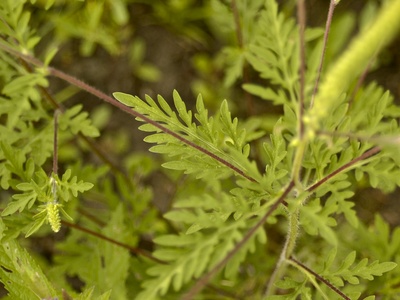
Common ragweed
Native to North America; prolific allergen and agricultural weed. Forms dense stands in disturbed soils, roadsides and fields, reducing crop yields and causing severe hay fever; recognizable by deeply lobed leaves and spiky green flower spikes.
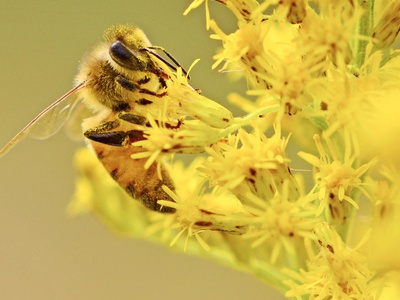
Canada goldenrod
North American perennial spreading by rhizomes and seed. Invades grasslands and riparian zones, outcompeting natives and reducing biodiversity; tall stems with dense clusters of yellow flowers in late summer make it easy to spot.
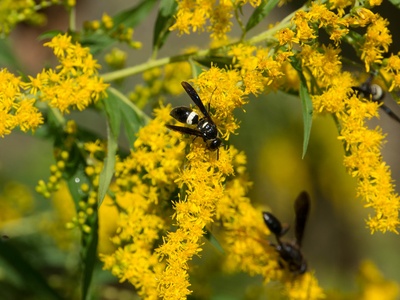
Giant goldenrod
Introduced from North America; forms dense colonies in wetlands and floodplains, shading native plants. Taller, plume-like yellow inflorescences and lance-shaped leaves identify it; alters plant communities and pollinator networks.
Himalayan balsam
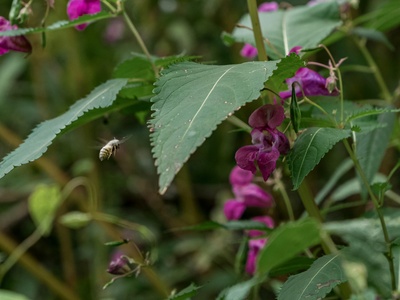
South Asian annual with explosive seed pods that spread rapidly along waterways. Crowds out native riparian plants, increases erosion; tall, pink, helmet-shaped flowers and succulent hollow stems are diagnostic.
Japanese knotweed
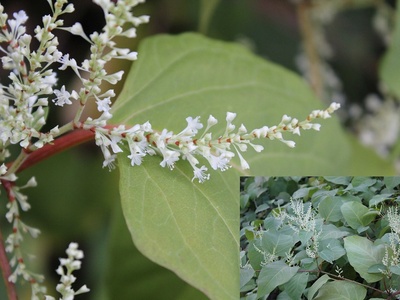
East Asian perennial known for vigorous bamboo-like canes and dense thickets. Damages infrastructure and native flora, difficult to eradicate; hollow, red-speckled stems and large heart-shaped leaves signal infestation.

Hybrid knotweed
Hybrid between Asian knotweeds; combines vigorous growth and resilience, forming impenetrable stands that displace natives and harm banks. Similar woody canes with variable leaf shape and clusters of small white flowers.

False indigo-bush
North American shrub invading floodplain forests and wetlands; fixes nitrogen and alters soil and plant communities. Recognizable by pinnate leaves and purple pea-like flower spikes; dense thickets reduce native biodiversity and change flood dynamics.
Tree-of-heaven
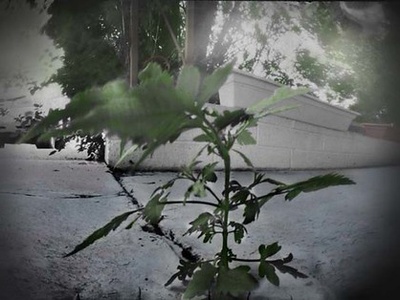
Native to China; fast-growing tree that invades disturbed sites and outcompetes natives with allelopathic chemicals. Pinnate leaves and smooth grey bark; prolific seed production and resprouting make control difficult.
Black locust
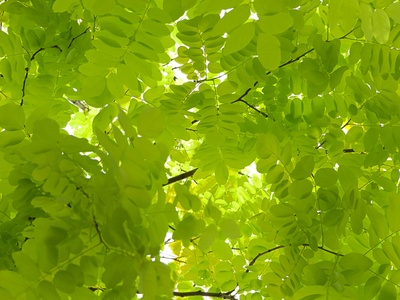
North American tree widely naturalized; forms dense stands that alter soil nitrogen and native communities. Fragrant white pea-like flowers and thorny branches; valued historically but now considered invasive in many Hungarian habitats.
Boxelder
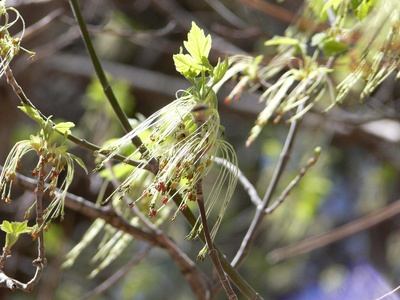
North American maple that colonizes disturbed and floodplain sites. Fast-growing with compound leaves and coarsely serrated leaflets; crowds out native floodplain species and alters succession.
Green ash
North American ash introduced for forestry and bank stabilization. Colonizes riverbanks and woodlands, competing with native trees; opposite pinnate leaves identify it. Alters floodplain composition and can hybridize with native ashes.
Giant hogweed
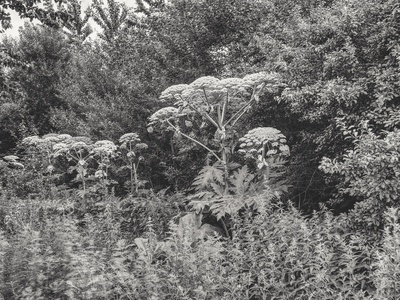
Caucasus origin; large phototoxic plant causing severe skin burns and shading natives. Massive umbrella-like white flower heads up to 1.5 m across and hollow spotted stems make it unmistakable along roadsides and riparian zones.
Canadian waterweed
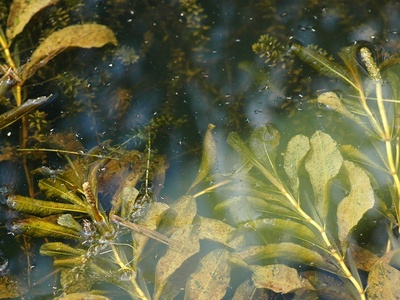
North American submerged plant forming dense underwater stands that clog waterways, hinder recreation and displace native macrophytes. Bright green, whorled leaves on flexible stems; rapid vegetative spread by fragments.
Water primrose
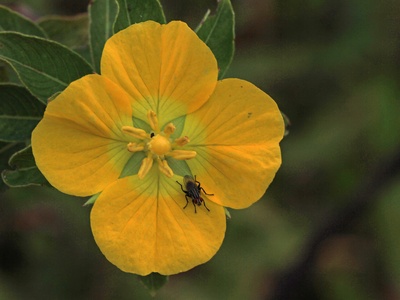
South American aquatic invader forming floating mats that choke water bodies, reduce oxygen and outcompete natives. Large glossy leaves, yellow flowers, and sprawling stems; hard to control once established.
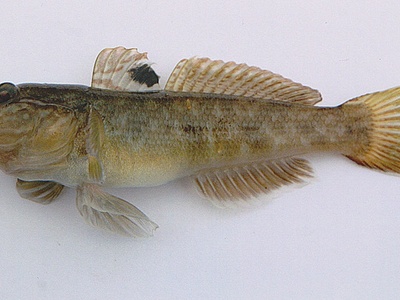
Round goby
Ponto-Caspian fish introduced via shipping; aggressive competitor and predator altering benthic communities. Mottled, goby-shaped fish with fused pelvic fins; abundant in gravelly shallows and associated with declines of native fish and mussels.
Monkey goby
Ponto-Caspian origin; benthic predator that competes with native fishes and alters food webs. Small brown goby with rounded head and fused pelvic sucker; common on sandy and muddy substrates.
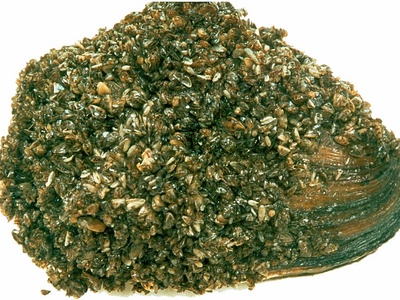
Zebra mussel
Native to Ponto-Caspian basin but invasive in European waters; filters huge volumes, fouls infrastructure and alters food webs. Small striped bivalves attached to hard surfaces in dense colonies.
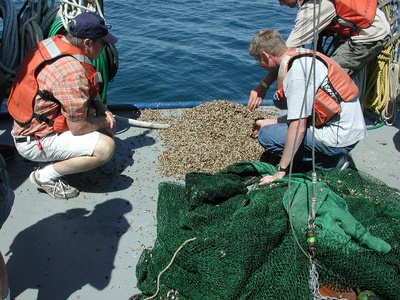
Quagga mussel
Related to zebra mussel; colonizes deeper waters and pelagic zones, outcompeting natives and fouling facilities. Smooth, rounder shells and rapid population growth cause economic and ecological impacts.
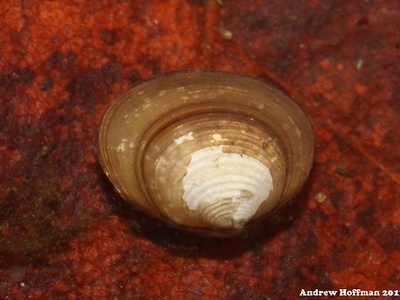
Asian clam
Asian freshwater bivalve that forms dense beds, alters sediment and competes with native bivalves. Small, rounded yellowish shells; rapid reproduction leads to clogging of intake pipes and ecological changes.
Topmouth gudgeon
East Asian invader carrying diseases and competing with native cyprinids. Small silver fish with forked tail and blunt snout; establishes dense populations, affecting native fish recruitment.
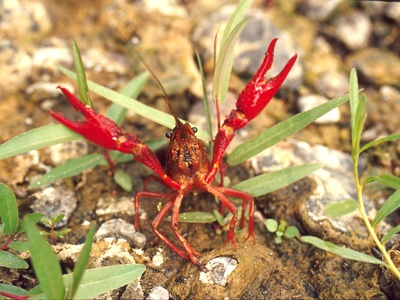
Red swamp crayfish
Mississippi basin origin; burrowing crayfish that modifies banks, preys on native fauna and spreads disease. Bright red to brown adults with large chelae; major ecosystem engineer and agricultural pest.
Spiny-cheek crayfish
North American species introduced via aquaculture; competes with native crayfish, carries crayfish plague and alters benthic habitats. Small to medium, spiny rostrum and variable coloration; widespread in lowland waterways.
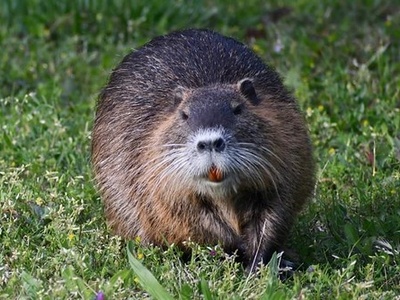
Nutria
South American semi-aquatic rodent introduced for fur farming; eats large amounts of aquatic vegetation, causing bank erosion and habitat loss. Robust, dark-furred with white muzzle and long orange incisors.
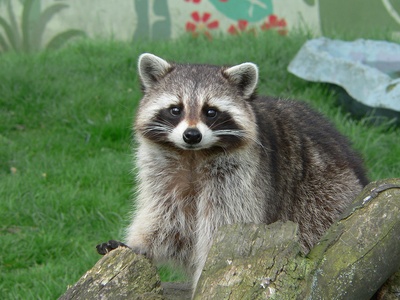
Raccoon
Native to North America; omnivorous and adaptable, raiding nests and crops, spreading disease and altering native fauna. Masked face, ringed tail and dexterous forepaws; common in urban and rural habitats.
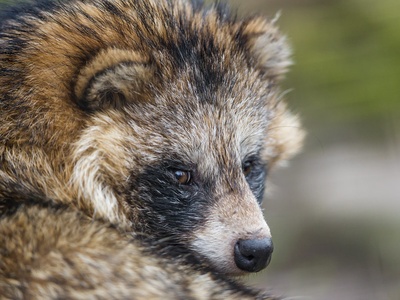
Raccoon dog
East Asian canid established across Hungary; forages widely and preys on ground-nesting birds and amphibians, potentially competing with natives. Small, doglike with dense fur and nocturnal habits.
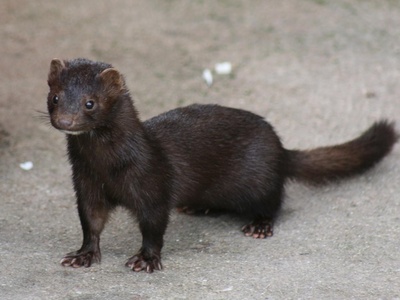
American mink
North American mustelid introduced from fur farms; preys on fish, birds and amphibians, contributing to declines of native waterbirds. Sleek, dark brown body and pointed face; often found near water.
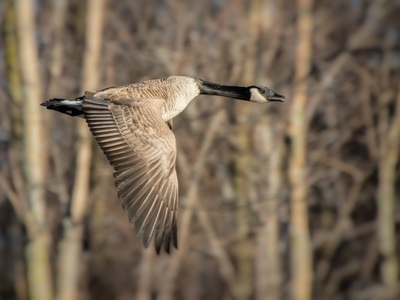
Canada goose
North American goose that forms large resident flocks, fouls lawns and waterways, competes with native waterfowl and damages crops. Large, black head and white cheek patch; often seen in urban and agricultural landscapes.
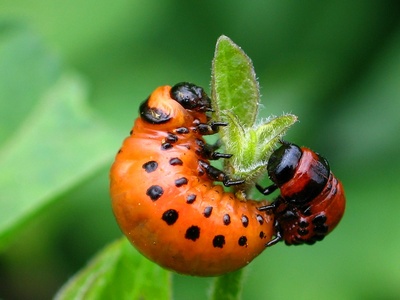
Colorado potato beetle
Native to North America and major agricultural pest; defoliates solanaceous crops and rapidly develops insecticide resistance. Rounded yellow-striped beetles and orange larvae; causes significant economic losses to potato growers.
Ash dieback fungus
East Asian fungus causing widespread ash mortality in Europe. Invades leaves and vascular tissue leading to dieback and tree death; small blackened lesions and crown dieback are common symptoms, threatening native ash populations.