Monaco’s compact coastal landscape and concentrated urban greenery make it unusually exposed to species arriving by sea, trade and travel. Warm winters and landscaped gardens create pockets where non‑native plants and animals can survive and spread, so tracking which species are present matters for public health and biodiversity.
There are 7 Invasive Species in Monaco, ranging from Asian tiger mosquito to Norway rat. For each entry you’ll find below the data organized under Scientific name,Status in Monaco,Habitat / where found — you’ll find below.
How do these invasive species affect Monaco’s environment?
Impacts vary by species but include competition with native plants and animals, damage to coastal or garden habitats, and risks to public health (for example mosquitoes spreading nuisance bites or rats carrying disease). On a small, densely built territory like Monaco the ecological and social effects can be concentrated, so early detection and targeted control matter.
What practical steps can residents and visitors take to reduce spread?
Remove standing water, secure trash and food waste, avoid releasing non-native plants or pets, and clean boats or gear before moving between sites. Report unusual sightings to local authorities or environmental groups so infestations can be assessed and managed promptly.
Invasive Species in Monaco
| Name | Scientific name | Status in Monaco | Habitat / where found |
|---|---|---|---|
| Asian tiger mosquito | Aedes albopictus | Established, invasive mosquito | Urban areas, gardens, small water containers |
| Norway rat | Rattus norvegicus | Established, invasive commensal rodent | Sewers, ports, basements, urban edges |
| Black rat | Rattus rattus | Established, invasive commensal rodent | Buildings, ports, attics, trees |
| House mouse | Mus musculus | Established, commensal invasive rodent | Homes, shops, storage areas, urban green spaces |
| Caulerpa taxifolia | Caulerpa taxifolia | Invasive marine alga recorded locally | Shallow rocky seabeds, marina and harbor areas |
| Caulerpa cylindracea | Caulerpa cylindracea | Invasive marine alga established regionally and recorded locally | Rocky bottoms, seagrass beds, shallow coastal waters |
| Hottentot-fig | Carpobrotus edulis | Introduced, invasive coastal plant recorded locally | Coastal cliffs, rocky shores, disturbed coastal vegetation |
Images and Descriptions
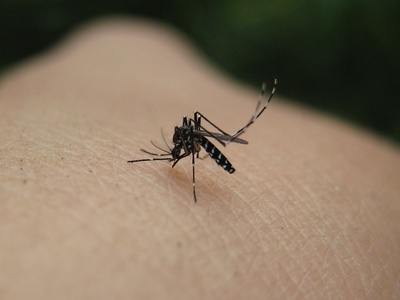
Asian tiger mosquito
Small black mosquito with white stripes on legs and body; bites daytime and can transmit dengue and chikungunya. Common in Monaco summers; control by removing standing water, using repellents and reporting heavy infestations to local health authorities.
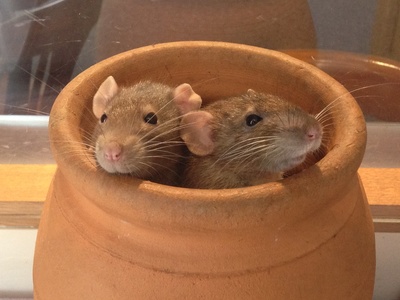
Norway rat
Large brown rat with blunt nose and heavy body; damages infrastructure, food stores and spreads pathogens. Widespread in urban Monaco; management focuses on sanitation, trapping and professional rodent control programs.
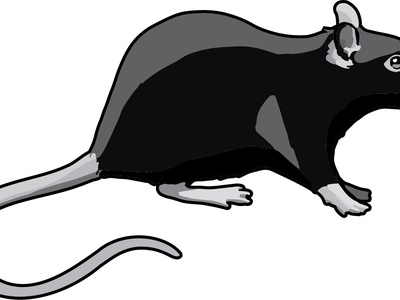
Black rat
Slender, agile rat with long tail and pointed snout that climbs well; damages wiring and stored goods and can transmit disease. Present around harbors and older buildings; control by exclusion, trapping and targeted baiting by professionals.
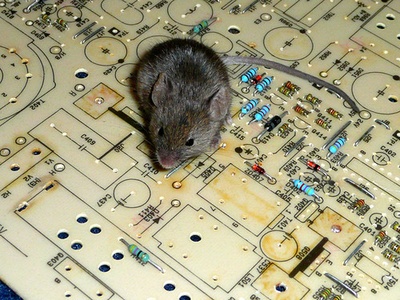
House mouse
Tiny gray-brown mouse that contaminates food, reproduces rapidly and is common in buildings. In Monaco it is a year-round pest; prevention via hygiene, sealing entry points, traps and professional advice is most effective.
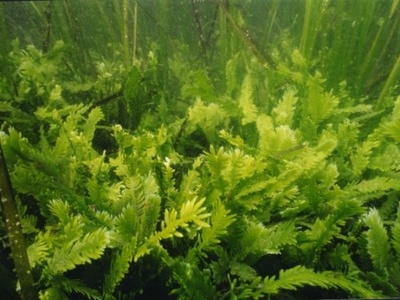
Caulerpa taxifolia
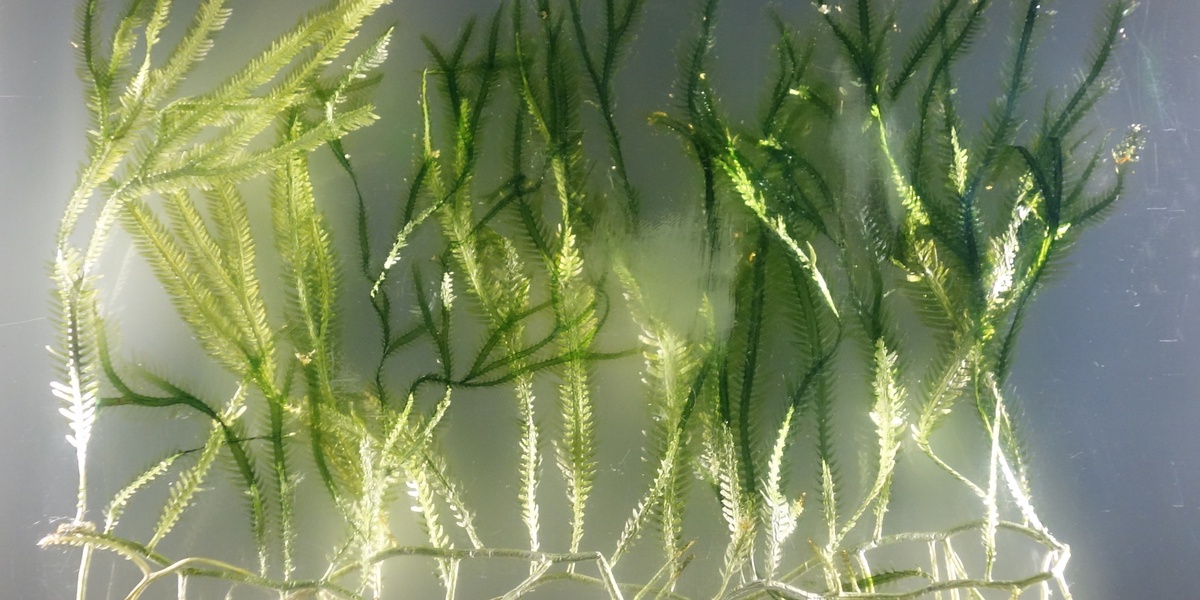
Bright green, feather-like seaweed that forms dense mats smothering native seafloor communities and seagrass. Recognizable by feathered fronds; management needs monitoring, physical removal and awareness to prevent fragmentation spread by boats.
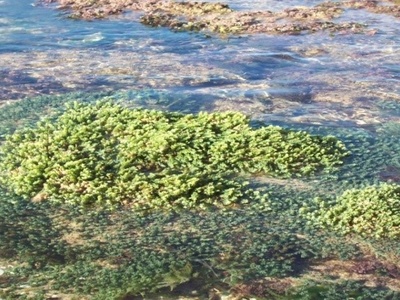
Caulerpa cylindracea
Yellow-green colonial alga forming dense carpets that displace native seagrasses and alter habitat. Spreads via fragments on anchors and equipment; identification and diver-led removal plus monitoring reduce local impacts.

Hottentot-fig
Low-growing succulent forming dense mats with fleshy leaves and large pink/yellow flowers; outcompetes native coastal plants and alters dune ecology. Control requires careful manual removal and disposal to avoid fragment spread.