Myanmar’s forests, rivers and farms are rich and varied, but those same habitats are increasingly affected by non-native plants and animals that alter ecosystems and local livelihoods. Understanding which species are encroaching and where they occur helps communities, researchers and managers prioritize responses.
There are 13 Invasive Species in Myanmar, ranging from Aedes mosquito to Water lettuce. For each entry you’ll find below the key fields organized as Scientific name,Status,Distribution (Myanmar) to make comparisons and mapping straightforward — you’ll find below.
How can I tell if a species is invasive in Myanmar?
Look for signs like rapid population growth, displacement of native species, dense single-species stands, or clear harm to crops, fisheries or human health. Confirm identification by scientific name, compare observations to published lists or databases, and check local reports. Photographs, dates and locations help experts verify whether a species is non-native and problematic.
Who should I contact to report a sighting or get help managing an invasive species?
Document the sighting (photo, GPS or locality, date) and contact local forestry or agricultural extension offices, a nearby university department (botany, ecology, entomology) or conservation NGOs working in your area; they can advise on verification, safe handling and next steps for control or formal reporting.
Invasive Species in Myanmar
| Name | Scientific name | Status | Distribution (Myanmar) |
|---|---|---|---|
| Water hyacinth | Eichhornia crassipes | Invasive | Ayeyarwady delta, Yangon rivers; freshwater ponds and lakes |
| Mikania | Mikania micrantha | Invasive | Southern and central lowlands; forests, fields, roadsides |
| Siam weed | Chromolaena odorata | Invasive | South and central disturbed areas, forest edges, roadsides |
| Lantana | Lantana camara | Invasive | Lowland roadsides, scrub and dry forests across lowlands |
| Parthenium weed | Parthenium hysterophorus | Invasive | Dry and central zones; croplands, roadsides, fallows |
| Giant sensitive plant | Mimosa pigra | Invasive | Wetlands and floodplains, Ayeyarwady delta and lowlands |
| Giant salvinia | Salvinia molesta | Invasive | Freshwater ponds, slow rivers in lowland wetlands |
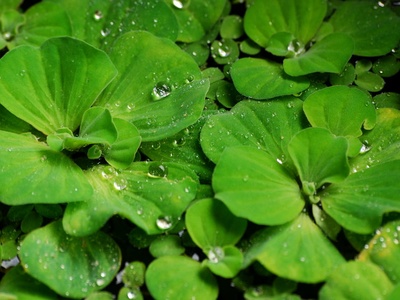
| Water lettuce | Pistia stratiotes | Established invasive | Lakes, ponds and slow rivers in delta and lowlands |
| Fall armyworm | Spodoptera frugiperda | Confirmed pest, invasive | Nationwide maize and cereal fields, especially central dry zone |
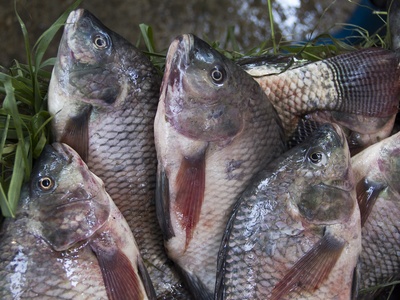
| Nile tilapia | Oreochromis niloticus | Introduced, established, invasive | Rivers, lakes and aquaculture sites in lower Myanmar |
| Golden apple snail | Pomacea canaliculata | Invasive agricultural pest | Paddy fields and wetlands in Ayeyarwady delta and lowlands |
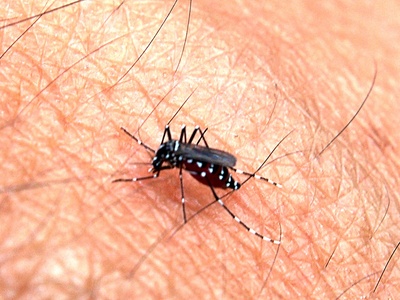
| Aedes mosquito | Aedes aegypti | Established invasive vector | Urban and peri-urban areas nationwide; container habitats |
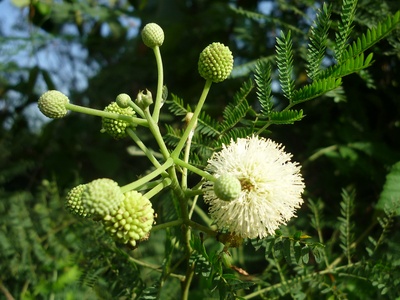
| Leucaena | Leucaena leucocephala | Naturalized, invasive in disturbed areas | Dry zones, roadsides and degraded sites across lowlands |
Images and Descriptions
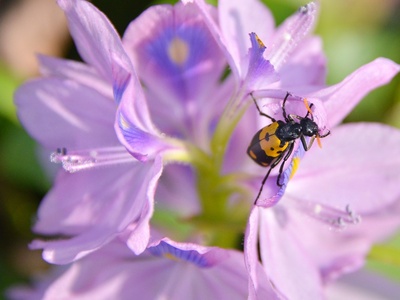
Water hyacinth
Floating perennial native to the Amazon basin, water hyacinth clogs rivers, irrigation and fisheries in Myanmar’s Ayeyarwady and Yangon waterways. Plants form dense mats that block transport, reduce fish stocks and increase evaporation. First reports mid-20th century; control ongoing.

Mikania
Fast-growing climbing vine from tropical Americas, Mikania smothers seedlings, crops and secondary forest in Myanmar’s lowlands. It spreads via windborne seeds and vegetative growth, forming choking mats that reduce biodiversity and crop yields. First widespread reports late 20th century.
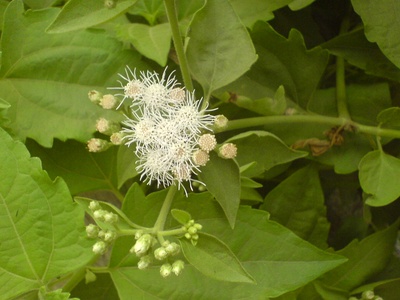
Siam weed
Shrub native to the Americas, Chromolaena forms dense stands on disturbed ground and forest edges across Myanmar’s south and central regions. It inhibits native plant recovery, fuels fires and complicates pasture management. Widely recorded since the late 20th century; control remains challenging.
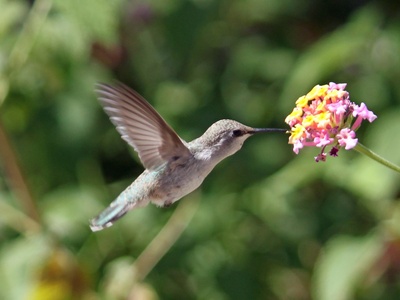
Lantana
Introduced shrub from the Americas, Lantana forms tangled thickets along roadsides, scrub and dry forests in Myanmar lowlands. It outcompetes native plants, is toxic to livestock and hinders regeneration. Widespread and persistent; mechanical and chemical control are commonly used.
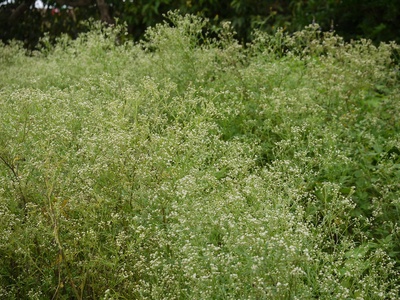
Parthenium weed
Aggressive annual weed from the Americas, Parthenium invades croplands, roadsides and fallow fields in Myanmar’s dry and central zones. It causes dermatitis and respiratory allergies, reduces pasture and crop yields. Detected in Myanmar since the 2000s and subject to control efforts.
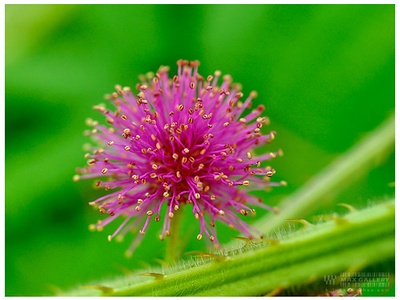
Giant sensitive plant
Spiny shrub from the Americas, Mimosa forms impenetrable stands in wetlands and floodplains, especially in delta and lowland marshes. It displaces native wetland plants, obstructs grazing and fishing access. Records in Myanmar exist but early introductions are poorly documented.
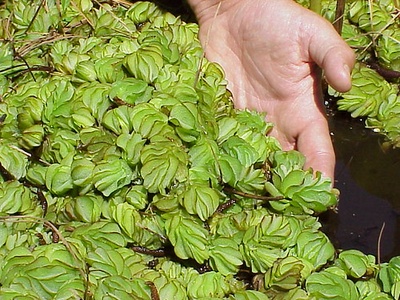
Giant salvinia
Free-floating fern native to South America, Salvinia can rapidly blanket ponds and slow rivers in Myanmar, blocking light and depleting oxygen. Dense mats harm fisheries, transport and water use. Reports exist from lowland wetlands; rapid response is needed to prevent spread.
Water lettuce
Floating perennial water lettuce from the Americas, Pistia forms mats in lakes, ponds and slow rivers across Myanmar. Mats reduce oxygen, hinder fishing, clog irrigation and provide mosquito habitat. Present in lowland waterways and managed locally where impacts occur.
Fall armyworm
Fall armyworm, native to the Americas, invaded Myanmar in 2019 and is now a confirmed pest on maize and other cereals. Caterpillars rapidly defoliate crops, causing major yield losses. Emergency monitoring and integrated pest management programs are active.
Nile tilapia
Nile tilapia from Africa, introduced for aquaculture and now established in some Myanmar rivers and lakes. Escapes compete with native fish, alter food webs and habitats. Adults commonly 20–35 cm; management focuses on containment and aquaculture regulation.

Golden apple snail
Golden apple snail from South America, Pomacea attacks young rice and other aquatic crops in Myanmar’s paddy fields and wetlands, causing heavy losses. Adults reach about 4–7 cm shell diameter. Reports from delta regions indicate established populations requiring farmer management.
Aedes mosquito
Mosquito originally from Africa, Aedes aegypti is established in Myanmar’s urban and peri-urban areas and transmits dengue and other viruses. It breeds in small containers and is a public health priority, controlled by source reduction and insecticide campaigns.
Leucaena
Fast‑growing legume tree from Central America, Leucaena naturalized across Myanmar’s dry zones, roadsides and disturbed sites. While used as fodder and shade, it forms dense stands that suppress native regeneration and alter soils. Management balances use and control.