Nicaragua’s lakes, wetlands and forests support rich native life but face growing pressure from non-native animals and plants. These arrivals can alter habitats, spread disease, and create challenges for farming, fisheries and conservation across both rural and urban areas.
There are 16 Invasive Species in Nicaragua, ranging from Aedes aegypti to Water hyacinth. For each species I list Scientific name, Native range (max 10 words), Nicaraguan distribution & habitat (max 15 words), and Description (30-50 words); the list highlights impacts, spread and habitats so you can quickly see which organisms pose public-health, agricultural or ecological risks — you’ll find below.
How do these invasive species affect people and ecosystems in Nicaragua?
Impacts vary: some are public-health threats (e.g., Aedes aegypti spreads disease), others clog waterways and harm fisheries (e.g., Water hyacinth), while many outcompete native plants or damage crops. The result is biodiversity loss, reduced ecosystem services, and costs for control and recovery.
What practical steps can communities take to limit their spread?
Early detection, reporting sightings to local authorities, coordinated removal efforts, cleaning boats and gear, responsible disposal of garden waste, and public education are effective. Strengthening biosecurity for nurseries and farms also reduces new introductions.
Invasive Species in Nicaragua
| Name | Scientific name | Native range (max 10 words) | Nicaraguan distribution & habitat (max 15 words) | Description (30-50 words) |
|---|---|---|---|---|
| Water hyacinth | Eichhornia crassipes | Amazon Basin, South America | Lake Nicaragua, Lake Managua, slow rivers, wetlands | Free-floating aquatic plant from the Amazon, introduced via ornamental trade and transport. Forms dense mats in Lake Nicaragua and other waterways, clogging channels, harming fisheries, boosting mosquitoes, lowering oxygen and water quality, and driving costly removal operations. |
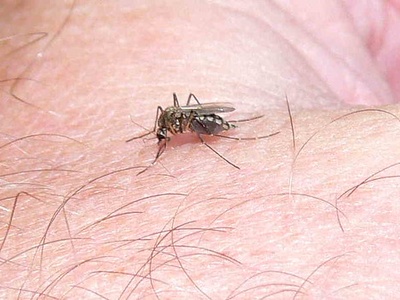
| Aedes aegypti | Aedes aegypti | Africa | Nationwide urban and peri-urban areas | Small mosquito originally from Africa, long established in Nicaraguan towns. Breeds in containers and spreads via human movement. Primary vector of dengue, Zika and chikungunya, causing recurrent outbreaks, public-health burdens and sustained vector-control efforts. |
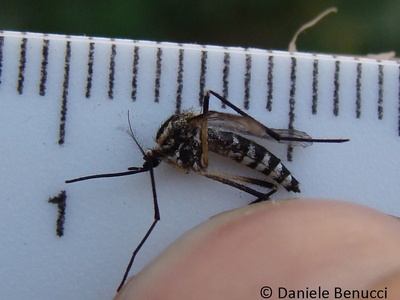
| Aedes albopictus | Aedes albopictus | Southeast Asia | Coastal and lowland urban/rural areas | The Asian tiger mosquito arrived via used tires and cargo, now established in lowland areas. Bites humans, competes with Aedes aegypti and increases arbovirus transmission risk, complicating disease control and surveillance in Nicaragua. |
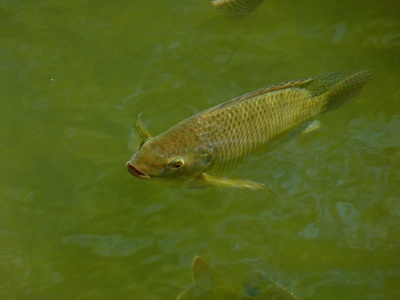
| Nile tilapia | Oreochromis niloticus | Africa | Lakes, reservoirs, aquaculture ponds nationwide | African cichlid introduced for aquaculture and food production. Escapes from farms to lakes and reservoirs, outcompeting native fish, altering food webs and habitats, spreading disease and reducing catches for small-scale fishers. |
| Common carp | Cyprinus carpio | Eurasia | Freshwater lakes, rivers, reservoirs | Bottom-feeding Eurasian fish introduced for food and stocking. Uproots vegetation and stirs sediments, reducing water clarity, promoting algal blooms, and competing with native fish, degrading freshwater habitat and fisheries in Nicaragua. |
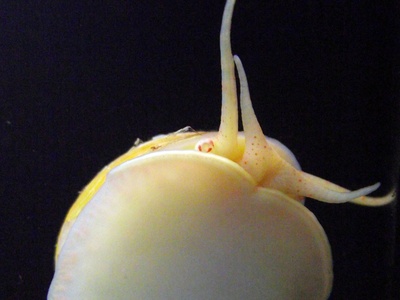
| Golden apple snail | Pomacea maculata | South America | Rice paddies, canals, wetlands, Pacific lowlands | Large freshwater snail introduced from South America via aquarium and accidental release. Feeds on aquatic crops, damages rice and vegetables, clogs irrigation, reduces yields and raises control costs for lowland farmers in Nicaragua. |
| Red imported fire ant | Solenopsis invicta | South America | Urban, agricultural, disturbed lands nationwide | Aggressive stinging ant spread accidentally through soil and trade. Builds dense colonies in fields and yards, damages crops and equipment, injures people and livestock, and increases pest‑management expenses across Nicaragua. |
| Black rat | Rattus rattus | Asia | Ports, towns, farms, forests nationwide | Tree-climbing rodent introduced by ships and trade. Consumes crops and stored food, preys on eggs and small wildlife, spreads pathogens and parasites, and harms agriculture, infrastructure and native bird populations in Nicaragua. |
| Norway rat | Rattus norvegicus | Eurasia | Urban, port, riverine, agricultural areas | Ground-dwelling rat brought by commerce and ships. Damages crops and infrastructure, contaminates food supplies, transmits multiple diseases, and imposes ongoing public-health and control costs in Nicaraguan towns and farms. |
| House mouse | Mus musculus | Eurasia | Homes, farms, storage facilities nationwide | Commensal rodent transported with humans. Infests dwellings and granaries, spoils stored food, vectors parasites and disease, and causes economic losses for households and small agricultural operations across Nicaragua. |
| Feral pig | Sus scrofa | Eurasia | Forests, agricultural lands, wetlands, Pacific and central regions | Domestic pigs that have become feral root and wallow widely, damaging crops, wetlands and native vegetation, spreading disease to livestock and wildlife, and complicating conservation and farming in Nicaragua’s landscapes. |
| Feral cat | Felis catus | Domestic origin (Worldwide) | Urban, rural, islands, coastal areas | Domestic cats turned feral prey on birds, reptiles and small mammals near human settlements and beaches. They reduce native wildlife populations, threaten ground-nesting sea turtles, and spread parasites and disease in Nicaragua’s coastal and inland habitats. |
| Africanized honey bee | Apis mellifera scutellata hybrid | Africa | Widespread rural and urban areas | Hybrid Africanized honey bees arrived via natural spread and swarming. More defensive than European bees, they increase sting risks to people and livestock, can displace local pollinators, and complicate beekeeping and public health in Nicaragua. |
| Casuarina equisetifolia | Casuarina equisetifolia | Australia and Pacific islands | Pacific coastal dunes, beaches, plantations | Australian coastal tree planted for windbreaks and erosion control. Colonizes dunes and beaches, alters soil chemistry and native plant communities, reduces habitat for shorebirds, and complicates coastal conservation in Nicaragua. |
| Coffee leaf rust | Hemileia vastatrix | East Africa | Coffee highlands (Matagalpa, Jinotega, higher elevations) | Fungal pathogen of coffee leaves introduced with plant material and trade. Causes defoliation and yield losses, reduces farmer income, prompts increased fungicide use, and has driven crop management changes in Nicaragua’s coffee-producing regions. |
| Chytrid fungus | Batrachochytrium dendrobatidis | Emergent global pathogen (spread worldwide) | Moist forests, mountainous streams, amphibian habitats | Amphibian-killing chytrid fungus spread via wildlife trade and movement. Infects frogs and salamanders in Nicaragua, causing population declines and local extinctions, disrupting aquatic food webs and raising conservation alarm for native amphibians. |
Images and Descriptions
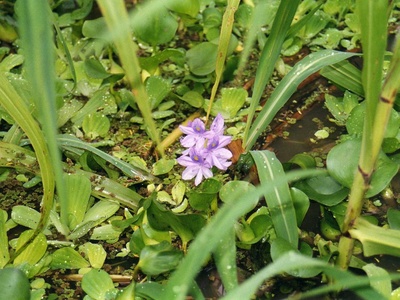
Water hyacinth
Free-floating aquatic plant from the Amazon, introduced via ornamental trade and transport. Forms dense mats in Lake Nicaragua and other waterways, clogging channels, harming fisheries, boosting mosquitoes, lowering oxygen and water quality, and driving costly removal operations.
Aedes aegypti
Small mosquito originally from Africa, long established in Nicaraguan towns. Breeds in containers and spreads via human movement. Primary vector of dengue, Zika and chikungunya, causing recurrent outbreaks, public-health burdens and sustained vector-control efforts.
Aedes albopictus
The Asian tiger mosquito arrived via used tires and cargo, now established in lowland areas. Bites humans, competes with Aedes aegypti and increases arbovirus transmission risk, complicating disease control and surveillance in Nicaragua.
Nile tilapia
African cichlid introduced for aquaculture and food production. Escapes from farms to lakes and reservoirs, outcompeting native fish, altering food webs and habitats, spreading disease and reducing catches for small-scale fishers.

Common carp
Bottom-feeding Eurasian fish introduced for food and stocking. Uproots vegetation and stirs sediments, reducing water clarity, promoting algal blooms, and competing with native fish, degrading freshwater habitat and fisheries in Nicaragua.
Golden apple snail
Large freshwater snail introduced from South America via aquarium and accidental release. Feeds on aquatic crops, damages rice and vegetables, clogs irrigation, reduces yields and raises control costs for lowland farmers in Nicaragua.
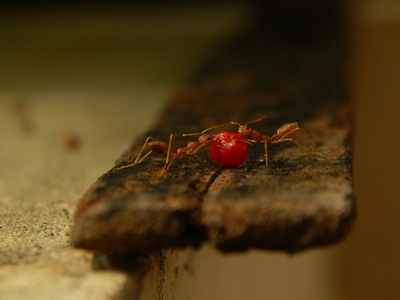
Red imported fire ant
Aggressive stinging ant spread accidentally through soil and trade. Builds dense colonies in fields and yards, damages crops and equipment, injures people and livestock, and increases pest‑management expenses across Nicaragua.

Black rat
Tree-climbing rodent introduced by ships and trade. Consumes crops and stored food, preys on eggs and small wildlife, spreads pathogens and parasites, and harms agriculture, infrastructure and native bird populations in Nicaragua.
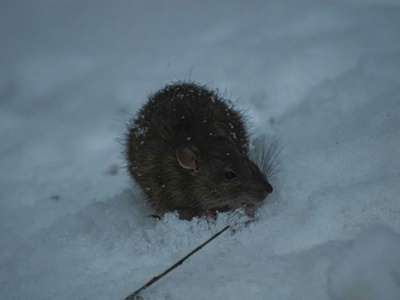
Norway rat
Ground-dwelling rat brought by commerce and ships. Damages crops and infrastructure, contaminates food supplies, transmits multiple diseases, and imposes ongoing public-health and control costs in Nicaraguan towns and farms.

House mouse
Commensal rodent transported with humans. Infests dwellings and granaries, spoils stored food, vectors parasites and disease, and causes economic losses for households and small agricultural operations across Nicaragua.
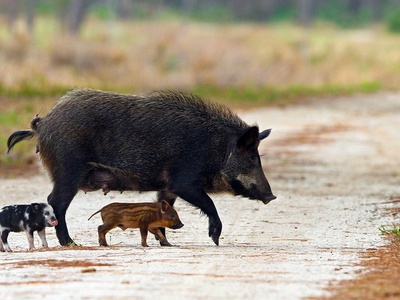
Feral pig
Domestic pigs that have become feral root and wallow widely, damaging crops, wetlands and native vegetation, spreading disease to livestock and wildlife, and complicating conservation and farming in Nicaragua’s landscapes.
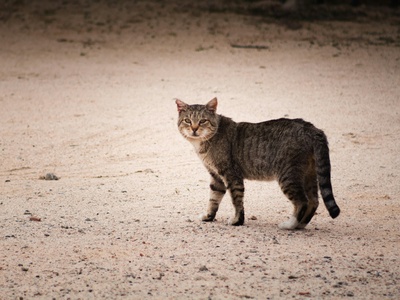
Feral cat
Domestic cats turned feral prey on birds, reptiles and small mammals near human settlements and beaches. They reduce native wildlife populations, threaten ground-nesting sea turtles, and spread parasites and disease in Nicaragua’s coastal and inland habitats.
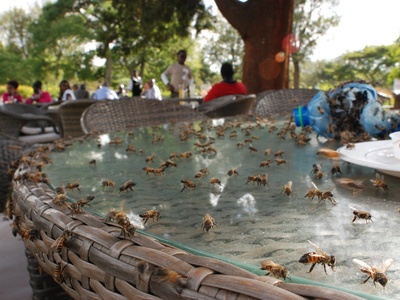
Africanized honey bee
Hybrid Africanized honey bees arrived via natural spread and swarming. More defensive than European bees, they increase sting risks to people and livestock, can displace local pollinators, and complicate beekeeping and public health in Nicaragua.
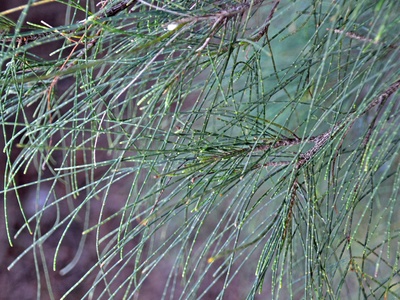
Casuarina equisetifolia
Australian coastal tree planted for windbreaks and erosion control. Colonizes dunes and beaches, alters soil chemistry and native plant communities, reduces habitat for shorebirds, and complicates coastal conservation in Nicaragua.
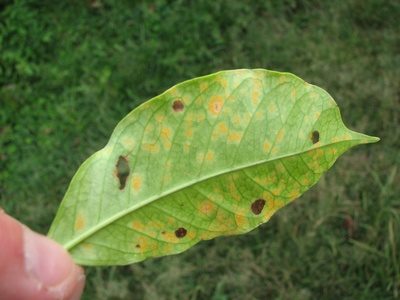
Coffee leaf rust
Fungal pathogen of coffee leaves introduced with plant material and trade. Causes defoliation and yield losses, reduces farmer income, prompts increased fungicide use, and has driven crop management changes in Nicaragua’s coffee-producing regions.
Chytrid fungus
Amphibian-killing chytrid fungus spread via wildlife trade and movement. Infects frogs and salamanders in Nicaragua, causing population declines and local extinctions, disrupting aquatic food webs and raising conservation alarm for native amphibians.