Tuvalu’s low-lying atolls and narrow land area make its ecosystems unusually susceptible to species introduced from elsewhere. Non-native plants and animals can quickly affect food production, freshwater lenses and nesting seabirds, so tracking introductions is a practical priority for island communities and managers.
There are 8 Invasive Species in Tuvalu, ranging from Black rat to Polynesian rat. For each species I list here, the data are organized with these columns: Scientific name,Origin / vector,Occurrence in Tuvalu (islands), and you’ll find below concise entries that show where they occur and how they likely arrived.
How do invasive species typically arrive in Tuvalu?
Most arrive unintentionally via ships, cargo, packing materials, or as stowaways on boats and planes; some come with imported plants, pets or food. Small island trade and travel increase these pathways, so strengthening inspection, quarantine and public awareness at ports and airstrips is key to reducing new introductions.
What can residents and visitors do to limit their spread?
Simple actions help: inspect gear and luggage, avoid releasing pets or plants, report unusual animals or plants to local authorities, and support community monitoring. Combined with government biosecurity checks and rapid response plans, these steps reduce establishment and long-term impacts.
Invasive Species in Tuvalu
| Name | Scientific name | Origin / vector | Occurrence in Tuvalu (islands) |
|---|---|---|---|
| Polynesian rat | Rattus exulans | Southeast Asia/Polynesia; early voyagers | All inhabited atolls (Funafuti, Nanumea, Nanumaga, Niutao, Vaitupu, Nui, Nukufetau, Nukulaelae, Niulakita) |
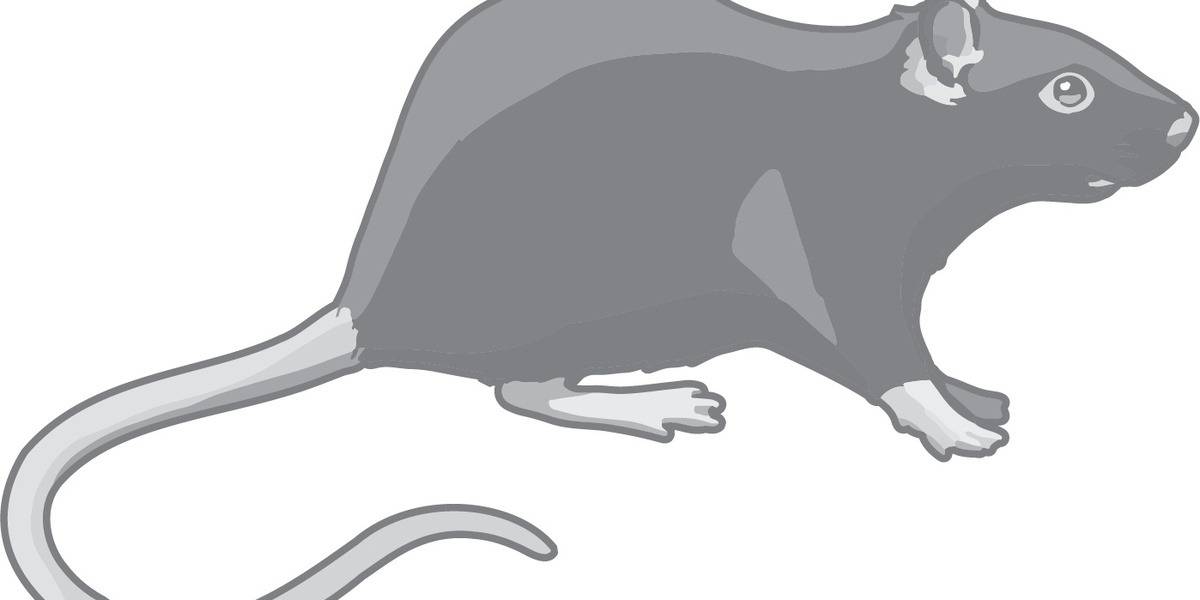
| Black rat | Rattus rattus | Asia; ship stowaway (European contact onward) | Funafuti and some outer atolls (reported on larger islets) |
| House mouse | Mus musculus | Eurasia; ship stowaway/commercial goods | Most inhabited atolls (Funafuti, Nanumea, Nanumaga, Niutao, Vaitupu, Nui, Nukufetau) |
| Feral cat | Felis catus | Domestic origin; introduced by settlers and visitors | Funafuti and several outer atolls |
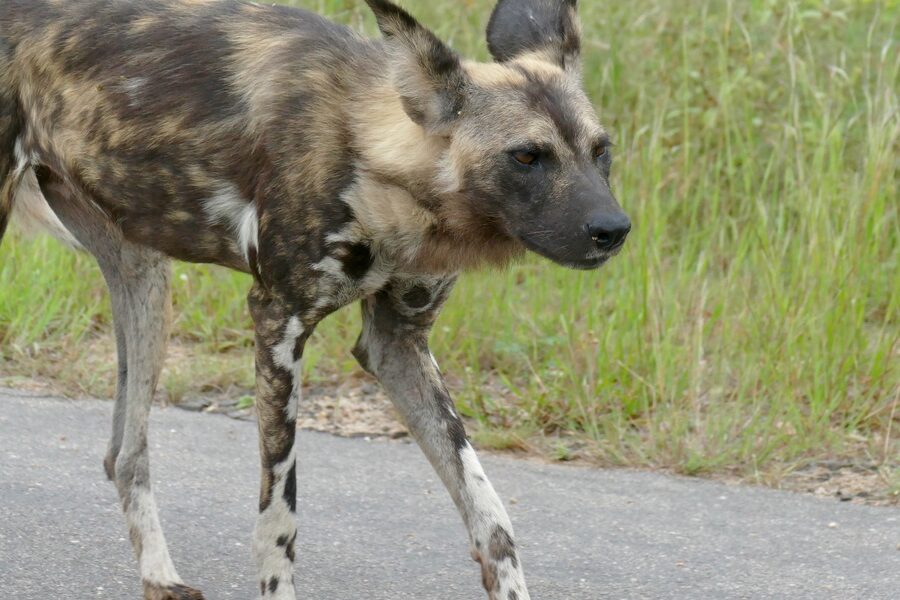
| Feral dog | Canis familiaris | Domestic origin; brought by people | All inhabited atolls |
| Leucaena | Leucaena leucocephala | Central America; introduced for fodder/soil improvement | Several inhabited atolls (planted widely) |
| Casuarina (beach she-oak) | Casuarina equisetifolia | Australia/SE Asia; planted for windbreaks/coastal protection | Funafuti and other atolls (planted widely) |
| Lantana | Lantana camara | Central/South America; ornamental/hedge plant escape | Reported on some atolls (Funafuti reported) |
Images and Descriptions
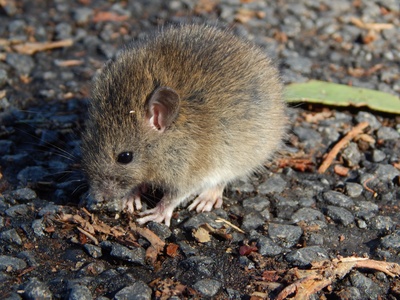
Polynesian rat
Small rat introduced by early settlers that eats seabird eggs, seedlings and crops. Causes nest failure and reduces native plant regeneration. Confirmed across Tuvalu; community trapping and biosecurity are used but eradication on inhabited islands is difficult.
Black rat
Ship-associated rat that preys on bird eggs, insects and seeds, competing with native species. Confirmed on some islands; presence increases seabird predation risk. Control is ad hoc and focused where seabird colonies are vulnerable.
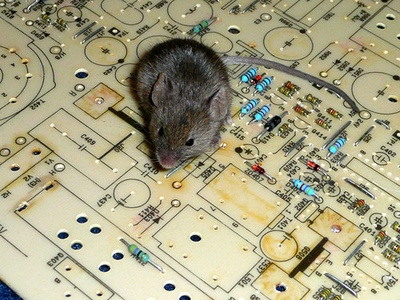
House mouse
Small commensal rodent that damages stored food, seedlings and can impact nesting birds when dense. Established on inhabited islands; management is local trapping and improved storage practices.
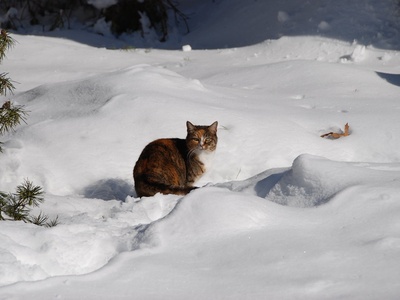
Feral cat
Free-roaming/domestic cats that hunt seabirds, reptiles and small mammals, contributing to native fauna declines. Present on inhabited islands; control is limited and often contested, with community programs for responsible pet management.
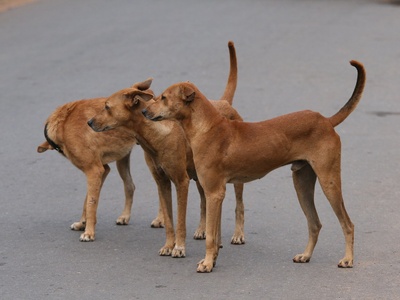
Feral dog
Roaming dogs disturb seabird nests, livestock and people, and can spread disease. Widespread on islands; management focuses on owner responsibility, fencing, and occasional removal of strays.
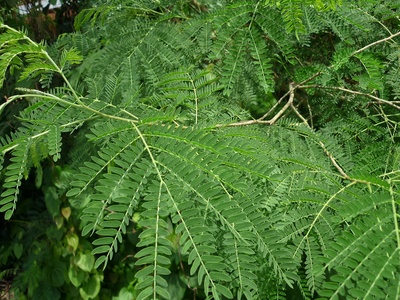
Leucaena
Fast-growing legume used for shade and fodder that forms dense thickets, outcompeting native plants and altering soil nitrogen. Established on atolls; removal is labor-intensive and control is ongoing in disturbed sites.

Casuarina (beach she-oak)
Commonly planted tree that stabilizes dunes but can spread and replace native vegetation, changing coastal habitats. Widely used for protection; management involves selective removal in ecologically sensitive zones.
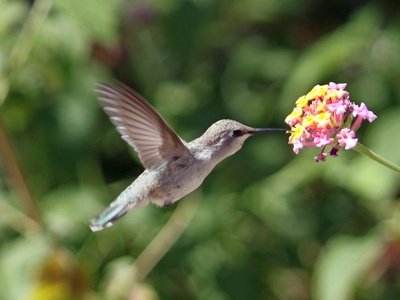
Lantana
Highly invasive shrub forming dense thickets that smother native plants and reduce habitat quality. Reported in Tuvalu; control relies on mechanical removal and herbicide in accessible areas.