Uruguay’s mix of grasslands, wetlands and a long coastline supports diverse wildlife and productive agriculture, but those same routes and habitats also let nonnative species gain a foothold. Shipping, trade and human movement have introduced plants and animals that compete with native species and sometimes carry disease.
There are 11 Invasive Species in Uruguay, ranging from Black rat to Yellow fever mosquito. For each entry you’ll find below Scientific name,Taxon,Origin & first record — you’ll find below.
How do these invasive species impact Uruguay’s ecosystems?
They can outcompete native plants and animals, spread pathogens, damage crops and change habitats (for example, rodents affect ground-nesting birds and mosquitoes carry human and animal diseases). Impacts vary by species and location, so some require rapid control while others need long-term management and monitoring.
What practical steps can residents take to help prevent their spread?
Report sightings to local environmental or agricultural authorities, avoid moving firewood or soil, clean boats and gear between water bodies, secure waste and food sources, and support community mosquito control and biosecurity measures to reduce new introductions and limit established populations.
Invasive Species in Uruguay
| Common name | Scientific name | Taxon | Origin & first record |
|---|---|---|---|
| Golden mussel | Limnoperna fortunei | Invertebrate | Asia; 1991 |
| Yellow fever mosquito | Aedes aegypti | Invertebrate | Africa; unknown |
| Brown rat | Rattus norvegicus | Mammal | Eurasia; unknown |
| Black rat | Rattus rattus | Mammal | Asia; unknown |
| Feral cat | Felis catus | Mammal | Near East (domesticated); unknown |
| Wild boar | Sus scrofa | Mammal | Eurasia; unknown |
| Rock pigeon | Columba livia | Bird | Eurasia; unknown |
| Common carp | Cyprinus carpio | Fish | Eurasia; unknown |
| Red‑eared slider | Trachemys scripta | Reptile | North America; unknown |
| Largemouth bass | Micropterus salmoides | Fish | North America; unknown |
| European hare | Lepus europaeus | Mammal | Eurasia; unknown |
Images and Descriptions

Golden mussel
Widespread in Río de la Plata, rivers and reservoirs; fouls intake pipes and boats, outcompetes native bivalves, and causes expensive biofouling of water infrastructure. Abundant and expanding; management focuses on monitoring, mechanical cleaning and costly mitigation, with limited eradication success.
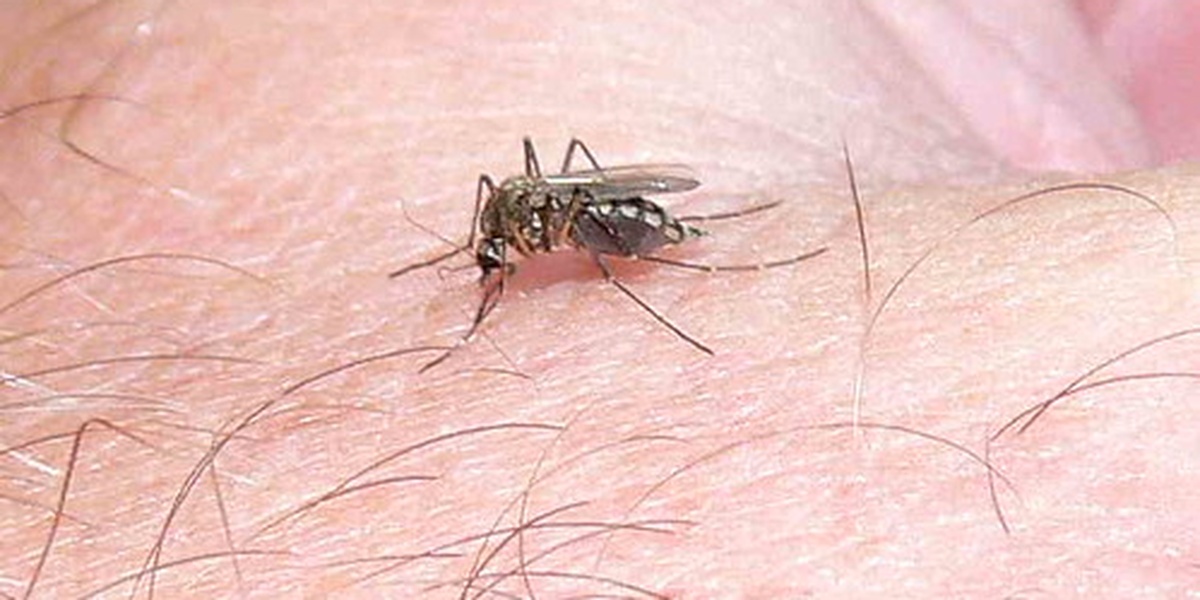
Yellow fever mosquito
Urban and peri‑urban across Uruguay (including Montevideo); vector of dengue, Zika and chikungunya with seasonal outbreaks. Abundance varies with rainfall and temperature; public‑health concern. Managed by national vector control programs, education and localized insecticide spraying.
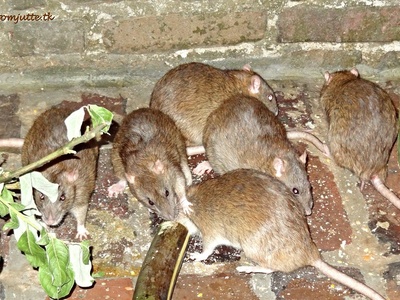
Brown rat
Common in cities, farms and ports; damages crops and stored food, gnaws infrastructure and transmits leptospirosis and other pathogens. Populations are widespread and resilient; control relies on sanitation, trapping and rodenticides but reinvasion and resistance complicate management.
Black rat
Widespread in rural, coastal and urban areas; damages crops, preys on bird eggs and carries diseases. Often associated with ports and grain storage. Control uses exclusion, trapping and baiting but localized persistence remains a conservation and public‑health issue.
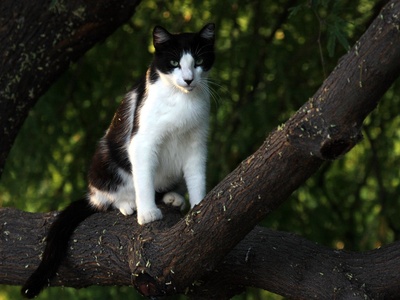
Feral cat
Feral and free‑roaming cats occur across urban, rural and protected areas, heavily preying on birds, reptiles and small mammals. Major driver of native species decline. Management includes trap‑and‑remove, sterilization campaigns and targeted removal in reserves, but challenges remain.
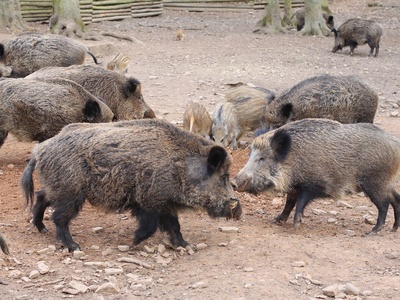
Wild boar
Feral pigs occur in wetlands, rangelands and forests; they root soil, damage crops, spread exotic plants and can carry livestock diseases. Populations are expanding in some regions; control relies on hunting, trapping and biosecurity but eradication is difficult.

Rock pigeon
Rock pigeons are abundant in towns and ports, especially Montevideo; droppings foul buildings, clog gutters and transport spores and bacteria. They compete with native cavity‑nesters. Management focuses on exclusion, nest removal and public hygiene but populations remain high.
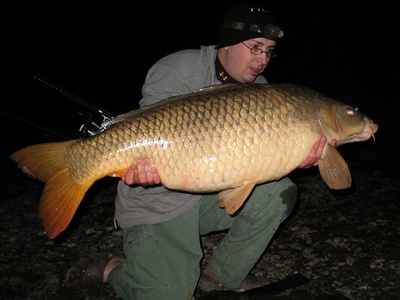
Common carp
Common carp is established in rivers, lakes and marshes; its bottom‑feeding stirs sediments, lowers water clarity, harms macrophytes and native fish. Widespread and persistent; management uses fishing, barriers and local removals but eradication is rarely achieved.
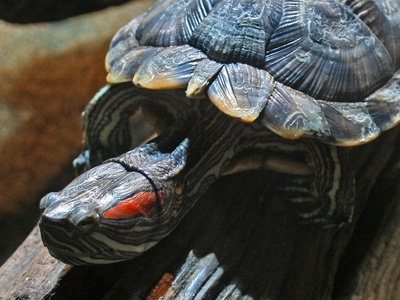
Red‑eared slider
Released pet sliders inhabit ponds, rivers and reservoirs; they compete with native turtles for basking sites and food, and can carry pathogens. Local removal and public‑awareness campaigns occur, yet small breeding populations persist near urban areas.
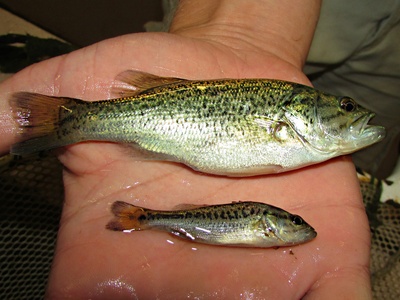
Largemouth bass
Largemouth bass stocked in reservoirs and rivers for sportfishing; predation reshapes native fish and amphibian communities. Established populations occur in inland waters; management includes angling regulations and targeted removals but ecological impacts persist.
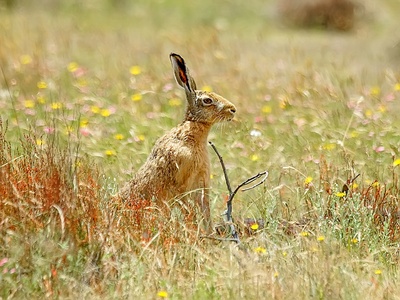
European hare
European hare inhabits agricultural and open landscapes; browses crops and competes with native herbivores, and can alter predator dynamics. Locally abundant in some departments; management relies on hunting and farm‑level measures to reduce crop losses.