Vanuatu’s islands support diverse coastal forests, reefs and subsistence farms, but their isolation also makes them sensitive to species introduced from elsewhere. Local livelihoods and native wildlife can be disrupted when non-native insects, plants and predators establish across the archipelago.
There are 29 Invasive Species in Vanuatu, ranging from Aedes mosquito to Yellow crazy ant. The list is organized so that for each entry you can see Scientific name, Category, Islands present — practical details you’ll find below.
How can I recognize which species on this list are a current threat to people or crops?
Look for species noted as vectors of disease (like mosquitoes) or those known to damage staple crops, trees or infrastructure; the Category column highlights such roles and the Islands present column shows where impacts have been recorded, helping you prioritize attention.
What should local communities do first if they suspect a new invasive species?
Report sightings to provincial biosecurity officers or the national ministry, collect clear photos and location info, and avoid moving suspected specimens; early reporting combined with the Scientific name and Islands present data below helps authorities respond faster.
Invasive Species in Vanuatu
| Name | Scientific name | Category | Islands present |
|---|---|---|---|
| Black rat | Rattus rattus | Mammal | widespread |
| Polynesian rat | Rattus exulans | Mammal | widespread |
| House mouse | Mus musculus | Mammal | widespread |
| Feral cat | Felis catus | Mammal | widespread |
| Feral pig | Sus scrofa | Mammal | widespread |
| Feral goat | Capra hircus | Mammal | widespread |
| Feral dog | Canis familiaris | Mammal | widespread |
| Tilapia | Oreochromis niloticus (and hybrids) | Fish | widespread (freshwater) |
| Common myna | Acridotheres tristis | Bird | widespread (towns) |
| Leucaena | Leucaena leucocephala | Plant | widespread |
| Lantana | Lantana camara | Plant | widespread |
| Siam weed | Chromolaena odorata | Plant | widespread |
| Mile-a-minute vine | Mikania micrantha | Plant | widespread |
| Merremia vine | Merremia peltata | Plant | widespread |
| Wedelia | Sphagneticola trilobata | Plant | widespread |
| Koster’s curse | Clidemia hirta | Plant | several islands |
| Casuarina | Casuarina equisetifolia | Plant | coastal, widespread |
| Guava | Psidium guajava | Plant | widespread |
| Water hyacinth | Eichhornia crassipes | Plant | some freshwater bodies |
| Cogongrass | Imperata cylindrica | Plant | widespread |
| Rose apple | Syzygium jambos | Plant | several islands |
| Coconut rhinoceros beetle | Oryctes rhinoceros | Insect (beetle) | widespread |
| Papaya mealybug | Paracoccus marginatus | Insect (hemipteran) | widespread |
| Oriental fruit fly | Bactrocera dorsalis | Insect (fly) | widespread |
| Yellow crazy ant | Anoplolepis gracilipes | Insect (ant) | several islands |
| Little fire ant | Wasmannia auropunctata | Insect (ant) | several islands |
| Aedes mosquito | Aedes aegypti | Insect (mosquito) | widespread (urban) |
| Papaya ringspot virus (PRSV) | Potyvirus genus | Pathogen (plant virus) | widespread |
| Brown planthopper? (Note: uncertain records) | N/A | N/A | N/A |
Images and Descriptions
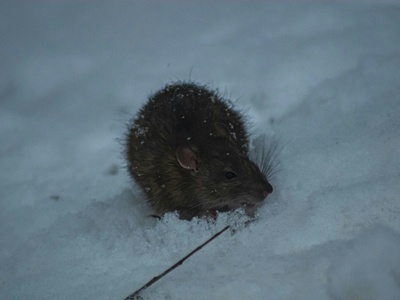
Black rat
Originally from Asia, arrived with European voyagers and shipping; preys on bird eggs, crops and stored food, causing major ecological and economic harm across islands. Common and widespread; control focuses on trapping and biosecurity to protect seabirds and gardens.
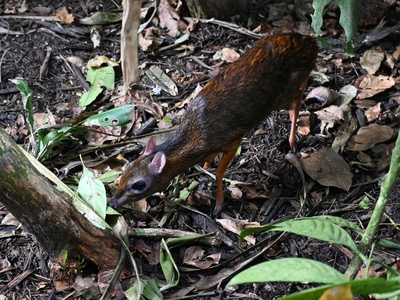
Polynesian rat
Arrived with early Polynesian settlers, now widespread; eats seeds, invertebrates and bird eggs, contributing to declines of native fauna and altered forest regeneration. Common on many islands; eradication is challenging, but local control is used on conservation sites.
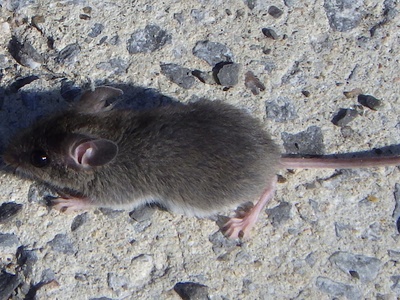
House mouse
Introduced via ships, now established in settlements and some natural habitats; damages crops and stored food, can alter invertebrate communities. Widely distributed but lower impact than rats; control mainly via rodenticide and trapping in key areas.
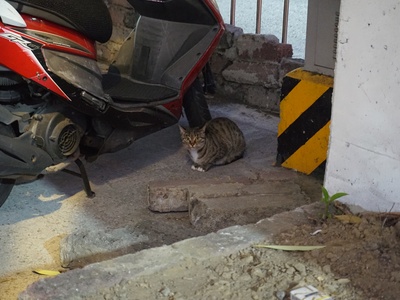
Feral cat
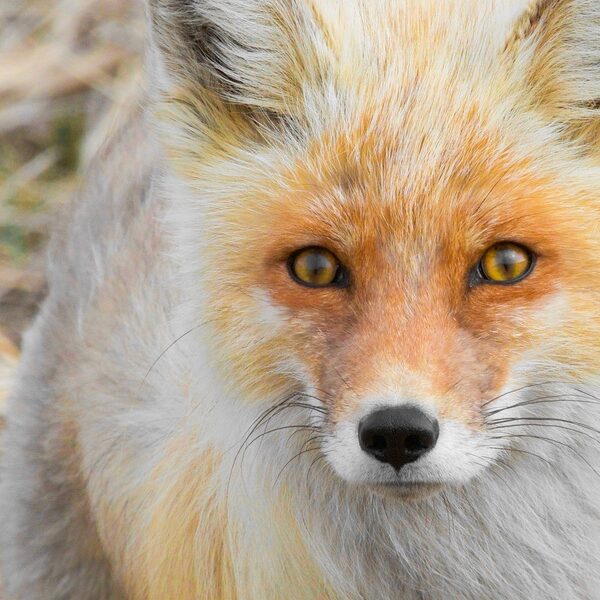
Brought by people as pets and farming animals, now feral across many islands; heavy predator of native birds, reptiles and mammals, threatening rare species. Common and widespread; targeted control (trapping, removal) used near conservation sites.
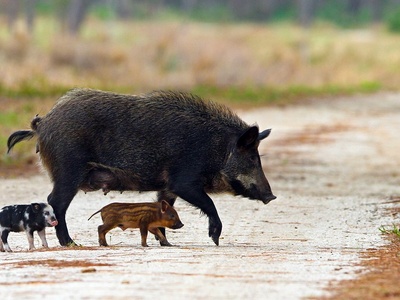
Feral pig
Introduced by early settlers and Europeans; roots and wallows damage native vegetation, spread weeds and disease, harm crops and cultural sites. Widespread and often abundant; hunting and fencing are common control measures.
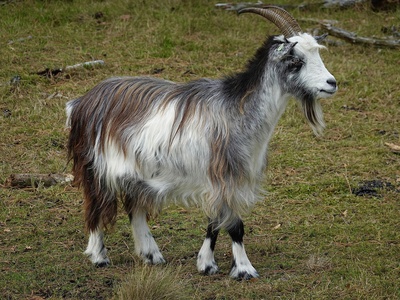
Feral goat
Brought by settlers for food, now feral in upland and coastal habitats; overgrazes native plants, causes erosion and ecosystem change. Widespread with localized high densities; control through mustering, culling, and fencing.
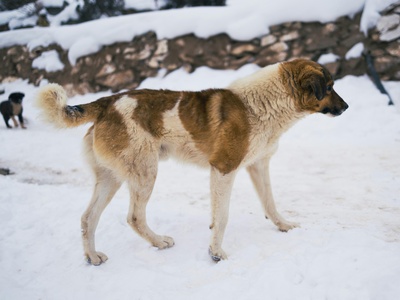
Feral dog
Domestic dogs established feral populations on many islands; harass wildlife, livestock and people, transmit disease, and kill native birds and livestock. Widespread and locally problematic; control mixes owner-responsibility, fencing, and removal.
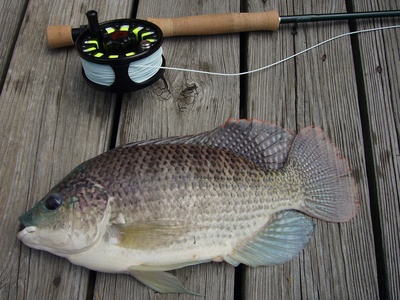
Tilapia
Introduced for aquaculture and food, now established in rivers and ponds; competes with native fishes, degrades freshwater habitats and affects fisheries. Widespread in freshwater systems; management includes containment, removal and fishery controls.
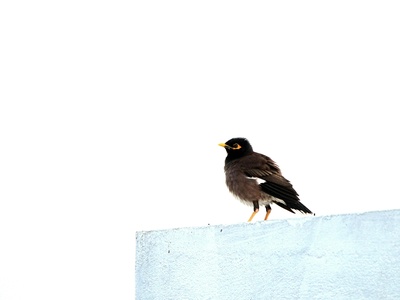
Common myna
Introduced from South Asia, common in urban and agricultural areas; outcompetes native birds for nest sites, damages fruit crops and creates noise/nuisance. Established across populated islands; control through trapping and nest management.
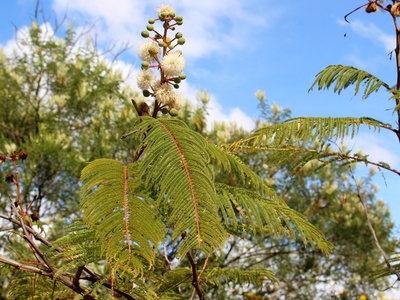
Leucaena
Native to Central America, introduced as fodder and fuelwood; forms dense thickets, displaces native vegetation and reduces biodiversity. Widespread along disturbed sites; control by manual removal, herbicide and replanting with natives.
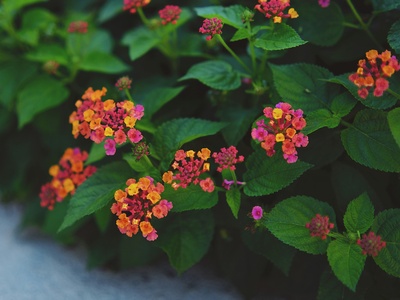
Lantana
From tropical Americas as ornamental; invades forests, farms and roadsides, toxic to livestock and reduces native plant regeneration. Very common across islands; management includes pulling, herbicide and integrated revegetation.
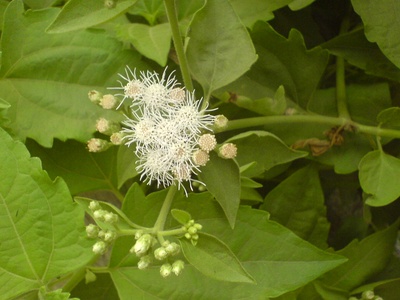
Siam weed
Native to the Americas, spread to Vanuatu as a weed; smothers seedlings, impedes forest recovery and reduces pasture productivity. Rapid colonizer found in disturbed areas; control via slashing, herbicide and biological control trials.
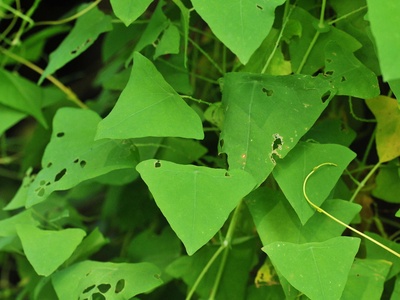
Mile-a-minute vine
Tropical American vine introduced by trade; grows over trees and crops, causing canopy collapse, biodiversity losses and economic harm to plantations. Widespread in lowland disturbed forests; control via manual clearing, herbicide and biocontrol where feasible.
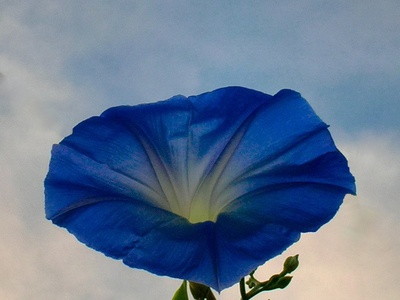
Merremia vine
Tropical American/Asian vine that smothers forest and plantations, creating “vinescapes” and lowering native diversity. Common across islands, especially disturbed coastal and lowland forests; control through cutting, herbicide and canopy restoration.
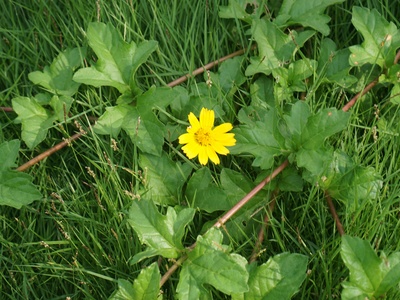
Wedelia
A groundcover from the Americas and Asia used ornamentally; outcompetes native ground flora, alters soil and hinders forest regeneration. Widespread in gardens and disturbed sites; removed manually and replaced with natives where possible.
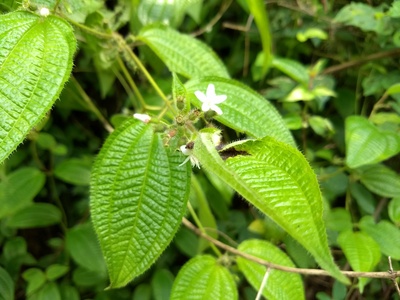
Koster’s curse
Native to Neotropics, spread via contaminated soil and seed; invades forest edges and disturbed sites, forming dense thickets that suppress natives. Established on multiple islands with local control programs using manual removal and herbicide.
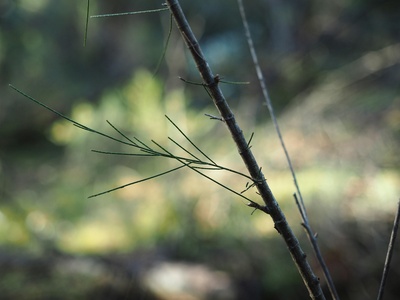
Casuarina
From Australasia, planted for windbreaks and fuelwood but invades coastal habitats, changes soil chemistry and outcompetes native flora. Common on coasts, especially disturbed beaches; control involves removal and replanting with native species.
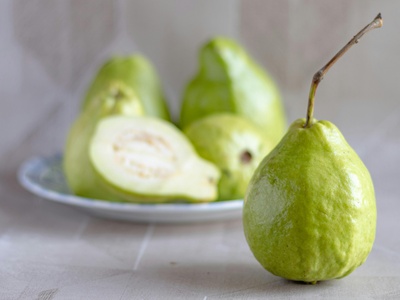
Guava
Native to the Americas, introduced as fruit tree and now invading forests and gardens; forms dense stands, reduces native tree recruitment and alters ecosystems. Very common across islands; removal and use of biological/physical control used locally.
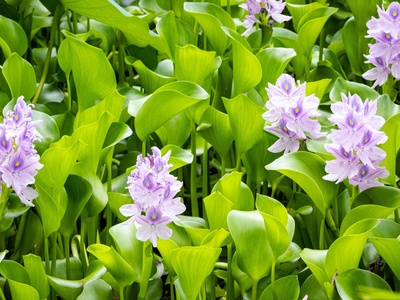
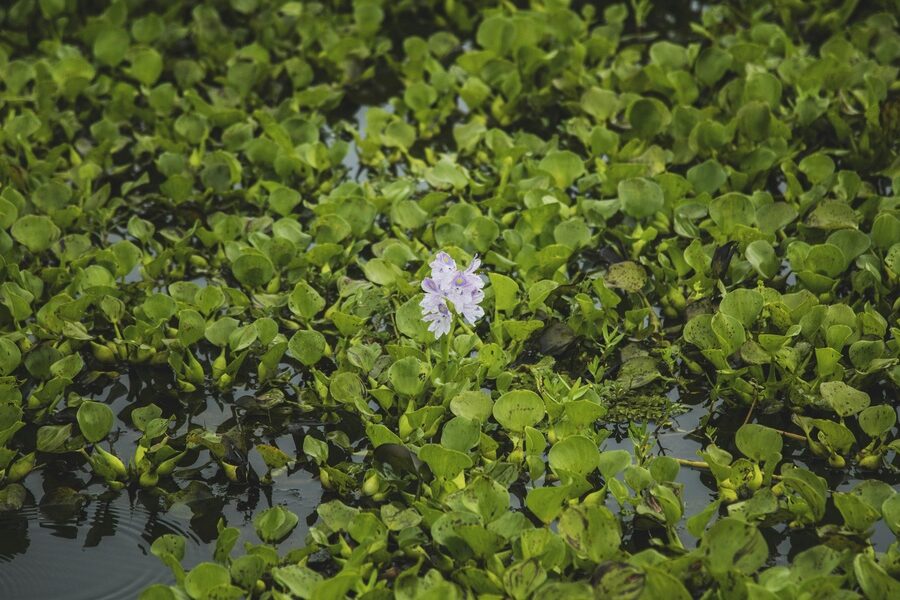
Water hyacinth
South American aquatic plant introduced via trade; clogs waterways, reduces oxygen, harms fisheries and restricts transport. Present in some lakes and slow rivers; control with physical removal and water management.

Cogongrass
From Southeast Asia, spreads after disturbance to form dense grasslands, increases fire risk and displaces native plants. Widespread in degraded areas and roadsides; control needs sustained slashing, herbicide and replanting.
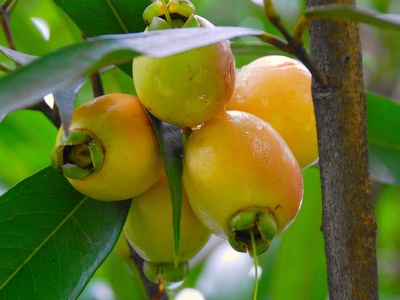
Rose apple
Introduced ornamental/fruit tree from Asia; forms dense thickets in disturbed forest and gardens, competing with natives and altering habitat. Naturalized on multiple islands; controlled by removal and preventing spread from gardens.
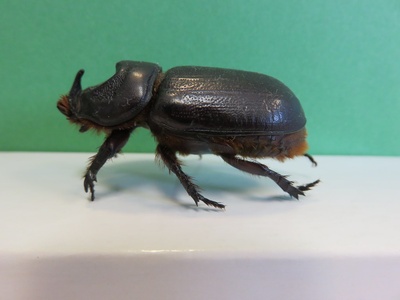
Coconut rhinoceros beetle
Native to Asia, spread via shipping of palm material and infested crates; bores into coconut palms, reducing yields and killing young palms. Detected and established in Vanuatu; management includes sanitation, trapping, biological agents and quarantine.
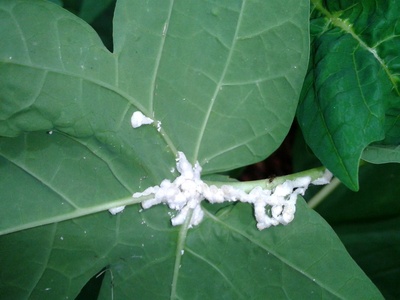
Papaya mealybug
A tropical pest from Central America that invaded via plant trade; infests fruit trees causing fruit loss, tree decline and economic damage. Established in many islands; control uses parasitoids, pesticides and cultural methods.
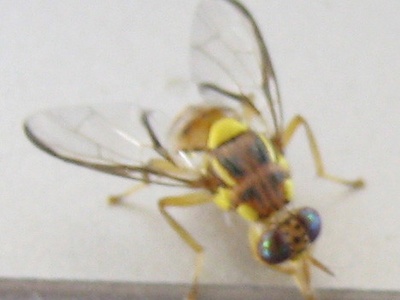
Oriental fruit fly
Likely from Asia, arrived via infested fruit transport; attacks many fruit crops causing large economic losses and quarantine restrictions. Established and widespread; control includes baiting, male annihilation and strict quarantine.
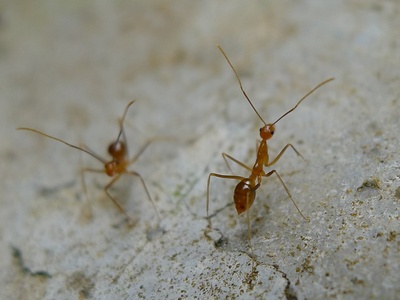
Yellow crazy ant
From Asia, moved via shipping and cargo; forms supercolonies that disrupt ecosystems, farming and native fauna. Established in multiple islands with severe local impacts; control uses baiting, containment and community action.
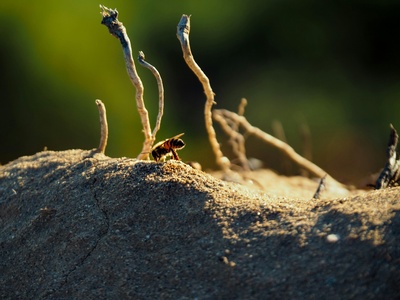
Little fire ant
Native to Central/South America, spread accidentally on cargo and plants; stings humans, reduces native fauna and affects agriculture. Established in parts of Vanuatu with intense local impacts; eradication is difficult but island-level control ongoing.
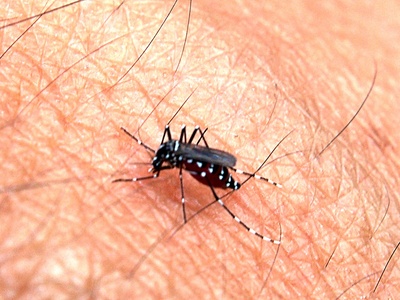
Aedes mosquito
Originating from Africa, spread globally via shipping; urban vector for dengue, Zika and chikungunya, causing human health risks and outbreaks in Vanuatu. Widespread in settlements; control via larval source reduction, community measures and insecticide where needed.
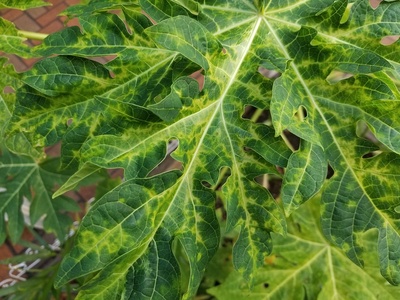
Papaya ringspot virus (PRSV)
A viral disease vectored by aphids and movement of infected plants; causes severe papaya and cucurbit losses, hurting subsistence and smallholder farmers. Widespread where host crops grown; management includes resistant varieties and sanitation.
Brown planthopper? (Note: uncertain records)
N/A