Palau’s islands and surrounding reef seascape support a surprising mix of land and marine mammals, shaped by dense forests, coral lagoons and regular human movement between islands. From flying foxes that feed in the treetops to animals that arrived with people, the archipelago’s mammal life reflects both isolation and connectivity.
There are 17 Mammals of Palau, ranging from the Black rat to the Spinner dolphin. For each species you’ll find below the Scientific name,IUCN status,Presence & habitat so you can quickly see conservation rank and where each animal occurs.
How threatened are Palau’s mammals?
Threat levels vary: many bats and dolphins are listed as Least Concern or Near Threat, while some island endemics and populations face pressure from habitat change, introduced species and fisheries interactions. The IUCN status column gives a quick snapshot, but local surveys and conservation measures are essential for up-to-date risk assessments.
Can visitors expect to see these species in Palau?
Yes, but visibility depends on the species: spinner dolphins and other cetaceans are commonly seen on boat trips, fruit bats at dusk, and the Black rat near settlements; some species are nocturnal, rare, or offshore, so sightings aren’t guaranteed—respect local guidelines and use licensed guides for the best, low-impact experience.
Mammals of Palau
| Name | Scientific name | IUCN status | Presence & habitat |
|---|---|---|---|
| Palau flying fox | Pteropus pelewensis | Vulnerable | Resident; coastal forests, roosts in trees |
| Polynesian rat | Rattus exulans | Least Concern | Introduced; villages, gardens, island interiors |
| Black rat | Rattus rattus | Least Concern | Introduced; widespread, trees, human areas |
| Norway rat | Rattus norvegicus | Least Concern | Introduced; ports, settlements, disturbed habitats |
| House mouse | Mus musculus | Least Concern | Introduced; settlements, disturbed sites |
| Domestic dog | Canis familiaris | Not Evaluated | Introduced; villages, rural areas, some feral populations |
| Domestic cat | Felis catus | Not Evaluated | Introduced; villages, feral on some islands |
| Feral pig | Sus scrofa | Least Concern | Introduced; forests, gardens, island interiors |
| Spinner dolphin | Stenella longirostris | Least Concern | Visitor; offshore, around reefs and lagoons |
| Pantropical spotted dolphin | Stenella attenuata | Least Concern | Visitor; pelagic waters around Palau |
| Common bottlenose dolphin | Tursiops truncatus | Least Concern | Visitor; coastal, bays, reef edges |
| Short-finned pilot whale | Globicephala macrorhynchus | Data Deficient | Visitor; offshore deep waters |
| False killer whale | Pseudorca crassidens | Near Threatened | Visitor; offshore, around steep drop-offs |
| Melon-headed whale | Peponocephala electra | Least Concern | Visitor; offshore, pelagic and near reefs |
| Sperm whale | Physeter macrocephalus | Vulnerable | Visitor; deep offshore waters and canyons |
| Cuvier’s beaked whale | Ziphius cavirostris | Least Concern | Visitor; deep offshore canyons |
| Rough-toothed dolphin | Steno bredanensis | Least Concern | Visitor; offshore, near reefs and shelf edges |
Images and Descriptions
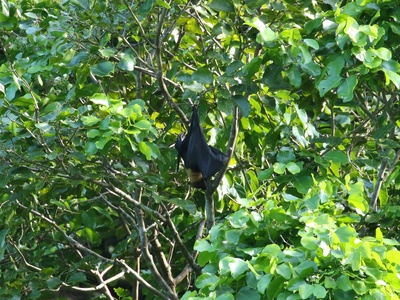
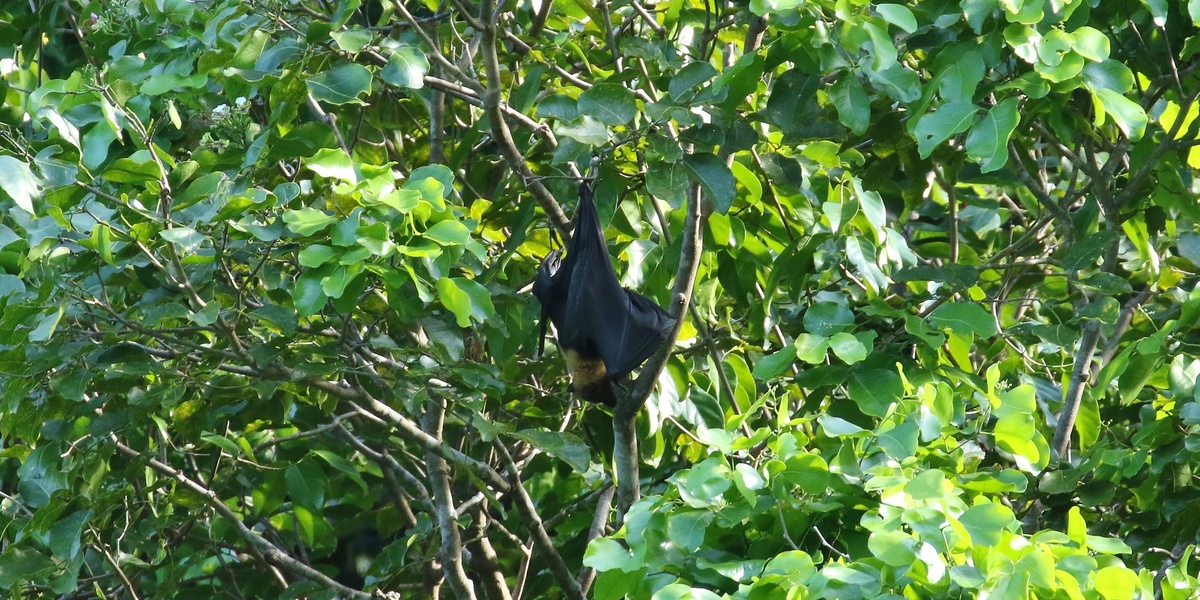
Palau flying fox
Large fruit bat endemic to Palau and nearby islands, commonly seen at dusk. Locally common on forested islands but threatened by hunting and habitat loss; conservation efforts and protected roosts help, though population trends show concern.
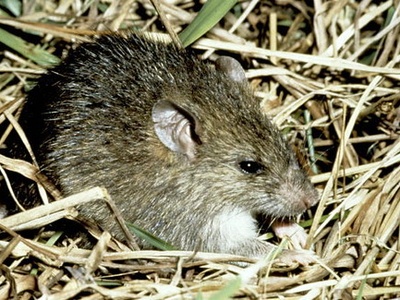
Polynesian rat
Small rodent introduced by early voyagers; widespread across inhabited islands. Often common around homes and taro patches, it preys on seeds and bird eggs, contributing to native species declines and is a target for biosecurity and eradication programs.

Black rat
Versatile invasive rodent found in villages and forests. Climbs trees to raid nests and crops; significant threat to native birds and reptiles. Common on many islands and a focus of control on conservation islands.
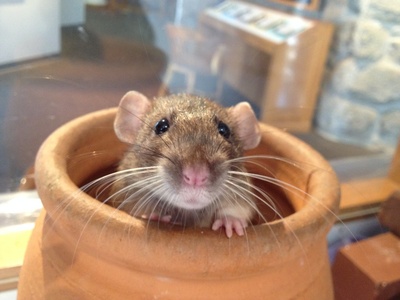
Norway rat
Larger ship rat established around ports and settlements. Less arboreal than black rat but still a pest, damaging food stores and sometimes displacing other rodents; control important for island biosecurity.
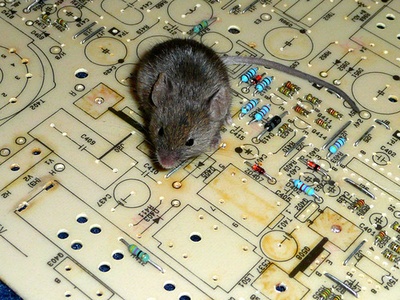
House mouse
Tiny, ubiquitous commensal rodent present around human habitations. Often common in buildings and stored food, it can be a nuisance and may impact island ecosystems if populations grow rapidly and unchecked.
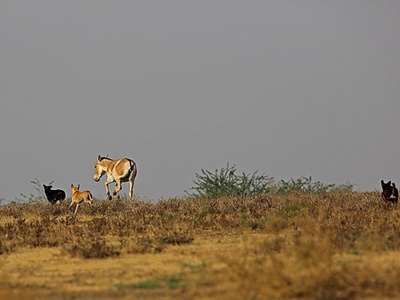
Domestic dog
Companion animal widely kept in villages; some free-roaming or feral dogs occur. They can threaten wildlife by predation or disturbance, are part of cultural life on many islands, and public health concerns sometimes arise.
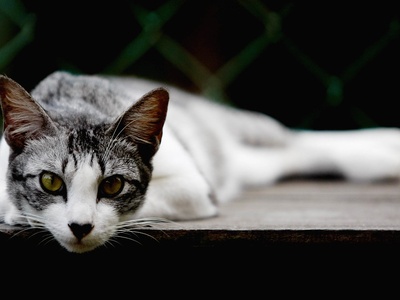
Domestic cat
Cats common around settlements and sometimes feral. Skilled predators of birds, reptiles and small mammals, they pose conservation concerns on smaller islands and are often targets for management and control.
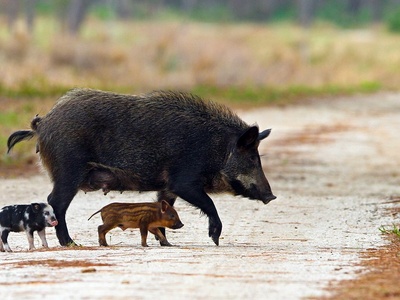
Feral pig
Introduced pigs occur on some islands, rooting soils and eating crops. Their foraging alters vegetation and can harm turtle nesting and native plant communities; control measures used locally for conservation.
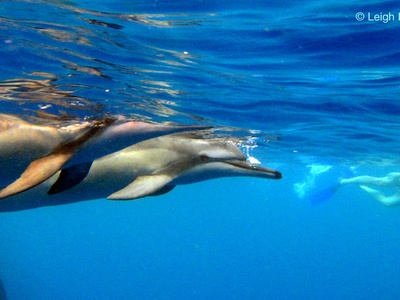
Spinner dolphin
Acrobatic, social dolphins commonly seen near Palau’s reefs and channels. Frequently encountered on boat trips, they form large groups, rest in sheltered bays, and attract ecotourism; occasional bycatch and disturbance are concerns.
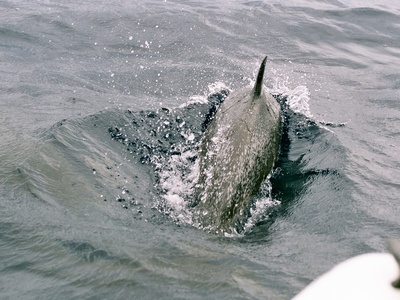
Pantropical spotted dolphin
Open-water species regularly sighted offshore. Fast and social, they travel in pods and are sometimes seen near reef edges. Not abundant close to shore but a familiar sight during pelagic surveys.
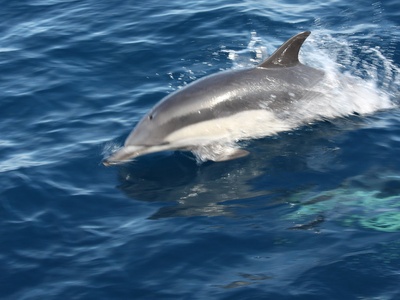
Common bottlenose dolphin
Widespread, adaptable dolphin seen in coastal waters and near reefs. Curious and often approaches boats; local sightings are common and they are important for marine tourism, ecosystem health and function.
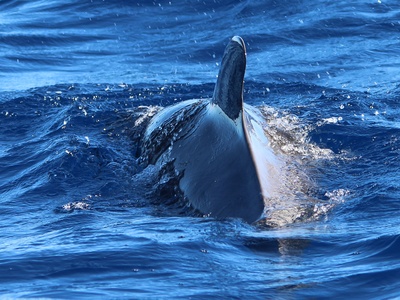
Short-finned pilot whale
Large, social pilot whales occasionally encountered in deep waters near Palau. Travel in tight-knit pods and are occasionally seen from boats; their offshore habits mean sightings are less frequent than smaller dolphins.
False killer whale
Powerful, oceanic predator recorded around Palau. Forms cohesive groups and can prey on large fish and other cetaceans. Vulnerable to fisheries interactions; spectacular but less commonly seen than smaller dolphins.
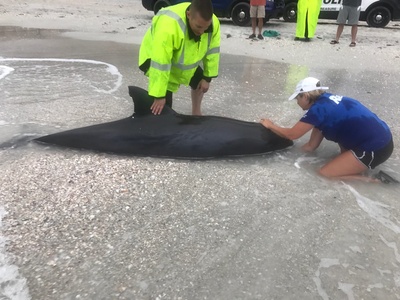
Melon-headed whale
Small, swift toothed whale that forms large mixed-species groups. Seen offshore in Palau, often traveling with other dolphins; their presence adds to Palau’s rich cetacean diversity and occasionally attracts whale-watchers.
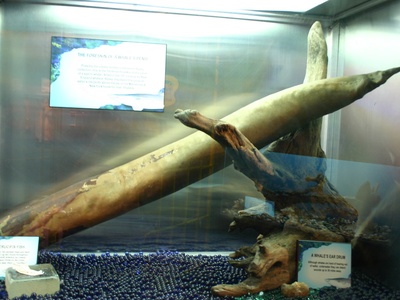
Sperm whale
Massive deep-diving whale occasionally recorded in Palau’s deep waters. Solitary males or small groups may pass through; historically hunted, now protected but vulnerable due to slow recovery and ocean threats.
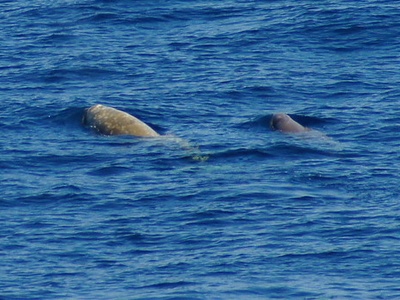
Cuvier’s beaked whale
Deep-diving, elusive beaked whale documented off Palau. Rarely seen at sea due to long dives and cryptic habits; presence known from strandings and infrequent sightings during deep-water surveys and research.
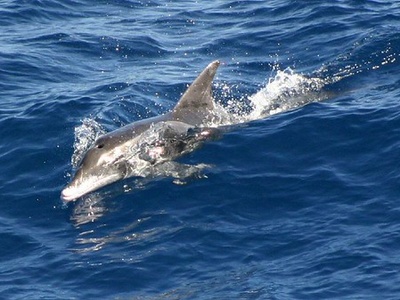
Rough-toothed dolphin
Distinctive long-snouted dolphin occasionally observed around Palau. Typically in small groups offshore; less familiar to casual snorkelers but encountered on pelagic trips and contributes to local cetacean variety and marine tourism.