Romania’s mix of Carpathian peaks, broadleaf forests and river valleys supports a wide variety of wild mammals, many of which are still found in relatively large, connected habitats compared with other parts of Europe. Exploring this fauna gives a useful snapshot of the country’s biodiversity and the places to see it.
There are 59 Mammals of Romania, ranging from Bank vole to Yellow-necked mouse. For each species you’ll find below the data organized with the columns Scientific name,IUCN status,Romanian regions so you can quickly check identity, conservation status and where they occur — you’ll find below.
Which habitats in Romania are most likely to host the highest number of mammal species?
Mountain forests of the Carpathians, lowland floodplain woods and the Danube Delta are hotspots because they combine structural diversity and large undisturbed areas; looking in mixed forests, riparian corridors and protected areas will give the best chance to encounter many species.
How reliable are the IUCN statuses listed and where can I get updates?
The IUCN statuses reflect the latest global assessments but can lag behind local surveys; for the most current regional information check IUCN, Romania’s national red lists, and recent peer-reviewed studies or local conservation organizations.
Mammals of Romania
| Common name | Scientific name | IUCN status | Romanian regions |
|---|---|---|---|
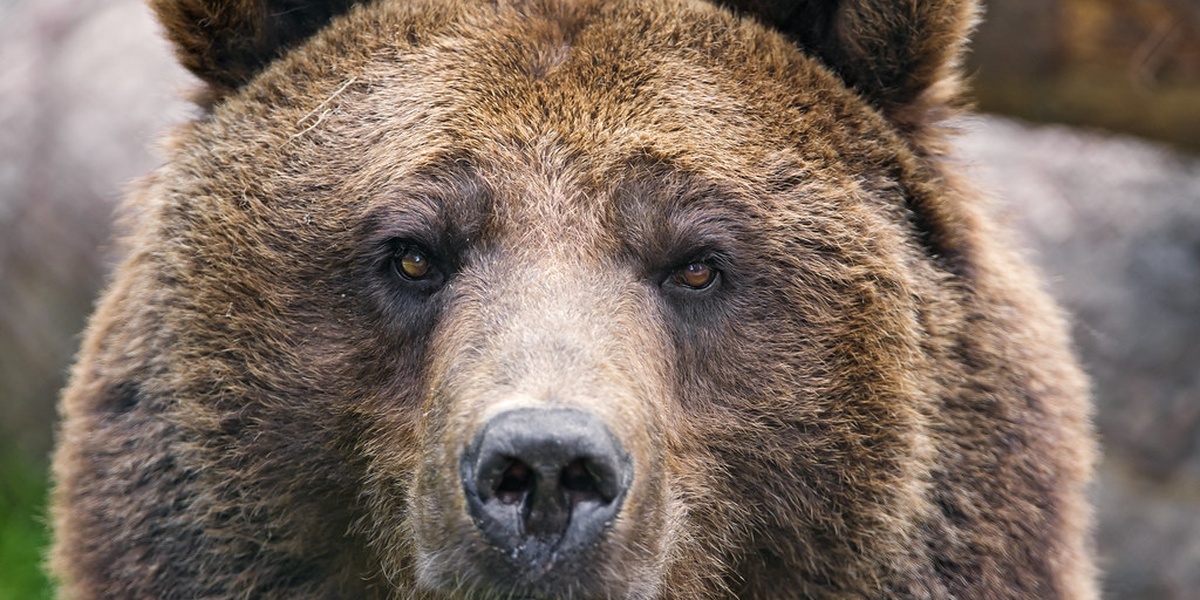
| Brown bear | Ursus arctos | Least Concern | Carpathian Mountains, old-growth forests |
| Gray wolf | Canis lupus | Least Concern | Carpathians, forests, lowlands |
| Eurasian lynx | Lynx lynx | Least Concern | Carpathians and mountainous forests |
| European wildcat | Felis silvestris | Least Concern | Deciduous forests, Carpathians, hills |
| Golden jackal | Canis aureus | Least Concern | Lowlands, Danube Delta, agricultural areas |
| Red fox | Vulpes vulpes | Least Concern | Widespread: forests, fields, urban edges |
| European badger | Meles meles | Least Concern | Woodlands, agricultural mosaic, Carpathian foothills |
| European otter | Lutra lutra | Near Threatened | Rivers, lakes, Danube Delta, wetlands |
| Pine marten | Martes martes | Least Concern | Mature forests, Carpathians, hills |
| Stone marten | Martes foina | Least Concern | Urban areas, orchards, villages, forests |
| European polecat | Mustela putorius | Least Concern | Farmlands, woodlands, wetlands |
| Stoat | Mustela erminea | Least Concern | Forests, meadows, alpine zones |
| Least weasel | Mustela nivalis | Least Concern | Widespread: fields, hedgerows, woodlands |
| Eurasian beaver | Castor fiber | Least Concern | Rivers, streams, Danube Delta; reintroduced |
| Wild boar | Sus scrofa | Least Concern | Widespread: forests, wetlands, agricultural lands |
| Red deer | Cervus elaphus | Least Concern | Forests, Carpathians, hills, lowlands |
| Roe deer | Capreolus capreolus | Least Concern | Woodlands, agricultural mosaic, hills |
| Fallow deer | Dama dama | Least Concern | Parks, woodlands, managed estates (introduced) |
| European bison | Bison bonasus | Vulnerable | Reintroduction sites, managed reserves (Carpathians) |
| Chamois | Rupicapra rupicapra | Least Concern | Alpine and subalpine zones of Carpathians |
| European hare | Lepus europaeus | Least Concern | Open fields, meadows, agricultural areas |
| European rabbit | Oryctolagus cuniculus | Least Concern | Lowlands, agricultural areas (introduced) |
| Mouflon | Ovis aries musimon | Least Concern | Wooded hills, managed hunting areas (introduced) |
| Red squirrel | Sciurus vulgaris | Least Concern | Forests, parks, Carpathians |
| Edible dormouse | Glis glis | Least Concern | Deciduous forests, orchards, hills |
| Hazel dormouse | Muscardinus avellanarius | Least Concern | Woodland edges, hedgerows, orchards |
| Forest dormouse | Dryomys nitedula | Least Concern | Forests, rocky hills, Carpathians foothills |
| Garden dormouse | Eliomys quercinus | Near Threatened | Wooded farmland, orchards (patchy) |
| European ground squirrel (souslik) | Spermophilus citellus | Vulnerable | Steppe grasslands, Dobrogea, southern plains |
| Muskrat | Ondatra zibethicus | Least Concern | Wetlands, Danube Delta, rivers (introduced) |
| Bank vole | Myodes glareolus | Least Concern | Woodlands, hedgerows, Carpathians |
| Wood mouse | Apodemus sylvaticus | Least Concern | Woodlands, hedgerows, gardens |
| Yellow-necked mouse | Apodemus flavicollis | Least Concern | Deciduous forests, Carpathians |
| Striped field mouse | Apodemus agrarius | Least Concern | Lowland fields, reedbeds, eastern Romania |
| House mouse | Mus musculus | Least Concern | Human settlements, farms, urban areas (commensal) |
| Brown rat | Rattus norvegicus | Least Concern | Urban areas, sewers, farms (commensal) |
| Black rat | Rattus rattus | Least Concern | Ports, older buildings, coastal areas (commensal) |
| Common vole | Microtus arvalis | Least Concern | Grasslands, meadows, agricultural land |
| Field vole | Microtus agrestis | Least Concern | Wet meadows, grasslands, forest edges |
| Water vole | Arvicola amphibius | Least Concern | Rivers, streams, wetlands, Danube Delta |
| Pygmy shrew | Sorex minutus | Least Concern | Woodlands, grasslands, wetlands |
| Common shrew | Sorex araneus | Least Concern | Widespread: forests, grasslands, gardens |
| Eurasian water shrew | Neomys fodiens | Least Concern | Streams, wetlands, riparian zones |
| Mediterranean water shrew | Neomys anomalus | Least Concern | Wetlands, lowland rivers, Danube Delta |
| Lesser white-toothed shrew | Crocidura suaveolens | Least Concern | Warm dry habitats, urban areas, lowlands |
| Bicolored white-toothed shrew | Crocidura leucodon | Least Concern | Woodland edges, meadows, lowlands |
| European hedgehog | Erinaceus europaeus | Least Concern | Parks, gardens, woodlands, farmland |
| Northern white-breasted hedgehog | Erinaceus roumanicus | Least Concern | Woodlands, urban areas, meadows |
| European mole | Talpa europaea | Least Concern | Grasslands, woodlands, gardens |
| Common pipistrelle | Pipistrellus pipistrellus | Least Concern | Urban areas, forests, wetlands |
| Nathusius’ pipistrelle | Pipistrellus nathusii | Least Concern | Woodland edges, river corridors, Danube Delta (migratory) |
| Soprano pipistrelle | Pipistrellus pygmaeus | Least Concern | Wetlands, riparian woodlands, Danube Delta |
| Noctule | Nyctalus noctula | Least Concern | Woodlands, lowlands, urban parks |
| Greater noctule | Nyctalus lasiopterus | Vulnerable | Old forests, parks, Danube corridor (rare) |
| Leisler’s bat | Nyctalus leisleri | Least Concern | Woodland edges, river valleys, urban areas |
| Greater horseshoe bat | Rhinolophus ferrumequinum | Near Threatened | Caves, old buildings, warm valleys |
| Lesser horseshoe bat | Rhinolophus hipposideros | Least Concern | Forests, caves, cellars, Danube Delta |
| Greater mouse-eared bat | Myotis myotis | Least Concern | Caves, old buildings, Carpathian forests |
| Daubenton’s bat | Myotis daubentonii | Least Concern | Rivers, lakes, Danube Delta, wetlands |
Images and Descriptions
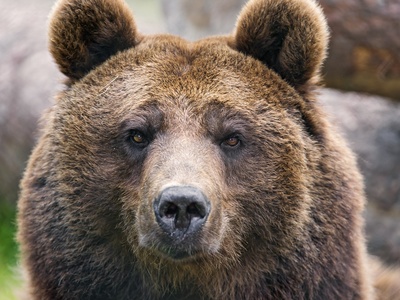
Brown bear
Large omnivore of the Carpathians that relies on forests and berry-rich habitats; populations in Romania are relatively healthy but vulnerable to habitat loss and poaching. Notable: Romania hosts one of Europe’s largest brown bear populations, attracting conservation focus.
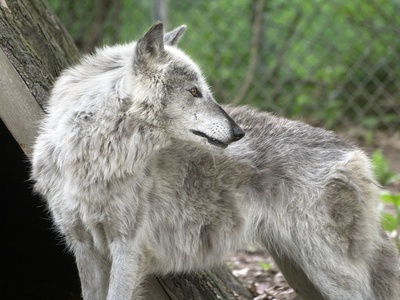
Gray wolf
Top predator of Romania’s forests and mountains; wolves regulate ungulate numbers and require large connected habitats. Populations are stable in protected areas but sometimes conflict with livestock. Notable: widespread in the Romanian Carpathians with traditional tolerance in some rural communities.
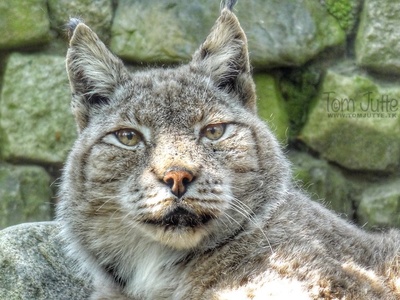
Eurasian lynx
Solitary, elusive felid preferring rugged, forested mountains; lynx numbers have recovered in parts of Romania after historical declines. Notable: lynx conservation depends on large forest corridors linking populations across the Carpathians.
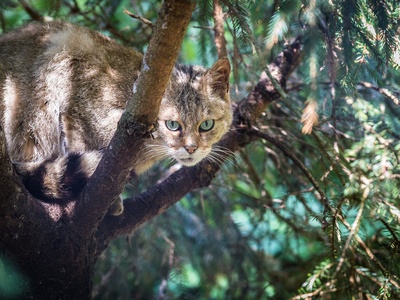
European wildcat
Shy forest cat that looks like a large tabby and avoids human areas; threatened locally by hybridization with feral domestic cats and habitat fragmentation. Notable: sightings are rare and mainly nocturnal.
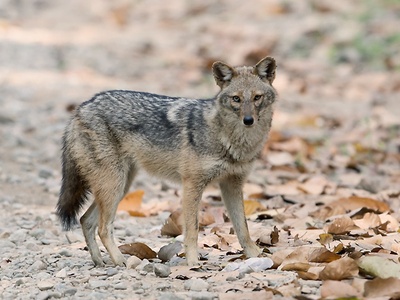
Golden jackal
Flexible omnivore that has expanded across Romania into wetlands, farmland and suburbs; tolerates human-modified landscapes and is increasing in range. Notable: its recent expansion has changed local predator communities.
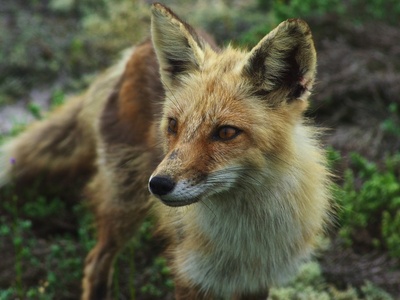
Red fox
Adaptable carnivore found across Romania in both rural and urban areas; omnivorous diet includes rodents, birds, fruits and refuse. Notable: commonly seen at dawn or dusk and adapts well to human presence.
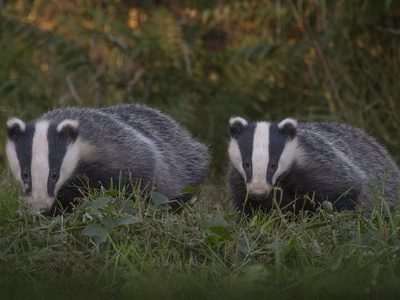
European badger
Nocturnal burrowing omnivore living in multi-entrance setts; common but vulnerable to road mortality and persecution near farms. Notable: badger setts can be used for generations by family groups.
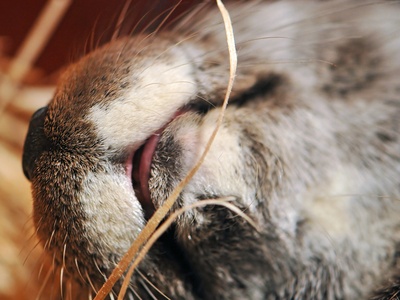
European otter
Semi-aquatic mustelid dependent on clean waterways and riparian cover; populations are recovering in Romania but remain sensitive to pollution and disturbance. Notable: otters are key indicators of freshwater ecosystem health.
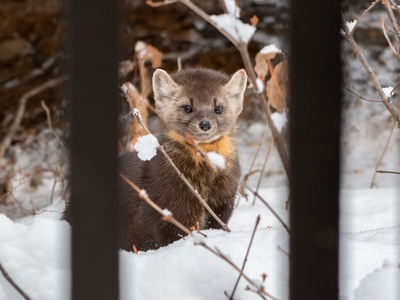
Pine marten
Arboreal mustelid that hunts birds and small mammals and requires continuous forest canopy; localized declines occur with fragmentation. Notable: excellent climber often encountered at dusk and dawn.
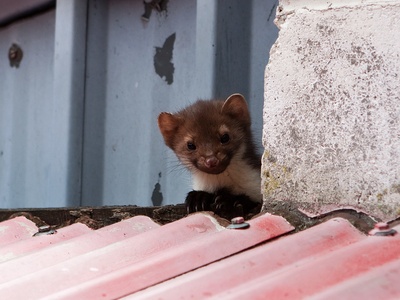
Stone marten
Also called beech marten; tolerates human environments, roosts in buildings and often raids poultry or fruit stores. Notable: common in towns as well as countryside, more synanthropic than pine marten.
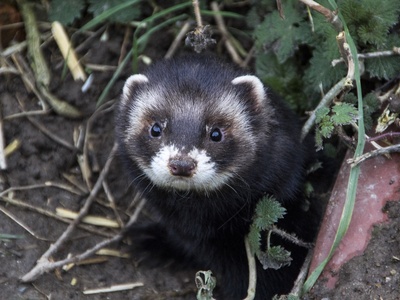
European polecat
Small carnivore preying on rodents, amphibians and birds; stable but locally impacted by habitat change and disease. Notable: ancestor of the domestic ferret and sometimes seen near farm buildings.
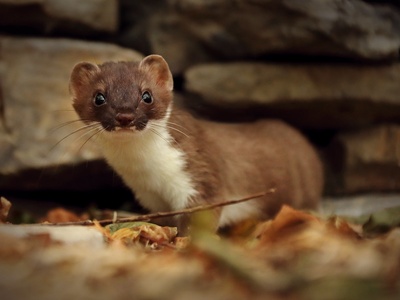
Stoat
Small predator with seasonal white winter coat at high elevations; proficient hunter of rodents and lagomorphs. Notable: famous for dramatic pursuit behavior and seasonal color change in colder areas.
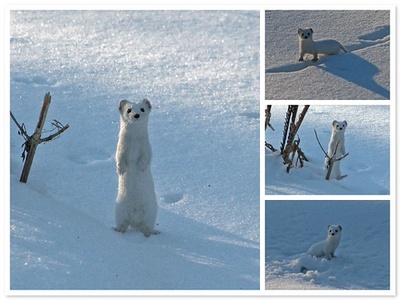
Least weasel
Smallest European carnivore, preying on voles and mice; widespread across Romania and active year-round. Notable: can enter and hunt inside rodent burrows despite tiny size.
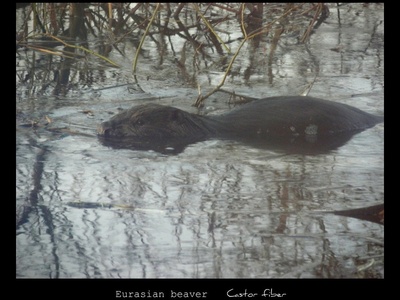
Eurasian beaver
Reintroduced and expanding in many river systems; beavers engineer waterways by building dams, creating wetlands and increasing local biodiversity. Notable: their activity improves flood retention but can conflict with land use.
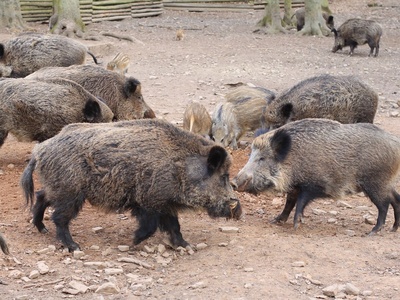
Wild boar
Highly adaptable omnivore with growing populations; causes crop damage but is a cultural game species. Notable: excellent swimmers common in Danube floodplain areas.
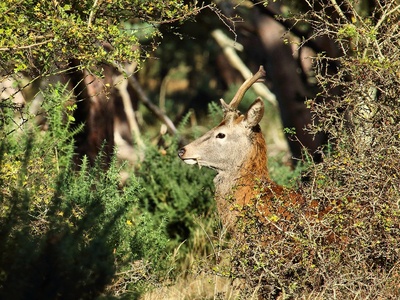
Red deer
Large cervid common in Romania, important for hunting economies and ecosystem function; males grow impressive antlers each year. Notable: red deer form seasonal herds and are iconic in Carpathian forests.
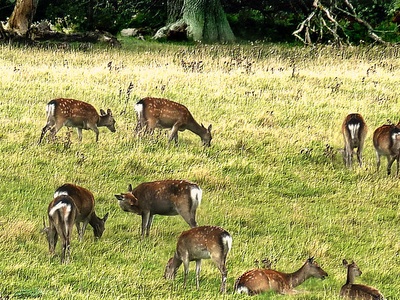
Roe deer
Small, widespread deer that adapts to fragmented landscapes and hedgerows; important prey species for large carnivores. Notable: roe are often solitary or in small family groups and visible at dawn/dusk.
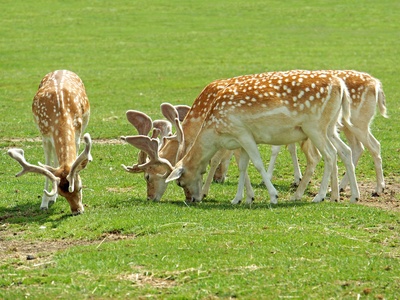
Fallow deer
Introduced but established in many managed and wild pockets of Romania; males bear distinctive palmated antlers. Notable: often kept in hunting parks and can hybridize with other deer.
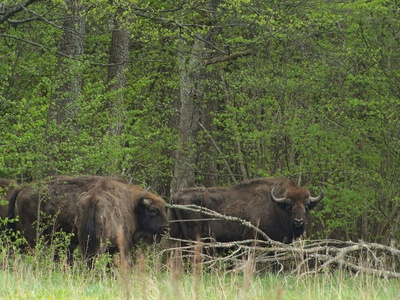
European bison
Reintroduced into Romanian reserves and managed landscapes; conservation priority with a few semi-wild herds. Notable: Europe’s largest land mammal, once extinct in the wild and now slowly returning via reintroductions.
Chamois
Agile mountain ungulate found on steep cliffs and high pastures; sensitive to human disturbance and winter conditions. Notable: highly prized by wildlife watchers and able to navigate extreme terrain.
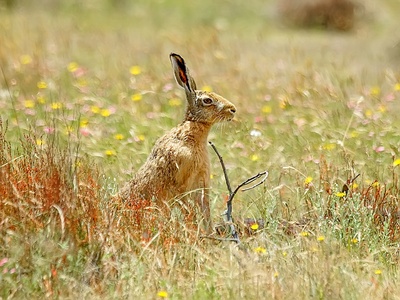
European hare
Common lagomorph of lowlands and farmland that is an important prey species and game animal. Notable: capable of high-speed chases and spectacular zig-zag escape runs from predators.
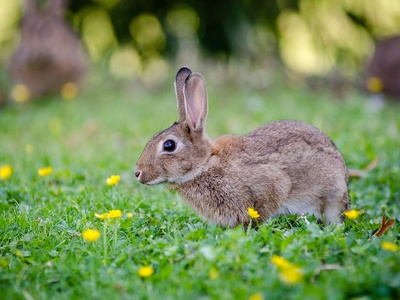
European rabbit
Introduced but established in parts of Romania; forms warrens in scrubby, open habitats and is key prey for predators. Notable: social burrows and high reproductive rate influence local food webs.
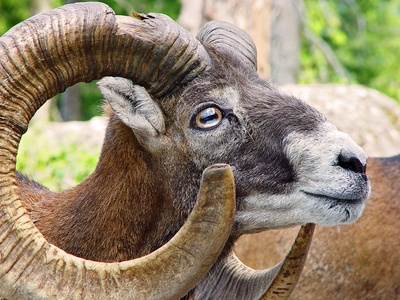
Mouflon
Wild sheep introduced and now established in several Romanian regions; males have curved horns and are prized by hunters. Notable: prefers rocky, wooded habitats and is managed in reserves.
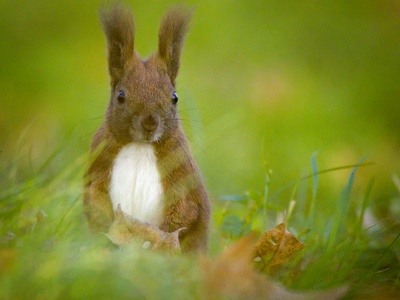
Red squirrel
Arboreal rodent feeding on seeds, cones and fungi; sensitive to forest structure and competition from humans. Notable: coat color varies from red to grey; common in many Romanian woodlands.
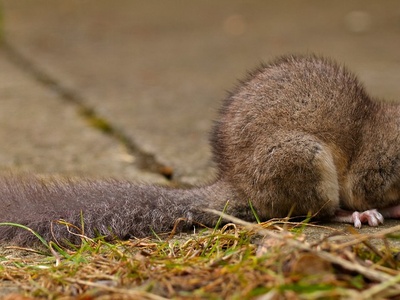
Edible dormouse
Nocturnal gliding dormouse that hibernates long months and feeds on nuts and fruit; common in oak and beech woods. Notable: historically eaten by Romans and still an impressive long-hibernator.
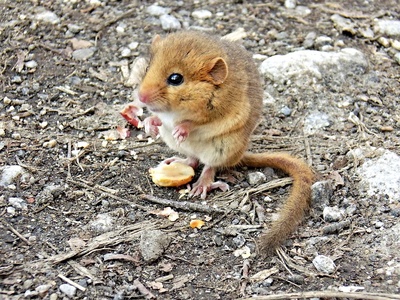
Hazel dormouse
Small arboreal rodent that needs diverse understory and continuous hedgerows; declines where hedgerows are removed. Notable: builds spherical nests woven from vegetation high in shrubs.

Forest dormouse
Nocturnal climber of rocky and wooded habitats with a long tail for balance; less conspicuous than the edible dormouse. Notable: often nests in tree cavities and rock crevices.
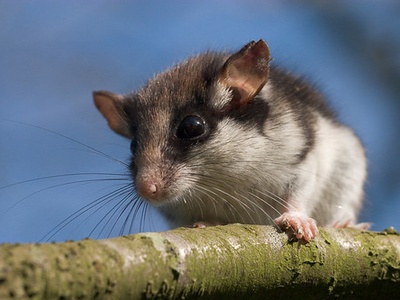
Garden dormouse
Declining in parts of Europe but present in some Romanian regions; nocturnal omnivore that favors warm, open woodlands and orchards. Notable: large eyes and bushy tail with a black tip make it distinctive.
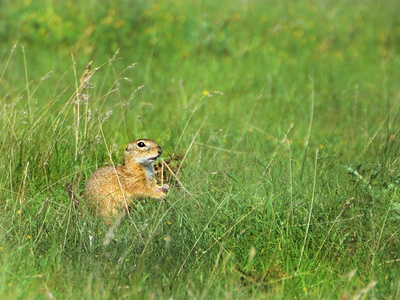
European ground squirrel (souslik)
Social burrowing rodent of steppe habitats that forms colonies and is threatened by habitat loss and agriculture. Notable: characteristic lookout behaviour and alarm calls alert colonies to danger.
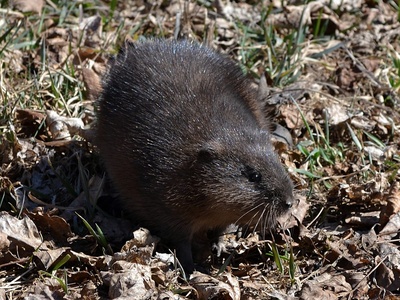
Muskrat
Semi-aquatic rodent introduced to Europe and now established in Romanian wetlands; builds burrows and lodges and can alter bank structure. Notable: impacts native wetland species and sometimes damages banks and reedbeds.
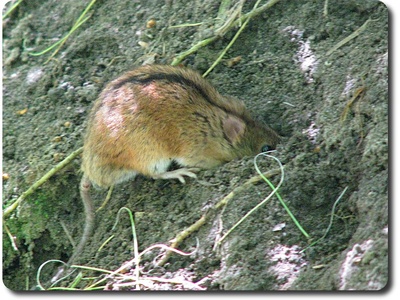
Bank vole
Common forest vole feeding on seeds, fungi and roots; important prey for owls, foxes and mustelids. Notable: caches food for winter and is active beneath leaf litter year-round.
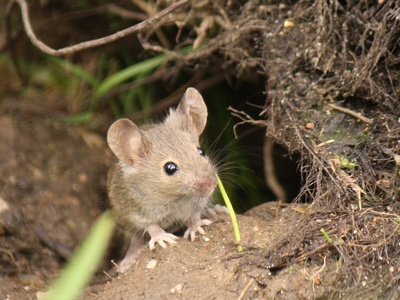
Wood mouse
Widespread nocturnal rodent often near human habitation; omnivorous and effective seed disperser. Notable: frequently nests above ground and can climb vegetation.
Yellow-necked mouse
Similar to the wood mouse but larger and marked by a pale collar; common in mature forests. Notable: excellent climber, often nesting in tree cavities and rotten wood.
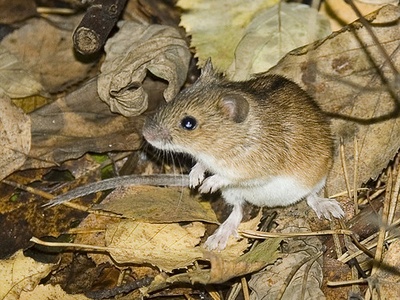
Striped field mouse
Prefers open fields and reed edges, especially in the east; adaptable to disturbed habitats. Notable: often shows a faint dorsal stripe and is important in wetland food webs.
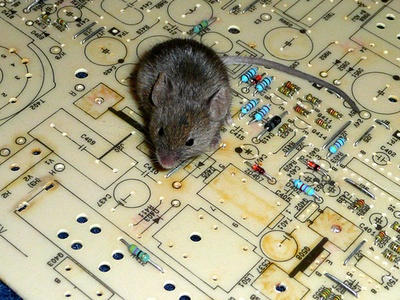
House mouse
Cosmopolitan commensal species established across Romania and closely tied to human buildings and food stores. Notable: high reproductive rate makes it a persistent pest in farms and homes.
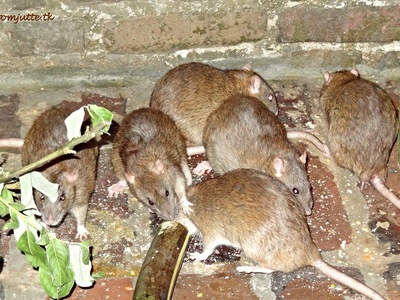
Brown rat
Common commensal rodent associated with human settlements, rivers and farm buildings; excellent burrower and swimmer. Notable: a successful global colonizer, often blamed for disease and crop losses.
Black rat
Historically common in ports and older urban areas; more arboreal and better climber than brown rat. Notable: tends to occupy attics and rafters in historic buildings.
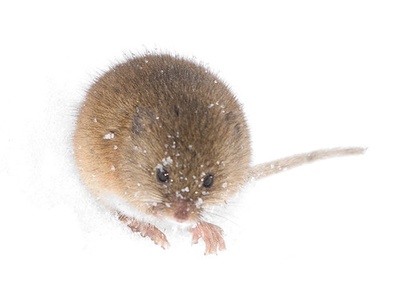
Common vole
Abundant small herbivore whose populations can periodically erupt and impact crops; key prey for many predators. Notable: population cycles strongly influence local predator dynamics and farmland damage.
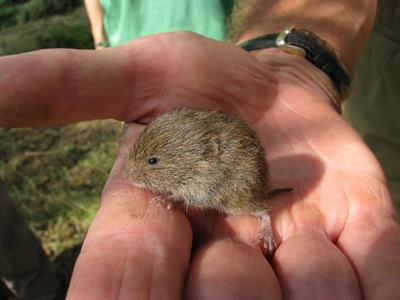
Field vole
Prefers damp grassland and heath; important prey for owls, foxes and mustelids. Notable: creates grassy runways in dense vegetation and shows boom-bust population cycles.
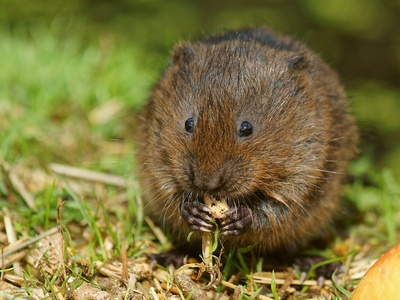
Water vole
Large semi-aquatic vole that digs burrows in riverbanks and feeds on aquatic plants; vulnerable to habitat change and predators. Notable: often mistaken for a rat but is a voluminous aquatic herbivore.
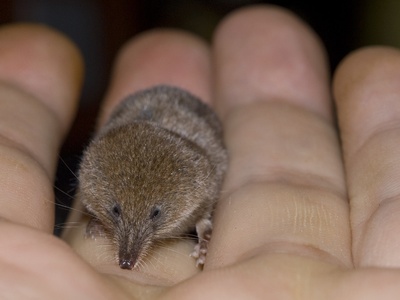
Pygmy shrew
Tiny insectivorous mammal with a very high metabolism requiring frequent feeding; widespread in varied Romanian habitats. Notable: despite tiny size, plays an important role controlling invertebrates.
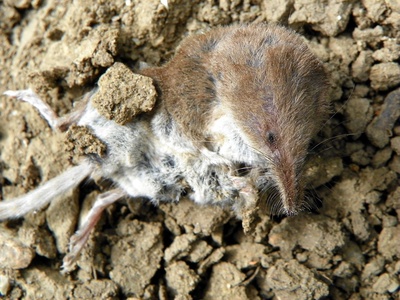
Common shrew
Very common small insectivore with seasonal fur color changes and high activity; major prey for many small carnivores and birds. Notable: emits ultrasonic squeaks that aid in sensing environment.
Eurasian water shrew
Semi-aquatic shrew that swims to hunt aquatic invertebrates and small fish; has venomous saliva to subdue prey. Notable: one of the few venomous mammals in Europe, often found near clear water.
Mediterranean water shrew
Similar to the water shrew but more common in southern and eastern Romania; aquatic hunter of invertebrates and tadpoles. Notable: prefers dense bank vegetation and undisturbed streams.
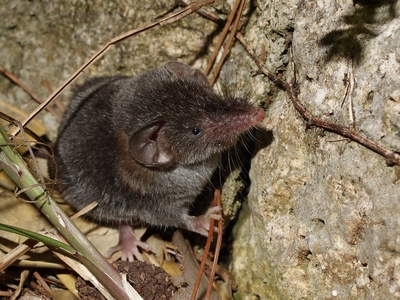
Lesser white-toothed shrew
Small insectivore often occupying warm, dry microhabitats including human-modified landscapes; widespread in southern Romania. Notable: teeth lack the iron staining seen in some other shrews.
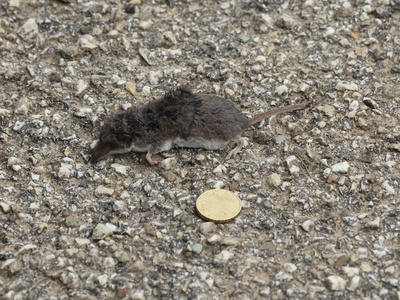
Bicolored white-toothed shrew
Common insectivorous shrew in varied habitats across Romania; nocturnal and often coexists with other small mammals. Notable: distinguished by bicolored fur and white-toothed appearance.
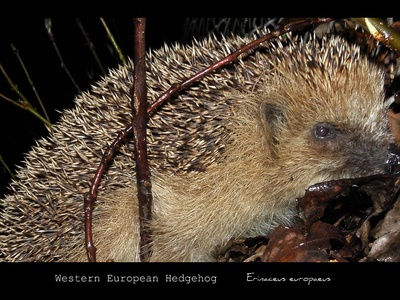
European hedgehog
Familiar nocturnal insectivore often found in gardens and countryside; populations declining in parts of Europe from habitat loss and roads. Notable: defensive rolling into a spiny ball is a classic behavior.
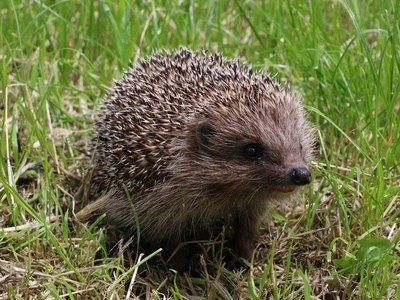
Northern white-breasted hedgehog
Eastern hedgehog species common in Romania and tolerant of human presence in gardens and parks. Notable: active at night feeding on invertebrates, worms and beetles.
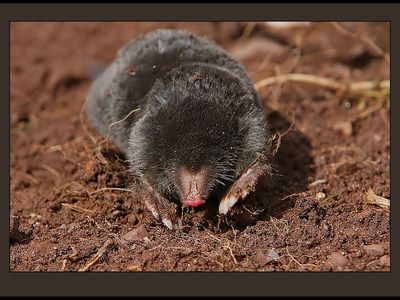
European mole
Fossorial insectivore that tunnels underground, aerates soil and controls invertebrates; often seen as a gardener’s pest due to molehills. Notable: molehills reveal active underground tunnel networks.
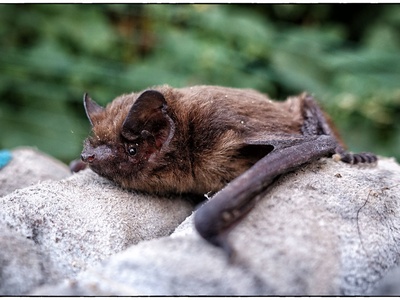
Common pipistrelle
Small aerial insectivore often seen at dusk feeding on midges and moths near lights and waterways; roosts in buildings and tree holes. Notable: one of the most widespread and familiar bats in Romania.
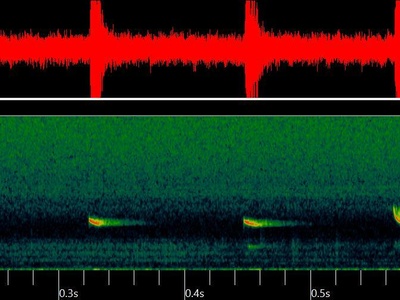
Nathusius’ pipistrelle
Long-distance migratory pipistrelle that follows river corridors and coasts; important for insect control during migration and breeding. Notable: individuals migrate between breeding and wintering grounds across Europe.
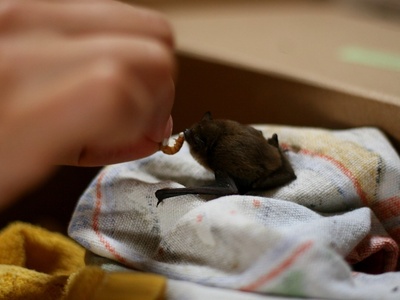
Soprano pipistrelle
Prefers feeding over water and wetland edges; often roosts in tree crevices and buildings. Notable: found frequently along the Danube and large rivers at dusk.
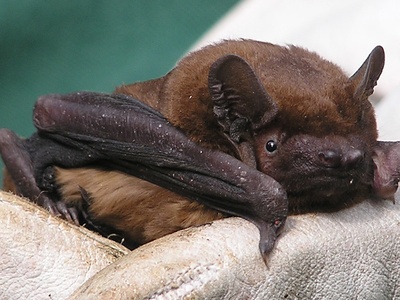
Noctule
Large fast-flying bat that forages high above the canopy for flying insects; often seen at dusk commuting to feeding grounds. Notable: one of Romania’s largest common bat species and sometimes migratory.
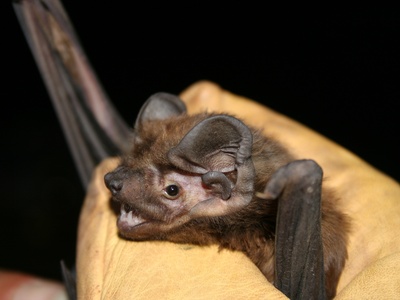
Greater noctule
Rare, large bat that occasionally preys on small birds during migration; considered conservation-priority where it occurs. Notable: unique among European bats for hunting passerine birds in flight.
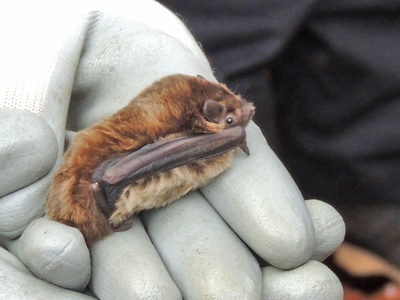
Leisler’s bat
Medium-sized bat often roosting in tree cavities and buildings; active at dusk and over open landscape. Notable: migratory in parts of its range and uses river corridors during movement.
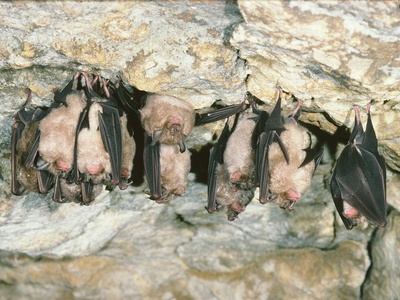
Greater horseshoe bat
Large horseshoe bat roosting in caves and historic buildings; sensitive to roost disturbance and loss of insect-rich pasture. Notable: distinctive horseshoe-shaped noseleaf aids in echolocation.
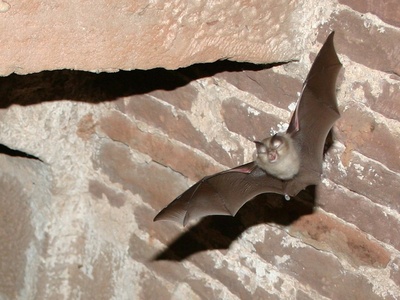
Lesser horseshoe bat
Small horseshoe bat preferring warm, sheltered roosts and insect-rich foraging areas; forms small colonies in caves and buildings. Notable: often found near vineyards and warm valleys.
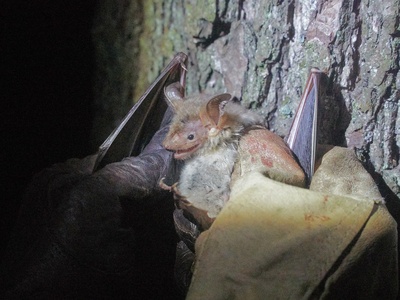
Greater mouse-eared bat
Large Myotis species that roosts in caves and forages over grasslands for beetles and large insects; forms large maternity colonies. Notable: commonly found in Carpathian cave systems.
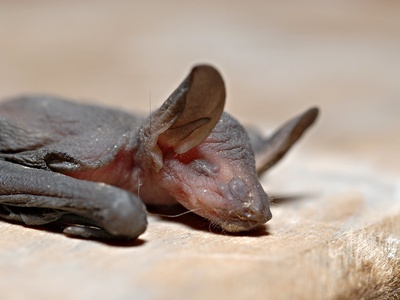
Daubenton’s bat
Specialist feeding low over water surfaces to catch aquatic insects; roosts in bridges, buildings and tree holes. Notable: nicknamed the “water bat” for its hunting style.