Tonga’s island groups sit at the crossroads of Pacific biodiversity, where open ocean meets coral reef and small landmasses host a mix of native marine species and introduced land mammals. The result is a compact but varied mammal list shaped by oceanic visitors, human arrival, and limited island habitats.
There are 22 Mammals of Tonga, ranging from Black rat to Spinner dolphin. For each species we provide a concise row with Scientific name,IUCN status,Presence & main range in Tonga so you can see conservation status and where each occurs — you’ll find these details below.
Which mammals in Tonga are native and which were introduced?
Most truly native mammals around Tonga are marine species (whales, dolphins, some seals), while many terrestrial mammals—like the Black rat—were introduced by humans. Endemic land mammals are essentially absent; conservation concern typically focuses on marine populations and the impacts of invasive species on islands.
How up-to-date are the IUCN statuses listed here?
The IUCN statuses reflect the most recent published assessments but can lag behind local surveys; island populations may change rapidly due to threats or new sightings. For critical decisions, cross-check the IUCN Red List and recent regional studies for the latest updates.
Mammals of Tonga
| Common name | Scientific name | IUCN status | Presence & main range in Tonga |
|---|---|---|---|
| Insular flying fox | Pteropus tonganus | Least Concern | native; most islands including Tongatapu,Vava’u,Ha’apai |
| Samoan flying fox | Pteropus samoensis | Vulnerable | native; scattered islands, less common than P. tonganus |
| Polynesian rat | Rattus exulans | Least Concern | introduced; widespread on inhabited islands |
| Black rat | Rattus rattus | Least Concern | introduced; common around villages and ports |
| Brown rat | Rattus norvegicus | Least Concern | introduced; present around ports and larger islands |
| House mouse | Mus musculus | Least Concern | introduced; widespread in settlements and farms |
| Cat (feral) | Felis catus | Not Evaluated | introduced; feral and domestic across islands |
| Dog | Canis familiaris | Not Evaluated | introduced; domestic and feral in villages |
| Pig (domestic/feral) | Sus scrofa | Least Concern | introduced; domestic and feral on some islands |
| Goat | Capra hircus | Not Evaluated | introduced; kept and feral on larger islands |
| Cattle | Bos taurus | Not Evaluated | introduced; livestock on main islands (Tongatapu and others) |
| Horse | Equus caballus | Not Evaluated | introduced; used for work and transport on some islands |
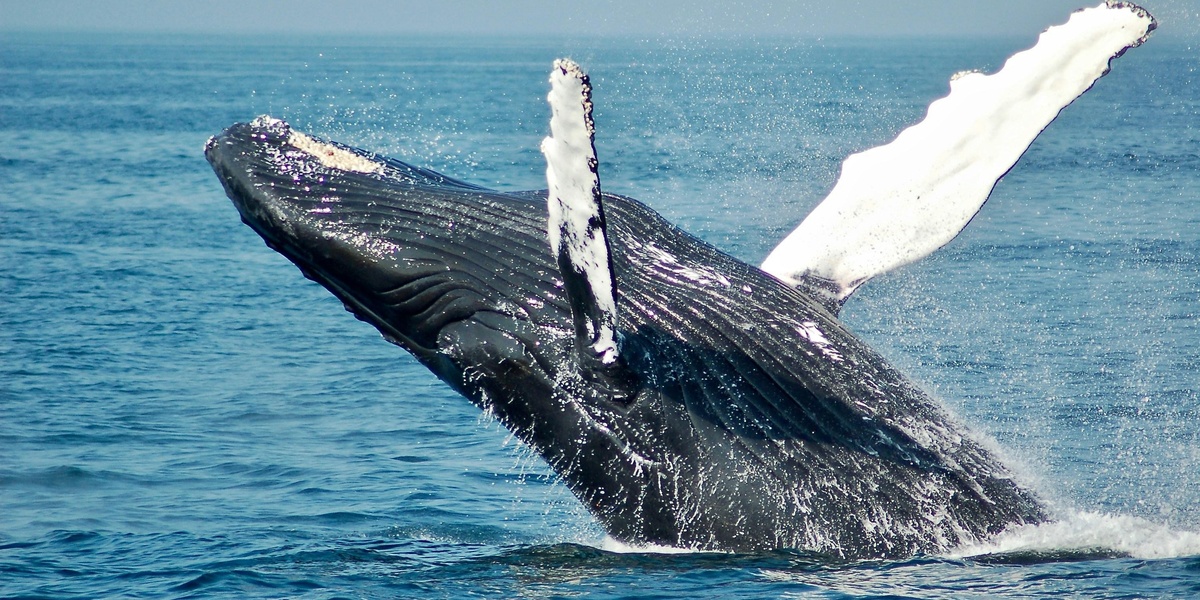
| Humpback whale | Megaptera novaeangliae | Least Concern | native migrant; breeding aggregations in Vava’u and northern waters seasonally |
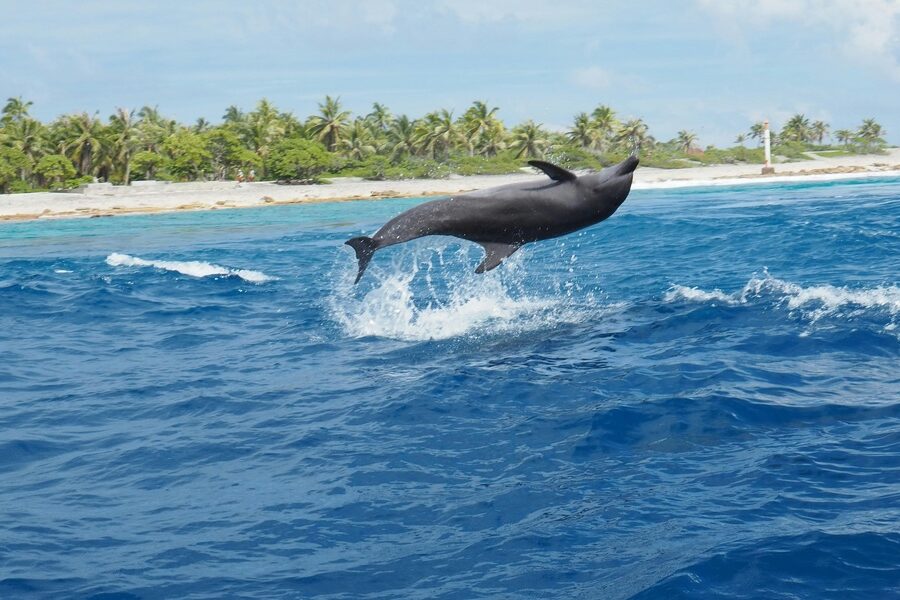
| Spinner dolphin | Stenella longirostris | Least Concern | native; coastal bays and reef-associated waters, often Vava’u |
| Common bottlenose dolphin | Tursiops truncatus | Least Concern | native; coastal and bays near inhabited islands |
| Pantropical spotted dolphin | Stenella attenuata | Least Concern | pelagic; offshore waters of Tonga |
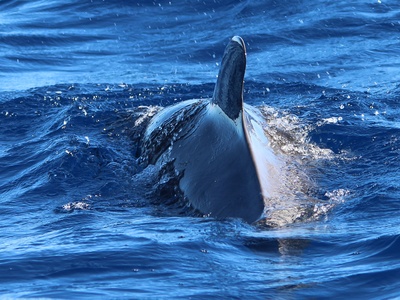
| Short-finned pilot whale | Globicephala macrorhynchus | Least Concern | offshore; recorded in deep waters around Tonga |
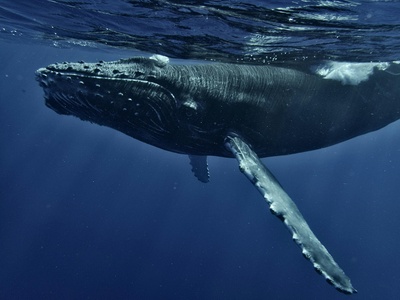
| Sperm whale | Physeter macrocephalus | Vulnerable | native/offshore; deep waters across Tonga EEZ |
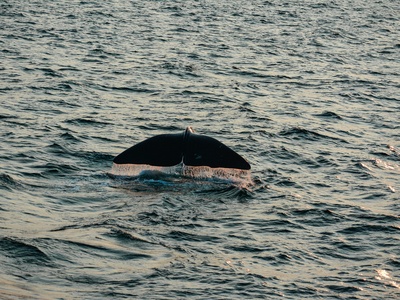
| False killer whale | Pseudorca crassidens | Near Threatened | offshore; recorded around Tonga EEZ occasionally |
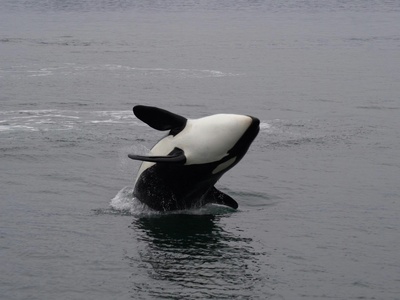
| Orca (killer whale) | Orcinus orca | Data Deficient | vagrant; occasional visitors to Tongan waters |
| Bryde’s whale | Balaenoptera edeni | Data Deficient | offshore; occasional in warm Tongan waters |
| Fraser’s dolphin | Lagenodelphis hosei | Least Concern | offshore; recorded in pelagic Tonga waters |
Images and Descriptions
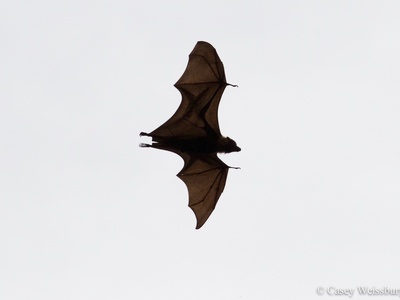
Insular flying fox
A large fruit bat with a roughly one‑metre wingspan that roosts in trees near villages and forest patches. Common across Tonga and visible at dusk. Eats fruit and nectar, important for pollination and seed dispersal; vulnerable locally to hunting.
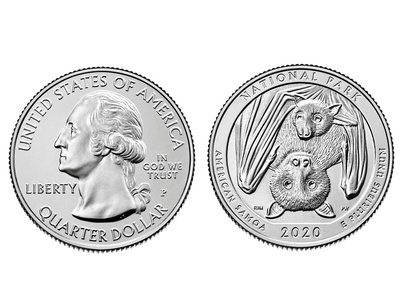
Samoan flying fox
A large fruit bat similar to the insular flying fox, with dark fur and a wingspan near one metre. Present on some Tongan islands but less common. Feeds on fruit and flowers; conservation concern from hunting and habitat change.
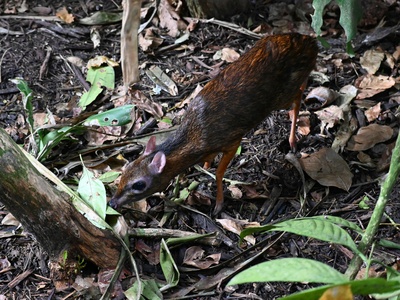
Polynesian rat
Small brown rat introduced by early Polynesians centuries ago. Widespread on inhabited Tongan islands, often in gardens and forest edges. Eats seeds and crops, major threat to native birds and plants through predation and seed loss.
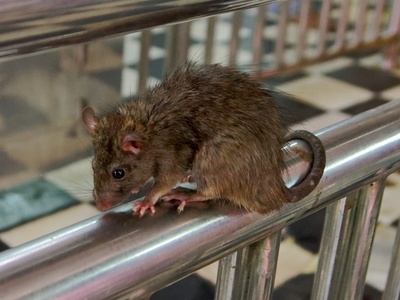
Black rat
Tree‑climbing rodent introduced with European contact and now common around villages and ports. Omnivorous and nocturnal, it invades homes and preys on bird eggs and seedlings, contributing to declines of native seabirds and forest regeneration.
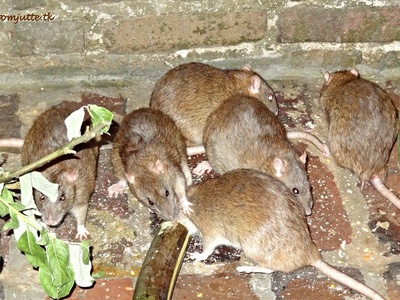
Brown rat
A bulky, ground‑dwelling rat typically associated with docks and settlements. Less widespread than other rats on smaller islets but common in larger islands. Forages on refuse, crops and native fauna, worsening invasive-predator impacts.
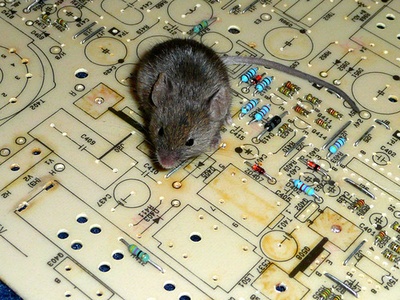
House mouse
Small mouse introduced with humans, living in houses, gardens and fields. Abundant on populated islands, it eats seeds and stored food and can alter invertebrate communities; easy to spot at night near lights but avoids open habitat.
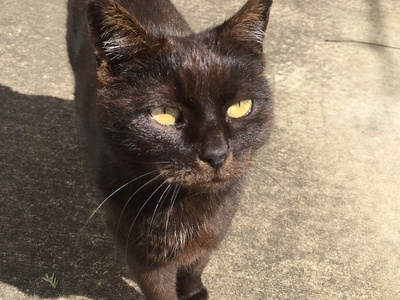
Cat (feral)
Domesticated cat turned feral on many islands; sleek predators of birds, lizards and rodents. Often seen around villages and farms, feral populations have big impacts on native ground‑nesting birds and reptiles, making them a conservation concern.

Dog
Domestic dogs are common in villages, sometimes free‑roaming with feral groups on larger islands. Omnivorous and social, they can harass wildlife, spread disease and threaten livestock; useful culturally and widely kept by Tongan households.
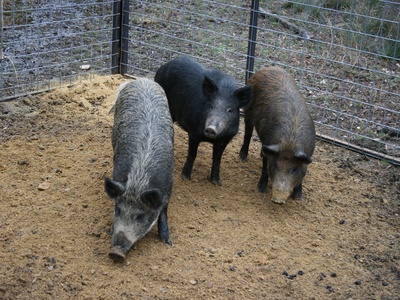
Pig (domestic/feral)
Introduced pigs are kept for food and occur as feral populations on some islands, rooting in forests and gardens. Large and adaptable, they damage vegetation and archaeological sites and can compete with native species for resources.
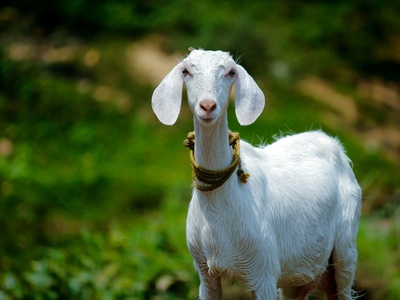
Goat
Domestic goats introduced for meat and grazing; feral populations exist on some outer islands. Agile browsers, they eat shrubs and seedlings, causing erosion and native plant loss, and are often controlled to protect rewilding areas.
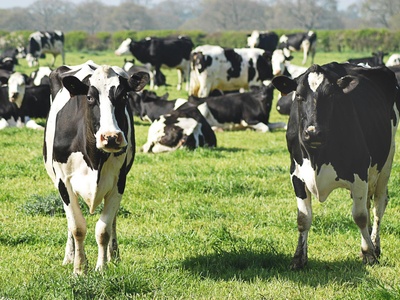
Cattle
Cattle are kept for meat and milk on main islands and farmed in pastures. Large and visible in lowland areas, their grazing alters grasslands and wetlands and they are mainly a human-managed species rather than wild.
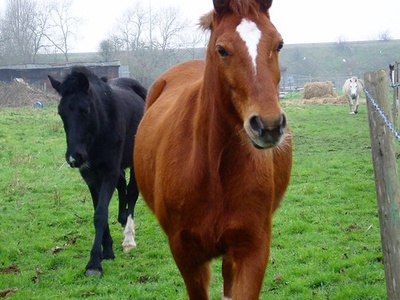
Horse
Horses brought by Europeans are used for transport and work in rural Tonga. Found mainly on larger islands, they are uncommon in the wild; riders may be seen in villages and occasional feral individuals exist.
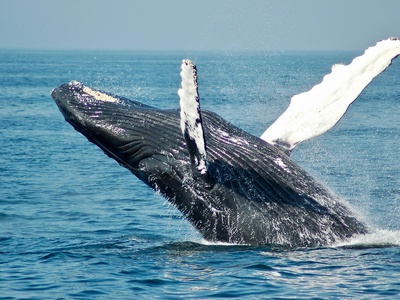
Humpback whale
Huge, acrobatic baleen whale reaching twelve to sixteen metres that is famous for breaching and songs. Tonga hosts seasonal breeding groups, especially around Vava’u (June–October), where whale‑watching encounters are common and important for tourism and conservation.
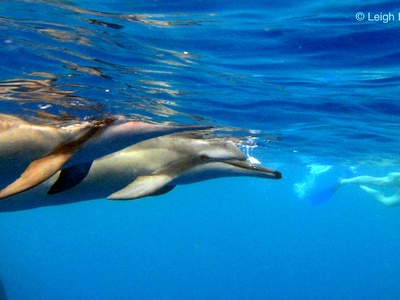
Spinner dolphin
Slender, energetic dolphins known for spinning leaps, usually in large groups near reefs and bays. Common in Tongan coastal waters, they can be seen from boats during calm weather and are a highlight for marine wildlife tours.
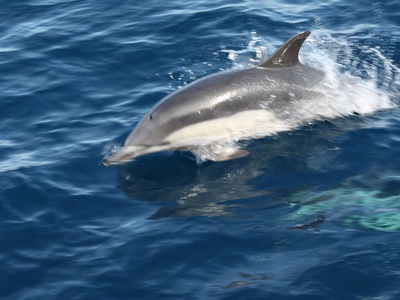
Common bottlenose dolphin
Robust, familiar dolphin up to three metres long, often found in small groups nearshore. Playful and curious, they approach boats and shorelines around Tonga’s main islands, making them easy to spot on boat trips or from beaches.
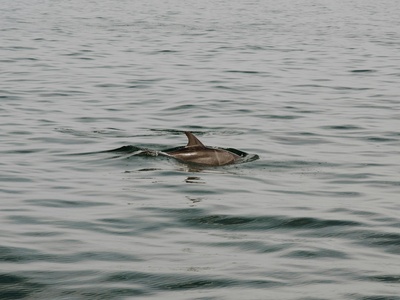
Pantropical spotted dolphin
Fast, spotted dolphins of offshore waters that form sizeable pods and travel long distances. Seen in pelagic Tonga waters, typically on deep-water boat excursions, they are social and often bow‑ride but less common close to reefs.
Short-finned pilot whale
A social, dark‑coloured whale reaching four to six metres, living in large family groups. Mostly offshore and occasionally sighted around Tonga’s deep-sea channels, they are strong swimmers and seen during pelagic surveys or rare strandings.
Sperm whale
Huge toothed whale up to sixteen metres that dives deep for squid, with a distinctive blocky head. Sperm whales roam Tonga’s deep waters year‑round and are encountered on pelagic trips; historically hunted but now protected.
False killer whale
Large, dark member of the dolphin family reaching four to six metres that hunts fish and squid. Occasionally sighted offshore in Tongan waters, often in mixed-species groups; vulnerable to bycatch and mass strandings.
Orca (killer whale)
Powerful apex predator with striking black‑and‑white markings, ranging from small transient groups to large pods. Rare off Tonga as occasional visitors; seen by pelagic vessels. They eat fish, squid and marine mammals depending on local ecotypes.

Bryde’s whale
A medium-sized baleen whale ten to fifteen metres long that prefers warm, productive waters. Occasionally encountered offshore around Tonga; often elusive and confused with similar species, so records are less common but they remain part of the marine megafauna.
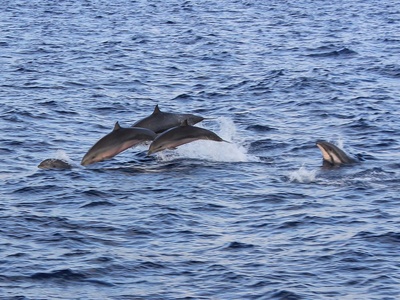
Fraser’s dolphin
A compact, fast‑swimming dolphin of offshore tropical seas with a short beak and striped flanks. Seen episodically in Tonga’s deep waters, usually in large pods; spotted during pelagic expeditions rather than near reefs.