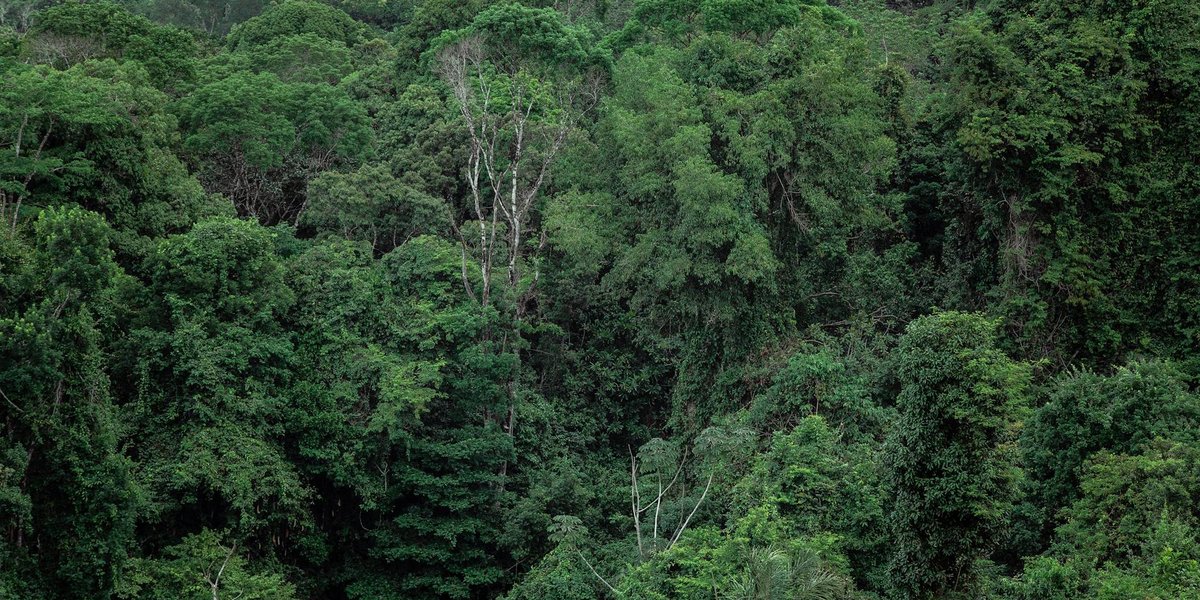
Sri Lanka packs more plant diversity per square kilometer than almost anywhere else in Asia. About a quarter of its flowering plants grow nowhere else on Earth — and the rainforest at Sinharaja alone shelters more endemic trees than entire countries do. The island earned its “biodiversity hotspot” label honestly.
Most lists you’ll find online either dump 500 species into a cold A–Z database or profile the same dozen pretty flowers without telling you which are actually endemic, or where you’d go to see them. This one fixes both. Every plant below is tagged native or endemic, grouped by the climate zone it grows in, and paired with a real place you can stand and look at it.
A quick note on the difference, because it matters here: native means the plant arrived and established itself without human help. Endemic is the stricter club — it grows naturally in Sri Lanka and nowhere else in the world. Sri Lanka has a lot of the second kind, and they’re the ones worth crossing the island for.
Table of Contents
- How Sri Lanka’s plant zones work
- The marquee species
- Wet zone & rainforest plants
- Dry zone plants
- Hill country & montane plants
- Where to actually see them
How Sri Lanka’s plant zones work
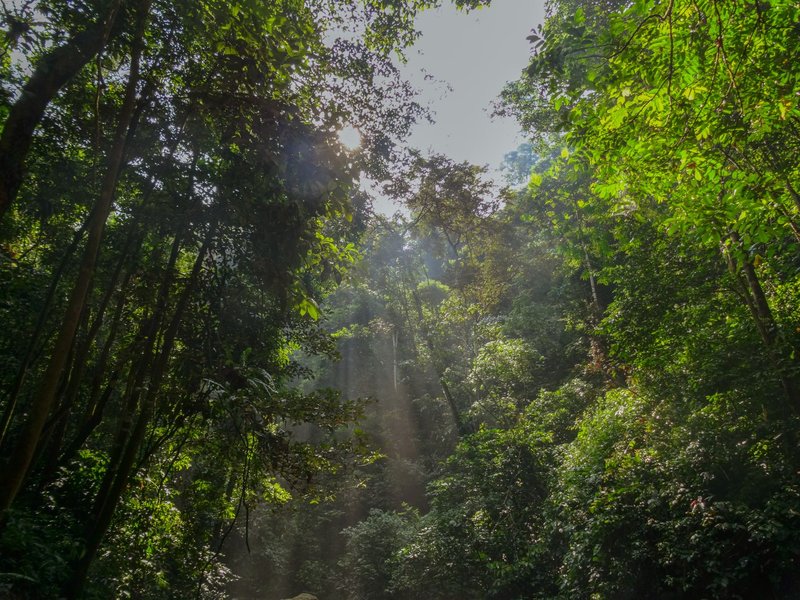
You can’t talk about Sri Lankan flora without talking about rain. The island splits into climate zones that decide what grows where, and locals organize plants by zone almost reflexively.
The wet zone in the southwest gets drenched — over 2,500mm of rain a year — and holds the rainforests, including Sinharaja. The dry zone covers most of the north and east, hot and seasonal, home to drought-hardy trees and the ancient irrigation tanks. The intermediate zone is the buffer between them. And the montane zone sits up in the central highlands above 1,500m, cool and misty, where cloud forests grow plants you won’t find in the lowlands.
The UNESCO-listed Sinharaja Forest Reserve is the crown jewel of the wet zone, and over 60% of its trees are endemic. Keep that figure in mind as you read — it explains why so many plants on this list point you toward the same patch of southwestern rainforest.
The marquee species
Start here. These four are the ones every Sri Lankan knows by name, and they anchor the country’s identity in flower, tree, and temple.
1. Blue Water Lily (Nymphaea nouchali)
Sinhala: Nil Manel · Zone: Wet & dry (still water) · Status: Native
The national flower, and the one you’ll see floating in village tanks and temple ponds across the island. The Nil Manel opens a star of pale blue-violet petals around a gold center, usually mid-morning, and closes by afternoon. Sri Lanka adopted it as the national flower in 1986, choosing it partly because the blue lotus appears in ancient frescoes and Buddhist symbolism going back centuries.
A common mix-up: tourists photograph the pink-and-white sacred lotus and call it the national flower. It isn’t. The lily sits flat on the water; the lotus stands above it on a stalk.
2. Ironwood (Mesua ferrea)
Sinhala: Na · Zone: Wet & intermediate · Status: Native (national tree)
The Na tree is Sri Lanka’s national tree, and one of the heaviest woods on the planet — dense enough that it sinks in water. New leaves emerge a startling pinkish-red before turning deep green, so a mature Na in flush looks like it’s blushing. The white flowers with their burst of yellow stamens are used in Ayurvedic medicine and temple offerings.
You’ll find Na planted around old temples deliberately; its longevity made it a symbol of permanence.
3. Sacred Lotus (Nelumbo nucifera)
Sinhala: Nelum · Zone: Dry zone tanks · Status: Native
The lotus carries more cultural weight in Sri Lanka than almost any plant. It rises clean out of muddy water, which is exactly why Buddhism adopted it as a symbol of purity. Every part gets used: the seeds are eaten, the rhizomes go into curries, and the leaves wrap rice parcels. During Vesak and temple festivals, lotus blooms pile up at shrines by the thousand.
4. Ceylon Ebony (Diospyros ebenum)
Sinhala: Kaluwara · Zone: Dry & intermediate · Status: Native, heavily exploited
This is the tree that made “ebony” famous. Its jet-black heartwood was prized for furniture and carving for centuries, and that demand nearly wiped it out — historic over-logging means wild mature specimens are now scarce and protected. The wood is so dense and fine-grained it polishes to look almost like stone.
Wet zone & rainforest plants
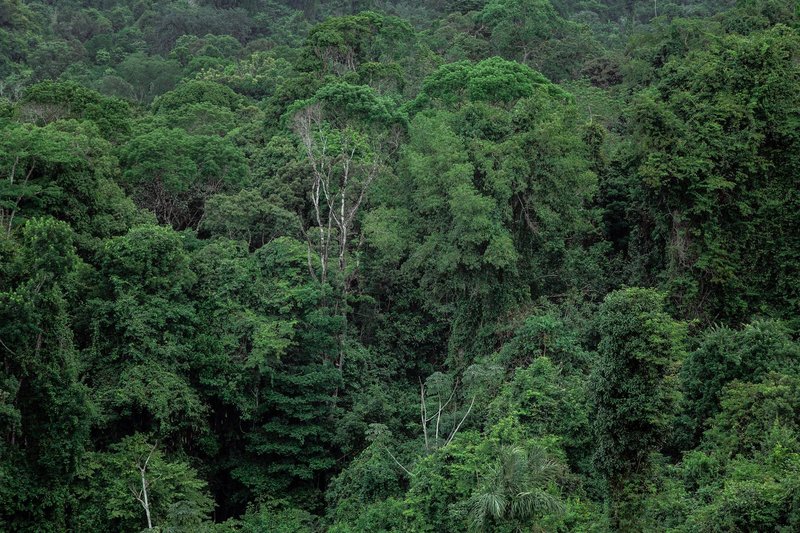
This is where Sri Lanka’s endemics concentrate. If a plant grows nowhere else on Earth, there’s a good chance it lives in the dripping greenery of the southwest.
5. Hora (Dipterocarpus zeylanicus)
Sinhala: Hora · Zone: Wet zone rainforest · Status: Endemic
A giant of the lowland rainforest, Hora can top 45 meters and forms a big part of Sinharaja’s canopy. Its seeds have winged “helicopter” structures that spin as they fall. The resin was traditionally tapped for caulking boats and making torches. When people describe walking through Sinharaja and feeling dwarfed, Hora is often the tree doing the dwarfing.
6. Ceylon Ironwood’s cousin: Doona / Beraliya (Shorea species)
Sinhala: Beraliya · Zone: Wet zone · Status: Several endemic species
The Shorea genus is a Sinharaja signature, with multiple endemic species clustered in the same forest. Some produce edible seeds that local communities have harvested for generations. These dipterocarps are slow-growing and build the structural backbone of the rainforest — lose them and the whole canopy architecture changes.
7. Bo Tree / Sacred Fig (Ficus religiosa)
Sinhala: Bo / Esathu · Zone: Widespread, wet & intermediate · Status: Native
The most historically significant tree in the country. The Sri Maha Bodhi in Anuradhapura was grown from a cutting of the very tree the Buddha is said to have attained enlightenment under, planted in 288 BCE — which makes it one of the oldest living human-planted trees in the world with a known planting date. Pilgrims tie prayer flags to its branches; you’ll recognize the heart-shaped leaves with their long drip-tips anywhere.
8. Ceylon Olive (Elaeocarpus serratus)
Sinhala: Veralu · Zone: Wet & intermediate · Status: Native
Not a true olive, but the green oval fruit looks the part. Veralu is a roadside-and-market staple — sold by the bag, pickled in brine and chili, or made into a tart side dish. The flavor is sour and astringent, an acquired taste that Sri Lankans defend fiercely.
9. Wild Cinnamon (Cinnamomum verum)
Sinhala: Kurundu · Zone: Wet zone lowlands · Status: Native
True cinnamon is Sri Lankan. The thin, papery bark of Cinnamomum verum yields the delicate, mild spice that connoisseurs distinguish from the harsher cassia “cinnamon” sold cheaply elsewhere. Sri Lanka still produces the majority of the world’s true cinnamon, and the cultivated groves trace straight back to wild stands in the southwestern lowlands.
10. Bovitiya (Osbeckia octandra)
Sinhala: Bovitiya · Zone: Wet zone, disturbed ground · Status: Endemic
A scruffy-looking shrub with purple-pink flowers that you’ll spot along trail edges and clearings. Easy to overlook, but it’s endemic, and its leaves are used in Ayurvedic preparations for liver complaints. The kind of plant that proves endemism isn’t only about charismatic giants — sometimes it’s the weed by the path.
Dry zone plants
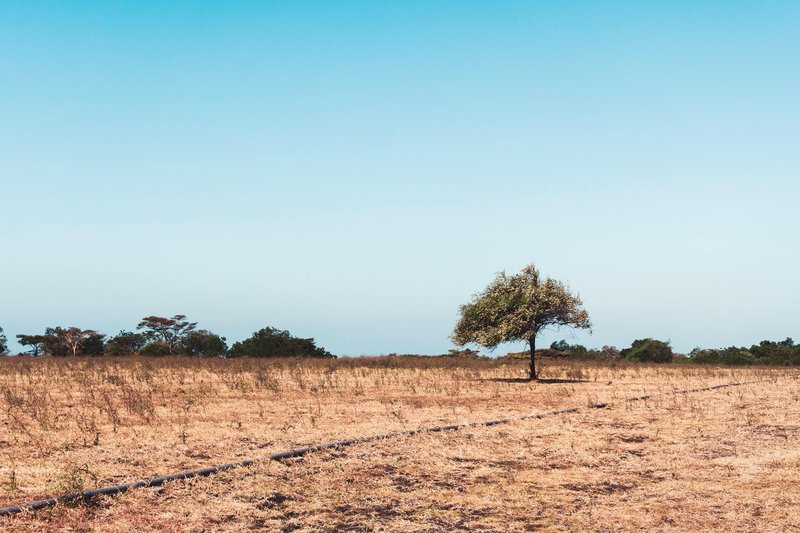
The north and east tell a different story. Less rain, harder seasons, and trees built to survive months of drought. This is also Sri Lanka’s Ayurvedic medicine cabinet.
11. Palmyra Palm (Borassus flabellifer)
Tamil: Panai · Zone: Dry zone, north & east · Status: Native
The defining tree of the Jaffna peninsula. The Palmyra is fan-leaved, salt-tolerant, and almost absurdly useful — the sap becomes toddy and jaggery, the young seeds are eaten as a jelly-like snack, the fibrous tubers (odiyal) are dried into flour, and the timber and leaves build homes. Northern Tamil culture is woven around this palm so tightly it appears on regional emblems.
12. Wood Apple (Limonia acidissima)
Sinhala: Divul · Zone: Dry zone · Status: Native
A hard, gray, cricket-ball-sized fruit you have to crack open to reach the sticky brown pulp inside. Divul gets blended into a sweet-sour juice or made into a thick jam, and the smell is unmistakable once you’ve had it. Drought-hardy and common around dry-zone villages.
13. Beli / Bael (Aegle marmelos)
Sinhala: Beli · Zone: Dry & intermediate · Status: Native
Sacred to Hindus and central to Ayurveda. The ripe fruit’s pulp, dried and steeped, makes beli mal tea — a staple remedy for digestive trouble that you’ll find on tea menus across the country. The trifoliate leaves are offered at Shiva temples. A tree where the cultural and medicinal uses are basically inseparable.
14. Neem (Azadirachta indica)
Sinhala: Kohomba · Zone: Dry zone · Status: Native
The pharmacy tree. Kohomba leaves go into a bitter porridge eaten to “cool” the body, the twigs serve as natural toothbrushes, and extracts work as a pesticide. The bitterness is famous enough to be proverbial in Sinhala. Few trees earn their keep so thoroughly across food, medicine, and farming.
15. Kumbuk (Terminalia arjuna)
Sinhala: Kumbuk · Zone: Dry zone riverbanks · Status: Native
A riverside giant with a pale, buttressed trunk, almost always growing along water in the dry zone. Kumbuk bark has a long history in heart-tonic Ayurvedic medicine, and the tree’s deep roots filter and clean the water around it — old wells were often sited near Kumbuk for that reason. You’ll see magnificent specimens shading dry-zone rivers and ancient tanks.
Hill country & montane plants
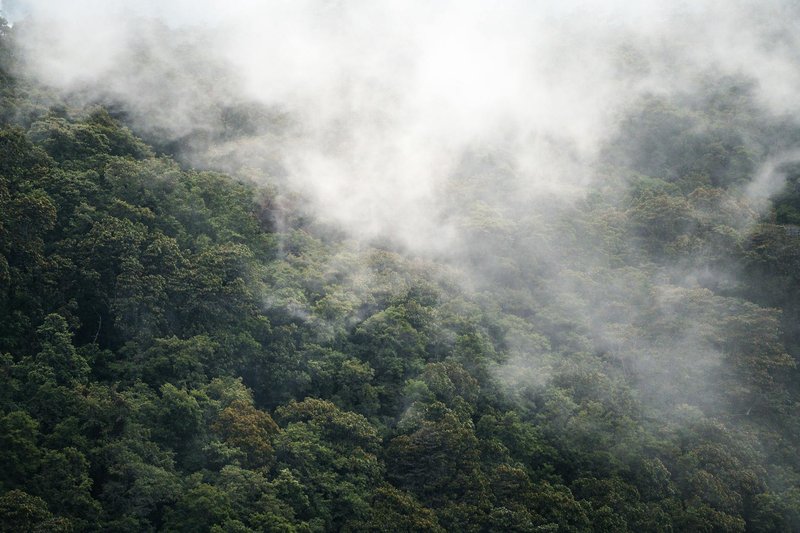
Climb above 1,500 meters and the vegetation changes completely. Cool, misty, and full of plants adapted to highland conditions you won’t meet in the lowlands.
16. Rhododendron arboreum ssp. zeylanicum
Sinhala: Maha Rath Mal · Zone: Montane cloud forest · Status: Endemic subspecies
The tropical highland rhododendron, with blood-red flower clusters that light up the misty forests of Horton Plains and the high peaks. This is the Sri Lankan subspecies, distinct from its Himalayan relatives. Seeing red rhododendron blooms against gray cloud-forest fog is one of the quiet rewards of hiking the central highlands.
17. Ceylon Slitwort / Binara (Exacum trinervium)
Sinhala: Binara · Zone: Montane & sub-montane · Status: Endemic
A delicate purple-blue gentian relative endemic to Sri Lanka’s hills. Small, low-growing, and easy to miss, but a true highland endemic that gardeners prize. It pops up along montane trail margins and in the cooler upcountry gardens.
18. Nilu (Strobilanthes species)
Sinhala: Nilu / Maha Nelu · Zone: Montane forest · Status: Several endemic species
Save the strangest for last. The Strobilanthes shrubs of the highlands flower gregariously and then die — all at once, on a cycle that can run a decade or more, carpeting whole hillsides in purple-blue before the plants set seed and perish together. Several species are endemic. Catching a mass Nilu bloom is a genuine event; it can draw crowds the way a meteor shower does, because you might wait years for the next one.
Where to actually see them
You don’t have to chase all eighteen across the island. A few well-chosen stops cover most of the list.
- Sinharaja Forest Reserve (wet zone): Hora, Beraliya, Bovitiya, and the dripping endemic canopy. This is the single best stop for endemics — bring a guide, the trail-side species are easy to miss.
- Anuradhapura & Polonnaruwa (dry zone): The Sri Maha Bodhi sacred fig, lotus-filled tanks, Kumbuk along the rivers, and Beli around the temples.
- Jaffna peninsula (far north): Palmyra palms everywhere, plus dry-zone fruits like wood apple in the markets.
- Horton Plains & the central highlands: Endemic rhododendron, Binara, and — if your timing is freakishly lucky — a Nilu mass bloom.
- Any village tank or temple pond: The Nil Manel water lily and sacred lotus, no special trip required.
Sri Lanka’s flora rewards the traveler who knows what they’re looking at. A tree is just a tree until you learn it’s a 45-meter endemic that grows nowhere else on the planet — and then the whole forest reads differently. Start with the marquee four, learn to tell the lily from the lotus, and let the endemics pull you the rest of the way in.