New Zealand’s landscapes — from windswept coasts to misty forests — are defined by a unique set of plants that support wildlife, culture and local ecosystems. Learning these species helps you read the land, whether you’re hiking, gardening or supporting restoration projects.
There are 34 New Zealand’s native plants, ranging from Ake ake to Wheki. For each species you’ll find below entries organized by Scientific name,Māori name,Typical height (m),Habitat & distribution so you can compare identification details, traditional names and where each plant typically grows.
How can I reliably identify these plants when I’m out in the field?
Focus on a few consistent traits: leaf shape and arrangement, flower structure and season, bark and growth habit, plus the habitat (coastal, lowland forest, alpine). Use the Māori name where listed to cross-check local guides, take photos of key features, and compare with trusted field guides or regional botanical websites.
Are any of these species threatened, and what practical steps can I take to help?
Yes — several native plants face habitat loss or browsing pressure. Check the Department of Conservation or local conservation group lists for status. Help by planting locally appropriate natives, removing weeds, fencing to exclude pests where needed, and reporting rare sightings to citizen science or iwi-led monitoring projects.
New Zealand’s Native Plants
| Name | Scientific name | Māori name | Typical height (m) | Habitat & distribution |
|---|---|---|---|---|
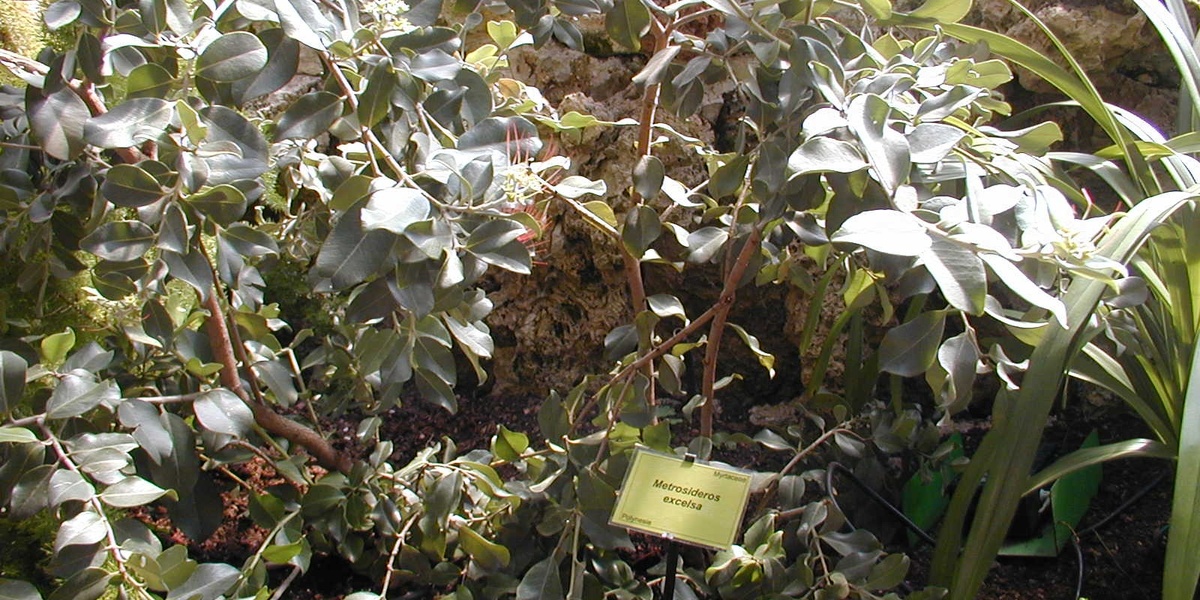
| Pohutukawa | Metrosideros excelsa | Pōhutukawa | 5–20 m | Rocky North Island coasts and some offshore islands |
| Kauri | Agathis australis | Kauri | 20–50 m | Northern forests; Northland, Auckland and offshore islands |
| Kowhai | Sophora microphylla | Kōwhai | 3–10 m | Lowland forests, riverbanks, and open areas across much of NZ |
| Manuka | Leptospermum scoparium | Mānuka | 1–4 m | Scrub, bogs and regenerating land nationwide |
| Kanuka | Kunzea ericoides | Kānuka | 2–12 m | Lowland to montane scrub and forest across NZ |
| Nikau | Rhopalostylis sapida | Nīkau | 4–12 m | Coastal and lowland forests in North and northern South Island |
| Cabbage tree | Cordyline australis | Tī kōuka | 3–10 m | Wetlands, coastal and open country, widespread |
| Harakeke | Phormium tenax | Harakeke | 0.5–2 m | Wetlands, coastal and disturbed sites throughout NZ |
| Silver fern | Cyathea dealbata | Ponga | 2–8 m | Forest understory across both main islands and offshore islands |
| Wheki | Dicksonia squarrosa | Wheki | 1–3 m | Damp gullies and forests nationwide |
| Rimu | Dacrydium cupressinum | Rimu | 15–40 m | Lowland to montane forests across NZ |
| Kahikatea | Dacrycarpus dacrydioides | Kahikatea | 20–50 m | Lowland swamp forests historically widespread; remnant stands remain |
| Totara | Podocarpus totara | Tōtara | 10–30 m | Hills and lowland forests throughout NZ |
| Matai | Prumnopitys taxifolia | Matai | 10–30 m | Lowland forests on both main islands |
| Miro | Prumnopitys ferruginea | Miro | 10–20 m | Lowland forests, more common in northern regions |
| Tawa | Beilschmiedia tawa | Tawa | 15–25 m | Lowland forests mainly in North Island |
| Kohekohe | Dysoxylum spectabile | Kohekohe | 10–20 m | Northern lowland coastal forests on fertile soils |
| Karaka | Corynocarpus laevigatus | Kāraka | 8–15 m | Northern coastal forests and scrub |
| Kawakawa | Piper excelsum | Kawakawa | 0.5–3 m | Forest understory and margins nationwide |
| Koromiko | Veronica stricta | Koromiko | 0.5–3 m | Scrub and roadside margins throughout NZ |
| Northern rātā | Metrosideros robusta | Rātā | 10–25 m | Lowland and coastal forests in northern NZ |
| Southern rātā | Metrosideros umbellata | Rātā | 5–15 m | Coastal to montane forests in southern and central NZ |
| Pohuehue | Muehlenbeckia australis | Pōhuehue | 1–6 m | Coastal scrub and forest margins nationwide |
| Puawānanga | Clematis paniculata | Puawānanga | 3–10 m | Lowland forest climber across both islands |
| Ake ake | Dodonaea viscosa | Ake ake | 1–3 m | Coastal scrub and rocky slopes around NZ |
| Rengarenga lily | Arthropodium cirratum | Rengarenga | 0.3–0.8 m | Coastal cliffs and forest margins, mainly North Island |
| Kohuhu | Pittosporum tenuifolium | Kōhūhū | 3–10 m | Coastal and lowland forests nationwide |
| Tarata | Pittosporum eugenioides | Tarata | 3–10 m | Lowland and coastal forests across NZ |
| Karamu | Coprosma robusta | Karamu | 1–4 m | Scrub and forest margins across NZ |
| Lancewood | Pseudopanax crassifolius | Horoeka | 5–12 m | Lowland forests mainly in North Island |
| Hinau | Elaeocarpus dentatus | Hīnau | 10–20 m | Lowland forests across both islands |
| Five-finger | Pseudopanax arboreus | Whauwhaupaku | 2–8 m | Various forest types and margins throughout NZ |
| Griselinia | Griselinia littoralis | Kapuka | 10–20 m | Coastlines and lowland forests around NZ |
| Mount Cook buttercup | Ranunculus lyallii | 0.3–1 m | Alpine tarns and high-country wetlands, South Island |
Images and Descriptions
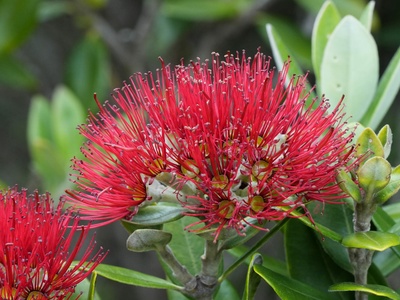
Pohutukawa
Iconic coastal tree with bright red summer flowers and gnarled branches. Grows 5–20 m and is found on rocky North Island coasts and some offshore islands. Notable as an endemic and culturally important species; widespread but local erosion threatens some stands.
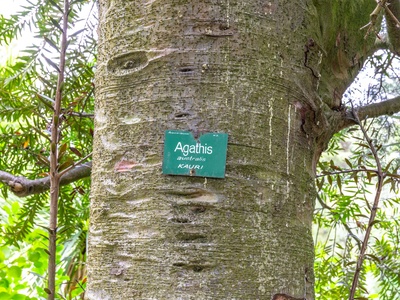
Kauri
Massive emergent conifer reaching 20–50 m, famed for smooth, buttressed trunks and kauri gum. Lives in northern forests; endangered by kauri dieback disease, making many populations protected and conservation-critical today.

Kowhai
Small to medium tree with spectacular yellow flowers that attract tūī and kererū. Reaches 3–10 m and grows in lowland forests, riverbanks and scrub across much of NZ. Some species are locally threatened by habitat loss.
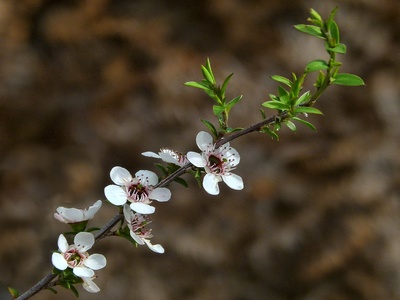
Manuka
Shrubby tree 1–4 m common in regenerating scrub and bogs nationwide, famous for white to pink flowers used for mānuka honey. Native and widespread; locally reduced in long-settled landscapes but important for regeneration.
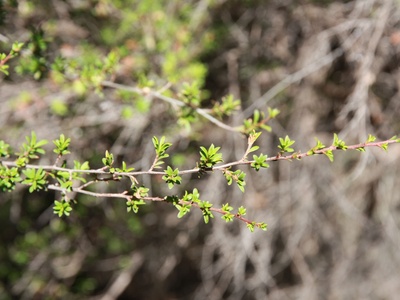
Kanuka
Upright shrub or small tree 2–12 m often forming dense stands in recovering forests. Found in lowland to montane areas across NZ. Similar to mānuka but generally taller; helps native forest regrowth and is widespread.
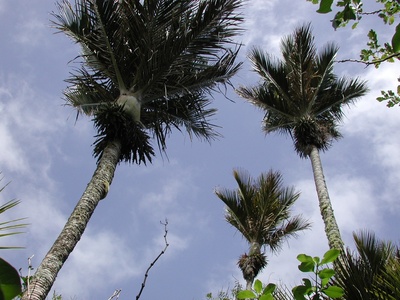
Nikau
Only native palm, with feathered fronds and a slender trunk reaching 4–12 m. Grows in coastal and lowland forests of North Island and northern South Island. Culturally important and vulnerable in some areas due to habitat clearing.
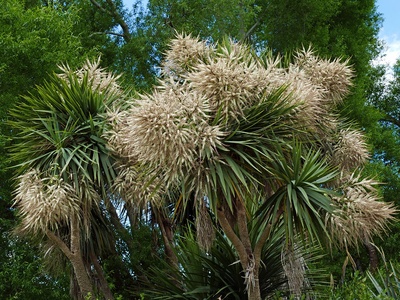
Cabbage tree
Tough, sword‑leaved tree to 3–10 m common in wetlands, coastal and open country. Recognizable by its long leaves and dense crowns; traditionally used for food and weaving. Widespread native but locally impacted by browsing.

Harakeke
Robust flax with long swordlike leaves forming dense clumps 0.5–2 m. Found on wetlands, coastal and disturbed sites nationwide. Vital to Māori culture for weaving; many wild populations are secure though some local declines occur.
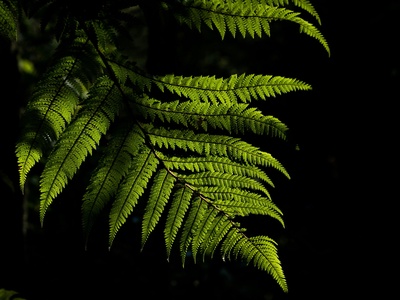
Silver fern
Tree fern with striking silver underside to fronds, forming trunks 2–8 m tall. Common in forest understories across NZ and a national symbol. Generally common, but local forest loss can reduce populations.
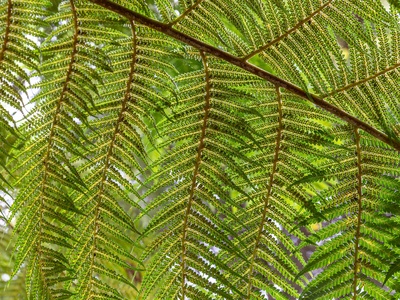
Wheki
Rough‑trunked tree fern 1–3 m common in gullies and damp forests. Fronds form dense crowns and trunks often covered in fibrous material. A widespread native usually common in suitable habitats.
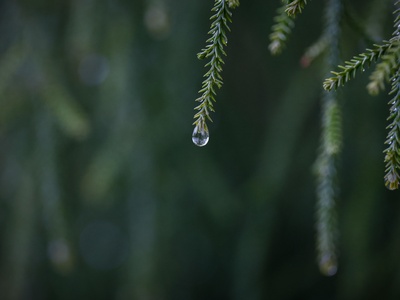
Rimu
Large evergreen conifer 15–40 m that dominated many lowland forests. Has drooping branches and distinctive orange bark. Once widespread but reduced by logging; conservation plantings and protection help recovery today.
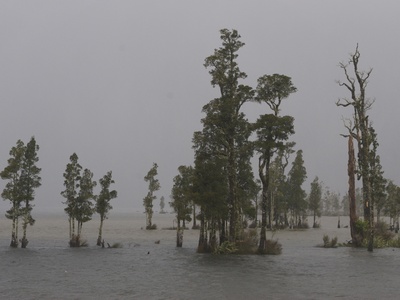
Kahikatea
Tall swamp forest conifer 20–50 m with straight trunks and small leaves. Prefers lowland wetlands and was once NZ’s tallest forest tree. Many swamp populations lost to drainage; protected remnants remain.
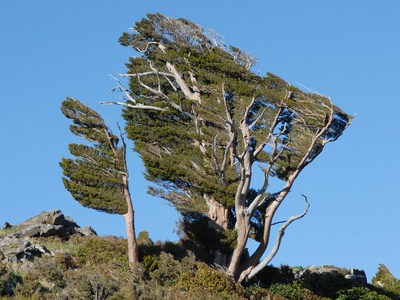
Totara
Hardy podocarp tree 10–30 m with thick, fissured bark and valuable timber. Common on hills and lowland forests; many ancient tōtara are culturally treasured. Some populations declined historically but many trees persist.

Matai
Medium to large podocarp 10–30 m with dark, hard timber and egg‑shaped fruit eaten by birds. Found in lowland forests across both islands. Historically logged but now protected in many reserves.

Miro
Evergreen podocarp 10–20 m with red, fleshy drupes favored by birds. Common in lowland forests, particularly northern areas. Important for regenerating forests; some local declines from land use change today.
Tawa
Tall broadleaf tree 15–25 m forming dense forests in the North Island. Produces small fruits eaten by native birds. Dominant in some lowland forests; locally common and an important native canopy species.
Kohekohe
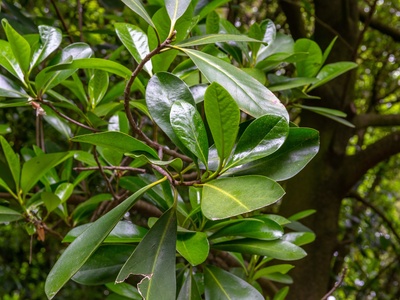
Lowland coastal tree up to 10–20 m with large glossy leaves and clusters of fragrant white flowers. Found mainly in northern forests on fertile soils. Locally uncommon where habitat has been cleared.
Karaka
Coastal tree 8–15 m bearing bright orange berries that were once a food source after careful processing. Found in northern coastal forests and scrub; protected culturally though fruits are toxic if eaten raw.
Kawakawa
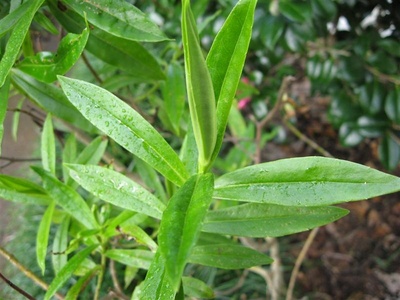
Small aromatic shrub 0.5–3 m with heart‑shaped leaves and peppery seeds. Common in forest margins and gardens across NZ; valued for traditional medicinal use. Generally common and an indigenous species.
Koromiko
Hardy shrub 0.5–3 m with spikes of purple to white flowers often lining roadsides and scrub. A widespread native (Veronica species) that colonises disturbed ground and aids habitat recovery naturally.
Northern rātā
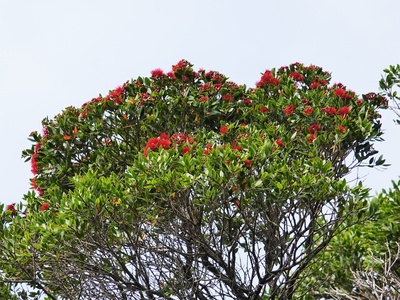
Large forest tree 10–25 m often starting as a hemiepiphyte on other trees before forming its own trunk. Produces brilliant red flowers and is an endemic species; some populations threatened by possums.
Southern rātā
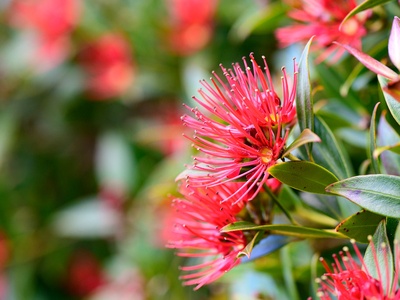
Coastal to montane tree 5–15 m with crimson flowers, common in southern and high‑altitude forests. Endemic and important for wildlife; some local declines from browsing and habitat changes and monitored.
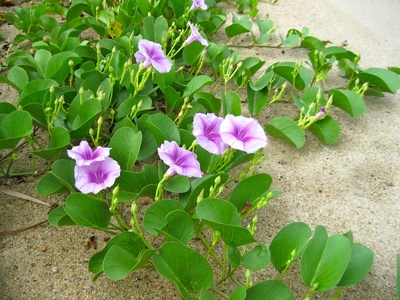
Pohuehue
Large native climber forming tangles or groundcover to 1–6 m with wiry stems and small leaves. Common on coasts and forest margins nationwide; provides habitat and food for birds and insects.
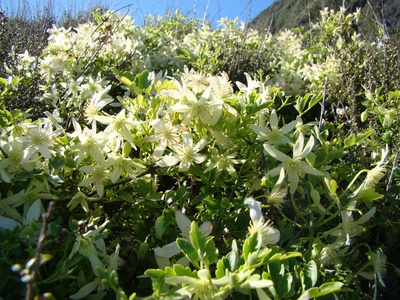
Puawānanga
Fragrant, creamy white‑flowered climber 3–10 m that flowers in spring and attracts native birds. Found in lowland forests across NZ; culturally valued and generally common though sensitive to forest loss.
Ake ake
Compact shrub 1–3 m with leathery leaves and papery seed capsules, common on coasts and rocky slopes. A hardy native used in restoration; generally common and resilient in many areas.
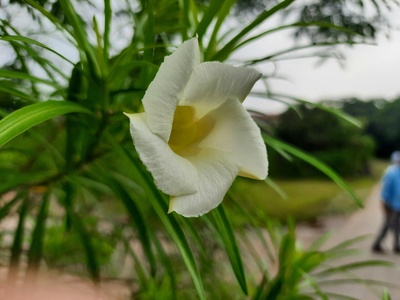
Rengarenga lily
Clump‑forming perennial 0.3–0.8 m with fragrant white flowers and fleshy tubers. Grows on coastal cliffs and forest margins, traditionally eaten after cooking; native populations are largely secure today and regionally.
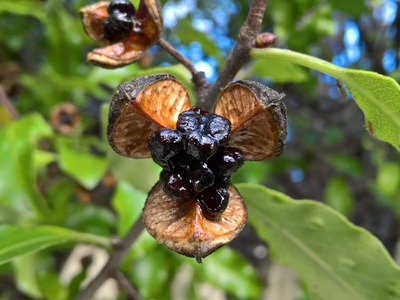
Kohuhu
Small tree 3–10 m with glossy leaves and fragrant cream flowers. Common in forests and coastal scrub; used in hedging and restoration. Native and widespread, though local changes affect distribution.
Tarata
A small tree 3–10 m with aromatic lemon‑scented leaves and loose clusters of yellow flowers. Common in lowland and coastal forests throughout NZ; widely used in restoration. Native and generally secure.
Karamu
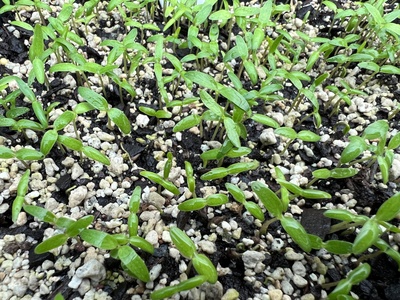
Shrubby tree 1–4 m with glossy leaves and clusters of small orange berries loved by native birds. Found in scrub and forest margins across NZ; common and useful for revegetation and wildlife habitat.
Lancewood
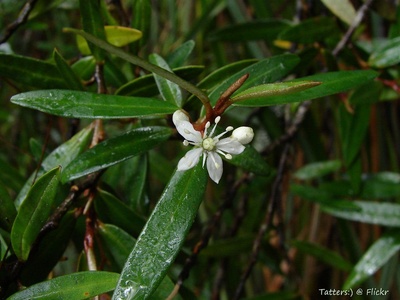
Striking tree 5–12 m notable for distinct juvenile form with long, serrated leaves. Found in lowland forests mainly on the North Island. Endemic and distinctive; useful for identification due to dramatic youthful foliage.
Hinau
Broadleaf tree 10–20 m with dark, glossy leaves and abundant blue fruit, historically used by Māori. Found in lowland forests across NZ; generally common though slow‑growing and sensitive to heavy disturbance.
Five-finger
Small tree 2–8 m with distinctive palmate leaves of 3–5 leaflets. Occurs in many forest types across NZ; quick‑growing native used in revegetation and generally common and wildlife friendly too.
Griselinia
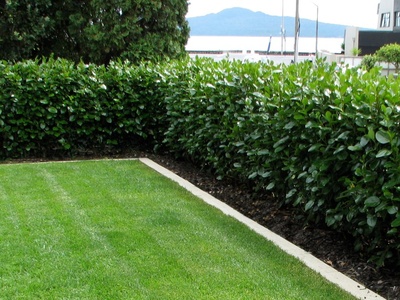
Evergreen tree 10–20 m with smooth bark and leathery bright green leaves. Common on coastlines and lowland forests around NZ; tolerant of wind and salt spray and often used in shelterbelts. Native and widespread.
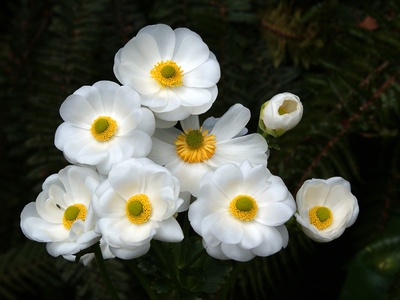
Mount Cook buttercup
Iconic giant buttercup with huge peltate leaves and white flowers up to 1 m tall in some rosettes. Endemic to alpine tarns of southern New Zealand; rare and protected in high‑country habitats.