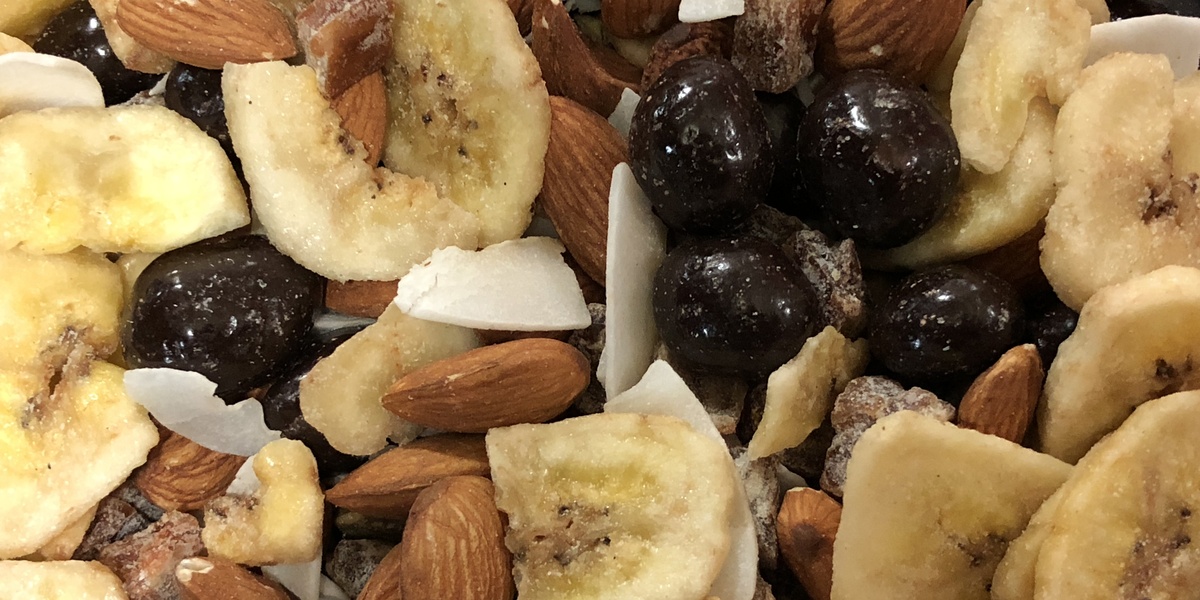
In 19th-century European markets, vendors often sold ‘nuts’ that were botanically seeds; the confusion dates back centuries and still shapes how we eat and label tree crops.
That historical muddle matters today because botanical identity affects nutrition, allergies, cooking performance, and labeling rules. A shopper choosing snacks, a cook swapping ingredients, or someone with a food allergy benefits from knowing the difference.
Although people use the words interchangeably, nuts and seeds differ in botanical origin, structure, nutrient profile, culinary uses, allergen risk, and storage — and knowing those differences helps with nutrition, cooking, and food safety.
This article walks through 7 clear differences between nuts and seeds to make practical decisions easier.
Botanical and Structural Differences
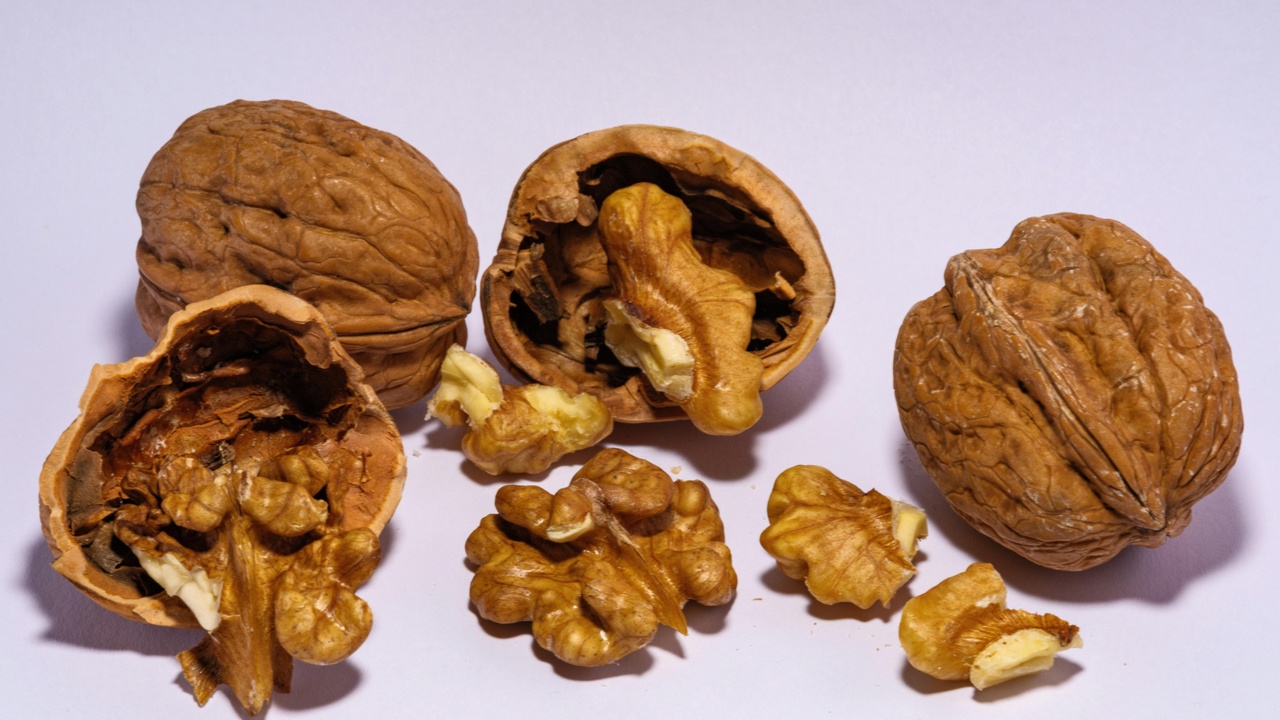
Botanists use precise terms for fruits, nuts, and seeds, but cooks and grocers use looser language. Many supermarket “nuts” are actually seeds or members of other plant families. That mismatch explains why some packaging and culinary guides can be misleading.
1. Clear botanical definitions: what counts as a nut versus a seed
A true nut is a dry, indehiscent fruit with a hard shell that doesn’t open at maturity; its single seed remains enclosed. A seed is the plant embryo plus storage tissues (endosperm) and a seed coat. Botanical references such as plant physiology texts and USDA classifications use those distinctions.
Culinary usage is looser: many edible kernels are called “nuts” for convenience. Acorn and hazelnut are true nuts; sunflower and pumpkin kernels are seeds. Almonds are the seed of a drupe, not a botanical nut, and peanuts are legumes (often called groundnuts in commerce).
2. Anatomy: shells, seed coats, endosperm and embryo
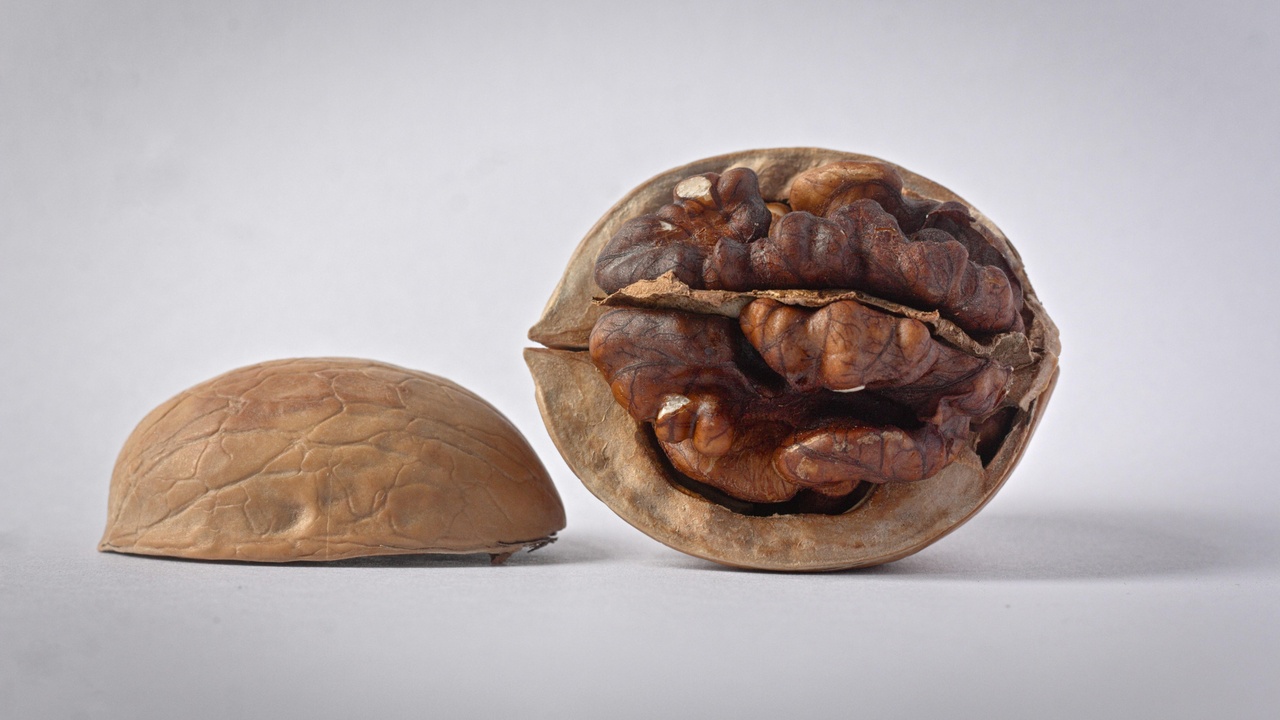
Seeds typically consist of an embryo, a storage tissue (endosperm or cotyledons), and a protective seed coat. Many edible “nuts” are actually the hardened ovary wall around a seed. The difference shows up when you crack one open.
Think walnut kernel versus sunflower seed kernel: both yield edible “meat,” but the surrounding structure differs. One ounce ≈ 28 grams; typical 1-ounce servings guide nutrition labels and comparisons.
Structure affects processing: thick shells require cracking, seed coats may be hulled, and large oil-rich seeds are commonly pressed for oils while nut meats are often chopped or ground for butters.
3. Development and plant origin: fruits, drupes, and legumes
Nuts and seeds come from different parts of the plant: true nuts develop from the ovary of a flower, drupes (stone fruits) hold a seed inside a hard pit, and legumes form in pods. That botanical origin shapes harvest methods and seasonality.
Examples: coconut is a drupe, almond is the edible seed within a stone fruit, and peanut is a subterranean legume (hence “groundnut”). Almond production is concentrated geographically — California supplies roughly 80% of the world’s almonds (USDA/industry reports).
Because origin differs, so do cultivation cycles: many tree “nuts” follow orchard seasons, while oilseeds and annual seed crops have different harvest windows and storage chains.
Nutritional and Health Differences
When comparing nuts vs seeds, both groups are nutrient-dense but tend to emphasize different nutrients. Knowing which species supplies which nutrients helps with heart health, inflammation, and dietary substitutions.
Major data sources like the USDA FoodData Central and peer-reviewed nutrition reviews support these general patterns; specifics vary by species and processing.
4. Macronutrients: fats, protein and calories
Both nuts and seeds are calorie-dense, roughly 160–200 kcal per typical 1-ounce (28 g) serving. Fat dominates calories, but the fat type differs by species.
Almonds provide about 6 g protein per ounce (USDA). Many tree nuts are high in monounsaturated fats (good for heart health), while seeds like flax and chia supply plant omega-3s (ALA). Walnuts are a notable nut source of ALA too.
Choose based on purpose: pick higher-protein nuts for satiety, or ALA-rich seeds if you want plant-based omega-3s. Use USDA or nutrition-label values when precise tracking matters.
5. Micronutrients and bioactive compounds
Nuts and seeds supply minerals, vitamins, and phytochemicals, but profiles differ by species. Some are concentrated sources of single nutrients that can matter clinically.
For example, Brazil nuts are exceptionally high in selenium — one or two nuts can meet or exceed the RDA for many adults (check USDA values before supplementing). Sunflower seeds are a good vitamin E source, and flax/chia provide lignans plus soluble fiber.
These micronutrients influence antioxidant status, thyroid support (selenium), and digestive health. Small portions of specific nuts/seeds can therefore have outsized nutritional effects.
Culinary, Allergen, Economic and Storage Differences
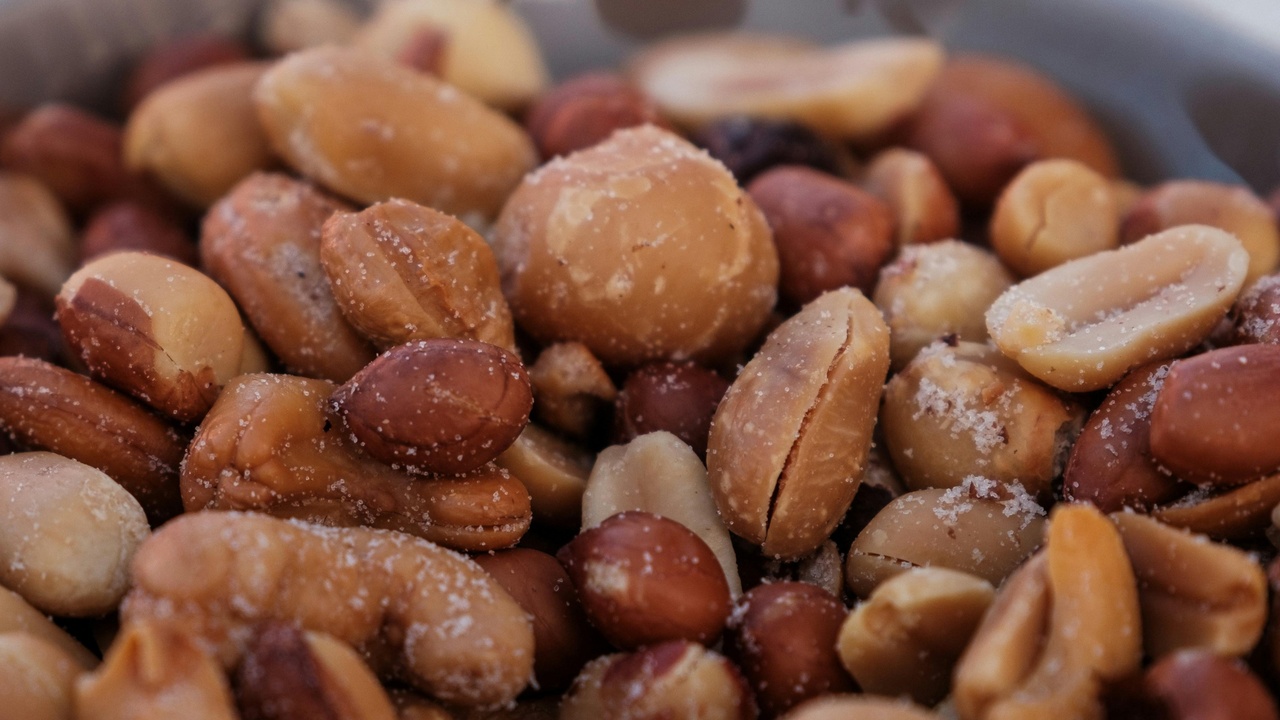
Practical choices hinge on culinary roles, allergy risk, price, and shelf life. Nuts and seeds show up as oils, flours, spreads, milks, and whole snacks, but their textures and flavors guide specific uses.
6. Culinary uses: oils, flours, butters and replacements
Both groups are versatile. Seeds are often pressed for oils (sesame, flax), while nuts are commonly eaten whole, toasted, or turned into milks and butters (almond milk, peanut butter).
Examples: tahini is sesame seed paste used in Mediterranean and Middle Eastern cooking; peanut butter remains a global staple; ground flax or chia acts as an egg replacer in many vegan baking recipes. Almond milk and other nut milks have grown commercially as dairy alternatives.
For cooking swaps, match fat and moisture: use ground seeds to thicken or bind, and nut butters to add body and richness. Start with small test batches when replacing one for the other.
7. Allergies, labeling, economics, and storage considerations
Allergen risk drives labeling and safety practices. Peanuts account for a large share of severe allergic reactions. Regulatory changes have also shifted labeling requirements: the U.S. FASTER Act added sesame to the major allergen list with enforcement effective Jan 1, 2023.
Storage matters because high oil content leads to rancidity. Keep nuts and seeds in airtight containers and refrigerate or freeze to extend shelf life by months. Toasted or ground products spoil faster; buy smaller quantities or store them cold.
On economics, tree nuts often command higher retail prices than common seed oils, and origin affects cost — tariffs and trade rules can treat tree nuts and oilseeds differently, influencing market prices in some regions.
Summary
- Botanical labels matter: many kitchen “nuts” are seeds or drupes (almond = seed; hazelnut = true nut), which affects processing and expectations.
- Nutrition trade-offs let you choose: pick seeds like flax or chia for plant ALA omega‑3s, nuts like almonds for vitamin E and texture, and Brazil nuts sparingly for selenium.
- Allergen and labeling rules have changed — sesame joined U.S. major allergen requirements effective Jan 1, 2023 — so check labels if you or guests have sensitivities.
- Storage and freshness are simple to fix: store opened nut and seed products in airtight containers and refrigerate or freeze to keep them fresh for months.