Micronesia’s scattered atolls and high islands support a surprising variety of wildlife, shaped by isolation, ocean currents and a mosaic of coral and forest habitats. Local knowledge and scientific surveys together reveal species found nowhere else and others that are increasingly rare.
There are 15 Rare Animals in Micronesia, ranging from Bumphead Parrotfish to Rota Bridled White-eye. For each species the list shows Scientific name,IUCN status,Island range — you’ll find below.
How were these animals chosen as rare?
Selections draw on criteria like restricted island ranges, small population estimates and conservation listings; IUCN assessments, published studies and local field surveys inform the entries so you can see why each species is considered rare.
Can visitors expect to see any of these species in the wild?
Some species are regularly seen on guided dives or birding trips, while others are secretive, localized or in protected zones; consult local guides, follow access rules and prioritize viewing methods that minimize disturbance.
Rare Animals in Micronesia
| Name | Scientific name | IUCN status | Island range |
|---|---|---|---|
| Mariana Crow | Corvus kubaryi | Critically Endangered | Rota (Northern Mariana Islands) |
| Guam Rail | Hypotaenidia owstoni | Critically Endangered | Rota and Cocos Island (reintroduced); historically Guam |
| Rota Bridled White-eye | Zosterops rotensis | Critically Endangered | Rota (Northern Mariana Islands) |
| Mariana Fruit Bat (Mariana flying fox) | Pteropus mariannus | Endangered | Mariana Islands (Guam, Rota, Saipan, Tinian) |
| Palau Flying Fox | Pteropus pelewensis | Vulnerable | Palau (Babeldaob, Rock Islands) and nearby islets |
| Hawksbill Turtle | Eretmochelys imbricata | Critically Endangered | Palau, Federated States of Micronesia, Marshall Islands (reef and nesting sites) |
| Green Sea Turtle | Chelonia mydas | Endangered | Widespread across Micronesian islands with nesting (Palau, FSM, Marshall Islands) |
| Giant Clam | Tridacna gigas | Vulnerable | Palau, Yap, Federated States of Micronesia reefs |
| Palau Ground Dove | Gallicolumba canifrons | Vulnerable | Palau (Babeldaob and Rock Islands) |
| Micronesian Megapode (scrubfowl) | Megapodius laperouse | Vulnerable | Palau, Yap and some nearby western Caroline islands |
| Dugong | Dugong dugon | Vulnerable | Seagrass beds in parts of Palau and Yap (coastal Micronesia) |
| Bumphead Parrotfish | Bolbometopon muricatum | Vulnerable | Palau, Yap, Federated States of Micronesia reefs |
| Napoleon (Humphead) Wrasse | Cheilinus undulatus | Endangered | Palau and other Micronesian reefs |
| Reef Manta | Mobula alfredi | Vulnerable | Palau, Yap and other Micronesian waters |
| Giant Clam (Tridacna derasa) | Tridacna derasa | Vulnerable | Palau, Yap and some Federated States of Micronesia reefs |
Images and Descriptions
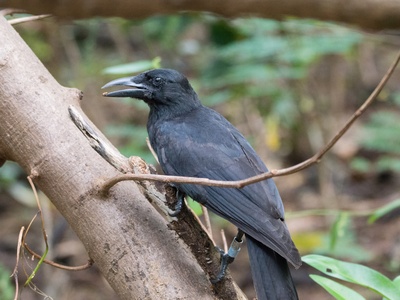
Mariana Crow
A tiny surviving population now confined to Rota; very rare, threatened by habitat loss, storms and past persecution. Conservation focuses on captive breeding, habitat protection and predator control to prevent extinction.
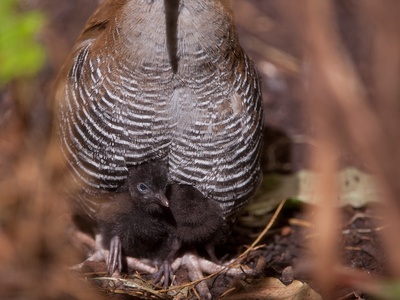
Guam Rail
Once extirpated from Guam by the invasive brown tree snake, small reintroduced populations survive on Rota and Cocos. Very rare; recovery relies on captive-breeding, predator control and island biosecurity.
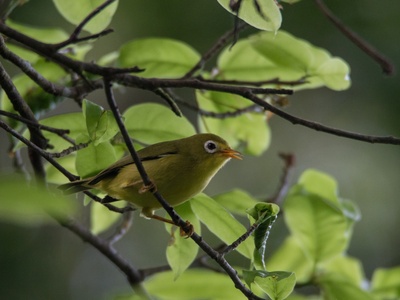
Rota Bridled White-eye
A tiny, range-restricted songbird found only on Rota. Extremely vulnerable to habitat loss, storms and invasive predators; conservation focuses on habitat protection, biosecurity and population monitoring.
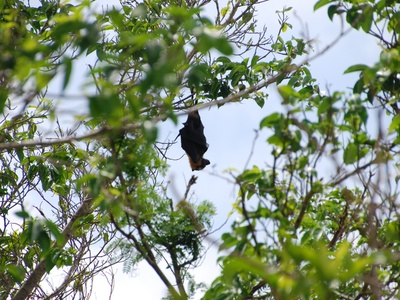
Mariana Fruit Bat (Mariana flying fox)
A large fruit bat important for pollination and seed dispersal; numbers declined from hunting, storms and habitat loss. Conservation includes hunting regulations, roost protection and community outreach.
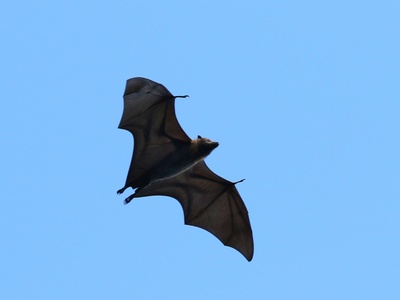
Palau Flying Fox
An endemic fruit bat of Palau with declining numbers from hunting and roost disturbance. Notable for its wingspan and ecosystem role; protected locally with education and occasional enforcement.
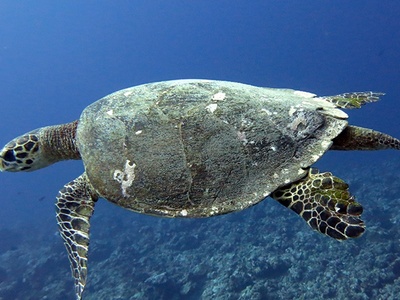
Hawksbill Turtle
A strikingly patterned sea turtle that still nests in Micronesia but in small numbers. Critically endangered from illegal trade, egg-taking and reef degradation; described conservation actions include nest protection and fisheries regulation.
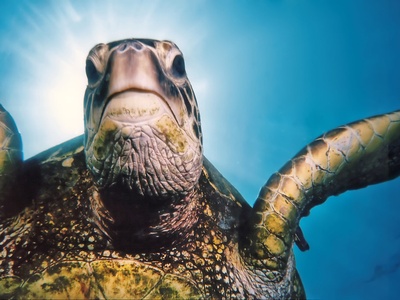
Green Sea Turtle
A coastal-nesting turtle that remains culturally important but faces harvest, bycatch and habitat loss. Conservation emphasizes protected nesting beaches, community stewardship and bycatch reduction.
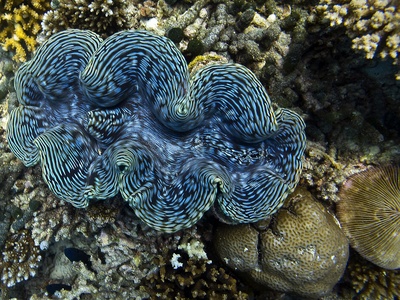
Giant Clam
The largest clam species inhabiting Micronesian reefs; prized and depleted by overharvest and habitat damage. Conservation includes protected clams in marine reserves, restocking and fisheries rules.
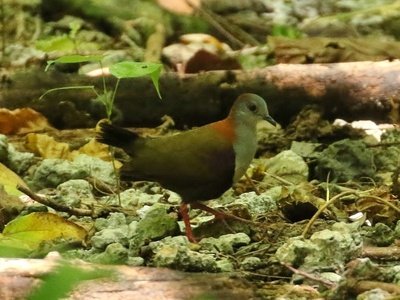
Palau Ground Dove
A shy, ground-dwelling pigeon endemic to Palau with limited range and small population; threatened by habitat change and introduced predators. Conservation actions include habitat protection and predator control.
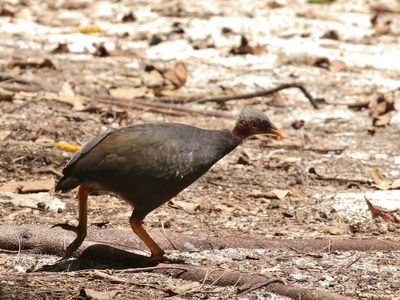
Micronesian Megapode (scrubfowl)
A ground-nesting bird that uses geothermal or sand-nesting mounds; numbers reduced by hunting and egg collection. Conservation focuses on community-based protection of nesting grounds and limiting disturbance.
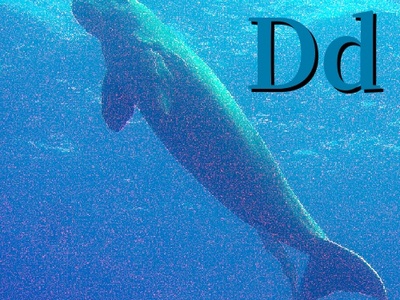
Dugong
A rare marine mammal that depends on seagrass habitats; locally uncommon and sensitive to coastal development, hunting and boat strikes. Conservation emphasizes seagrass protection, no-take zones and awareness.
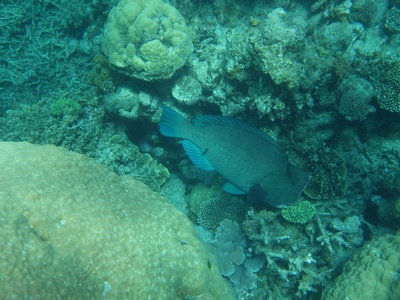
Bumphead Parrotfish
A large, reef-structuring fish that forms small, slow-recovering populations; threatened by overfishing and habitat loss. Conservation includes fishing restrictions, marine protected areas and population monitoring.
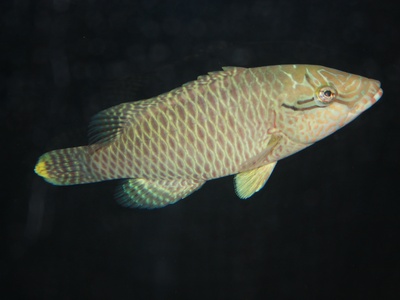
Napoleon (Humphead) Wrasse
A distinctive large reef fish sought by the live-fish trade and subject to slow recovery. Local protection, fishing limits and reef conservation are key to safeguarding remaining populations.
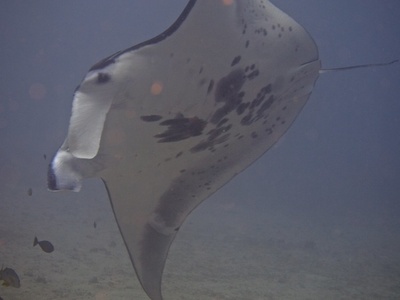
Reef Manta
A gentle, site-attached ray that forms small aggregation sites; vulnerable to bycatch and tourism disturbance. Conservation actions include protected aggregation sites, bycatch mitigation and visitor guidelines.
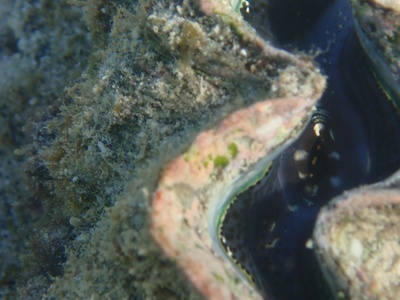
Giant Clam (Tridacna derasa)
A large, deep-water clam species with restricted local populations; impacted by over-collection and reef decline. Conservation focuses on marine reserves, monitoring and restocking programs.