Serbia’s mix of mountains, rivers and lowland wetlands supports a surprising variety of wildlife, including species that are uncommon or locally vulnerable. From alpine slopes to river gorges, these habitats shelter animals that are rarely seen outside protected areas or specific hotspots.
There are 20 Rare Animals in Serbia, ranging from the Balkan chamois to the White-tailed eagle. For each species I list the Scientific name,Status (Serbia / IUCN),Main habitat & hotspots, and you’ll find those details below.
How up-to-date are the conservation statuses cited here?
The list uses the latest widely accepted sources where possible—national red lists and the IUCN Red List—but statuses can change; check the IUCN website or Serbia’s environmental agencies for the newest assessments before making decisions based on conservation status.
Where are the best places in Serbia to try spotting these species?
Look to protected areas and known hotspots: mountain ranges (Kopaonik, Tara), river gorges (Đerdap), and wetland reserves (Gornje Podunavlje) for birds and large mammals; local guides and park authorities can advise on seasonality, access rules and responsible viewing.
Rare Animals in Serbia
| Name | Scientific name | Status (Serbia / IUCN) | Main habitat & hotspots |
|---|---|---|---|
| Danube salmon | Hucho hucho | Serbia: Endangered / IUCN: EN | Cold, fast mountain rivers; Drina, Tara, Lim |
| European eel | Anguilla anguilla | Serbia: Critically endangered (Red List) / IUCN: CR | Rivers and floodplain waters; Danube basin |
| Sterlet | Acipenser ruthenus | Serbia: Vulnerable / IUCN: VU | Danube mainstem and backwaters |
| European mudminnow | Umbra krameri | Serbia: Endangered / IUCN: VU | Shallow ponds, oxbows, lowland tributaries; Vojvodina wetlands |
| Dalmatian pelican | Pelecanus crispus | Serbia: Vulnerable / IUCN: VU | Large wetlands and flooded meadows; Gornje Podunavlje, Obedska Bara |
| White-tailed eagle | Haliaeetus albicilla | Serbia: Protected / IUCN: LC | Rivers, reservoirs, Danube corridor; Gornje Podunavlje |
| Eastern imperial eagle | Aquila heliaca | Serbia: Endangered / IUCN: VU | Open farmland and floodplain mosaics; Srem, Banat, Fruška Gora |
| Great bustard | Otis tarda | Serbia: Endangered / IUCN: VU | Grassland steppes and agricultural plains; Vojvodina |
| Black stork | Ciconia nigra | Serbia: Protected / IUCN: LC | Mature forests with rivers; Tara, Zlatibor, Fruška Gora |
| Pygmy cormorant | Microcarbo pygmaeus | Serbia: Protected / IUCN: LC | Marshes and backwaters; Begečka Jama, Gornje Podunavlje |
| European otter | Lutra lutra | Serbia: Protected / IUCN: NT | Clean rivers, streams, wetlands; Tara, Drina, Danube tributaries |
| Balkan chamois | Rupicapra rupicapra balcanica | Serbia: Protected / IUCN: NT | Rocky alpine habitats; Stara Planina, Tara, Kopaonik |
| Marble trout | Salmo marmoratus | Serbia: Endangered / IUCN: VU | Clear mountain rivers and tributaries; Tara, Lim |
| Hermann’s tortoise | Testudo hermanni | Serbia: Vulnerable / IUCN: VU | Dry scrub and oak forests; northern Serbia and hills |
| European pond turtle | Emys orbicularis | Serbia: Vulnerable / IUCN: NT | Slow waters, oxbows, ponds; Vojvodina wetlands, Deliblato Sands |
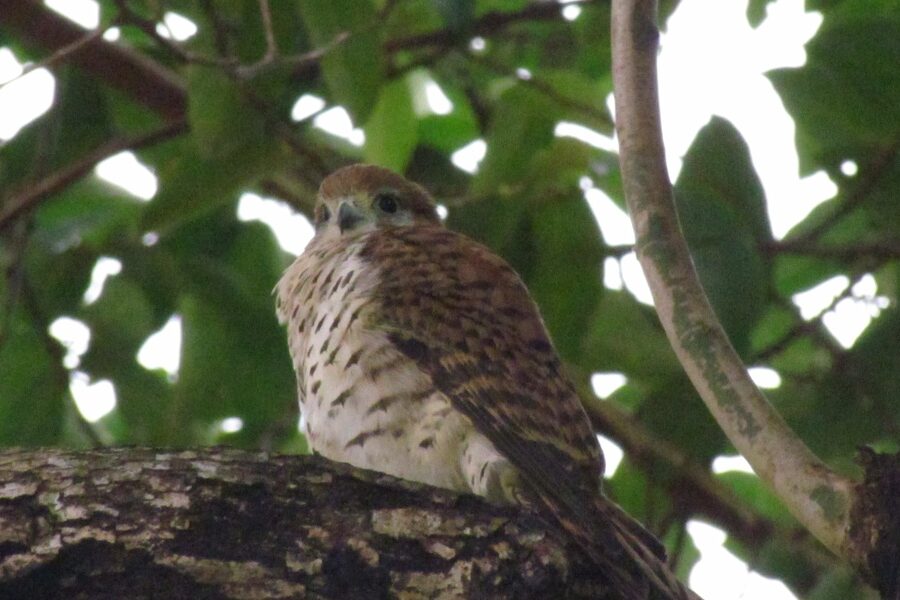
| Lesser kestrel | Falco naumanni | Serbia: Endangered / IUCN: LC | Open farmland and town steeples; Vojvodina and southern plains |
| Saker falcon | Falco cherrug | Serbia: Critically endangered / IUCN: EN | Open steppe and low hills; Vojvodina and southern Serbia |
| Bechstein’s bat | Myotis bechsteinii | Serbia: Vulnerable / IUCN: LC | Old-growth forests; Fruška Gora, Stara Planina |
| Great crested newt | Triturus cristatus | Serbia: Protected / IUCN: LC | Woodland ponds and floodplain pools; Fruška Gora, Šumadija |
| European roller | Coracias garrulus | Serbia: Vulnerable / IUCN: LC | Open woodlands, orchards; Vojvodina and southern Serbia |
Images and Descriptions
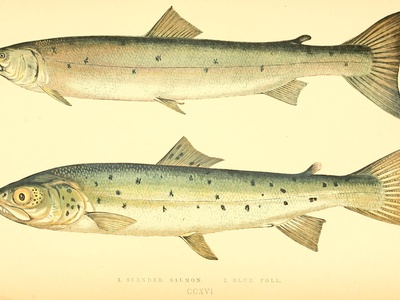
Danube salmon
Large salmonid of the Danube basin prized by anglers. Rare due to overfishing, habitat loss and dams. In Serbia it survives in remnant populations in the upper Drina–Tara systems; conservation measures and fishing restrictions aim to protect it.
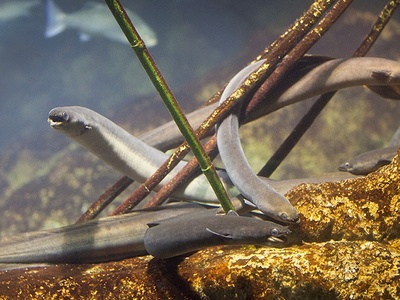
European eel
Catadromous fish that migrates to the Sargasso Sea. Populations collapsed from barriers, pollution and overfishing. In Serbia eels persist in rivers and backwaters; recovery focuses on restoring migration routes and monitoring young recruits.

Sterlet
Small sturgeon of the Danube, once common but now scarce from poaching and damming. Sterlet survives in scattered stretches of the Danube and its backwaters; strict protection and monitoring are used to help recovery of remaining stocks.
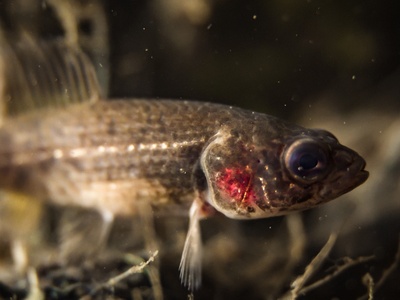
European mudminnow
Small, secretive fish endemic to the Danube basin. Limited, fragmented populations in Serbian lowland wetlands make it vulnerable to drainage and pollution. It’s a conservation flagship for floodplain habitat protection.
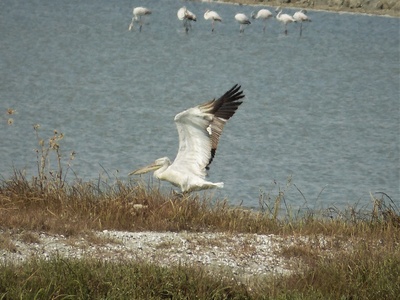
Dalmatian pelican
Huge white pelican with a spectacular bill pouch. Rare visitor and occasional breeder in Serbia’s river wetlands; declines from habitat loss and disturbance mean protected wetlands are vital wintering and staging areas.
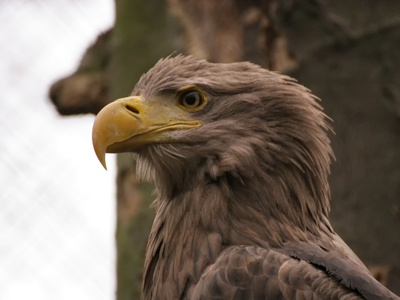
White-tailed eagle
Impressive fish-eating raptor returning to parts of the Danube. Still uncommon in Serbia; best seen near large waters where it hunts and nests on tall trees or cliffs along the river corridor.
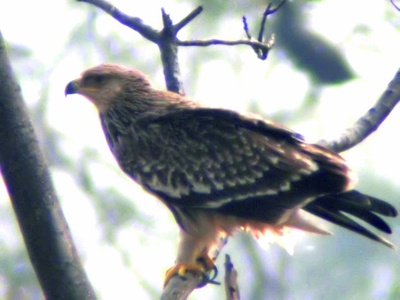
Eastern imperial eagle
Large, majestic eagle that nests in isolated trees over steppe-like farmland and wetlands. Threatened by habitat loss and persecution; Serbia hosts a small, important breeding population needing quiet, undisturbed landscapes.
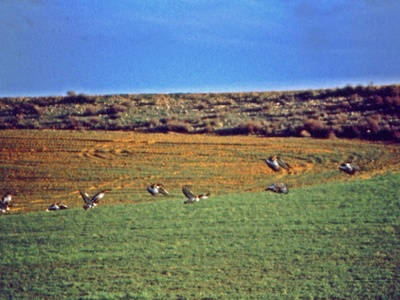
Great bustard
One of Europe’s heaviest flying birds, the great bustard is a striking steppe specialist. Agricultural change and disturbance have pushed it to the edge in Serbia — very rare, protected and monitored in Vojvodina.
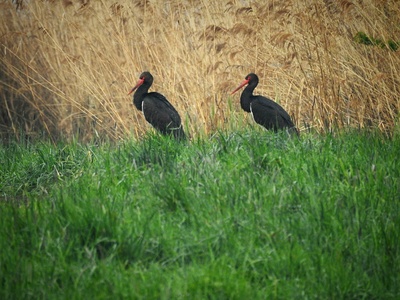
Black stork
More secretive than the white stork, black storks nest in old woodlands and forage on riverbanks. Scattered and uncommon in Serbia, they draw birdwatchers to remote forested valleys and protected reserves.
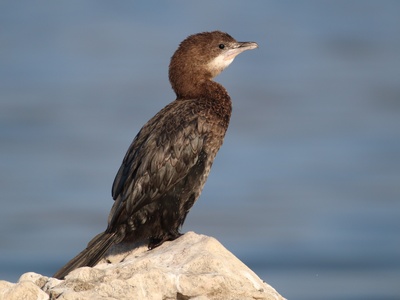
Pygmy cormorant
Small, colonial cormorant of Danube wetlands. Populations declined from drainage and pollution; Serbia’s preserved marshes still host breeding colonies, making them a conservation priority and a charming sight for visitors.
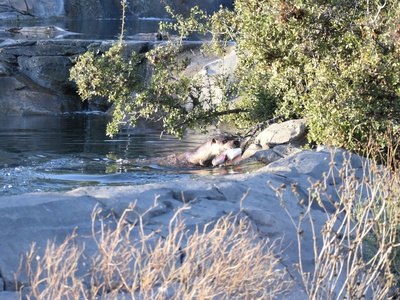
European otter
Playful semi-aquatic mammal signaling healthy waters. Once depleted by pollution and trapping, otter numbers remain low in Serbia, returning only in cleaner river sections thanks to legal protection and habitat recovery.
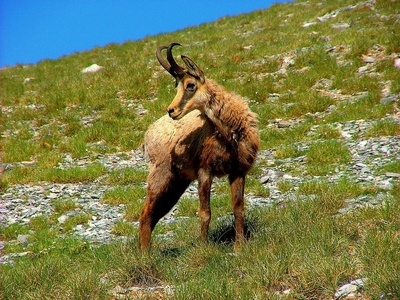
Balkan chamois
Agile mountain goat-antelope adapted to cliffs and crags. Balkan chamois survives in fragmented mountain refuges in Serbia; hunting pressure and small populations make local conservation important for this charismatic mountain species.
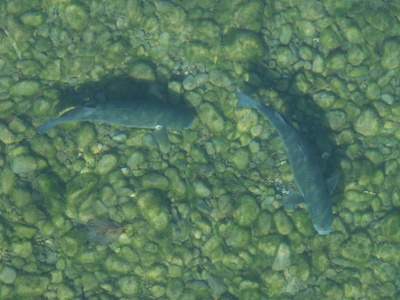
Marble trout
Beautifully marbled trout native to Adriatic-tributary rivers. Hybridization, habitat fragmentation and overfishing have reduced pure populations; conservation focuses on protecting clean headwaters and isolated trout refuges.
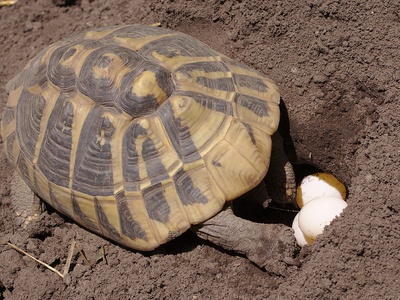
Hermann’s tortoise
Small Mediterranean tortoise found on warm, dry slopes and open woodlands. Threatened locally by habitat loss and collection; sightings are scarce and most populations are legally protected and monitored.
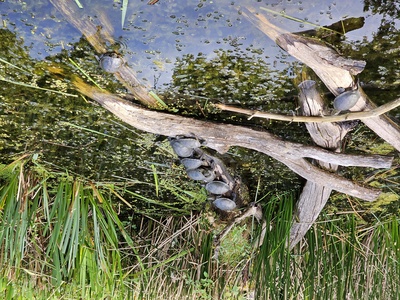
European pond turtle
Freshwater turtle of ponds and slow rivers. Habitat destruction and road mortality make populations patchy in Serbia; protected wetlands and nature reserves offer the best chance to spot this shy reptile.

Lesser kestrel
Small, gregarious falcon that nests in buildings and steeples. Serbia hosts tiny breeding colonies; agricultural change and reduced insect prey have made local populations vulnerable and a conservation focus.
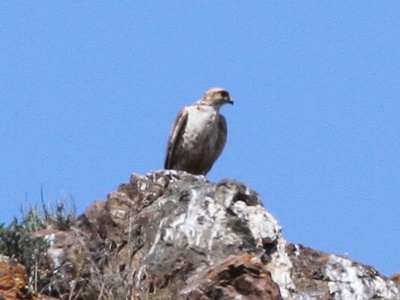
Saker falcon
Powerful falcon of open landscapes, once more widespread. Persecution, habitat loss and trapping have left very few pairs in Serbia; conservation includes nest protection and monitoring of remaining territories.
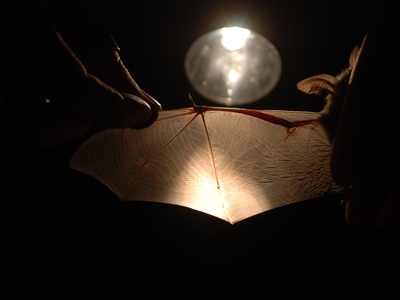
Bechstein’s bat
Forest-dependent bat that roosts in tree cavities. Rare in Serbia due to loss of mature woodlands, it indicates healthy forests; best detected at dusk near old trees and protected forest interiors.
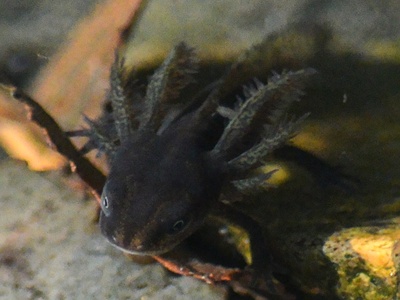
Great crested newt
Large, striking newt of garden ponds and floodplain pools with bright breeding-season colors. Fragmented wetlands make it rare locally; legal protection aims to preserve breeding ponds and surrounding terrestrial habitat.
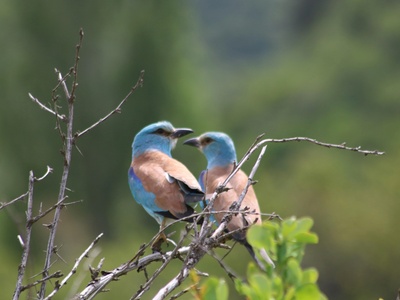
European roller
Bright blue summer visitor that breeds in scattered tree cavities. Declines due to habitat loss and decreasing prey make it a sought-after and locally rare breeding bird in Serbia.