Uruguay’s mix of coastal marshes, grasslands and riverine woodlands supports wildlife that can be easy to miss. Habitat changes and limited ranges mean several species occur only in small pockets across the country.
There are 16 Rare Animals in Uruguay, ranging from Black-and-white monjita to Yellow cardinal. For each entry the data are organized as Scientific name,Status,Where found — details you’ll find below.
How is “rare” defined for these species?
“Rare” here refers to species with small or fragmented populations, restricted ranges within Uruguay, or declining trends noted by conservation assessments; listings combine international statuses (when available) with local observations and expert records to give a practical sense of rarity.
Can I see any of these animals in the wild and where should I look?
Some are viewable in specific habitats — wetlands, coastal dune systems, riparian forests and isolated grassland patches — often within protected reserves or seasonally suitable spots; check recent local guides, join a guided visit, and follow ethical viewing practices to maximize chances without disturbing populations.
Rare Animals in Uruguay
| Common name | Scientific name | Status | Where found |
|---|---|---|---|
| Pampas deer | Ozotoceros bezoarticus | IUCN: Near Threatened; National: Rare | Grasslands of north/central Uruguay; wetlands (Cerro Largo, Tacuarembó) |
| Marsh deer | Blastocerus dichotomus | IUCN: Vulnerable; National: Endangered/Very small populations | Flooded grasslands and marshes (Treinta y Tres, Cerro Largo) |
| Maned wolf | Chrysocyon brachyurus | IUCN: Near Threatened; National: Very small population | Northern grasslands and scrub (Artigas, Rivera) |
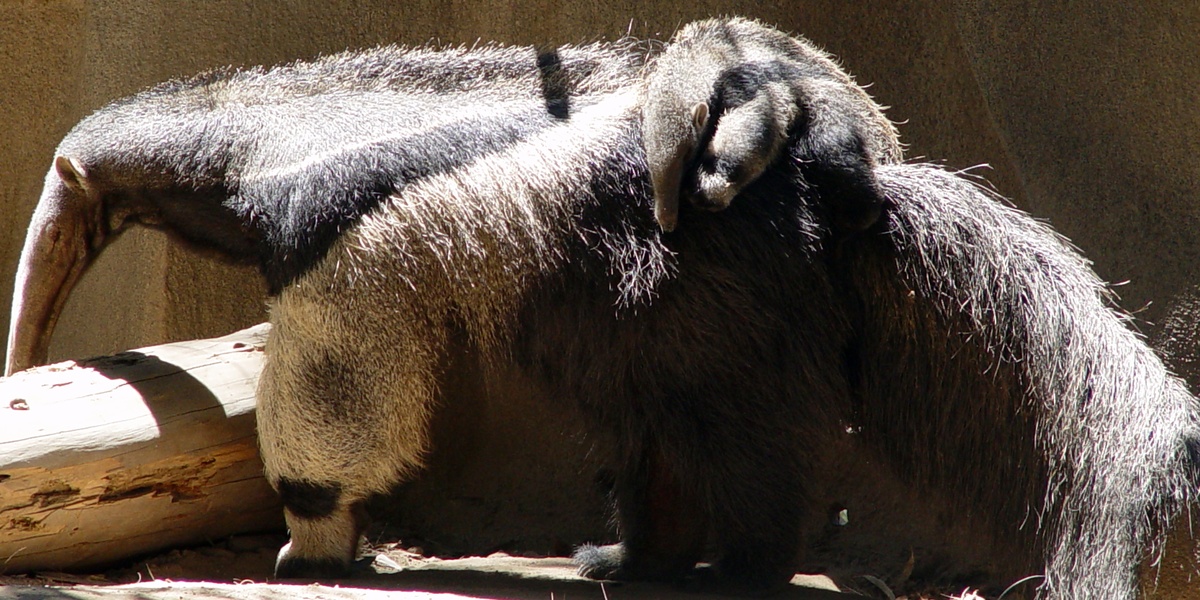
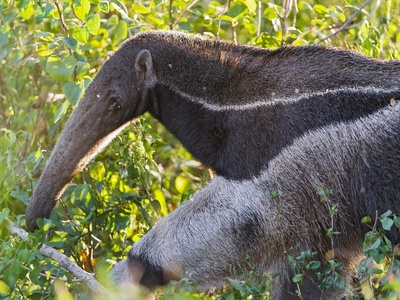
| Giant anteater | Myrmecophaga tridactyla | IUCN: Vulnerable; National: Rare | Northern and central grasslands, gallery forests |
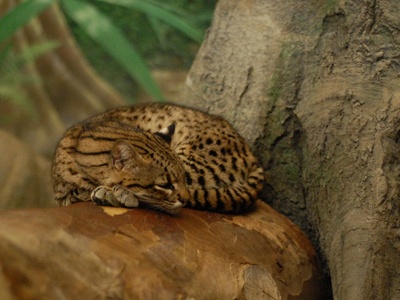
| Geoffroy’s cat | Leopardus geoffroyi | IUCN: Near Threatened; National: Small/Declining | Grasslands and shrublands (Rocha, Colonia, Soriano) |
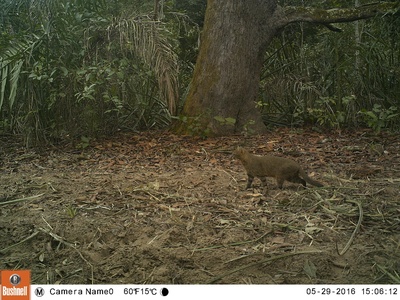
| Pampas cat | Leopardus colocola | IUCN: Near Threatened; National: Rare | Open grasslands and wetlands (eastern and northern departments) |
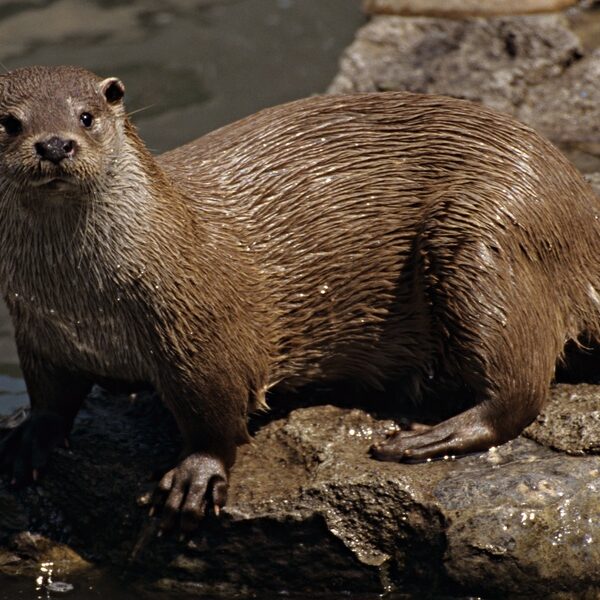
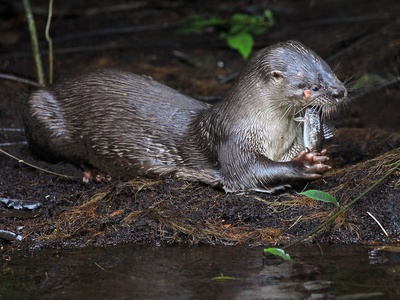
| Neotropical otter | Lontra longicaudis | IUCN: Near Threatened; National: Small populations | Rivers, streams and lagoon shores countrywide (freshwater systems) |
| Franciscana (La Plata dolphin) | Pontoporia blainvillei | IUCN: Vulnerable; National: Endangered/Threatened | Coastal waters and estuaries (Maldonado, Rocha, Río de la Plata) |
| Greater rhea | Rhea americana | IUCN: Near Threatened; National: Small/Declining | Native grasslands and ranchlands (north/central departments) |
| Black-and-white monjita | Heteroxolmis dominicana | IUCN: Endangered; National: Very small population | Pampas grasslands and pastures (eastern departments) |
| Yellow cardinal | Gubernatrix cristata | IUCN: Endangered; National: Very small population | Scrubby grasslands and gallery forest edges (northeast Uruguay) |
| Saffron-cowled blackbird | Xanthopsar flavus | IUCN: Critically Endangered; National: Very small population | Wet grasslands and marsh edges (eastern pampas) |
| Loggerhead sea turtle | Caretta caretta | IUCN: Vulnerable; National: Rare nesting | Beaches and coastal waters (Rocha coast beaches) |
| Green sea turtle | Chelonia mydas | IUCN: Endangered; National: Rare visitor/nester | Coastal waters and occasional nesting beaches (Rocha) |
| Leatherback sea turtle | Dermochelys coriacea | IUCN: Critically Endangered; National: Very rare visitor | Offshore and coastal waters (occasional records along coast) |
| Southern giant petrel | Macronectes giganteus | IUCN: Least Concern; National: Small seasonal visitor | Offshore waters; seabird sightings from coastal pelagic trips |
Images and Descriptions
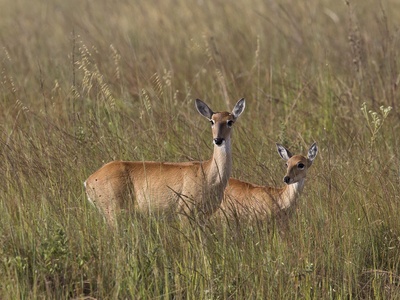
Pampas deer
A graceful, low-density deer of open pampas. Populations in Uruguay are small from habitat conversion and hunting; best seen in remote grasslands and private reserves where conservation grazing and protection help tiny remnant groups survive.
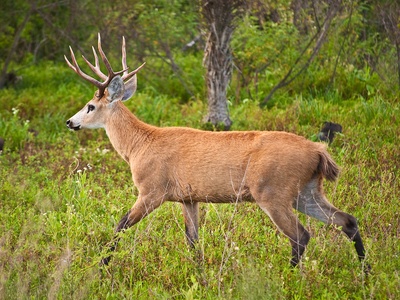
Marsh deer
The largest South American deer, marsh deer rely on seasonal wetlands. Uruguay hosts a few fragmented populations threatened by drainage, cattle expansion and wetland loss; sightings are rare, mostly in protected wetland complexes and conservation monitoring projects.
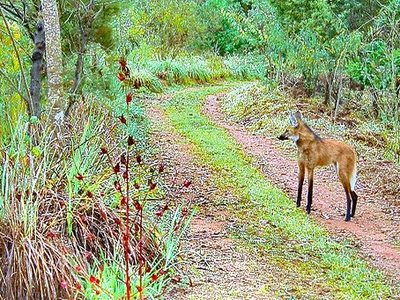
Maned wolf
Tall, long-legged canid with a distinctive mane. Extremely scarce in Uruguay due to habitat fragmentation and roadkill; occasional individuals are recorded in remote northern pampas — best chance is with guided surveys in protected private ranches.
Giant anteater
A large insect‑eating mammal rarely seen; anteaters in Uruguay have tiny, scattered populations threatened by fires, road collisions and habitat loss. Night or dawn surveys and reports from rural communities yield most records.
Geoffroy’s cat
A small wild cat native to open pampas and marsh edges. Populations are limited by habitat loss and persecution; encounters are rare but possible in private reserves and less-disturbed pasturelands with good cover.
Pampas cat
A cryptic small felid of native grasslands. Uruguay’s populations are sparse due to agricultural conversion and rodenticide use; best chances are dusk/dawn in protected grassland fragments and low‑intensity ranches.
Neotropical otter
A secretive river otter vulnerable to pollution and habitat degradation. Sightings are uncommon; look along quiet river reaches and well-protected wetlands where water quality is higher and fishing pressure lower.
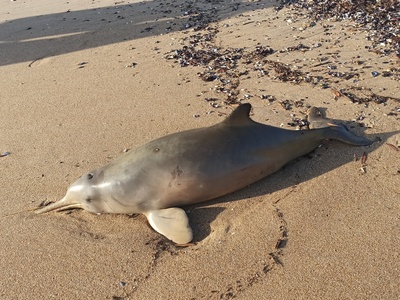
Franciscana (La Plata dolphin)
A small, coastal dolphin threatened by gillnet bycatch and coastal development. Uruguay is an important part of its range; boat trips in estuaries and sandy bays sometimes encounter these shy dolphins, but populations are small and declining.
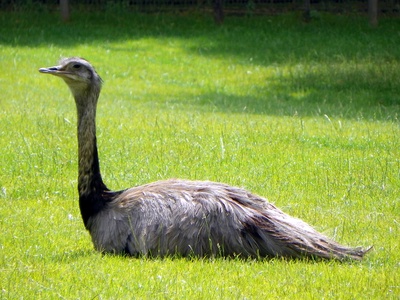
Greater rhea
A large, flightless bird of the pampas historically widespread; now in low numbers from hunting and habitat loss. Best seen in protected pampas reserves and low-intensity ranches where relict flocks persist.
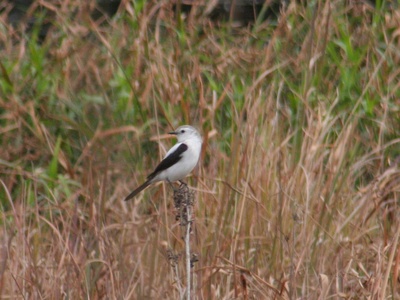
Black-and-white monjita
A striking, endangered passerine confined to native grasslands. Uruguay holds remnant patches threatened by agriculture and fire; birdwatchers may find isolated pairs in well-preserved pasture and reserve edges during breeding season.

Yellow cardinal
A bright yellow songbird drastically reduced by trapping and habitat loss. Extremely scarce in Uruguay; conservation work focuses on habitat protection and anti‑trafficking, with occasional sightings in isolated, protected scrub patches.
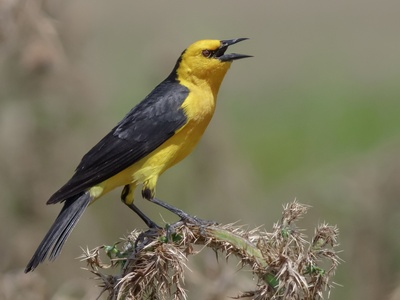
Saffron-cowled blackbird
A vividly colored blackbird that has lost most habitat to agriculture. Uruguayan records are few; it’s one of the country’s rarest birds, seen only in small, protected wetland remnants and private conservation areas.
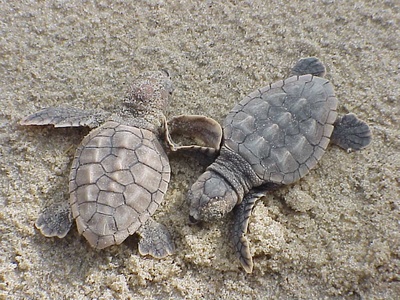
Loggerhead sea turtle
A large marine turtle that nests sparsely on Uruguay’s beaches. Threatened by fisheries, light pollution and coastal disturbance; volunteers monitor nesting stretches in Rocha where occasional nests and hatchings draw conservation attention.
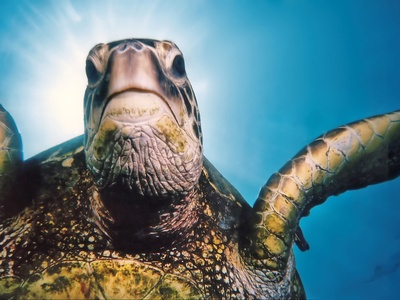
Green sea turtle
Herbivorous sea turtle with occasional nesting in Uruguay. Small numbers visit and nest; conservation groups patrol beaches during summer to protect rare nesting events from disturbance and predation.
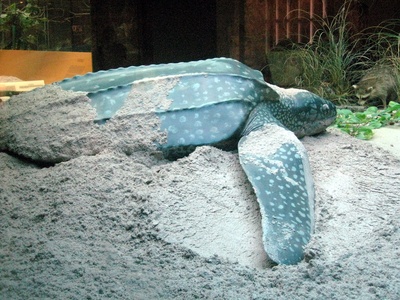
Leatherback sea turtle
The world’s largest turtle is a rare visitor to Uruguayan waters. Critically endangered globally, leatherbacks are sporadically recorded offshore; sightings are exceptional and often reported by fisheries or sea-watchers.
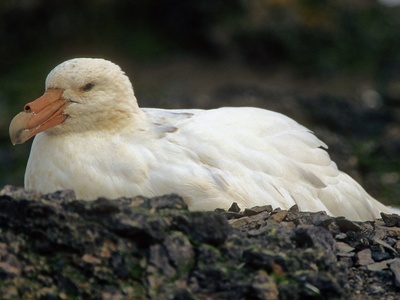
Southern giant petrel
A large procellariiform seen seasonally offshore. Not globally threatened but locally uncommon in Uruguay’s waters; observed on pelagic boat trips and important for marine biodiversity monitoring.