Spain’s varied landscapes—from the wet Atlantic north to the dry Mediterranean south and island microclimates—support a wide range of plant life. Whether you’re exploring wild places or planning a garden, understanding which species belong helps with planting choices and conservation efforts.
There are 30 Spain’s native plants, ranging from Aeonium to Wild peony. For each entry you’ll find below the data organized as Scientific name,Native range (Spain regions),Habitat notes so you can quickly see where each species occurs and the conditions it prefers; you’ll find below.
How do I pick native plants suited to my part of Spain?
Look at the native range and habitat notes first: match species to your region’s rainfall, soil and sun exposure. Use the Scientific name to avoid confusion, then prioritize plants listed for your region and habitat type (coast, mountain, inland) to improve establishment and reduce maintenance.
Will choosing native Spanish plants help local wildlife and save water?
Yes—most native species co-evolved with local pollinators and require less supplemental watering once established, though traits vary: succulents like Aeonium tolerate drought, while Wild peony prefers richer, moister sites. Check habitat notes to balance wildlife value and water needs.
Spain’s Native Plants
| Name | Scientific name | Native range (Spain regions) | Habitat notes |
|---|---|---|---|
| Holm oak | Quercus ilex L. | widespread mainland, Balearics | Mediterranean woodlands, rocky slopes |
| Cork oak | Quercus suber L. | southern & western mainland (Andalusia, Extremadura) | dehesa agroecosystems, mixed woodlands |
| Stone pine | Pinus pinea L. | central & southern coastal mainland | coastal dunes, sandy soils, parkland |
| Aleppo pine | Pinus halepensis Mill. | eastern & southern coasts, islands | dry slopes, coastal scrub, burnt areas |
| Spanish fir | Abies pinsapo Boiss. | southern Andalusia (Sierra de Grazalema, Málaga) | high-elevation limestone ravines, shaded slopes |
| Spanish broom | Spartium junceum L. | Mediterranean coasts, Balearics | coastal scrub, lowland garrigue, roadsides |
| Rosemary | Salvia rosmarinus Spenn. | widespread Mediterranean Spain | maquis, rocky outcrops, hedgerows |
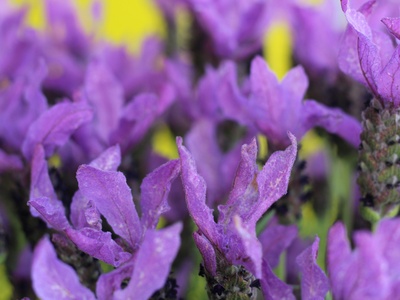
| Spanish lavender | Lavandula stoechas L. | Mediterranean coasts, Balearics | dry rocky soils, coastal cliffs, maquis |
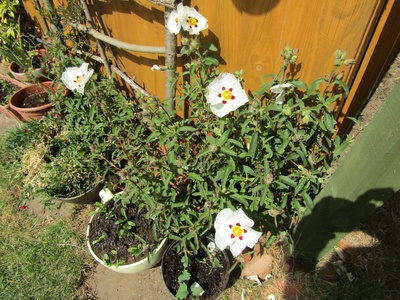
| Gum rockrose | Cistus ladanifer L. | western & central mainland | post-fire shrublands, open scrub |
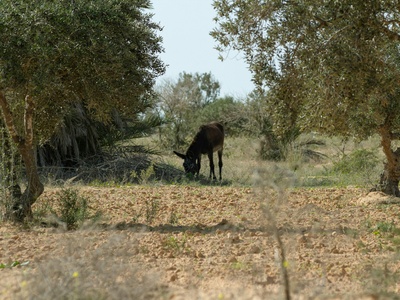
| Wild olive | Olea europaea L. | Mediterranean mainland, Balearics | maquis, rocky slopes, garrigue |
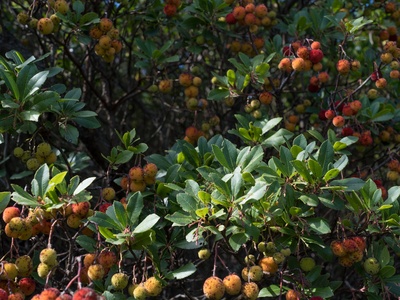
| Strawberry tree | Arbutus unedo L. | Atlantic & Mediterranean coasts, Balearics | heath, woodland edges, rocky slopes |
| Tree heath | Erica arborea L. | Atlantic and Mediterranean hills | heathlands, acidic soils, ridges |
| Prickly juniper | Juniperus oxycedrus L. | Mediterranean mainland | dry rocky slopes, maquis, scrub |
| Pyrenean oak | Quercus pyrenaica Willd. | northern & central mountains, Cantabrian | montane deciduous woodlands, ridges |
| European beech | Fagus sylvatica L. | Cantabrian, Pyrenees, northern ranges | humid montane forests, cool slopes, valleys |
| Daffodil | Narcissus pseudonarcissus L. | northwest Spain (Galicia, Asturias) | damp meadows, woodland clearings |
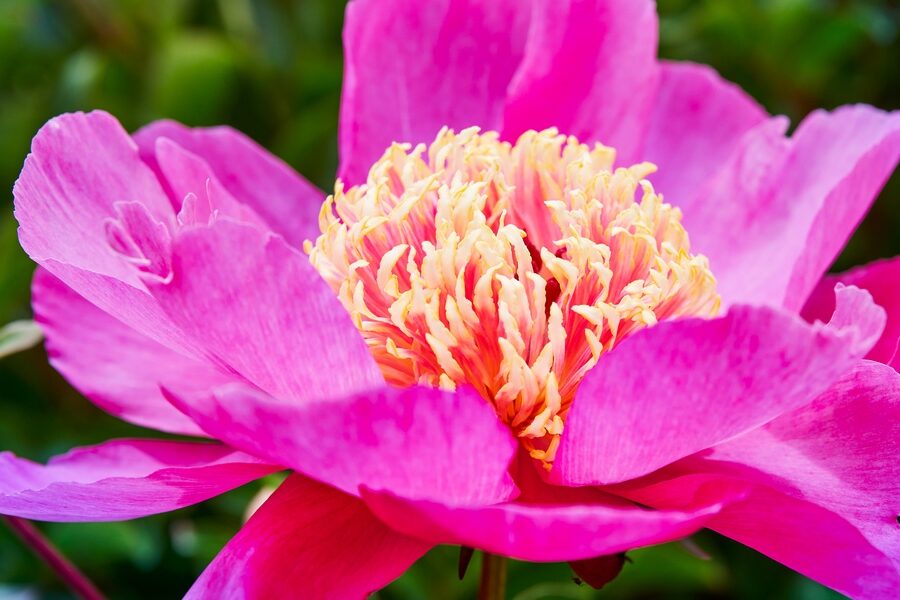
| Wild peony | Paeonia broteri Boiss. | western Iberia, SW mainland | open oak woods, rocky meadows |
| Stinking iris | Iris foetidissima L. | northern coastal regions | shady woodlands, hedgerows, cliff edges |
| Common broom | Cytisus scoparius (L.) Link | northern & mountainous regions | heaths, open woodlands, roadside banks |
| Bird’s-foot-trefoil | Lotus corniculatus L. | widespread mainland, islands | meadows, grasslands, road verges |
| Aeonium | Aeonium arboreum (L.) Webb & Berthel. | Canary Islands (Tenerife, La Palma) | cliff faces, rocky slopes, laurel edges |
| Tower of jewels | Echium wildpretii H.Pearson | Tenerife (Teide slopes) | high-elevation volcanic slopes, scrub |
| Dragon tree | Dracaena draco L. | Canary Islands, scattered coastal | laurel forest fringes, dry ravines, cliffs |
| Canary Island date palm | Phoenix canariensis Chabaud | Canary Islands | ravines, slopes, coastal talus |
| Towering echium | Echium pininana A.Chev. | La Palma (Canaries) | laurel forest edges, slopes |
| Balsam spurge | Euphorbia balsamifera Aiton | arid Canary coasts | coastal cliffs, rocky arid scrub |
| Periploca | Periploca laevigata Aiton | Canary Islands, eastern Atlantic isles | cliffs, dry slopes, coastal scrub |
| Mediterranean buckthorn | Rhamnus alaternus L. | Mediterranean coasts, Balearics | maquis, rocky hillsides, scrub |
| Montpellier rockrose | Cistus monspeliensis L. | Mediterranean Spain, islands | garrigue, coastal scrub, dry soils |
| Phoenicean juniper | Juniperus phoenicea L. | Mediterranean coasts, islands | dunes, cliffs, salt-spray tolerant scrub |
Images and Descriptions
Holm oak
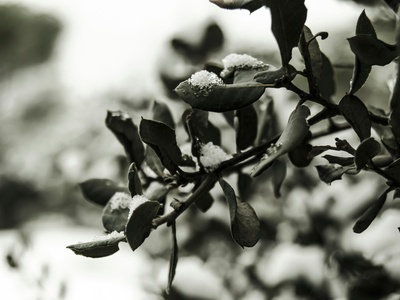
Evergreen Mediterranean oak with dark leathery leaves and rounded crown; forms dense woodlands and dehesas. Key for biodiversity, provides acorns for wildlife and traditional grazing landscapes; common across lowland and montane Mediterranean Spain.
Cork oak
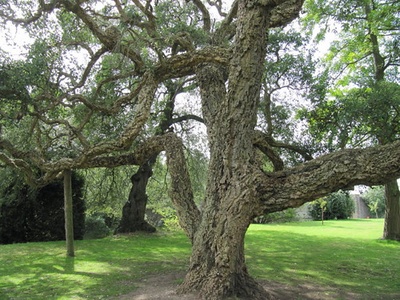
Medium evergreen oak with thick corky bark harvested sustainably for cork; deep-rooted tree of dehesa agroecosystems. Supports rich understory, fungi and wildlife; largely in southwestern and western Spanish woodlands today.
Stone pine
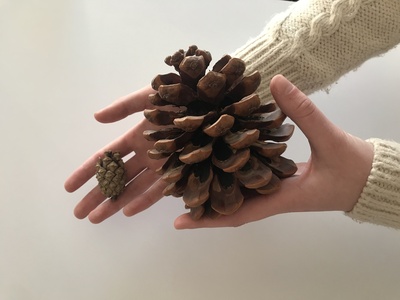
Iconic umbrella-shaped pine producing edible pine nuts; tolerant of coastal soils and sandy dunes. Forms parkland and seaside forests, culturally significant for Mediterranean landscapes and forestry in central and southern Spain.
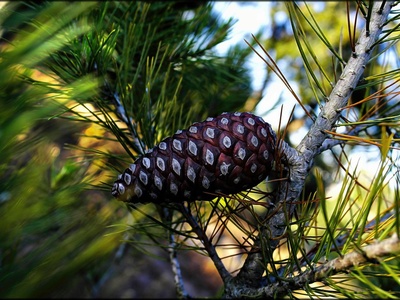
Aleppo pine
Fast-growing pine of the Mediterranean scrub with slender needles and flaky bark; colonizes dry slopes and burnt areas. Important for erosion control, common on eastern and southern Spanish coasts and inland hills.
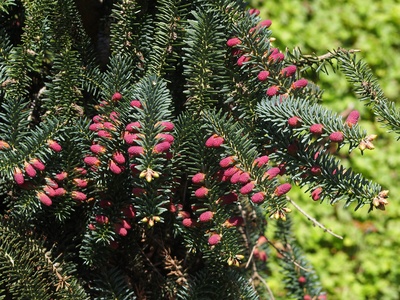
Spanish fir
Rare, evergreen fir with dense, upright crown and short needles; an endemic of southern Andalusian sierras. Relict populations in misty limestone ravines make it of high conservation concern and a local symbol.
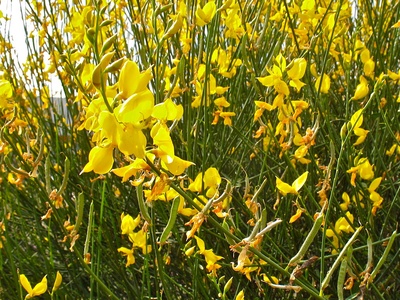
Spanish broom
Rush-like shrub with bright yellow pea-flowers and smooth green stems; classic Mediterranean scrub species. Colonizes poor soils and roadsides, common along coasts and lowlands and valued for showy spring blooms.
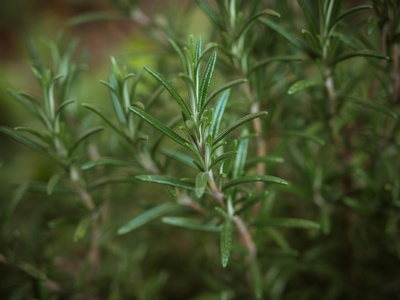
Rosemary
Aromatic evergreen shrub with needle-like leaves and blue flowers; common in maquis and rocky outcrops. Used culinary and medicinally, it attracts pollinators and stabilizes dry Mediterranean soils widely across Spain.
Spanish lavender
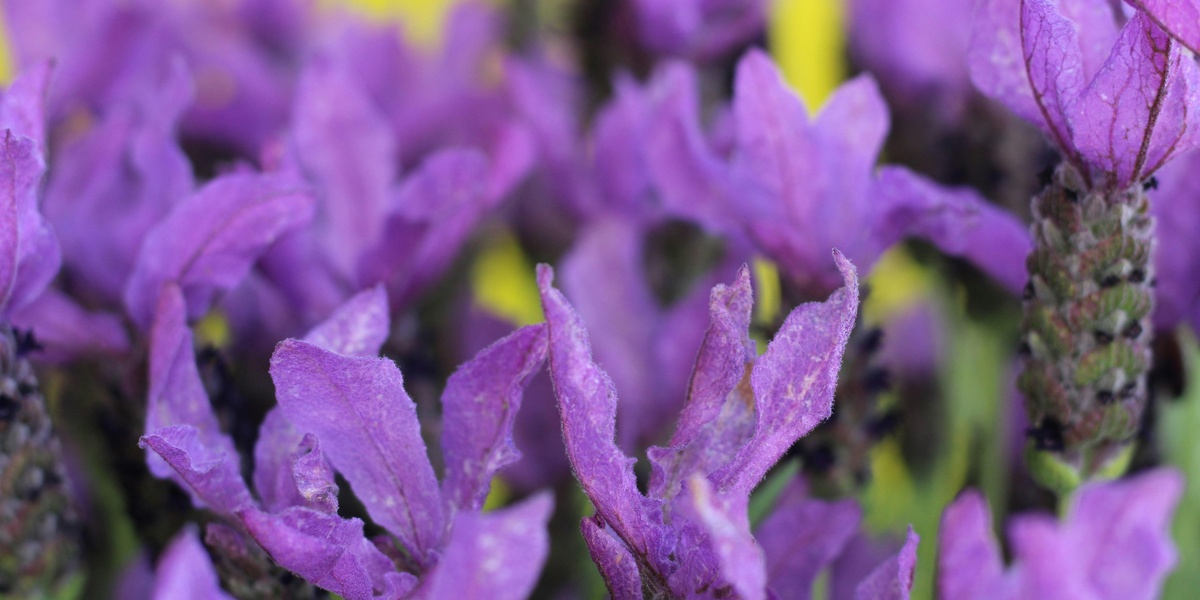
Fragrant shrub with distinctive tufted purple flower-heads and narrow leaves; iconic of Mediterranean scrub. Grows on dry rocky soils and coastal cliffs, supports bees and is used in traditional perfumes.
Gum rockrose
Large evergreen rockrose with sticky resinous leaves and white flowers sporting deep red spots. Dominant in post-fire shrublands and heat-prone scrub across western and central Spain, important for early succession.
Wild olive
Twisted small tree with silvery leaves and small olives; wild relatives of cultivated olive persist in Mediterranean woodlands and garrigue. Provides habitat resources, cultural history, and genetic diversity for olives.
Strawberry tree
Evergreen shrub or small tree with red edible but gritty fruits and white urn-shaped flowers; common on Atlantic and Mediterranean coasts. Provides nectar for insects and color in winter landscapes.
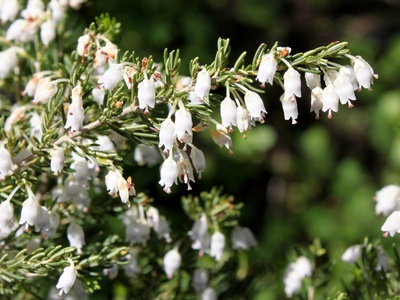
Tree heath
Tall heath with masses of small white bell flowers and needle-like leaves; common in acidic soils and heathlands. Forms dense stands in Atlantic and Mediterranean hills, important for honey production.
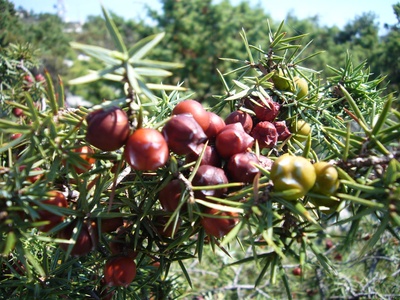
Prickly juniper
Spiny evergreen shrub or small tree with aromatic foliage and bluish berries; occupies dry rocky slopes and scrub. Seeds disperse via birds; common across Mediterranean Spain and valuable for erosion control.
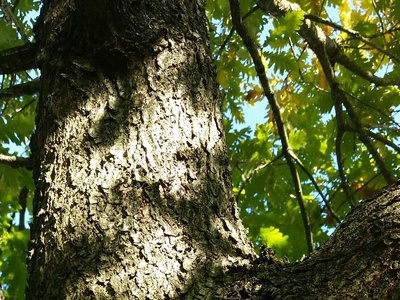
Pyrenean oak
Deciduous oak with large lobed leaves and rough bark; forms cool montane forests in northern and central Spain. Key for mammal and fungal diversity and traditional grazing woodlands and timber uses.
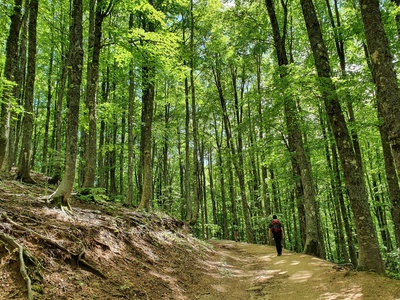
European beech
Tall deciduous tree with smooth grey bark and dense summer canopy; forms pure beech forests in humid mountain ranges. These cool woodlands host moss-rich floors and diverse understories in northern Spain.
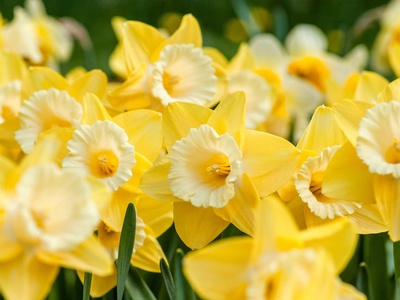
Daffodil
Yellow daffodil with trumpet-shaped central corona and strap-like leaves; blooms in late winter to spring. Found in damp meadows and woodland clearings in northwestern Spain, adding early-season color and wildlife value.
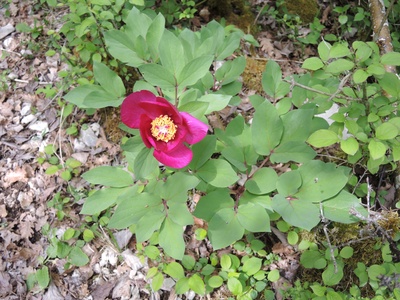
Wild peony
Wild peony with glossy divided leaves and large pink to pale flowers; a striking spring bulbous perennial. Scattered in open oak woodlands and rocky meadows of western Iberia and valued by botanists.
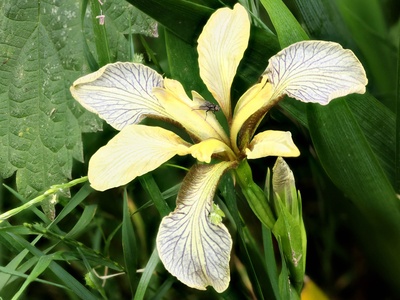
Stinking iris
Clump-forming evergreen iris with strap-like leaves and dull red-brown flowers; distinctive for its bright orange seed pods in autumn. Grows in shady coastal woodlands and hedgerows in northern Spain regions.
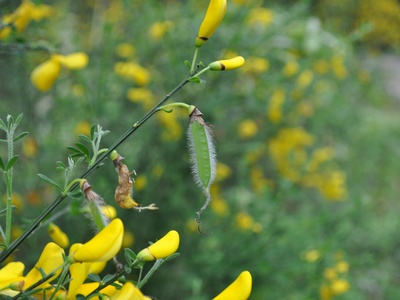
Common broom
Tall, broomlike shrub with pea-flowers in yellow and green angled stems; colonizes upland heaths and roadside banks. Present in northern and mountainous Spanish regions, widely supporting pollinators in open habitats.
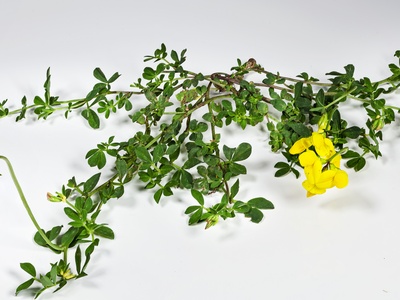
Bird’s-foot-trefoil
Low perennial legume with compound leaves and bright yellow pea-like flowers; common in meadows, road verges and grasslands. Fixes nitrogen, supports butterflies and is widespread across diverse Spanish lowlands and hills.
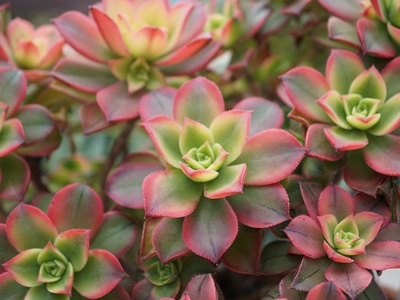
Aeonium
Succulent rosette shrub with glossy leaves and branching stems; a common garden plant that is native and wild on Canary cliff faces. Forms dramatic clusters on rocky sites and is striking after drought.
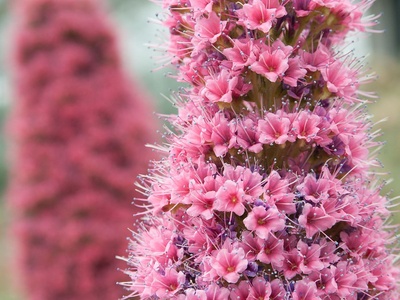
Tower of jewels
Towering biennial with dense rosette and a dramatic red flower spike up to several meters tall; endemic to Tenerife’s high Teide slopes. Important for specialist pollinators and spectacular in bloom.
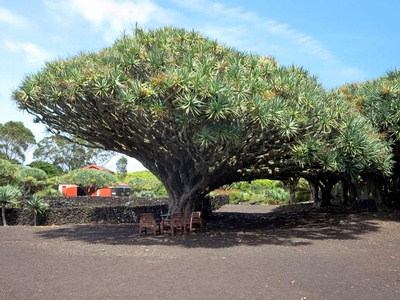
Dragon tree
Striking slow-growing tree with thickened trunk and umbrella-like crown; endemic to Canary Islands and Macaronesia. Produces a red resin historically used as varnish, iconic in dry laurel forest and coastal ravines.
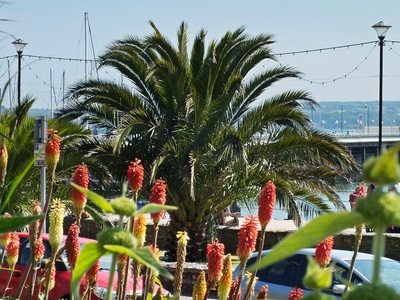
Canary Island date palm
Large pinnate palm with stout trunk and arching feather-like leaves; native to the Canary Islands. Forms oasis-like stands in ravines and slopes, culturally important and adaptable to coastal climates today.
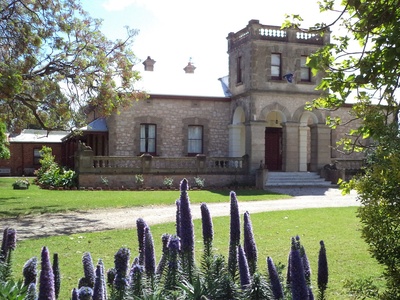
Towering echium
Monumental rosette plant with a towering blue flower spike, endemic to La Palma. Can reach many meters when flowering; an eye-catching species important for endemic pollinators and island landscapes visitors.

Balsam spurge
Sprawling succulent shrub with fleshy stems and pale yellow cyathia; native to arid Canary coasts. Tolerant of salty soils and drought, it stabilizes cliffs and provides shelter for lizards and birds.
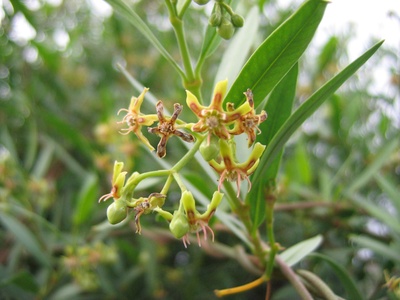
Periploca
Woody climbing shrub with glossy leaves and small fragrant flowers; native to Canary and eastern Atlantic islands. Found on cliffs and dry slopes, contributing to cliffside vegetation and local biodiversity.
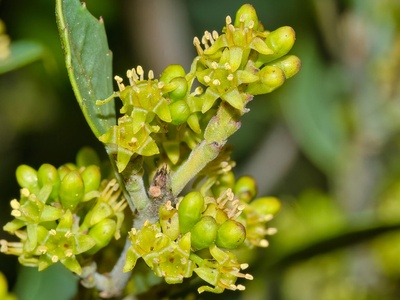
Mediterranean buckthorn
Evergreen shrub with glossy leaves and small greenish flowers followed by black berries; common in Mediterranean maquis. Grows on rocky hillsides and coastal scrub, valuable for bird food and hedgerows.
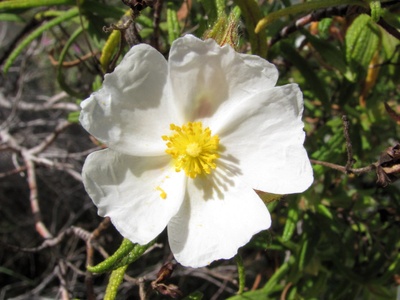
Montpellier rockrose
Small rockrose with narrow grey-green leaves and white flowers; occupies dry garrigue and coastal scrub. Tolerant of poor soils, it blooms profusely after rains and is a key early successional shrub.
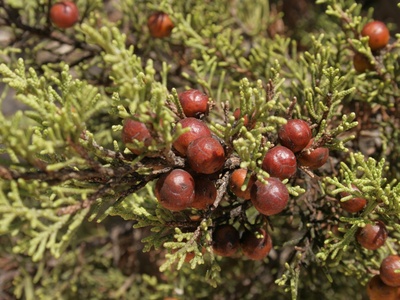
Phoenicean juniper
Coastal juniper with twisted trunks and fragrant foliage; tolerates salt spray and sand. Forms low scrub on dunes and cliffs around Mediterranean coasts and provides shelter for nesting birds locally.