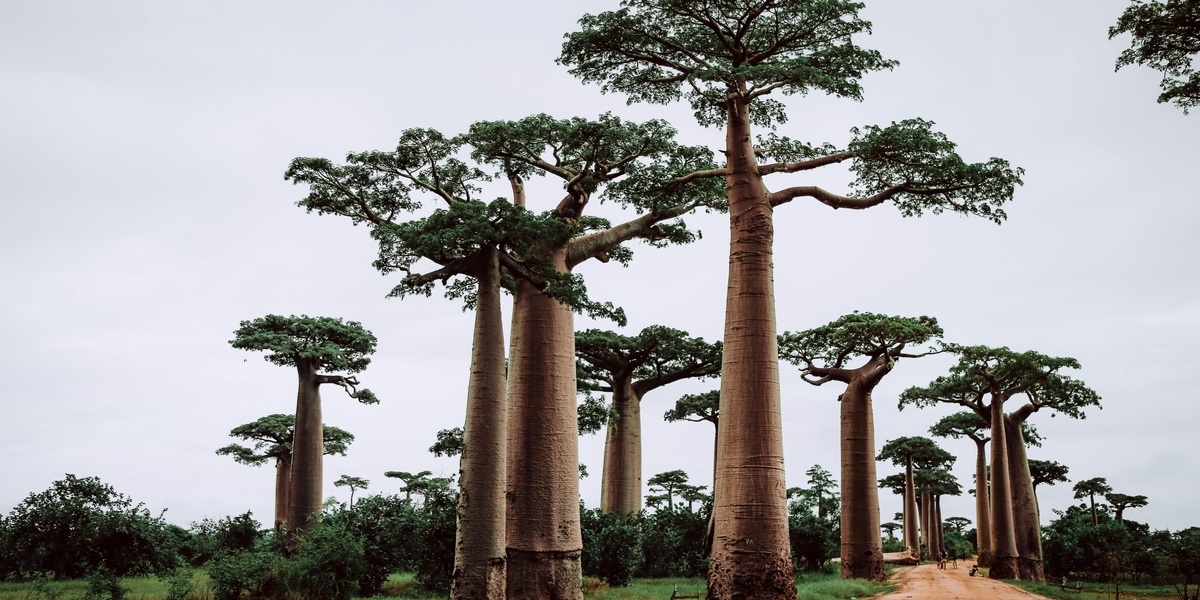
Togo’s landscape — from coastal lagoons and humid forests to northern savannas — supports a wide variety of plants used for food, medicine and construction. Local markets and rural communities still rely on these species for daily needs and cultural practices.
There are 39 Togo’s native plants, ranging from African grape to White yam; for each species you’ll find below Scientific name,Habitat and range in Togo,Uses / notable traits, so you can quickly compare identification, distribution and practical uses — you’ll find below.
How can I identify these native plants in the field?
Start with habitat and key features: leaf shape, flower or fruit type, bark texture and typical location (coastal, forest, savanna). Use the Scientific name entry to cross-check photos or herbarium records, and consult local guides or community elders for common names and look-alike warnings.
Are these species suitable for gardening or restoration projects?
Many are well suited to local gardens and restoration because they’re adapted to Togo’s climates; check the Uses / notable traits column for propagation tips and ecological roles. Source seed or seedlings from local nurseries, prioritize native genotypes, and avoid wild overharvesting to support long-term recovery.
Togo’s Native Plants
| Name | Scientific name | Habitat and range in Togo | Uses / notable traits |
|---|---|---|---|
| Shea | Vitellaria paradoxa | Savanna parklands; central and northern Togo | Shea butter, edible nuts, income source |
| African locust bean | Parkia biglobosa | Sudanian–Guinean savannas; central Togo | Fermented seeds (dawadawa), animal fodder, shade tree |
| Baobab | Adansonia digitata | Northern savanna and dry valleys | Edible fruit, leaves, water storage, cultural importance |
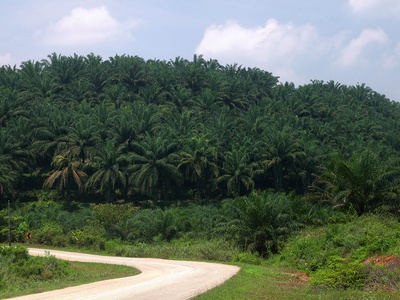
| African oil palm | Elaeis guineensis | Coastal and southern moist forests, wetlands | Edible oil, traditional products, habitat for wildlife |
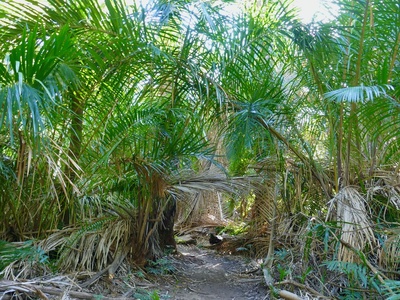
| Raphia palm | Raphia hookeri | Swamps, riversides, southern lowlands | Thatching, crafts, fiber, wine tapping |
| Palmyra palm | Borassus aethiopum | Savanna plains and gallery forests | Food, thatch, construction, edible heart |
| African mahogany | Khaya senegalensis | Gallery forests, savanna woodlands | Valuable timber, traditional medicine, shade tree |
| Iroko | Milicia excelsa | Moist and semi-deciduous forests of south Togo | Durable timber, cultural significance |
| Obéché (African whitewood) | Triplochiton scleroxylon | Semi-deciduous forests, southern Togo | Light timber for plywood and furniture |
| Limba | Terminalia superba | Lowland and moist semi-deciduous forests | Timber, shade, riverine tree |
| Afzelia | Afzelia africana | Savanna–woodland transition; central Togo | Hardwood timber, medicinal bark |
| African rosewood (Kosso) | Pterocarpus erinaceus | Sudanian–Guinean savanna zones | Highly prized timber, medicinal uses |
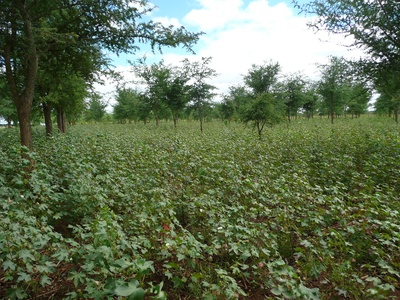
| Faidherbia | Faidherbia albida | Seasonal floodplains, parklands, central Togo | Fodder, soil-improving, agroforestry species |
| Anogeissus | Anogeissus leiocarpa | Savanna woodlands and riverine belts | Resin, timber, medicinal bark |
| Kinkeliba | Combretum micranthum | Sudanian savanna and open woodlands | Herbal tea, digestive remedies, medicinal leaves |
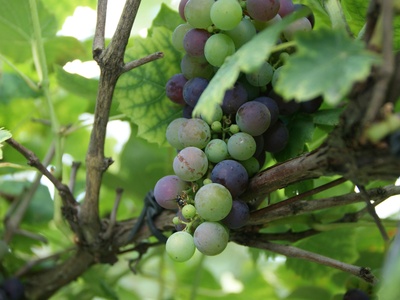
| African grape | Lannea microcarpa | Sudanian–Guinean savanna transition | Edible fruits, dye, medicinal uses |
| Marula | Sclerocarya birrea | Northern and central savannas | Edible fruit, oil, fermented beverages |
| Kola nut | Cola nitida | Moist forests and cultivated groves in south Togo | Traditional stimulant, cultural ceremonies, flavoring |
| Bush mango (dika) | Irvingia gabonensis | Guineo‑Congolian forests and forest–savanna | Edible fruit kernels, timber, cash crop |
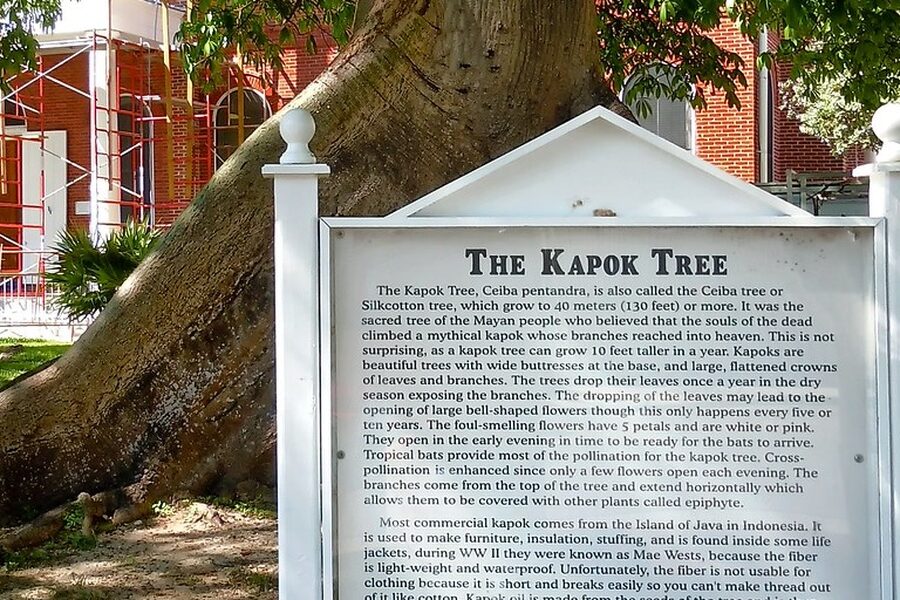
| Kapok | Ceiba pentandra | Moist forests and gallery forests | Light timber, kapok fiber, sacred tree |
| White yam | Dioscorea rotundata | Forest edges, moist uplands, cultivated wild stands | Staple tuber crop, wild harvesting, important food security |
| Voacanga | Voacanga africana | Lowland forest and forest margins | Alkaloids, traditional medicine, ornamental |
| Alstonia | Alstonia boonei | Semi-deciduous forests, moist forest zones | Medicinal bark, timber, traditional uses |
| Rauvolfia | Rauvolfia vomitoria | Forest understory and gallery forests | Cardiac alkaloids, traditional medicine |
| Guiera | Guiera senegalensis | Sudanian and Sahelian savannas, northern Togo | Fuelwood, medicinal shrub, soil protection |
| Fagara / Zanthoxylum | Zanthoxylum zanthoxyloides | Sahel–Sudanian zones, northern Togo | Toothache remedy, spice, medicinal bark |
| Rubber vine | Landolphia owariensis | Guinean forests and forest margins | Latex source, traditional uses, climbing liana |
| Black plum | Vitex doniana | Savanna woodlands and gallery forests | Edible fruit, fodder, medicinal uses |
| Piliostigma | Piliostigma reticulatum | Sudanian savanna and open woodlands | Fodder, soil fodder tree, medicinal uses |
| Sycamore fig | Ficus sycomorus | Riverbanks, gallery forests, savanna edges | Fruits for people and wildlife, shade, cultural tree |
| Thonning’s fig | Ficus thonningii | Gallery forests, savanna trees | Livestock fodder, medicinal bark, wildlife forage |
| Bridelia | Bridelia ferruginea | Savanna–woodland mosaic, central and north Togo | Traditional medicine, fuelwood, shrub or small tree |
| Terminalia avicennioides | Terminalia avicennioides | Sudanian savannas and riverine areas | Medicinal bark, tannins, fuelwood |
| Combretum glutinosum | Combretum glutinosum | Sahelian–Sudanian savanna; northern Togo | Fodder, fuelwood, soil stabilization |
| Sterculia setigera | Sterculia setigera | Sudanian savanna zones | Fodder, lightweight timber, drought-tolerant |
| Erythrophleum | Erythrophleum suaveolens | Semi-deciduous forests and forest–savanna | Hardwood timber, toxic seeds, medicinal uses |
| African star apple | Chrysophyllum albidum | Semi-deciduous forest and forest fringe | Edible fruits, shade tree, local markets |
| Balanites | Balanites aegyptiaca | Sahel–Sudanian drylands, northern Togo | Edible fruit, fuelwood, drought-hardy |
| Bitter kola | Garcinia kola | Moist forests and forest margins in south Togo | Stimulant, chewable seed, traditional medicine |
Images and Descriptions
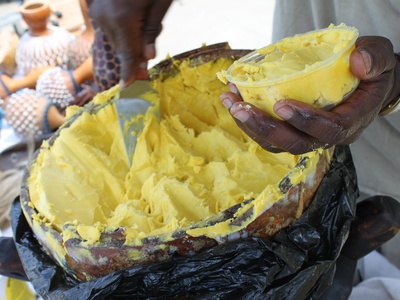
Shea
A gnarled savanna tree with thick bark and dense canopy. Produces oily seeds used for shea butter; vital for local livelihoods, soil protection, and traditional medicine, flowering in the dry season and fruiting annually.
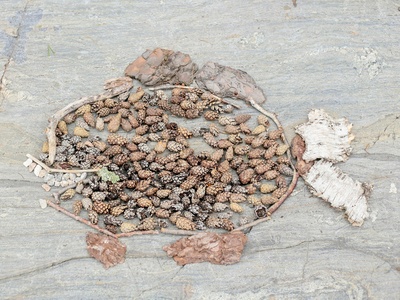
African locust bean
A medium to large tree with a broad crown and fragrant yellow flowers. Seeds are fermented into a staple seasoning, pods feed livestock, and the species supports pollinators and soil fertility in parkland landscapes.
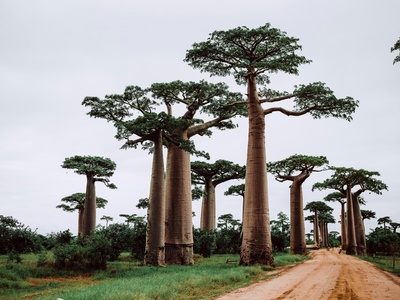
Baobab
Iconic bottle-shaped tree with a massive trunk that stores water. Produces vitamin-rich fruit and leaves used as food and medicine; culturally important and visible across Togo’s northern landscapes.
African oil palm
A tall, clustering palm of coastal forests producing oil-rich fruit bunches. Wild stands occur in southern Togo; fruit oil and kernels are used locally while palms shape swamp ecology.
Raphia palm
Large swamp palm with very long pinnate leaves used for roofing and woven goods. The stems yield sap for local wines and its stands mark freshwater swamp habitats in the south.

Palmyra palm
A tall, robust palm with a straight trunk and fan leaves. Provides starchy fruits and construction materials, and its presence marks drier savanna and gallery-forest edges across Togo.
African mahogany
A large, straight-trunked tree with pinnate leaves and papery bark. Prized for reddish timber and medicinal bark; occurs along waterways and in seasonally dry woodlands.
Iroko
A massive forest tree with smooth grey bark and compound leaves. Yields highly durable timber used locally and regionally; important canopy tree in southern forest remnants.
Obéché (African whitewood)
A tall, fast-growing forest tree with pale wood and large leaves. Common in moist forests; wood used in furniture and veneers while crowns support epiphytes and wildlife.
Limba
A tall, buttressed forest species with spreading crown. Produces pale, workable timber; found in southern forests and along river corridors where it provides shade and habitat.
Afzelia
A large deciduous tree with compound leaves and valuable heavy timber. Occurs in drier woodlands and parklands; bark and seeds used traditionally while populations face selective logging pressure.
African rosewood (Kosso)
A medium-sized savanna tree with pinnate leaves and bright yellow flowers. Produces red hardwood valued for furniture and carving; overharvesting has made it conservation-concern in parts of West Africa.
Faidherbia
A reversely deciduous tree that drops leaves in wet season, fixing soil fertility and providing fodder. Common in farming landscapes and valued for agroforestry due to nitrogen-rich leaf litter.
Anogeissus
A medium tree with rough bark and papery leaves. Grows in gallery forests and savannas; bark and resin used in traditional medicine, and trunks for local construction.
Kinkeliba
A drought-tolerant shrub or small tree with small leaves and yellowish flowers. Leaves are brewed as tonic tea (kinkeliba) widely used for digestion and traditional remedies across Togo.
African grape
A small to medium tree with pinnate leaves and small fruits eaten locally. Bark and seeds used for dyes and traditional medicine; common in parklands and woodlands.
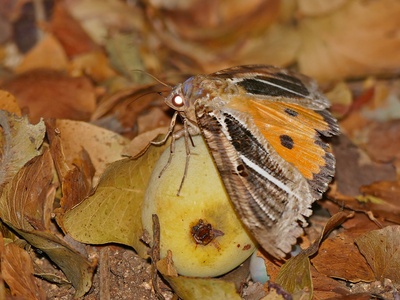
Marula
A spreading deciduous tree producing fleshy, vitamin-rich fruits used fresh or fermented. Kernels yield oil; culturally and economically important in drier Togo regions.
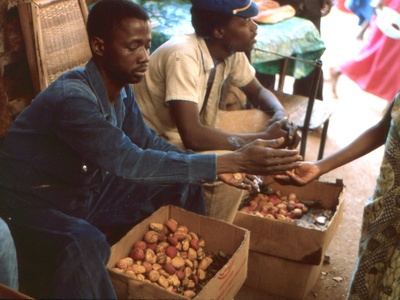
Kola nut
An evergreen understory tree with red fruit containing caffeine-rich nuts chewed socially and used in ceremonies; occurs wild and in semi-wild groves in southern forests.
Bush mango (dika)
A medium forest tree producing fibrous fruits; kernels (“dika”) make a thickener and are sold commercially. Found in southern Togo’s forest patches and agroforestry systems.
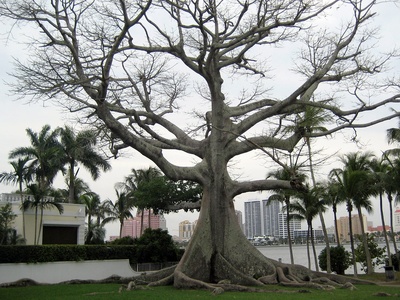
Kapok
A very tall emergent tree with buttressed trunk and showy flowers. Produces buoyant kapok fiber and hollow branches used culturally; an important rainforest canopy species.
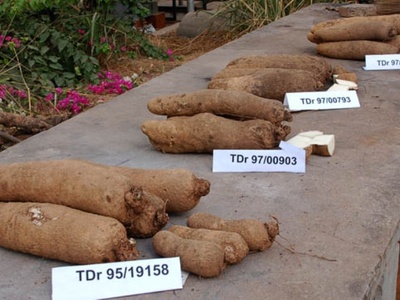
White yam
A climbing tuberous vine producing starchy underground tubers. Wild and cultivated forms are central to diet in Togo, climbing into shrubs and trees during growth.
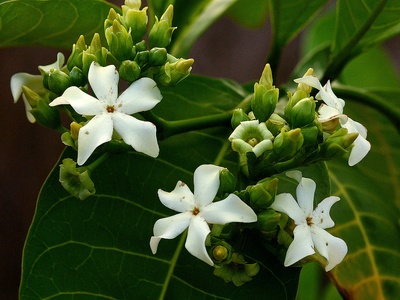
Voacanga
A small tree with milky latex and fragrant flowers. Various parts used in traditional medicines and for ceremonial uses; grows in southern forested areas.
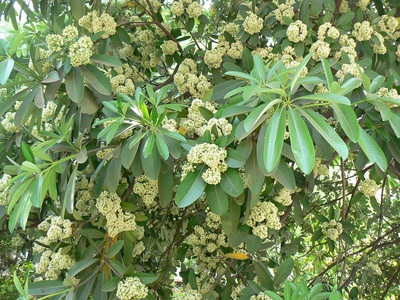
Alstonia
A tall forest tree with pale bark and whorled leaves. Bark is widely used for remedies against fever and malaria; common in southern forest fragments.
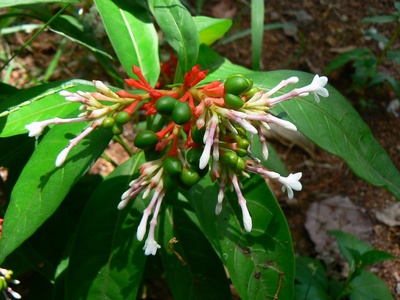
Rauvolfia
A small tree with shiny leaves and scented flowers. Bark and roots yield alkaloids used in traditional medicine; found in southern and central moist habitats.
Guiera
A multi-stem shrub with small leaves and dense growth, common in dry savannas. Used for fuel, medicine and as a pioneer species on degraded soils.
Fagara / Zanthoxylum
A thorny shrub or small tree with aromatic bark and pinnate leaves. Used traditionally for dental and digestive treatments; occurs in drier northern landscapes.
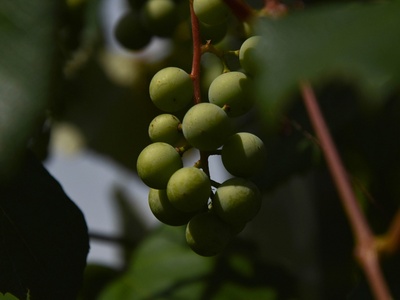
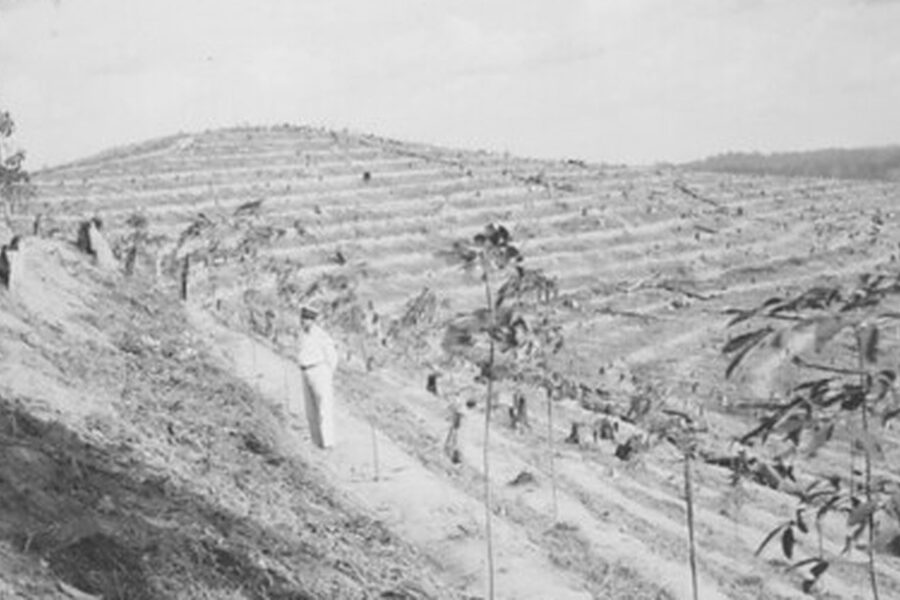
Rubber vine
A woody climbing liana with glossy leaves and fragrant flowers producing latex historically tapped as rubber. Found in southern forest canopies and edges.
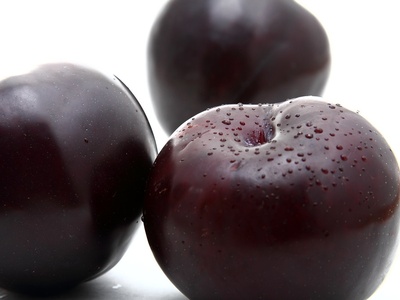
Black plum
A medium tree bearing purple edible fruits eaten fresh or fermented. Leaves and bark are used medicinally; common in central and northern woodland habitats.
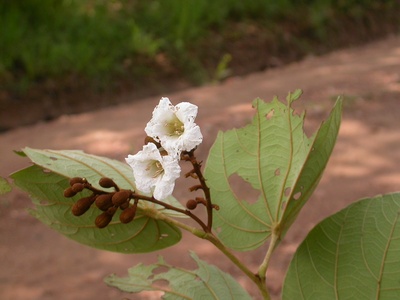
Piliostigma
A small, spreading tree with pinnate leaves and pinkish flowers. Used for fodder and soil protection; tolerated on farm boundaries in dry areas.
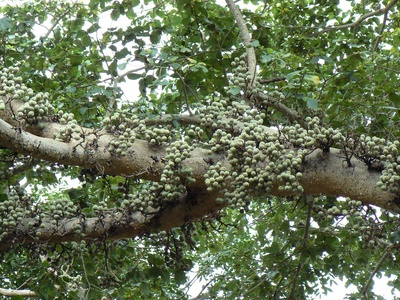
Sycamore fig
A broad-canopied fig producing edible figs coveted by birds and people. Often found by watercourses and in cultivation near settlements, important for wildlife.
Thonning’s fig
A versatile fig with spreading branches producing figs year-round. Leaves and figs provide fodder and food for wildlife; commonly grows along streams and field margins.
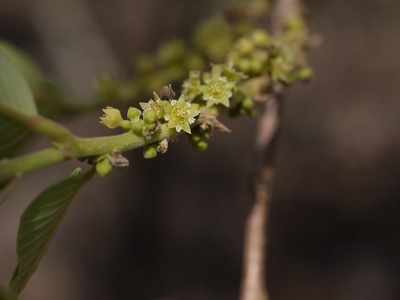
Bridelia
A small tree with leathery leaves and small fruit. Widely used in traditional remedies and as firewood; common in transitional vegetation zones.
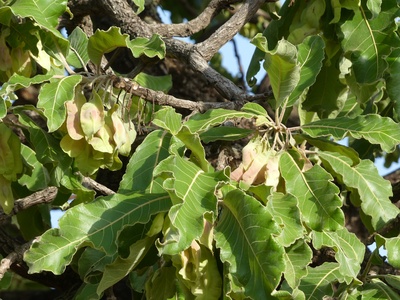
Terminalia avicennioides
A medium tree with papery bark and clusters of small fruits. Bark used for medicinal decoctions; occurs along seasonal watercourses and dry woodlands.
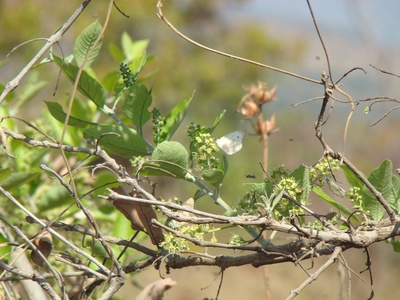
Combretum glutinosum
A spiny shrub or small tree with sticky buds and long-lasting fruits. Important in northern drylands for livestock fodder and stabilizing degraded soils.
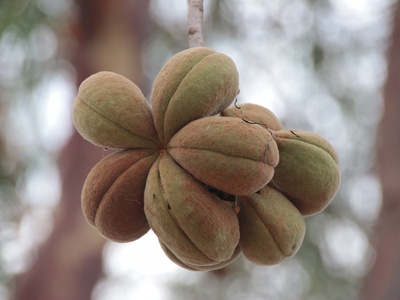
Sterculia setigera
A small to medium deciduous tree with hand-shaped leaves. Survives dry conditions, provides livestock browse and light timber; typical of northern woodlands.
Erythrophleum
A large forest tree with dense wood and pinnate leaves. Timber is heavy and durable; seeds and bark are used cautiously in traditional medicine due to toxicity.
African star apple
A medium forest tree with glossy foliage and sweet pulpy fruits. Fruits are sold locally and eaten fresh; common in southern forest patches and homegardens.
Balanites
A thorny, drought-tolerant tree with oily fruits eaten locally and seeds used for oil. Marks harsh northern landscapes and supports pastoral livelihoods.
Bitter kola
A small evergreen tree producing glossy fruits and bitter seeds chewed as stimulants. Seeds have cultural and medicinal value and the species grows in southern forested areas.