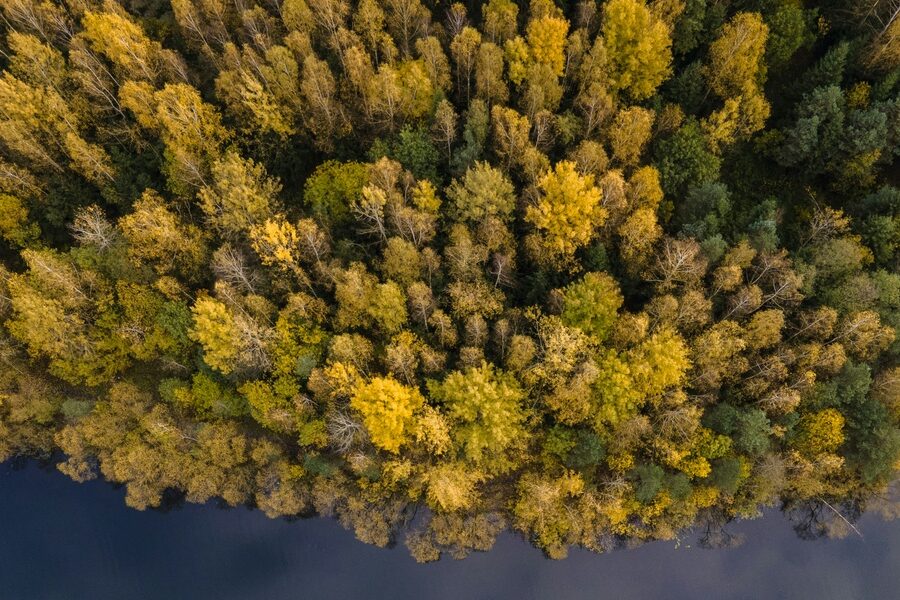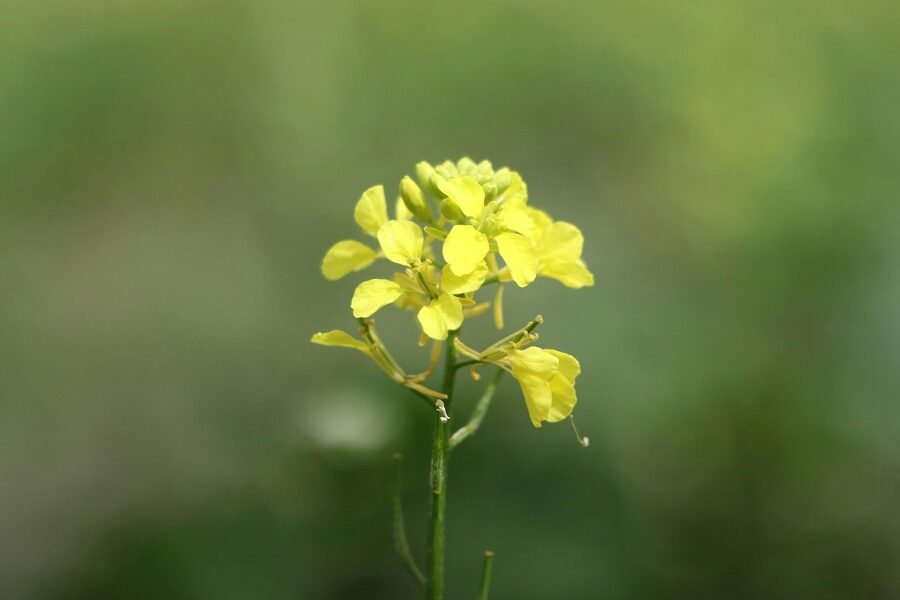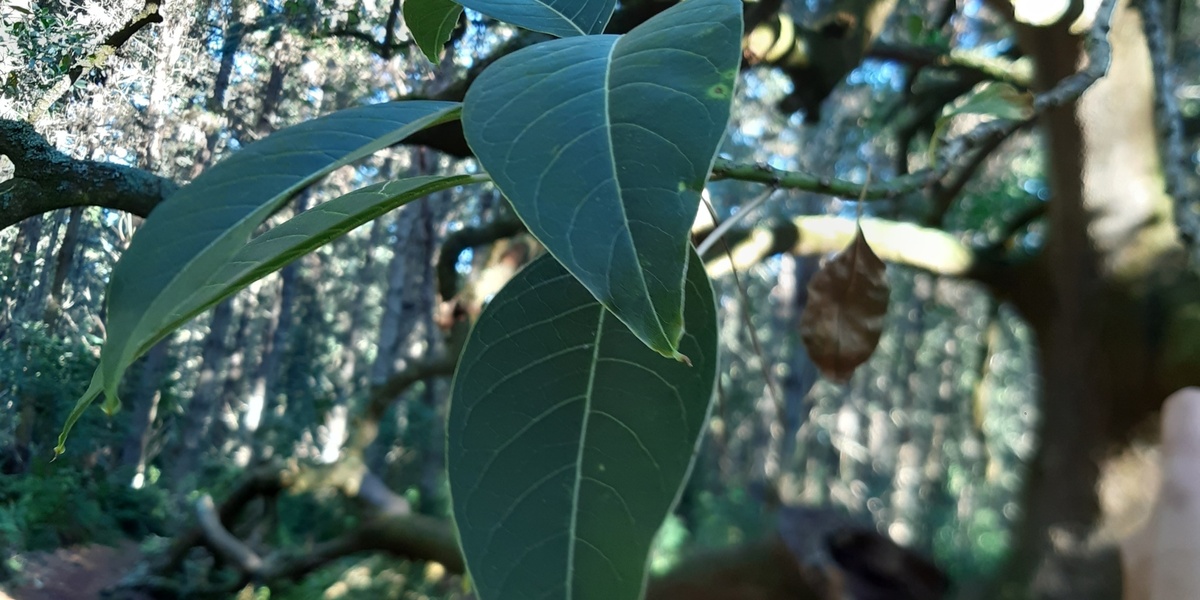
Argentina’s landscapes—from humid Mesopotamia and the Gran Chaco to the Andean slopes and Patagonian plains—support a wide variety of tree species. A quick, region-focused list makes it easier to see which trees are tied to particular provinces, climates and uses, whether you’re planning a planting project or just exploring local nature.
There are 40 Trees of Argentina, ranging from Aguaribay, Ñire and spanning subtropical lowlands to cool southern woods. For each entry you’ll find below the Scientific name,Height (m),Main region/provinces to help with identification, size expectations and where to look in the country.
How were the 40 species selected?
They were chosen to represent a mix of native and well-established trees across Argentina’s main regions, emphasizing species that are commonly referenced in regional floras, forestry guides and conservation lists; the goal is practical coverage rather than an exhaustive botanical inventory.
What are quick field tips to identify these trees?
Focus on a few reliable traits—leaf type and arrangement, bark texture, fruit or seed structures and typical habitat (altitude, province, moisture). Use the Scientific name,Height (m),Main region/provinces info below to narrow possibilities and confirm with local guides or photos.
Trees of Argentina
| Common name | Scientific name | Height (m) | Main region/provinces |
|---|---|---|---|
| Ombú | Phytolacca dioica | 15 | Buenos Aires, Santa Fe, Entre Ríos, Corrientes |
| Quebracho colorado | Schinopsis balansae | 30 | Chaco, Santiago del Estero, Formosa, Corrientes |
| Quebracho blanco | Aspidosperma quebracho-blanco | 20 | Chaco, Santiago del Estero, Salta, Córdoba |
| Algarrobo blanco | Prosopis alba | 12 | Chaco, Santiago del Estero, Córdoba, Buenos Aires |
| Algarrobo negro | Prosopis nigra | 18 | Corrientes, Entre Ríos, Misiones, Santa Fe |
| Caldén | Prosopis caldenia | 10 | La Pampa, San Luis, Córdoba, Buenos Aires (western) |
| Espinillo | Vachellia caven | 8 | Buenos Aires, Córdoba, Santa Fe, La Pampa |
| Tipuana | Tipuana tipu | 20 | Buenos Aires, Córdoba, Santa Fe, Tucumán |
| Jacarandá | Jacaranda mimosifolia | 12 | Buenos Aires, Córdoba, Mendoza, Salta |
| Ceibo | Erythrina crista-galli | 8 | Corrientes, Entre Ríos, Misiones, Buenos Aires |
| Palo borracho | Ceiba speciosa | 20 | Corrientes, Misiones, Formosa, Entre Ríos |
| Palo santo | Bulnesia sarmientoi | 10 | Chaco, Formosa, Santiago del Estero, Corrientes |
| Lenga | Nothofagus pumilio | 25 | Neuquén, Río Negro, Chubut, Santa Cruz |
| Ñire | Nothofagus antarctica | 12 | Chubut, Santa Cruz, Río Negro, Tierra del Fuego |
| Coihue | Nothofagus dombeyi | 35 | Neuquén, Río Negro, Chubut |
| Pehuén | Araucaria araucana | 40 | Neuquén, Río Negro |
| Lapacho | Handroanthus impetiginosus | 15 | Misiones, Corrientes, Formosa, Entre Ríos |
| Aguaribay | Schinus molle | 12 | Buenos Aires, Mendoza, Córdoba, Salta |
| Tala | Celtis tala | 10 | Buenos Aires, Córdoba, Santa Fe, La Pampa |
| Ciprés de la cordillera | Austrocedrus chilensis | 20 | Neuquén, Río Negro, Chubut |
| Arrayán | Luma apiculata | 12 | Neuquén, Río Negro, Chubut |
| Alerce | Fitzroya cupressoides | 40 | Chubut, Río Negro |
| Aliso | Alnus acuminata | 20 | Jujuy, Salta, Tucumán, Catamarca |
| Caranday | Trithrinax campestris | 8 | Corrientes, Entre Ríos, Santa Fe, Buenos Aires (northeast) |
| Pindó | Syagrus romanzoffiana | 15 | Misiones, Corrientes, Buenos Aires, Entre Ríos |
| Sauce criollo | Salix humboldtiana | 15 | Buenos Aires, Entre Ríos, Corrientes, Mendoza |
| Álamo | Populus alba | 20 | Buenos Aires, Mendoza, Córdoba, Río Negro |
| Eucalyptus globulus | Eucalyptus globulus | 35 | Río Negro, Neuquén, Buenos Aires, Misiones |
| Pino radiata | Pinus radiata | 30 | Río Negro, Neuquén, Chubut |
| Higuera | Ficus carica | 8 | Mendoza, San Juan, Tucumán, Catamarca |
| Olivo | Olea europaea | 10 | Mendoza, San Juan, La Rioja, Catamarca |
| Yerba mate | Ilex paraguariensis | 10 | Misiones, Corrientes, Entre Ríos |
| Mistol | Ziziphus mistol | 8 | Santiago del Estero, Salta, Chaco, Córdoba |
| Chañar | Geoffroea decorticans | 10 | Salta, Jujuy, Catamarca, La Rioja |
| Algarrobo dulce | Prosopis flexuosa | 10 | San Juan, Mendoza, Catamarca, La Rioja |
| Quebracho chaqueño | Schinopsis lorentzii | 25 | Chaco, Formosa, Salta, Santiago del Estero |
| Álamo negro | Populus nigra | 25 | Buenos Aires, Santa Fe, Entre Ríos, Córdoba |
| Aroeira | Schinus terebinthifolius | 10 | Misiones, Corrientes, Buenos Aires, Río Negro |
| Manzano | Malus domestica | 6 | Río Negro, Neuquén, Mendoza, San Juan |
| Plátano | Platanus ×acerifolia | 30 | Buenos Aires, Córdoba, Mendoza, Salta |
Images and Descriptions
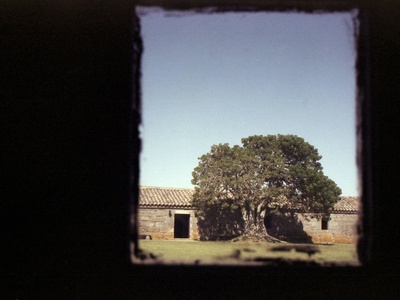
Ombú
Massive, broad-stemmed tree of the Pampas with swollen base, soft fibrous trunk and large evergreen leaves. Native to lowland Argentina, reaches around 15 m. Iconic roadside shade tree used historically for shelter and cultural symbolism; not true hardwood.

Quebracho colorado
Massive, dense hardwood tree of the Gran Chaco known for heavy, tannin-rich wood and blocky trunk. Native and long-harvested for timber, charcoal and tannin. Reaches about 30 m. Conservation concerns due to historical overexploitation and habitat loss.
Quebracho blanco
Hardwood tree of the dry Chaco and Chaqueño forests with pale, durable timber used for construction and rails. Native, typically reaching 20 m. Recognizable by small pinnate leaves and winged fruit; valued locally for fuel and timber, threatened by clearing.
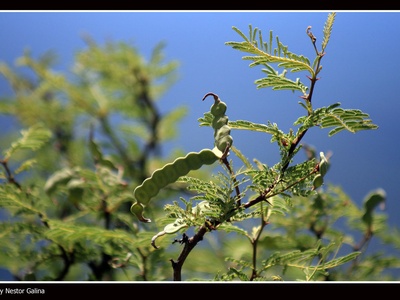
Algarrobo blanco
Leguminous, thorny tree of dry plains and quebracho forests producing sweet pods eaten by livestock and used for flour. Native, usually up to 12 m. Deep roots fix nitrogen; important for agroforestry, honey production, and erosion control.
Algarrobo negro
Large prosopis tree of Mesopotamia with darker wood and dense crown, producing nutritious pods for livestock and traditional foods. Native, reaches about 18 m. Valued for timber, charcoal and shade; tolerates seasonal flooding along riverine forests.
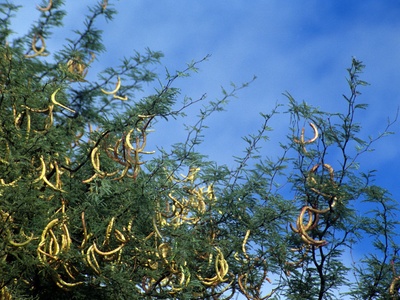
Caldén
Wind-sculpted, thorny tree of the Argentine Monte and central Pampas with thick, twisted trunk and small pinnate leaves. Native, usually under 10 m. Crucial for xeric ecosystems, providing shade, forage and dense hardwood used locally for fuel and craft.
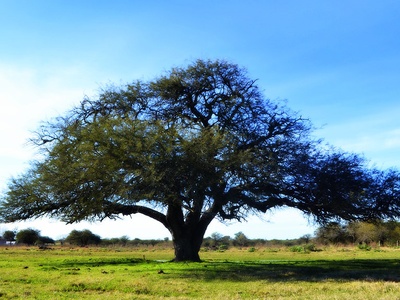
Espinillo
Small thorny tree with fragrant yellow flowers, common in arid and disturbed lands across central Argentina. Native, up to 8 m. Produces pods for livestock, important for pollinators and beekeeping; often used as living fence and fuelwood.
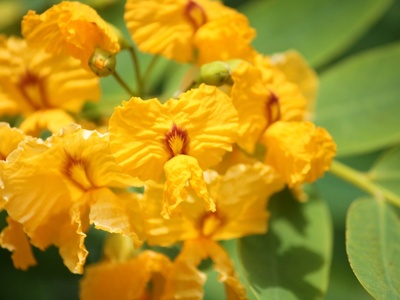
Tipuana
Fast-growing, ornamental legume with a broad canopy and yellow pea-like flowers; extensively planted in cities for shade. Introduced from South America, naturalized in parts of Argentina, reaching 20 m. Wood used for fuel; invasive in some riparian areas.
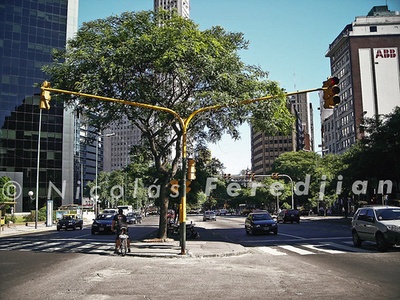
Jacarandá
Iconic ornamental with lavender-blue trumpet flowers in spring, fern-like leaves and smooth trunk. Introduced from Bolivia/Brazil, widely planted in Argentine cities; reaches about 12 m. Valued for street planting and dramatic seasonal blooms.
Ceibo
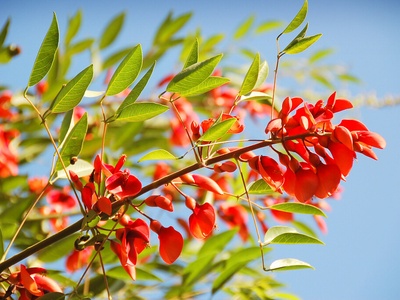
Striking small tree with red, coral-shaped flowers and thorny branches; national flower of Argentina. Native to wetlands and river margins, reaching around 8 m. Used ornamentally and providing food for birds, but vulnerable in some areas due to habitat loss.
Palo borracho
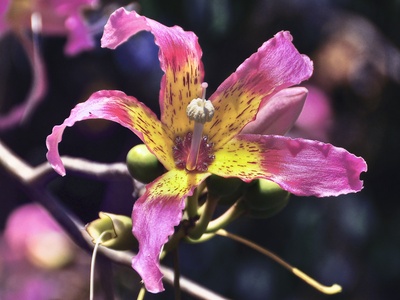
Bottle-trunked tree with pink to white showy flowers and spiny trunk; native to northeastern Argentina. Reaches around 20 m. Used in urban landscapes for striking flowers and shade, seeds produce floss used for stuffing.
Palo santo
Fragrant hardwood tree of the Gran Chaco with dense, resinous timber used for incense, oils and carving. Native, typically around 10 m. Overharvested and now protected in parts of its range with significant conservation concern.
Lenga
Cold-tolerant deciduous beech of Andean forests forming pure stands at timberline; smooth bark and small serrated leaves. Native, reaching 25 m. Important for timber, recreation and mountain ecosystems; sensitive to fire and climate change.
Ñire
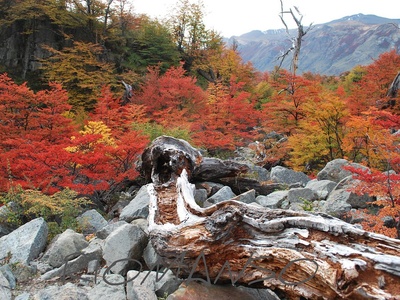
Small deciduous Nothofagus with gnarled form, thin serrated leaves and smooth grey bark. Native to Patagonian steppe and forests, usually under 12 m. Tolerant of cold and wind; used in restoration and as windbreaks.
Coihue
Large evergreen beech of Andean temperate rainforests with glossy leaves and buttressed trunk. Native, reaching up to 35 m. Valued for strong timber and dense canopy; forms majestic old-growth forests but fragmented by logging and land-use change.
Pehuén
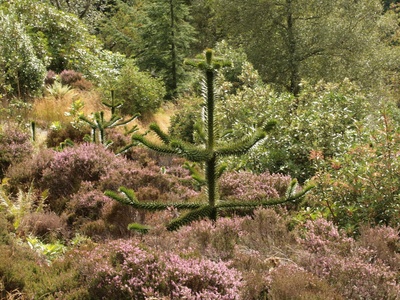
Ancient, spiky conifer with horizontal branches and edible seeds (piñones); culturally important to Mapuche people. Native to Andean slopes, reaching 40 m. Protected and often threatened by logging, wildfires and habitat loss.
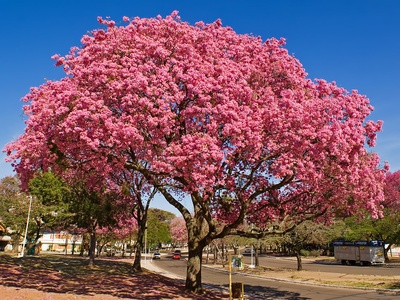
Lapacho
Deciduous tree famous for spectacular pink to purple spring blooms and hard, durable timber. Native to northeastern forests, reaching about 15 m. Used ornamentally and for timber; flowers attract pollinators and are culturally celebrated.
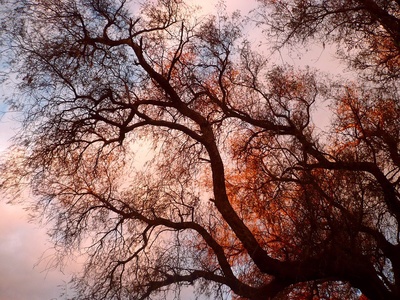
Aguaribay
Graceful, aromatic tree with pinnate leaves and drooping clusters of pink peppercorn-like fruits. Introduced from the Andes but widely naturalized; reaches about 12 m. Used for shade, windbreaks, and medicinal or culinary uses.
Tala
Sturdy, small- to medium-sized tree with rough bark and pubescent leaves, common in dry woodlands and pastureland. Native, up to 10 m. Produces small edible fruits consumed by birds; used for fence posts, fuel and restoration.
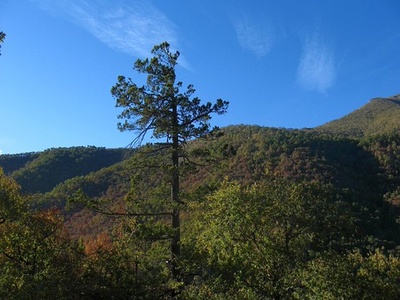
Ciprés de la cordillera
Patagonian conifer with reddish bark and brittle foliage, forming pure stands in Andean valleys. Native, usually up to 20 m. Wood historically used locally; populations impacted by logging, fire and grazing, important for mountain biodiversity.
Arrayán
Smooth-barked evergreen tree with cinnamon-colored peeling bark, fragrant white flowers and small edible berries. Native to Patagonian river valleys and lakeshores, reaching about 12 m. Widely admired in national parks and used ornamentally.
Alerce
Long-lived, slow-growing conifer with thick, reddish bark and durable timber; one of the world’s longest-lived trees. Native to Andean temperate rainforests, reaching up to 40 m. Critically valued and protected due to past intense logging.
Aliso
Deciduous alder of Andean valleys with serrated leaves and catkins; fast-growing and nitrogen-fixing. Native in montane forests, reaches about 20 m. Used for riverbank stabilization, reforestation and light timber; tolerates damp soils.
Caranday
Stiff fan-palm forming solitary trunk with spiny leaf bases and fibrous skirt. Native to northeastern pampas and wetlands, reaching about 8 m. Used for thatching, craft and ornamental planting; tolerant of drought and occasional flooding.
Pindó
Elegant feather-palm with smooth trunk and arching fronds, producing edible fruits. Native to northeastern Argentina, often seen in parks and natural forests, reaching about 15 m. Widely planted ornamentally and valued for landscape use.
Sauce criollo
Fast-growing riparian willow with narrow leaves, flexible stems and pendulous branches. Native along Argentine waterways, usually around 15 m. Important for bank stabilization, shade and woodcraft; commonly planted in agroecosystems and river restorations.
Álamo
Fast-growing poplar with triangular leaves often white-backed and rough bark, widely planted for windbreaks and timber. Introduced but naturalized along waterways, reaching 20 m. Useful for quick shade and erosion control, but can be invasive.
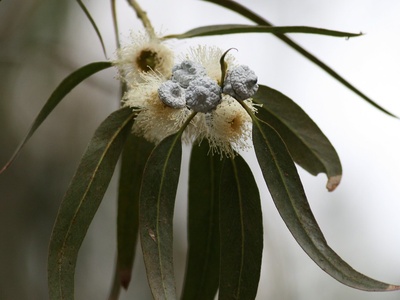
Eucalyptus globulus
Fast-growing Australian gum widely planted in Argentina for timber, pulp and shelter. Reaches about 35 m. Provides quick economic returns but raises concerns about water use, fire risk and impacts on native biodiversity where it replaces native forests.
Pino radiata
Introduced pine used extensively in commercial forestry for fast-growing timber and paper pulp. Reaches about 30 m. Economically important but can alter soil and fire regimes; plantation management widespread in Patagonia and mesophytic zones.
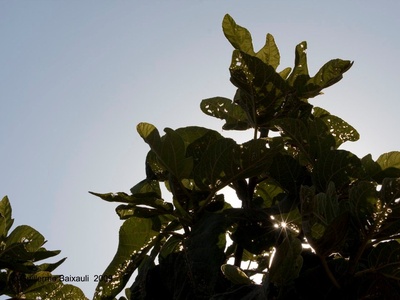
Higuera
Edible fig tree long cultivated in Argentina’s dry valleys, producing sweet fruit and thick lobed leaves. Naturalized in gardens and riverine spots, reaching about 8 m. Valuable for domestic orchards and local markets.
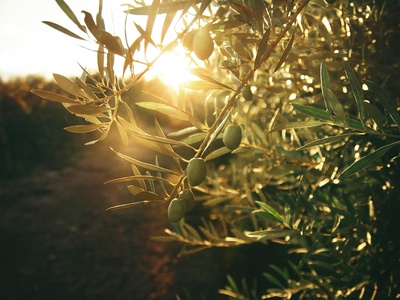
Olivo
Mediterranean fruit tree extensively cultivated in Cuyo provinces for olives and oil. Introduced and long-established, reaching about 10 m. Deep cultural and economic significance; drought-tolerant and central to regional agro-industries.
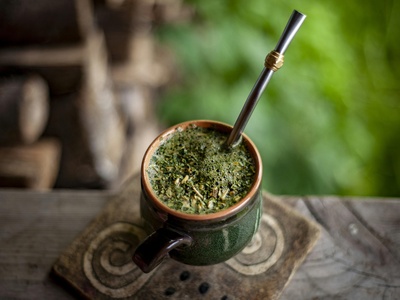
Yerba mate
Shade-tolerant, evergreen tree producing leaves used to brew mate, an iconic Argentine beverage. Native to Mesopotamia rainforests, reaches about 10 m. Cultivated in plantations and wild stands; its management shapes local livelihoods and forest structure.
Mistol
Gnarled, drought-resistant tree of the dry Chaco with small edible fruit used in traditional foods and drinks. Native, reaches around 8 m. Dense wood used for tool handles and fuel; culturally significant in rural diets.
Chañar
Hardy, thorny tree of arid northwestern Argentina producing sweet orange-yellow fruits used for jam, syrup and traditional medicine. Native, about 10 m tall. Valuable for honey production, fodder and soil stabilization in drylands.
Algarrobo dulce
Small to medium native prosopis of arid Monte and Prepuna with sweet pods eaten by humans and animals. Reaches about 10 m. Deep roots help forage, soil stabilization and traditional uses; valued in arid agroecosystems.
Quebracho chaqueño
Heavy, tannin-rich hardwood forming dense stands in the Gran Chaco; deeply furrowed bark and small leaves. Native, up to 25 m. Historically overexploited for tannin and timber; significant ecological and conservation value remains.
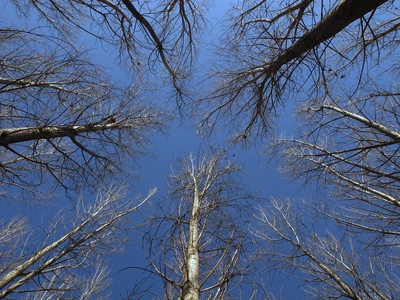
Álamo negro
Introduced poplar species used in windbreaks, timber and quick-growth plantations. Reaches about 25 m with rough bark and triangular leaves. Widely planted and naturalized along waterways, important for short-rotation forestry.
Aroeira
Fast-growing ornamental originally from Brazil producing dense clusters of red berries; widely naturalized and invasive in wet subtropical areas. Reaches about 10 m. Crowds native vegetation but used locally for ornamental and windbreak purposes.
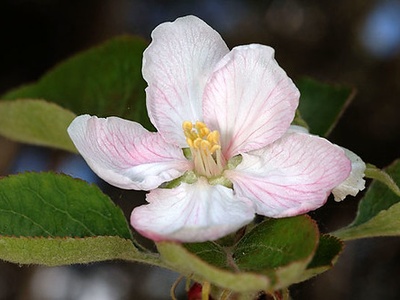
Manzano
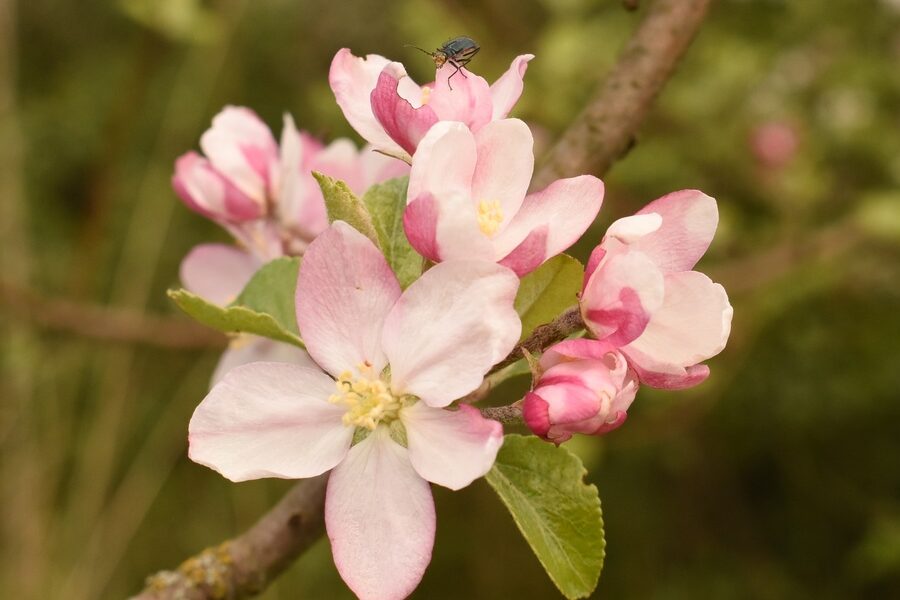
Introduced fruit tree forming compact orchard trees producing apples; cornerstone of Río Negro fruit industry. Grafted and cultivated, typically ~6 m in mature size. Vital for regional economies and agroexport in Patagonia and Cuyo.
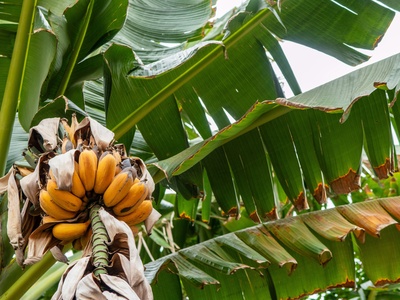
Plátano
Large, tolerant urban plane tree with mottled bark and broad leaves, widely planted along avenues in Argentine cities. Introduced hybrid, reaching about 30 m. Popular for shade and street planting though root and litter issues occur.