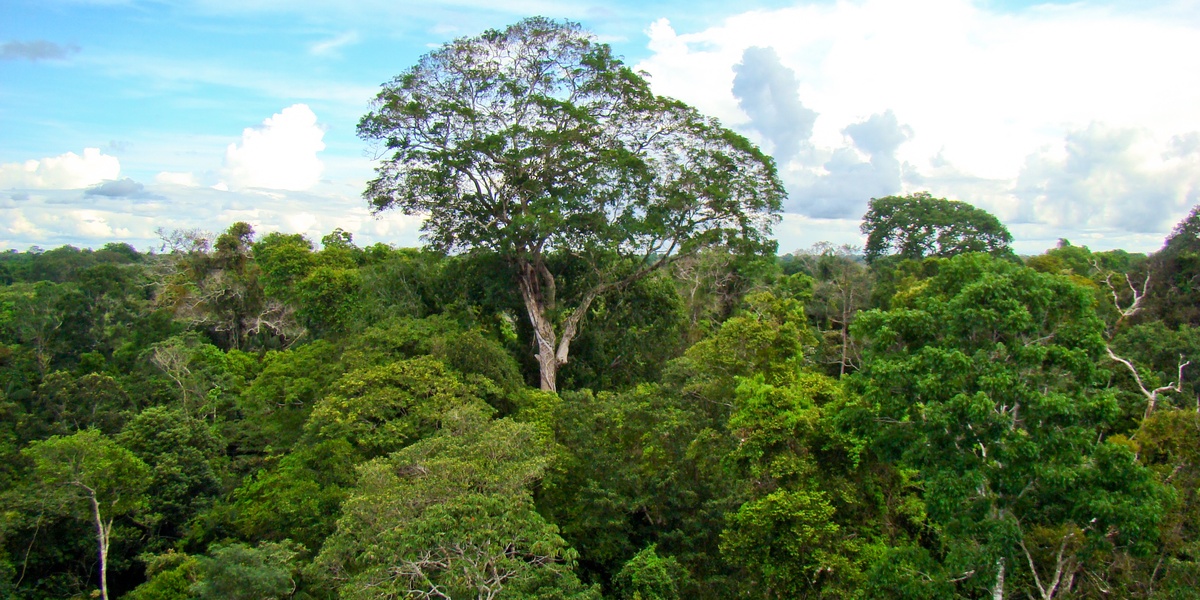
Peru’s landscapes — from humid Amazon lowlands to high Andean slopes and coastal valleys — host a wide range of tree species that underpin ecosystems, local uses, and cultural practices. Spotting patterns in where trees grow and how tall they get helps with travel planning, study, and conservation work.
There are 26 Trees of Peru, ranging from Aguaje (Moriche palm) to Virola. The list is organized with columns Scientific name,Primary region (Peru),Typical height (m) so you can quickly compare habitat and size — you’ll find below.
How are these trees distributed across Peru’s regions?
The primary-region column highlights whether a species is Amazonian, Andean, coastal, or widespread; many species (like Aguaje and Virola) are concentrated in the Amazon lowlands, while others specialize in montane or dry coastal habitats. Use the region field to narrow likely candidates before checking morphology.
Can the Typical height column help me identify a tree in the field?
Yes, Typical height (m) gives a useful size range to pair with region and visible features, but treat heights as approximations—young trees and local conditions change size—so confirm identifications with leaf, fruit, bark traits or a regional field guide.
Trees of Peru
| Common name | Scientific name | Primary region (Peru) | Typical height (m) |
|---|---|---|---|
| Brazil nut | Bertholletia excelsa | Amazon (Loreto,Madre de Dios) | 30-50 |
| Mahogany | Swietenia macrophylla | Amazon | 30-40 |
| Spanish cedar | Cedrela odorata | Amazon,Andes foothills | 20-35 |
| Kapok (Lupuna) | Ceiba pentandra | Amazon,lowlands | 30-60 |
| Tornillo | Cedrelinga cateniformis | Amazon | 40-50 |
| Aguaje (Moriche palm) | Mauritia flexuosa | Amazon floodplains | 15-25 |
| Paxiuba palm | Iriartea deltoidea | Amazon | 20-30 |
| Rubber tree | Hevea brasiliensis | Amazon | 25-35 |
| Balsa | Ochroma pyramidale | Amazon,lowland | 20-30 |
| Capirona | Calycophyllum spruceanum | Amazon | 30-40 |
| Lucuma | Pouteria lucuma | Andes,Coast | 8-12 |
| Queñua (Polylepis tarapacana) | Polylepis tarapacana | High Andes | 3-6 |
| Algarrobo | Prosopis pallida | Coast,Andes dry valleys | 8-15 |
| Andean alder | Alnus acuminata | Andes cloud forests | 10-25 |
| Cinchona | Cinchona officinalis | Andes montane forests | 5-12 |
| Palo santo | Bursera graveolens | Coastal dry forests (Tumbes) | 6-12 |
| Rosewood (Pau-rosa) | Aniba rosaeodora | Amazon | 20-30 |
| Virola | Virola surinamensis | Amazon | 25-35 |
| Shihuahuaco | Dipteryx micrantha | Amazon | 30-45 |
| Cacao | Theobroma cacao | Amazon,lowland | 4-8 |
| Fig (Wild fig) | Ficus insipida | Amazon,lowland | 20-35 |
| Andiroba | Carapa guianensis | Amazon | 30-40 |
| Tonka (Cumaru family) | Dipteryx odorata | Amazon | 20-30 |
| Ipe / Pumacahua | Handroanthus serratifolius | Amazon | 20-30 |
| Cupuaçu | Theobroma grandiflorum | Amazon | 8-15 |
| Cashew | Anacardium occidentale | Amazon,Coast (naturalized) | 6-12 |
Images and Descriptions
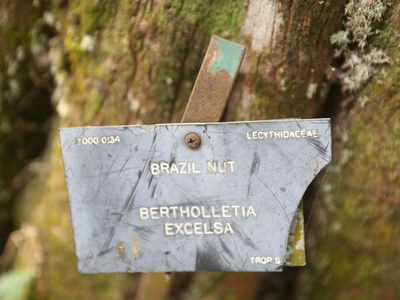
Brazil nut
Massive emergent with buttressed trunk and hard spherical fruits full of edible nuts; common in lowland Amazonian forests. Economically important non-timber product for local communities, supports wildlife; habitat loss and overharvest threaten some stands.

Mahogany
Straight, tall tropical hardwood with pinnate leaves and winged seeds; found in humid Amazon lowlands. High-value timber used for furniture and boats; historical overlogging has reduced populations and spurred conservation and sustainable-management efforts.
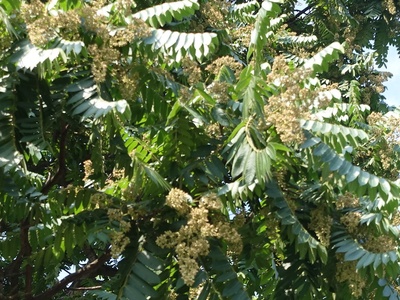
Spanish cedar
Aromatic timber tree with pinnate leaves and reddish wood; occurs in lowland and lower montane forests. Valued for cabinetry and cigar boxes, regenerates poorly after heavy logging; conservation focuses on regeneration and legal trade controls.
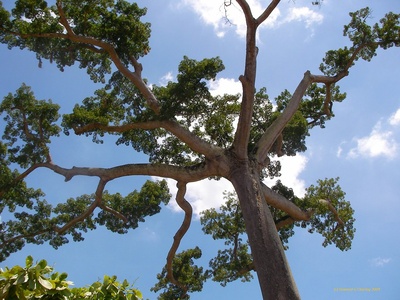
Kapok (Lupuna)
Tall emergent with massive trunk and palmate leaves, famous for silky kapok fibers in seed pods; seen along rivers and forest edges. Culturally significant and used for timber and fiber; large trees are ecologically important but vulnerable to logging.
Tornillo
Gigantic straight-trunked tree with smooth pale bark and compound leaves; common in seasonally flooded Amazon forests. Heavy, durable timber used locally; selective logging and slow regeneration make some populations conservation concerns.
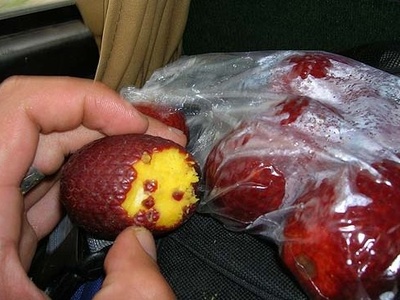
Aguaje (Moriche palm)
Tall fan-palm with clustered trunks, scaly fibrous fruit and swampy habitat preference; abundant in Amazon floodplains. Fruits are harvested for food and cosmetics, palms support biodiversity; unsustainable harvest and drainage threaten local stands.
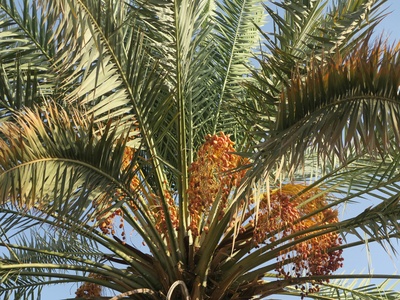
Paxiuba palm
Distinctive stilt-rooted palm with ringed trunk and pinnate leaves; common in terra firme forest. Used locally for construction and tools, seeds and fruits feed wildlife; timber extraction and habitat loss impact populations in some areas.
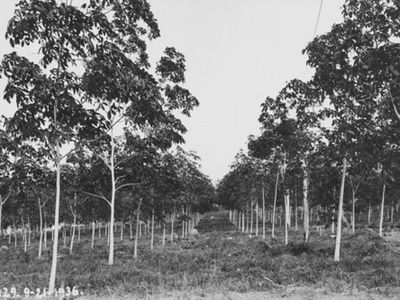
Rubber tree
Cylindrical tree with smooth bark and milky latex tapped for natural rubber; originally wild in Amazonia. Historically central to regional economies, now mostly cultivated; wild relatives and remnant stands are important for genetic diversity.
Balsa
Fast-growing, soft-wood tree with large palmate leaves and showy pale flowers; appears in disturbed lowland forest and river margins. Wood prized for lightweight construction and crafts; sustainable management is key due to high demand.
Capirona
Straight, gray-barked tree with smooth, shedding bark and white flowers; found along Amazonian rivers. Durable timber used in construction and canoe making; riverbank clearance and logging can threaten local populations.
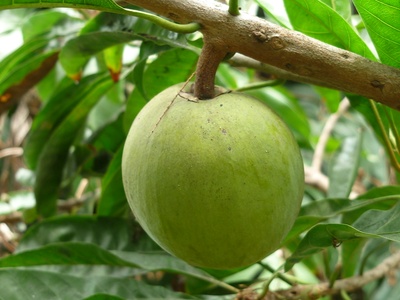
Lucuma
Medium fruit tree with glossy leaves and round orange fruit prized in Peruvian cuisine; common in Andean valleys and drier coastal slopes. Fruit is culturally important and commercially used; habitat loss from agriculture threatens wild stands.
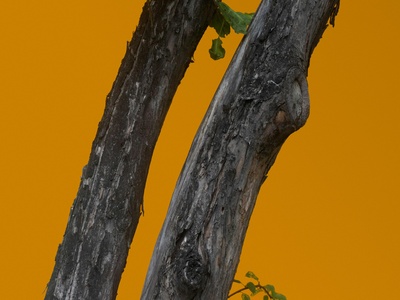
Queñua (Polylepis tarapacana)
Gnarled, multi-stemmed high-elevation tree with papery, corky bark forming isolated woodlands above the treeline. Critical for high-Andean biodiversity and water regulation; highly fragmented and prioritized in restoration and conservation programs.
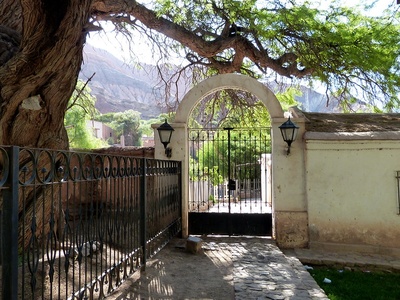
Algarrobo
Spiny, drought-tolerant tree with compound leaves and bean-like pods; common in arid coastal valleys and dry forests. Pods feed livestock and people, wood used for fuel and crafts; overgrazing and land conversion reduce natural stands.
Andean alder
Fast-growing montane tree with serrated leaves and cone-like fruit clusters, often colonizes disturbed slopes. Widely used in agroforestry to fix nitrogen and stabilize soils; local use supports reforestation though some populations face habitat fragmentation.
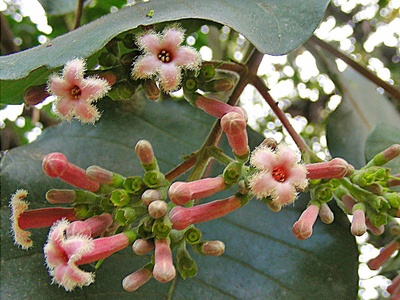
Cinchona
Small to medium tree with rough bark and clusters of white flowers; source of quinine alkaloids historically used against malaria. Found in Andean cloud forests; wild populations were overexploited historically, now conserved and cultivated for research and medicine.

Palo santo
Aromatic deciduous tree with smooth gray bark and resinous wood used for incense and traditional medicine; occurs in seasonally dry forests on the north coast. Overharvesting for scent products has reduced wild populations; sustainable harvesting promoted.
Rosewood (Pau-rosa)
Fragrant hardwood with pinnate leaves and fragrant wood historically distilled for rosewood oil; native to Amazonian lowlands. Heavily logged for its essential oil, now threatened; conservation includes cultivation and trade regulation.
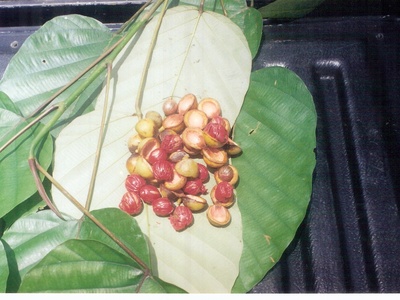
Virola
Large canopy tree with smooth bark and clusters of orange seeds, common along rivers and floodplains. Seeds and arils feed wildlife; some species have traditional uses. Habitat conversion and selective logging affect local populations.
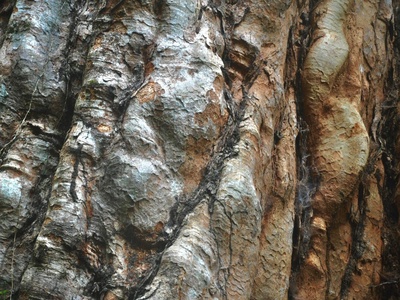
Shihuahuaco
Massive solid hardwood tree with compound leaves and heavy, durable timber; typical of pristine Amazon lowland forests. Valued for construction, but overexploitation has left many populations reduced; protection and sustainable use are conservation priorities.
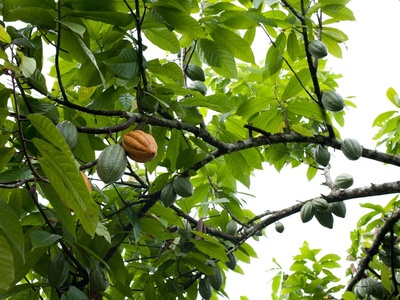
Cacao
Small understory tree with glossy leaves and large pods containing cocoa beans; native to Amazonian regions. Foundation of chocolate production, cultivated and also found wild; genetic diversity in wild stands is important for crop resilience.
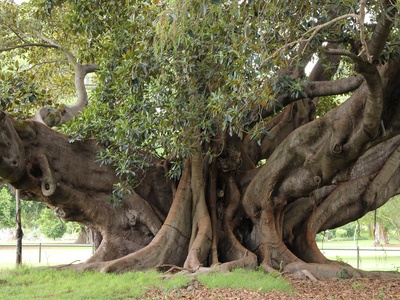
Fig (Wild fig)
Fast-growing strangler or free-standing fig with large buttressed trunk and fleshy syconia eaten by many animals; abundant along rivers and forest edges. Keystone species for wildlife; habitat loss can disrupt frugivore networks.
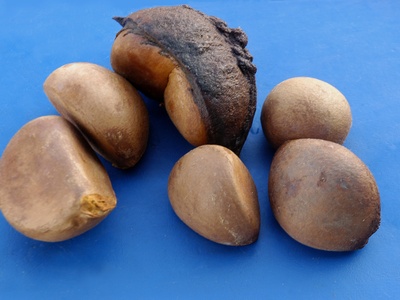
Andiroba
Tall canopy tree with pinnate leaves and woody capsules; seeds yield medicinal oil used locally as insect repellent and traditional remedy. Harvested for oil and timber, sustainable management is encouraged to protect populations.
Tonka (Cumaru family)
Hardwood tree producing fragrant seeds (tonka) and dense timber; occurs in humid Amazon forests. Used for timber and seeds in perfumery/flavoring; overharvesting and logging pressure make conservation important.
Ipe / Pumacahua
Deciduous to semi-deciduous tree with showy tubular yellow flowers and very hard timber; found in seasonally dry to moist lowland forests. Valued for durable wood, but selective logging reduces mature-tree presence.
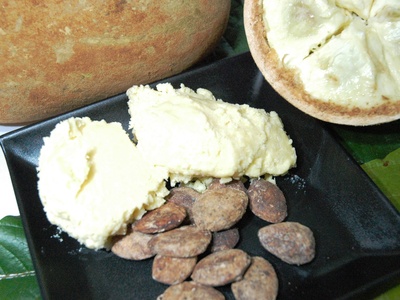
Cupuaçu
Understory tree related to cacao with large oblong fruits and pulpy white pulp used in desserts and cosmetics; native to western Amazon. Important local crop with commercial potential; wild gene pools deserve conservation amid expanding cultivation.
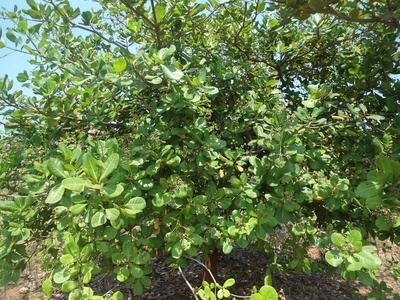
Cashew
Small spreading tree with kidney-shaped fruits and cashew nuts attached; naturalized in dry and disturbed areas of northern Peru. Nuts and fruit are economically important; sustainable harvesting and disease management support local livelihoods.