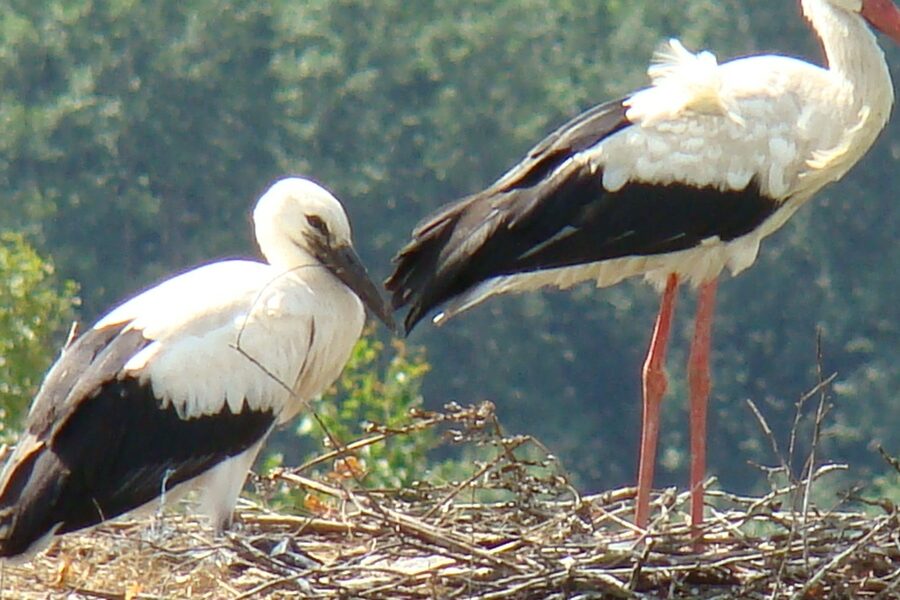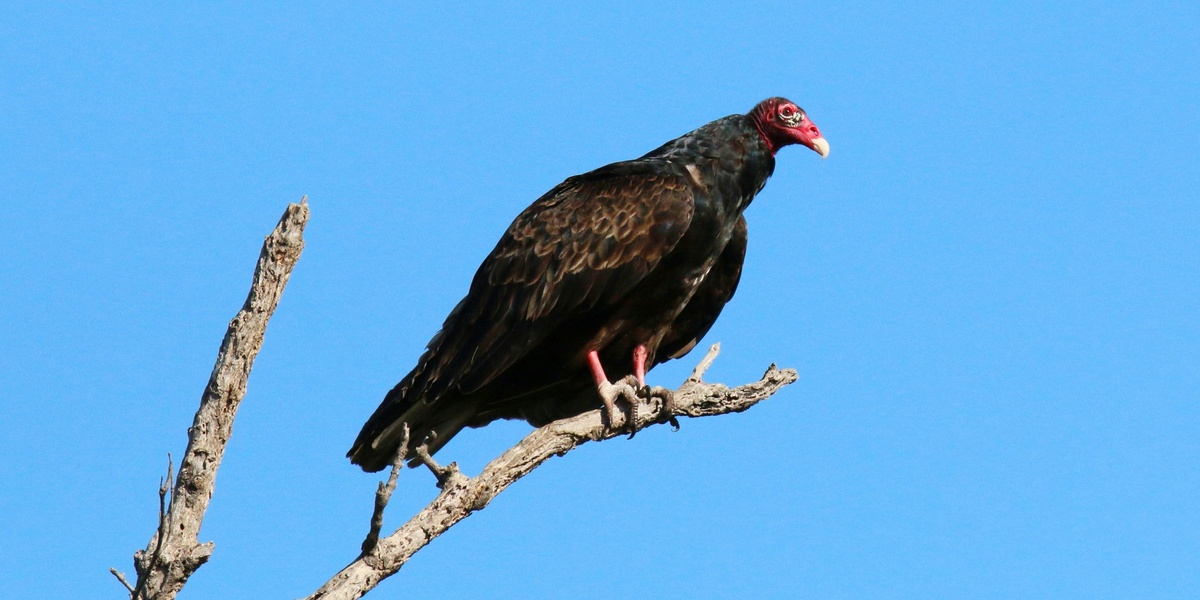
In the 1990s and early 2000s some Gyps vulture species in South Asia crashed by more than 95% over a decade after widespread veterinary use of the drug diclofenac — an ecological collapse that made people suddenly pay attention to scavengers. That decline showed how a single threat can cascade through ecosystems, which is one reason learning to tell birds apart matters: scavengers and raptors provide different services and need different protections. Although both vultures and buzzards are large, soaring birds often seen circling over fields and roads, they differ in anatomy, senses, diet, behavior, taxonomy and conservation status — and those differences matter for identification and for wildlife management. Below are six concrete differences you can use to tell them apart and to understand their roles, grouped into three big categories: appearance and anatomy; feeding and sensory strategy; and taxonomy, range and conservation.
Appearance and anatomy
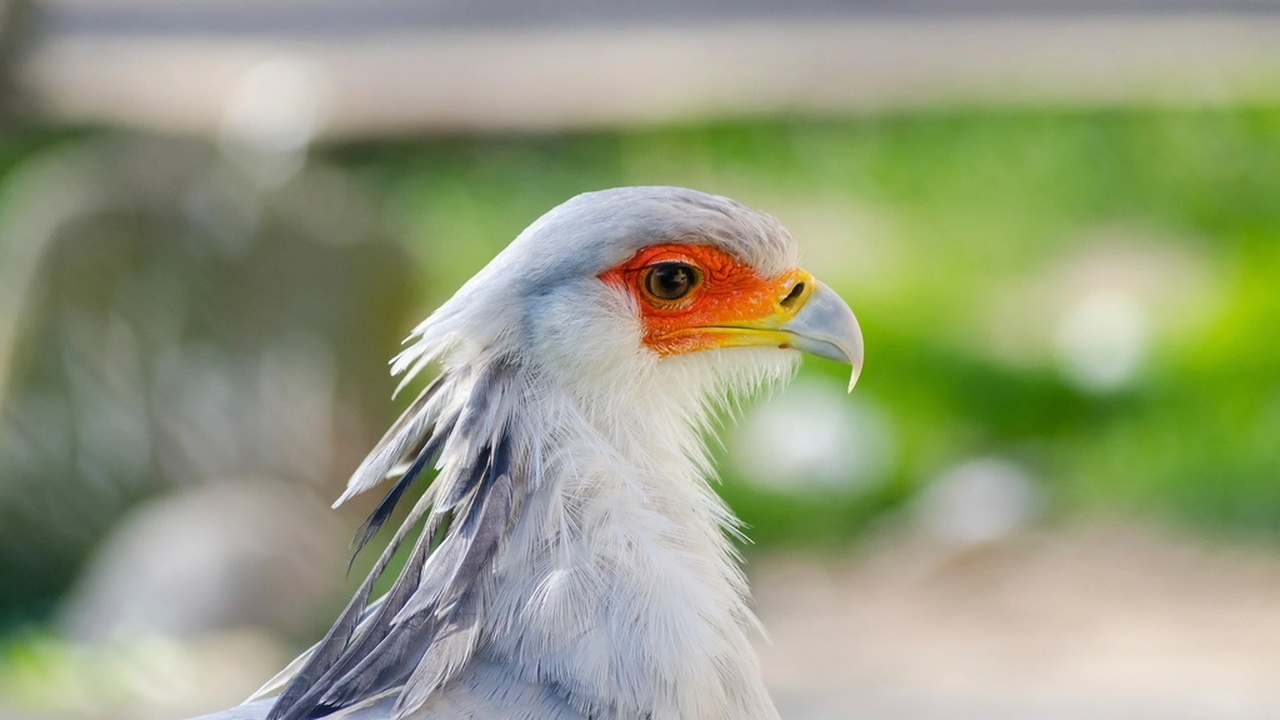
Physical traits are often the quickest way to separate a vulture from a buzzard in the field because form follows function: their bodies reflect whether the bird specializes on carrion or active hunting. Look first at overall silhouette, then head and neck feathering, and finally plumage patterning — those three cues usually give a fast, reliable ID and hint at the bird’s feeding style.
1. Size and silhouette
Vultures tend to be larger and broader-winged than typical buzzards. Many New and Old World vultures have wingspans from roughly 1.5 m up to nearly 3.0 m (Turkey Vulture ~1.6 m; Andean Condor approaching 2.7–3.0 m). By contrast, a representative buzzard like the Common Buzzard (Buteo buteo) has a wingspan around 1.1–1.3 m and a more compact body.
In flight vultures usually show long, broad wings and glide on thermals with shallow wingbeats; they present a steady, effortless silhouette. Buzzards often show chunkier bodies with shorter tails relative to wing length, and they use a mix of flapping and glide or angled, slightly bowed wings when searching for prey. Field cue: note wing posture (flat, broad wings for many vultures versus slightly raised or dihedral wings for some buzzards) and tail length against the sky.
2. Head, neck and feathering
A classic distinction is head feathering: many vultures have bare or sparsely downy heads and necks, while buzzards have fully feathered crowns and throats. The bare skin on a vulture helps keep the head cleaner when probing into carcasses, which is an obvious hygiene adaptation for a scavenger.
Some vultures also show distinctive nostril shapes or wrinkled facial skin (Egyptian Vulture has a pale, bare face), whereas buzzards usually display patterned feathering on the head that helps with age and sex identification. Quick tip: if you can see bare, colored skin on the face or neck, you’re almost certainly looking at a vulture rather than a Buteo-type buzzard.
Feeding behavior and sensory adaptations
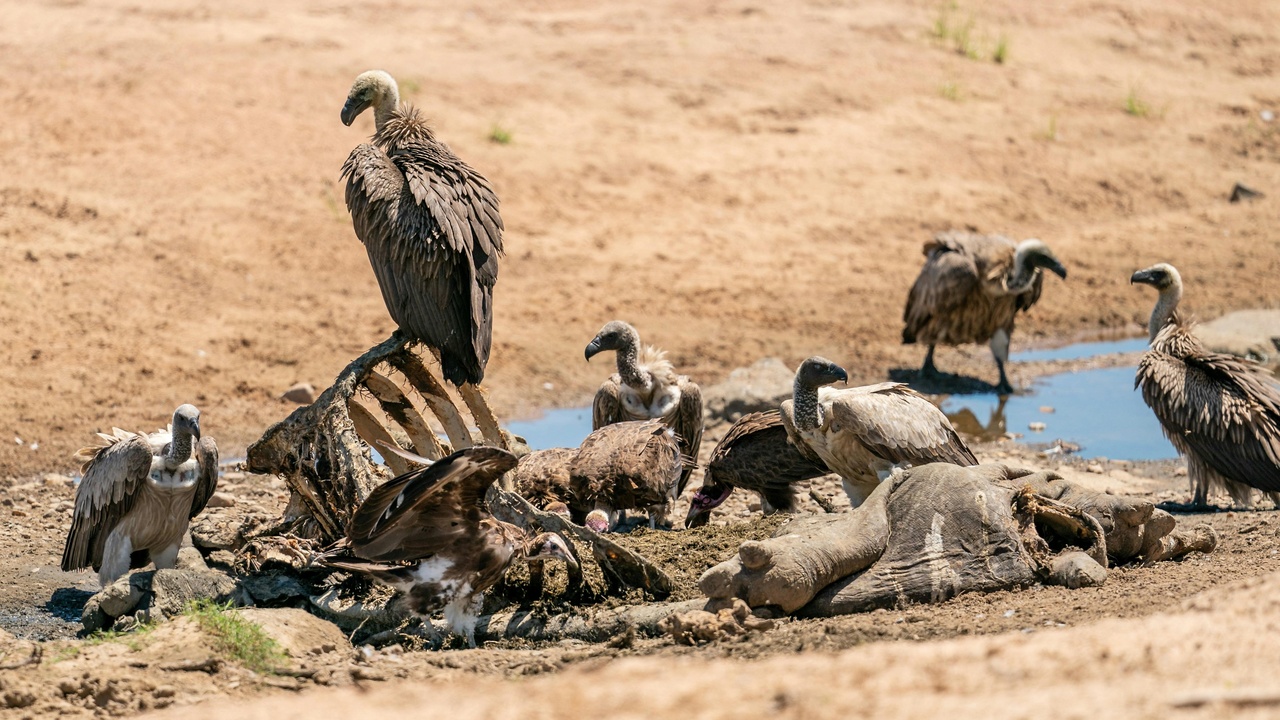
How a bird finds and eats food shapes its behavior and social patterns. Vultures are specialized scavengers (obligate or facultative) that remove carcasses quickly and often feed in groups, while buzzards are primarily predators that hunt live prey but will take carrion opportunistically. Those roles influence sensory anatomy, flight style, and how tolerant individuals are of conspecifics at a feeding site.
3. Diet and ecological role
Vultures specialize in breaking down animal carcasses and are major agents of carcass removal and sanitation. The catastrophic declines in some South Asian Gyps species — losses >95% after diclofenac exposure — demonstrate how dependent ecosystems and human health can be on scavengers. Buzzards, such as Common Buzzards, typically hunt voles, rabbits and small birds across agricultural landscapes, controlling pest populations rather than primarily removing carrion.
For livestock managers and public-health officials, the takeaway is practical: protecting scavengers can speed carcass removal and reduce disease risk, while raptor-friendly habitat supports natural rodent control. Management actions differ depending on whether the local species is a scavenger or active predator.
4. Senses and foraging strategies: smell versus sight
New World vultures (like the Turkey Vulture) have a highly developed sense of smell and can detect volatile compounds from decaying flesh, enabling them to locate buried or forested carcasses. Old World vultures and buzzards rely mainly on excellent vision — scanning from thermals, cliffs or fence-posts and spotting movement from hundreds of meters away.
That sensory split shows up in behavior: Turkey Vultures make low, often wobbling flights and circle close to the ground when scenting food, while a Common Buzzard typically adopts a perch-and-scan routine or performs a rapid stoop to seize prey. Observers can use flight pattern and search height as reliable clues to the bird’s foraging strategy.
Taxonomy, range, and conservation implications
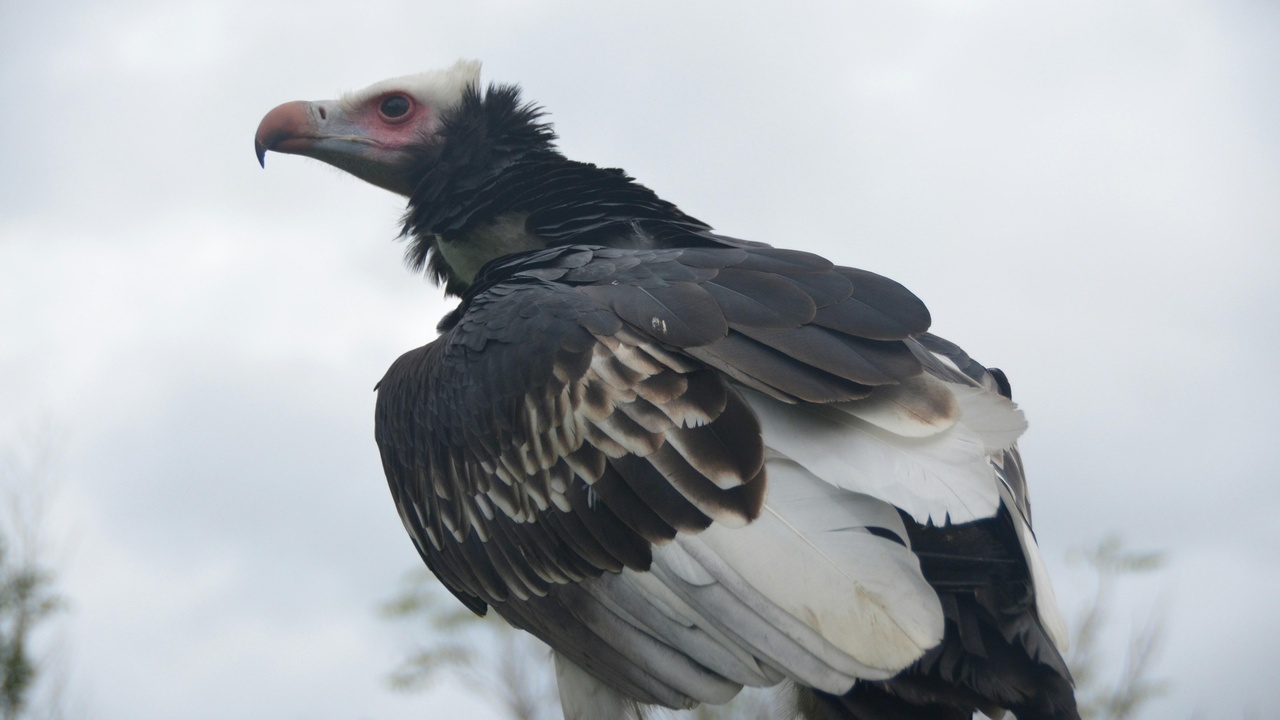
Common names can confuse as much as they help: the phrase “vultures vs buzzards” often sparks debate because regional naming conventions vary. From a taxonomic standpoint, New World vultures sit in Cathartidae, Old World vultures belong to Accipitridae, and true buzzards are Buteo species within Accipitridae. Paying attention to scientific names clears up ambiguity when reporting sightings or planning conservation actions.
5. Taxonomy and regional naming
“Buzzard” is used differently around the world: in Europe it refers to Buteo species (the Common Buzzard, Buteo buteo), whereas in North America people sometimes call vultures “buzzards” informally. There are roughly 30 Buteo species globally and about seven recognized New World vulture species, though exact counts change with taxonomic updates. Use scientific names (for example, Cathartes aura or Buteo buteo) when submitting records to citizen-science platforms to avoid confusion.
6. Conservation status and human interactions
Conservation priorities differ sharply: several vulture species, particularly Gyps vultures in South Asia, are Critically Endangered, while many Buteo buzzards remain Least Concern or Near Threatened thanks to adaptability. Historic threats to vultures have included veterinary drugs (leading to the >95% Gyps declines), intentional poisoning, and habitat loss.
There have been policy and recovery responses — India banned veterinary diclofenac in 2006, and North American programs began captive breeding and reintroduction for the California Condor in the late 20th century. Practical actions readers can take include supporting local vulture conservation groups, reporting accurate sightings with scientific names, and avoiding products or practices that expose scavengers to poisons.
Summary
Vultures and buzzards may look similar at a glance, but six clear differences help with identification and management: size and silhouette, head feathering, plumage pattern, diet and ecological role, sensory strategy, and taxonomic context. Some of the most striking facts are the role vultures play in sanitation and the dramatic >95% declines that focused conservation attention on veterinary drugs and poisoning.
- Appearance: vultures often show bare heads and very broad wings; buzzards are feathered-headed and more compact (e.g., Turkey Vulture vs Common Buzzard).
- Feeding: vultures are specialized scavengers that speed carcass removal; buzzards are primarily hunters that also take carrion.
- Senses and behavior: some New World vultures use smell to find food while buzzards rely on keen vision and perch-or-stoop hunting.
- Taxonomy and naming: “buzzard” is regionally variable; use scientific names like Cathartes aura or Buteo buteo to be precise.
- Conservation: many vulture species face critical threats (policy responses include the 2006 ban on diclofenac in India); supporting local conservation groups helps.
When you report sightings, include the scientific name, date, and location — and consider supporting vulture conservation projects in your region. Small actions, like careful carcass disposal and accurate reporting, make a measurable difference for these important birds.