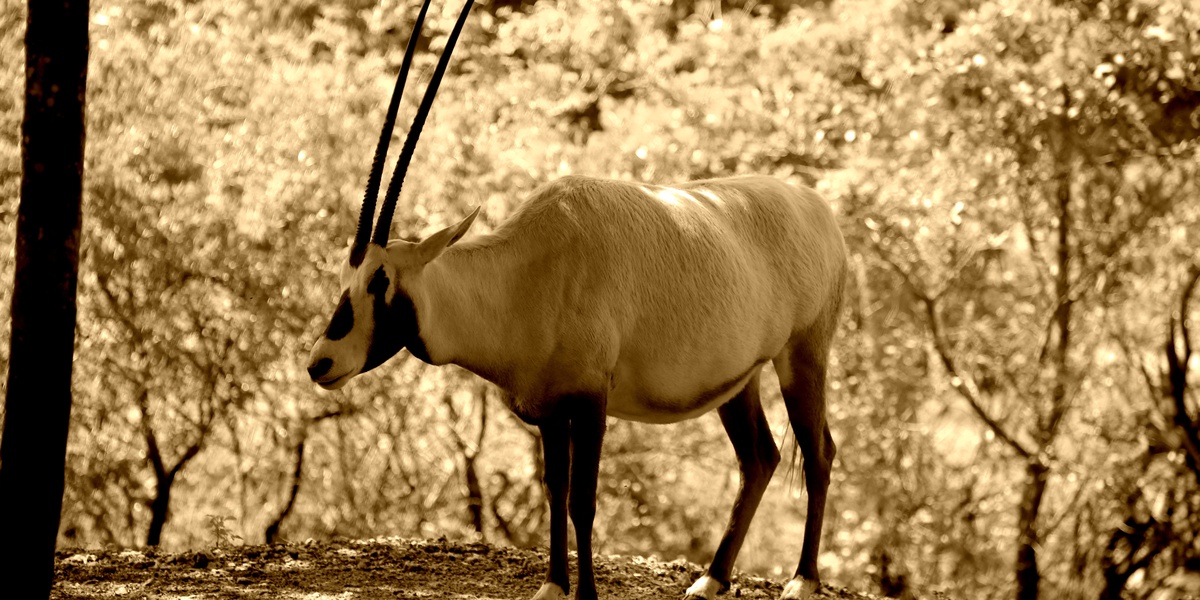
Saudi Arabia’s land and seas support species ranging from the iconic Arabian oryx to elusive leopards and migratory whales—spanning habitats that include the Empty Quarter, Asir highlands, and the Red Sea coast. Despite an arid reputation, the country contains four major habitat categories with striking wildlife and conservation stories that began to receive focused attention from the 1980s onward. Conservation matters here for culture (many species are national symbols), for science (relict populations and endemics offer research opportunities), and for the economy through growing ecotourism and fisheries. This piece highlights 12 standout animals across deserts and steppes, mountains and highlands, reptiles and small fauna, and marine/coastal systems, and explains why protecting them benefits people and nature alike. The wildlife of saudi arabia is more varied than many expect, and several recovery programs already show what’s possible when science, policy, and local communities work together.
Desert and Steppe Species
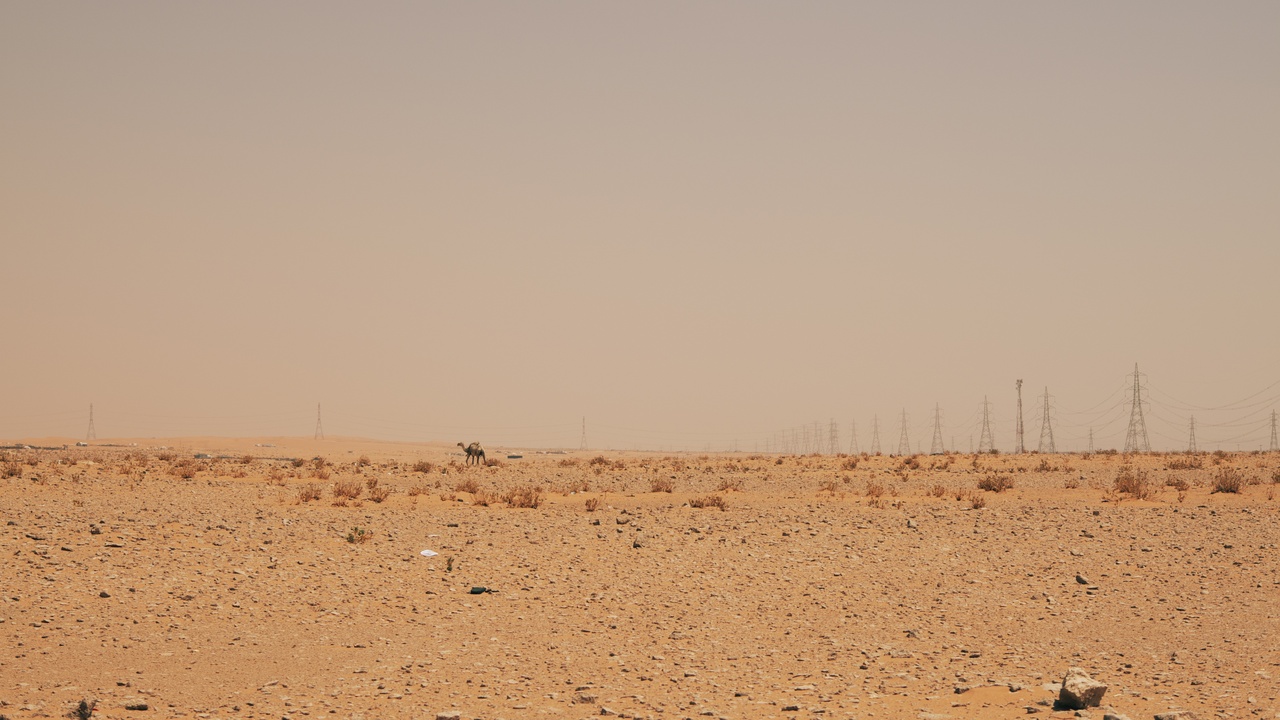
Saudi Arabia’s deserts—from the sand seas of the Rub’ al Khali to stony gravel plains and dry wadis—experience extreme conditions: summer ground temperatures can top 50°C and many regions receive under 100 mm of rain per year. Plants and animals here evolved water-saving physiology, nocturnal or crepuscular activity patterns, and efficient locomotion to cross shifting sands. Threats include overhunting, expanding infrastructure, and climate-driven changes to forage availability, but conservation successes exist: captive-breeding programs, fenced reserves, and reintroductions have returned missing species to parts of their former range. Protected areas such as Mahazat as-Sayd show how managed reintroductions and monitoring can restore populations while also supporting local livelihoods through low-impact tourism and research.
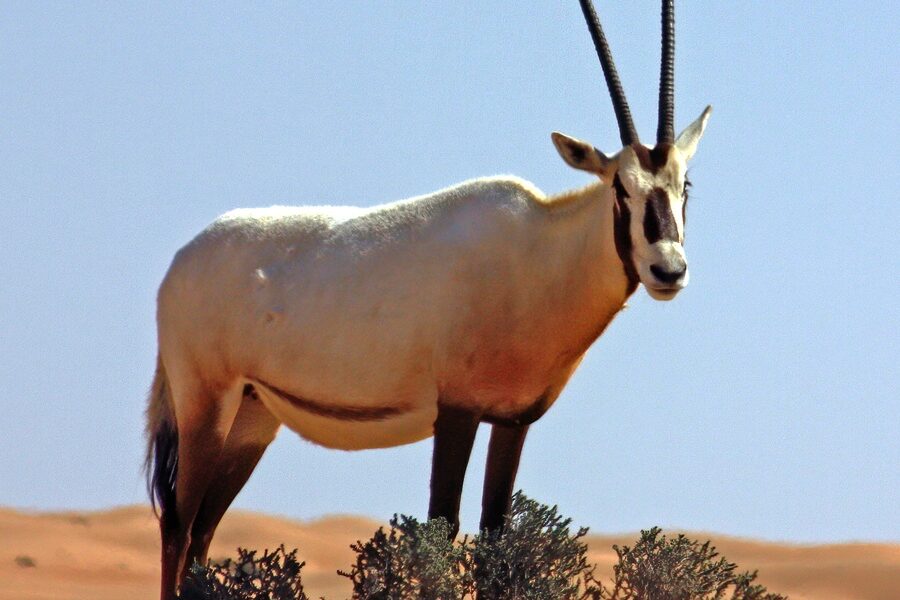
1. Arabian Oryx — Icon of desert recovery
The Arabian oryx is a conservation flagship: declared extinct in the wild by the early 1970s, it was brought back through coordinated captive-breeding and reintroduction efforts beginning in the 1980s. Reintroduction sites such as Mahazat as-Sayd received founder animals and now host growing herds monitored annually. International groups and national agencies (including IUCN listings and Saudi wildlife authorities) document steady recovery in protected zones, with hundreds of animals now living in reserves and managed areas across the Arabian Peninsula. Beyond species recovery, the oryx supports ecotourism, national identity, and lessons in large-mammal management for arid ecosystems.
2. Sand Gazelle (Reem) — Swift desert grazer
The sand gazelle, locally called Reem, is a fleet-footed grazer adapted to sparse vegetation and long-range movements to find seasonal forage. Gazelles can travel tens of kilometres between watering areas and rely on open visibility and speed to escape predators. Hunting, fencing and habitat fragmentation have reduced numbers in many areas, but monitoring in reserves and rangelands—often via aerial or ground surveys—has identified local populations in the low hundreds in protected sites. Protecting gazelles helps maintain rangeland health, benefits pastoral communities through managed grazing, and adds to wildlife-watching opportunities for visitors.
3. Arabian Wolf — Small, adaptable carnivore
The Arabian wolf is a mid-sized predator occurring on desert margins and steppe where it helps control small ungulates and rodents. Packs are typically small—often family groups of fewer than 6 adults—and diets include gazelles, hares, and livestock when wild prey is scarce. Conflict with herders has driven local persecution, so mitigation programs (livestock guardian dogs, night corrals, and compensation schemes) and community-based monitoring are essential. Recent community camera-trap and reporting projects in the 2010s and 2020s have helped map wolf presence and reduce retaliatory killings by linking compensation with rapid response.
Mountains, Highlands, and Endemics
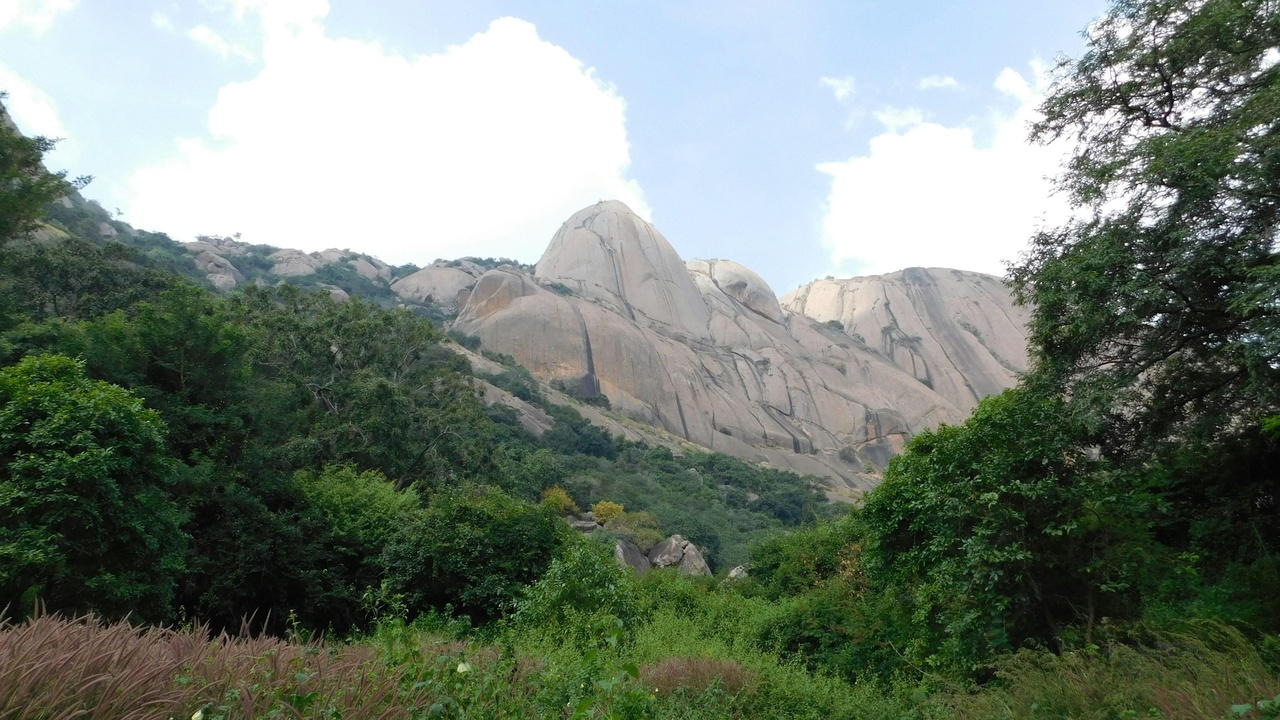
The Asir, Hejaz and Sarat ranges create cooler, wetter microclimates at higher elevations—often above 2,000 meters—that act as refuges for endemic and relict species. Higher rainfall and juniper woodlands in these pockets support birds, mammals and plants absent from lowland deserts. Because suitable habitat is fragmented and small in area, species here are especially vulnerable to development, grazing pressure, and poaching. Protected areas such as Asir Protected Area and reserves around Jabal Sawda are conservation priorities, and several monitoring projects have focused on elevational range limits and remaining habitat measured in single- or low-double-digit square-kilometre patches.
4. Nubian Ibex — Mountain specialist
The Nubian ibex thrives on steep, rocky slopes where agility and cliff refuge keep herds safe from predators. Herd sizes vary by area but commonly number from a dozen to several dozen individuals, and their diet of shrubs and grasses links mountain vegetation to nutrient cycles through grazing. Sightings in the Asir region, including Jabal Sawda, attract nature photographers and hikers, and ibex presence is a useful indicator of intact alpine scrub and water sources. Periodic surveys in the 2000s–2010s have helped park managers plan visitor access to avoid disturbance.
5. Arabian Leopard — Elusive apex in the southwest
The Arabian leopard is critically endangered and represents one of the most urgent conservation challenges in the southwestern highlands. Habitat loss, prey decline, and persecution have left only a handful of confirmed records in recent decades; camera-trap studies in the 2010s documented occasional individuals rather than stable populations. Conservation responses include cross-border cooperation, anti-poaching patrols, camera-trap monitoring, and efforts by organizations such as Panthera and regional wildlife authorities to establish landscape corridors. Protecting even small forested wadis can be decisive for this apex predator.
6. Asir Magpie — A rare regional endemic
The Asir magpie is restricted to juniper woodlands and wooded wadis in a compact area of the Asir highlands, making it a true regional endemic. Its limited range—measured in a few hundred square kilometres—means habitat loss has an outsized impact on population viability. Conservation actions such as habitat protection within Asir Protected Area, nest monitoring, and community engagement have been used to prioritize key groves for protection. The magpie is an effective focal species for restoring montane woodland and involving local schools and volunteers in monitoring.
Reptiles, Amphibians, and Small Fauna
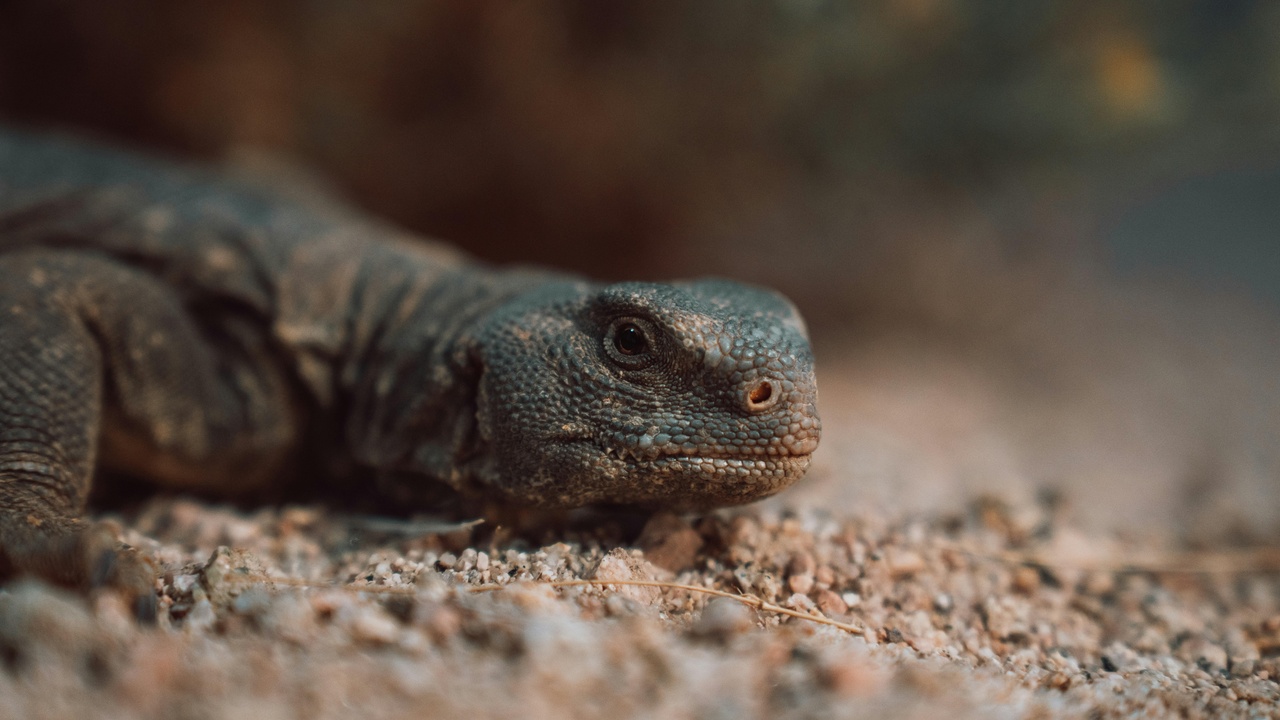
From rock-dwelling agamids to sand-swimming skinks, Saudi Arabia hosts more than 100 recorded reptile species adapted to heat, scarce water, and unstable substrates. Thermal adaptations, burrowing, and specialized limb morphology let these animals thrive where birds and mammals cannot. Small fauna play outsized roles: reptiles disperse seeds, control insect outbreaks, and provide prey for raptors and carnivores. Key threats include collection for the pet trade, road mortality, and habitat degradation. Researchers have documented species’ thermal tolerances and locomotor abilities in field and lab studies since the early 2000s, providing data used for conservation planning and trade regulation.
7. Spiny-tailed Lizard (Uromastyx) — Desert herbivore and pet-trade concern
Uromastyx are primarily herbivorous, consuming leaves and seeds and contributing to nutrient cycling through burrowing and fecal deposition. Adults commonly reach 30–60 cm in total length, and females lay clutches of roughly 6–12 eggs depending on species. Their thermoregulatory behavior—basking by day and sheltering in burrows—helps them tolerate high ground temperatures. Pressure from the international pet trade and local collection has reduced wild numbers in some areas, so captive-breeding programs and stronger trade regulation are practical responses that also support monitoring and education.
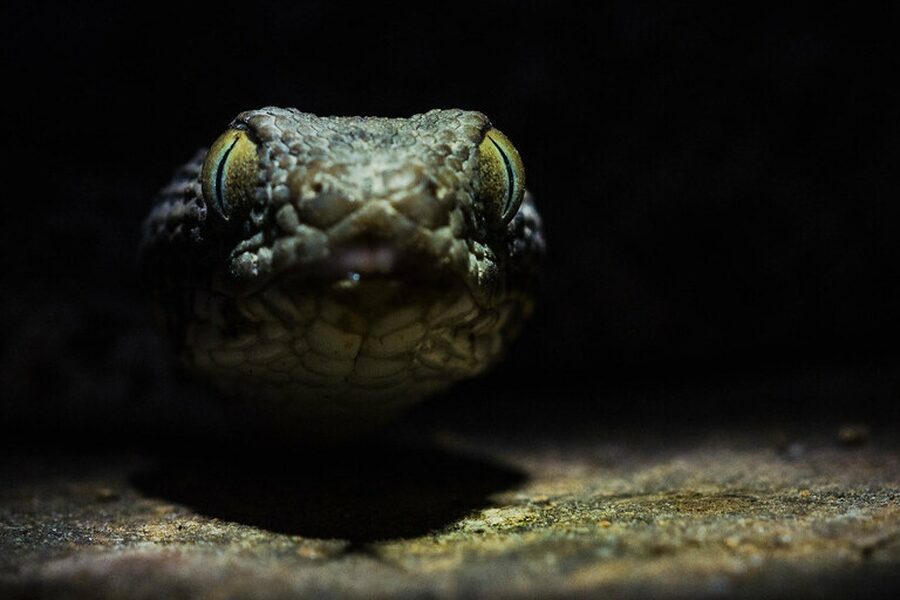
8. Arabian Horned Viper — Masters of sand locomotion
The Arabian horned viper uses sidewinding and exceptional camouflage to hunt small mammals and lizards on shifting dunes. Adults typically measure around 50–80 cm, and their venom is medically significant, which makes local health preparedness important in rural clinics. Seasonal snakebite admissions rise in spring and early summer when people spend more time outdoors; hospitals in desert regions report these seasonal patterns and emphasize rapid access to care. Ecologically, vipers help keep rodent numbers in check, indirectly supporting vegetation recovery in grazed landscapes.
9. Sandfish Skink — The sand-swimming specialist
Sandfish skinks “swim” beneath hot, loose sand using smooth scales and streamlined movements that minimize overheating. These skinks eat invertebrates and help regulate dune arthropod communities. Biomechanics studies in the 2010s measured active subsurface locomotion and found sprint-like burst speeds approaching around 1 m/s in short trials, demonstrating efficient movement that has inspired soft-robotics research. Protecting fine-grained sandy habitats and preventing trampling near dunes supports both the skink and the invertebrate communities it depends on.
Marine and Coastal Wildlife
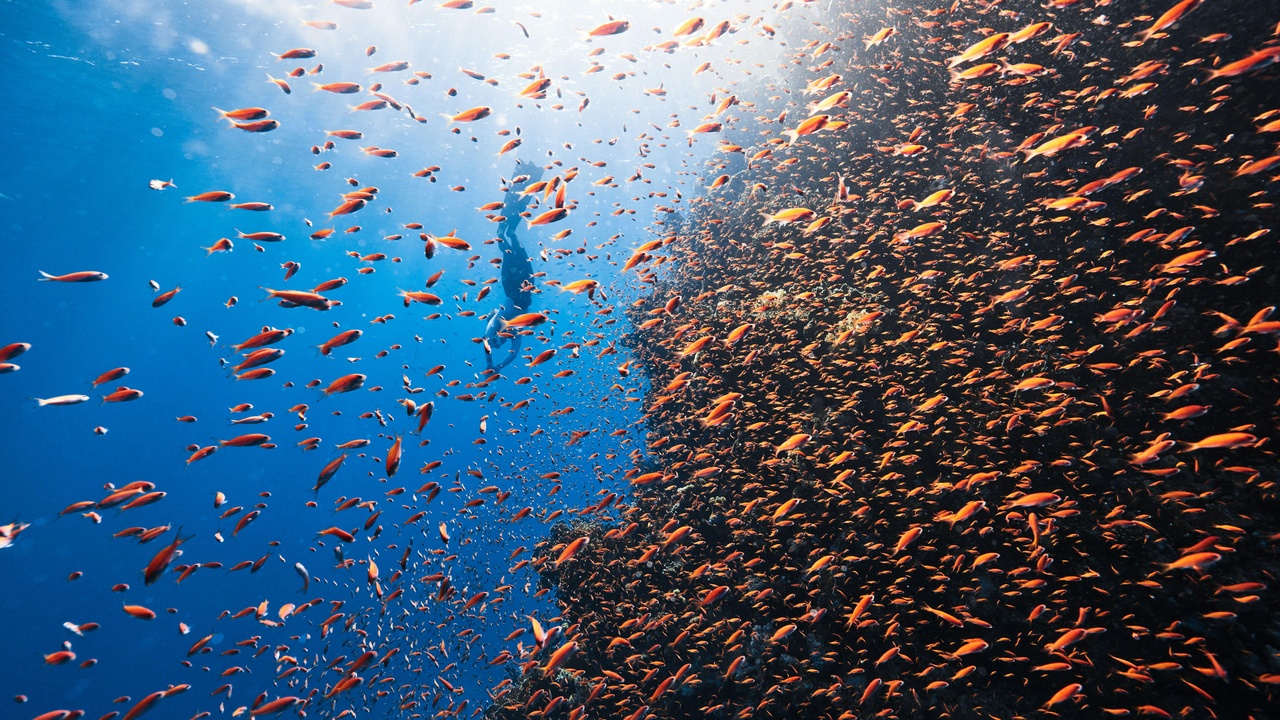
The Red Sea and the Arabian Gulf host coral reefs, seagrass beds and productive coastal lagoons that support turtles, dugongs, sharks and a rich reef fish fauna. Seagrass meadows such as those in the Farasan Banks have been monitored since the 1990s and span several thousand hectares in total, providing critical feeding grounds for dugongs and green turtles. Coastal fisheries and dive tourism depend on reef health, while pressures from overfishing, coastal development and pollution threaten these systems. Conserving reefs and seagrass not only preserves biodiversity but also sustains livelihoods and tourism—making marine protection a practical investment.
10. Green Sea Turtle — Reefs and nesting beaches
Green turtles rely on seagrass beds for adult feeding and on sandy beaches for nesting, with nesting seasons in Saudi waters typically occurring from May through August. Farasan Islands records and local monitoring programs document seasonal nesting activity and hatchling releases, and beach-protection measures—nest patrols, artificial lighting controls, and community-led monitoring—help increase hatchling survival. Bycatch in gillnets and coastal development remain threats, so bycatch reduction and protected beach zones are practical conservation steps supported by recent monitoring efforts.
11. Whale Shark — Gentle giant of the Red Sea
Whale sharks visit the Red Sea seasonally and attract substantial dive-tourism interest. These filter-feeders gather where plankton blooms are dense, and tagging studies (including work in the 2010s) have revealed migrations that can exceed 1,000 km, linking local sightings to wider Indian Ocean movements. Safe-watching protocols, responsible tour guidelines, and cooperation with research groups help protect the animals while sustaining income for dive operators. Known Red Sea aggregation sites draw operators from Jeddah to southern reef systems during peak months.
12. Dugong — Seagrass grazer of coastal lagoons
Dugongs depend on healthy seagrass meadows—such as the Farasan Banks—for food and have slow reproductive rates that make recovery from declines slow. Local population estimates are small and patchy, so managers emphasize reducing boat strikes, protecting shallow meadows from coastal development, and expanding seagrass monitoring programs that began in the 2000s. Restoring seagrass benefits fisheries, stabilizes sediments, and stores carbon, providing measurable co-benefits beyond dugong conservation.
Summary
- Twelve species—from the Arabian oryx (extinct in the wild by the early 1970s, reintroduced from the 1980s) to dugongs and whale sharks—illustrate the ecological breadth across deserts, mountains, small fauna communities, and coastal seas.
- Conservation wins (captive-breeding, reserves such as Mahazat as-Sayd, and long-term monitoring) show practical pathways to recovery, but ongoing threats—habitat loss, hunting, trade, and coastal development—still require focused action.
- Local and national benefits are clear: protected areas sustain tourism and fisheries, scientific studies inform global applications (biomimetics, migration ecology), and community programs reduce conflicts and engage citizens in monitoring.
- Readers can help by supporting protected areas, choosing responsible wildlife tours, and reporting sightings to citizen-science platforms that feed national monitoring efforts (many programs began or expanded in the 1990s–2010s).
Explore more, support local conservation groups, and consider a responsible wildlife trip to see these species and the places that sustain them.