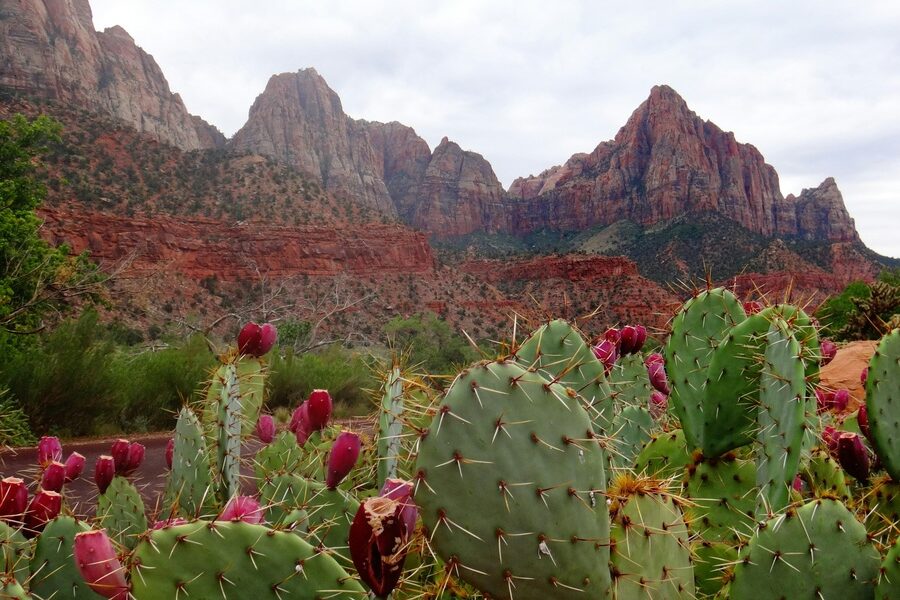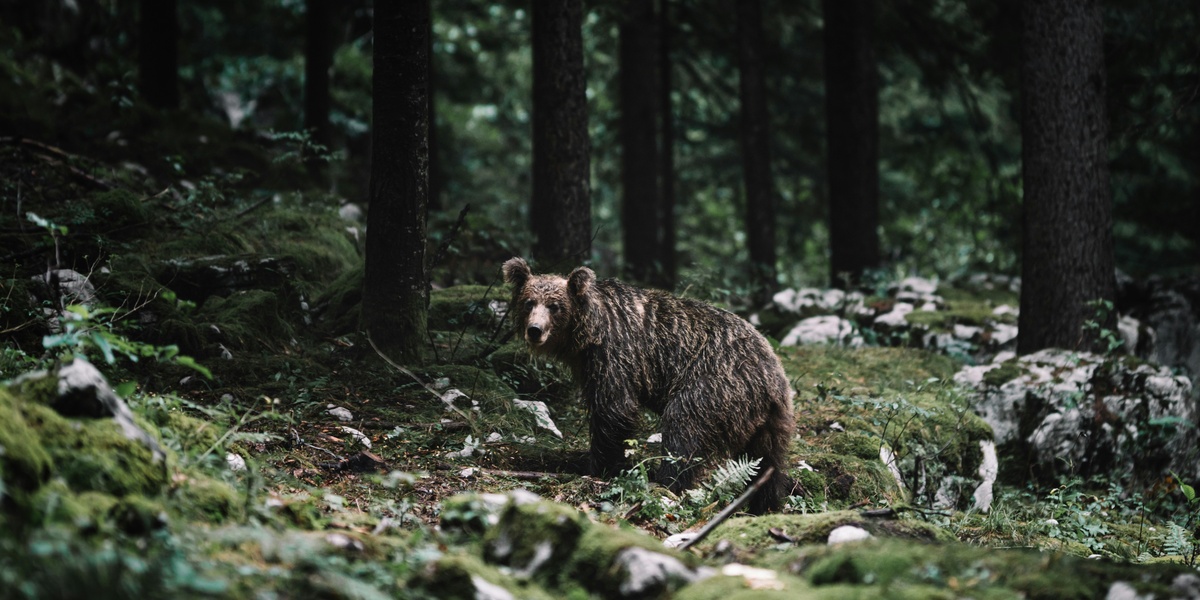
At just 20,273 km², Slovenia packs surprising ecological variety: roughly 58% forest cover, the Julian Alps rising to 2,864 m at Triglav, and a mosaic of karst caves, rivers, and alpine meadows that support unusually rich fauna for such a small country.
With a population of roughly 2.1 million, people and nature live close together here, which makes local conservation, responsible ecotourism, and cross-border biodiversity initiatives especially important.
This piece highlights eight standout species and species-groups that showcase Slovenia’s range of habitats, explaining why each matters ecologically, culturally, and for conservation.
The profiles span large mammals, alpine specialists, cave-dwellers, freshwater species, and insects that underpin both wild ecosystems and human livelihoods; up-to-date counts and statuses are cited where available.
Large Mammals: Forest and Range Specialists
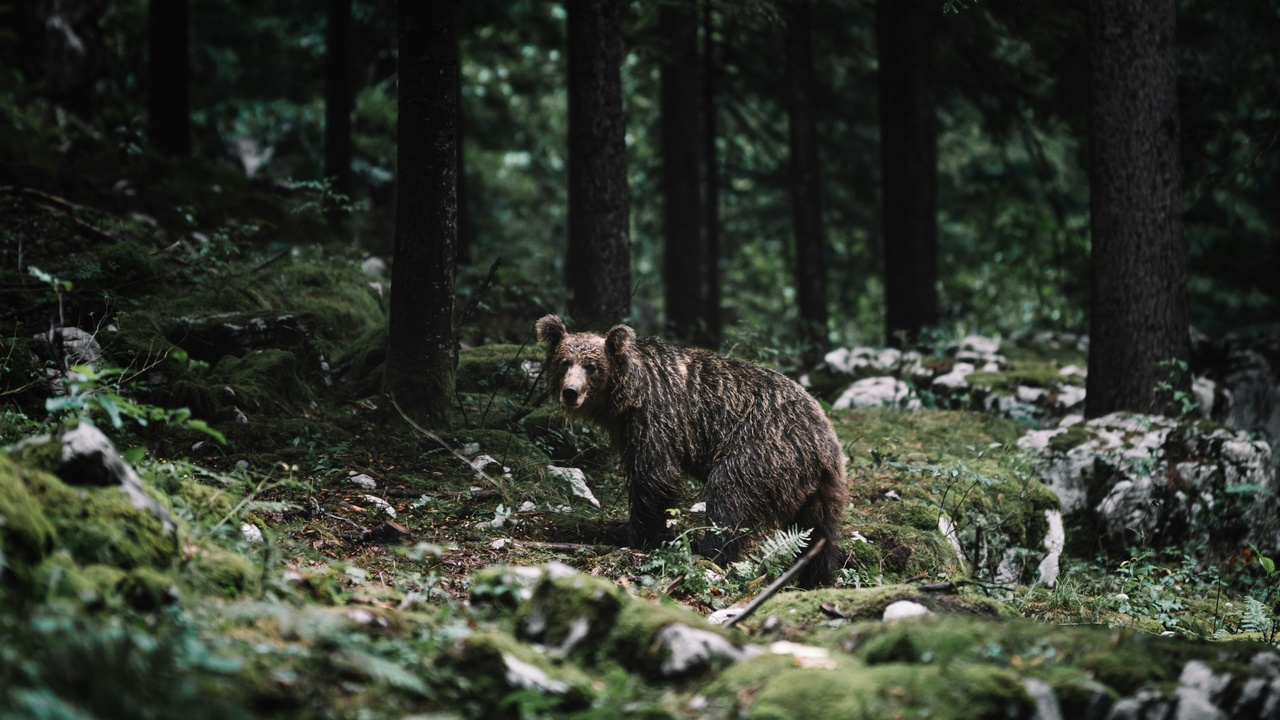
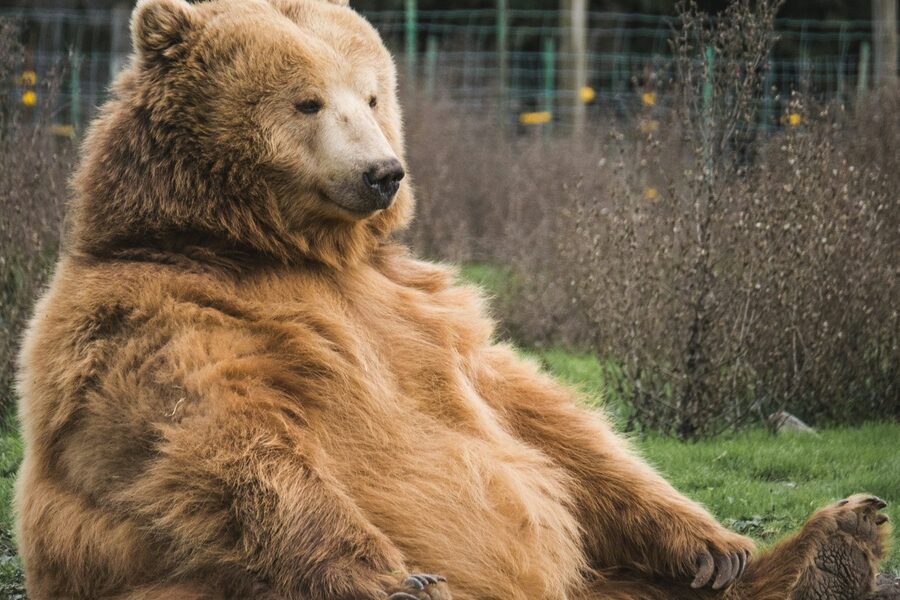
1. Brown bear (Ursus arctos)
Brown bears are an iconic large mammal in Slovenia and a symbol of wild, forested places (Triglav National Park and the Dinaric Alps are core areas).
They need extensive, connected forest habitats for foraging, denning, and genetic exchange; current estimates from Slovenian authorities indicate stable-to-fluctuating numbers in the Dinaric-Pannonian population, so long-term monitoring is run by national agencies and research teams (Slovenian Environment Agency).
Bears play roles as seed dispersers, scavengers, and top omnivores, and they draw wildlife tourists while also generating human-wildlife conflict around livestock and beehives; mitigation measures in Slovenia include electric fencing, shepherd dogs, and compensation schemes modeled on regional programs with Croatia.
2. Eurasian lynx (Lynx lynx)
The Eurasian lynx is a secretive, recovering predator in Slovenia’s forests and an indicator of intact woodland ecosystems.
Its European conservation status varies regionally, and Slovenia participates in monitoring and occasional reintroduction efforts; camera-trap studies and genetic sampling help track individuals and inform cross-border conservation with Austria and Croatia.
Lynx help regulate meso-predator and ungulate dynamics, making them a focal species for researchers and wildlife photographers; successful coexistence depends on connected forest corridors and continued monitoring projects that involve both government and citizen scientists.
3. Gray wolf (Canis lupus)
Wolves have returned to and remain part of Slovenian landscapes, moving across valleys and ranges as part of the broader Dinaric–Balkan population network.
Scientific studies emphasize the importance of movement corridors linking Slovenia to neighboring countries to maintain genetic exchange and population resilience; monitoring increasingly relies on GPS telemetry and verified observations.
Ecologically, wolves help control ungulate numbers, which can reduce vegetation browsing pressure. Socially, coexistence hinges on livestock protection (guard dogs, night enclosures), compensation schemes, and outreach that addresses local attitudes in valleys where wolves are regularly recorded.
Alpine and Mountain Specialists
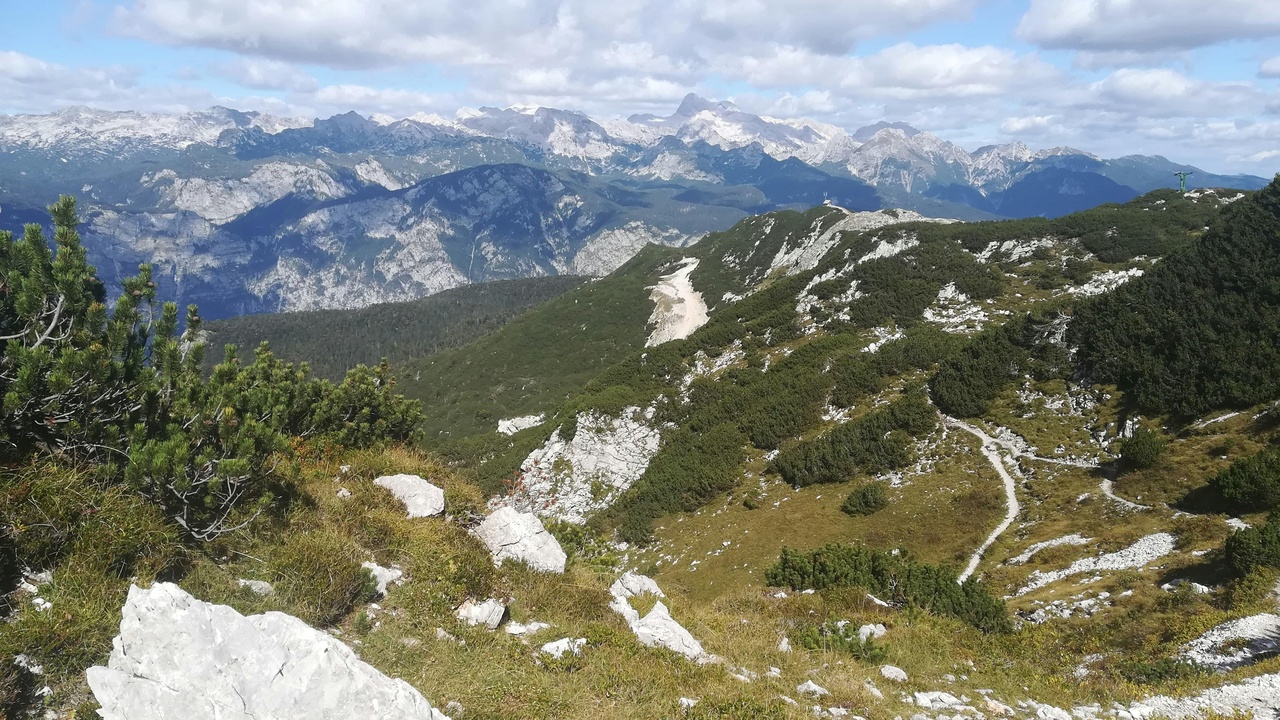
High-elevation niches in the Julian Alps create habitat for species adapted to rocky, cold environments; these specialists are often the first to show range shifts as temperatures warm.
Regional climate studies report rising alpine temperatures and altered snowpack trends in the Alps, which are already shifting species’ elevational ranges and phenology (see peer-reviewed Alpine climate assessments for specifics).
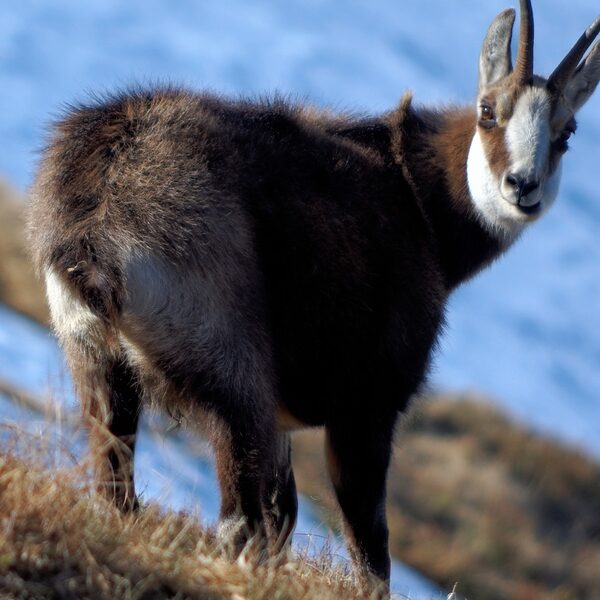
4. Alpine chamois (Rupicapra rupicapra)
The chamois is an agile ungulate of steep alpine meadows and rocky ledges, commonly seen around Triglav and other high ridgelines.
Chamois show seasonal movements between alpine pastures and lower scree or forest edges; population monitoring in Slovenian highlands combines field counts and reports from rangers and hikers to track trends and inform hunting quotas where applicable.
They shape alpine plant communities through browsing and are a favorite for hikers and photographers, especially during the autumn rut when males are more conspicuous; local citizen science initiatives often record sightings along popular trails in Triglav National Park.
5. Wallcreeper (Tichodroma muraria) — the cliff specialist
The wallcreeper is a striking, red-and-grey bird that forages on vertical rock faces and old stone walls, using its long bill and broad wings to glean insects from crevices.
Its distribution in Slovenia is patchy, tied to suitable cliff habitat in the Julian Alps and other rocky areas; birdwatchers prize wallcreeper sightings, and records come from targeted surveys and local ornithological groups.
Protecting cliffs and maintaining insect-rich habitats (including summer alpine meadows) helps this species, and noted vantage spots around the Julian Alps are catalogued by regional birding organizations for seasonal monitoring.
Karst Caves, Rivers, and Invertebrates
Slovenia’s karst geology and clear rivers host specialized, often endemic species that you won’t find elsewhere; cave systems and groundwater are especially important for subterranean biodiversity.
Postojna and Škocjan Caves are famous landmarks (Škocjan is a UNESCO World Heritage site), and protecting catchments and groundwater is vital for both people and subterranean fauna (UNESCO).
6. Olm (Proteus anguinus) — the cave-dwelling salamander
The olm is an emblematic, blind cave salamander endemic to the Dinaric karst and a global symbol of subterranean biodiversity.
Olms display classic troglomorphic traits — reduced eyes, pale skin, and very long lifespans — and their presence signals high-quality, stable groundwater. The IUCN Red List and national monitoring outline threats such as water pollution and groundwater extraction, so conservation hinges on protecting recharge areas and water quality (IUCN).
Postojna and other karst systems host research and controlled cave tourism that raise awareness while emphasizing strict protection measures to limit contamination and disturbance.
7. European otter (Lutra lutra)
The European otter is a charismatic freshwater mammal that signals healthy rivers and connected wetlands.
Otter populations have shown recovery in parts of Europe, and in Slovenia their presence depends on good water quality, riparian cover, and fish stocks; national monitoring programs and citizen-science records document returning populations in rivers that have undergone restoration.
Otters draw public interest and help motivate river-cleanup efforts; examples of documented sightings occur along major rivers where riparian protection and reduced pollution have improved habitat.
8. Carniolan honey bee and notable invertebrates (Apis mellifera carnica)
The Carniolan honey bee is a regionally important pollinator bred in Slovenia and valued by beekeepers worldwide for its gentle behavior and good overwintering capacity.
Beekeeping is both a cultural tradition and an economic activity in Slovenia, with local honey varieties tied to regional flora. Protecting pollinators requires flower-rich habitats, reduced pesticide use, and vigilance against invasive pests.
Actions such as establishing flower strips, supporting sustainable honey producers, and community-led habitat restoration help maintain invertebrate diversity that underpins agriculture and wildflower reproduction.
Summary
Key takeaways condense why this small country supports such varied life and what helps keep it thriving.
- Slovenia’s limited area supports a wide range of habitats—from karst caves to alpine peaks—so conserving diverse sites yields outsized biodiversity benefits.
- Protecting freshwater and groundwater, maintaining forest connectivity and wildlife corridors, and safeguarding pollinator habitats are top conservation priorities (supported by agencies such as Slovenian Environment Agency, IUCN, and UNESCO).
- Practical actions include supporting local conservation groups, choosing responsible ecotourism operators (for example, guided visits to Triglav or cave sites), joining river cleanups, and buying sustainably produced honey.
- Simple, local involvement—reporting sightings to monitoring projects, using bird and mammal survey apps, or backing habitat-restoration efforts—helps track and protect these species, including the wildlife of Slovenia that links nature with culture and livelihoods.