Top 8 Vibrant Wildlife of Trinidad and Tobago
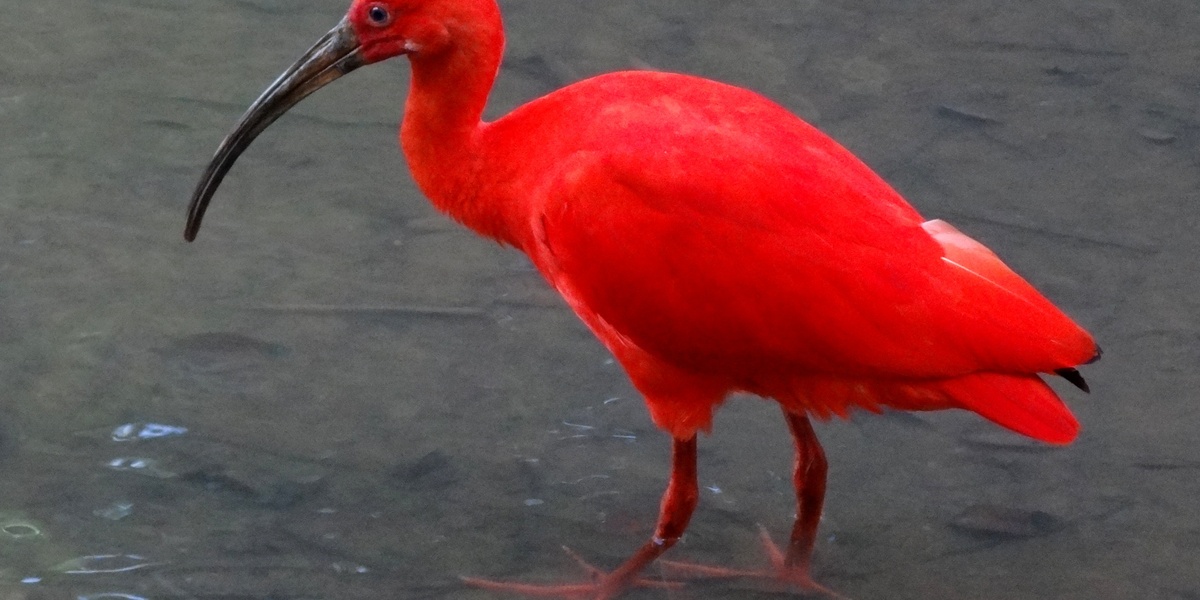
In the 19th century naturalists visiting Trinidad described roosts of crimson ibis that ‘painted the evening sky’—a spectacle that still draws photographers and scientists today.
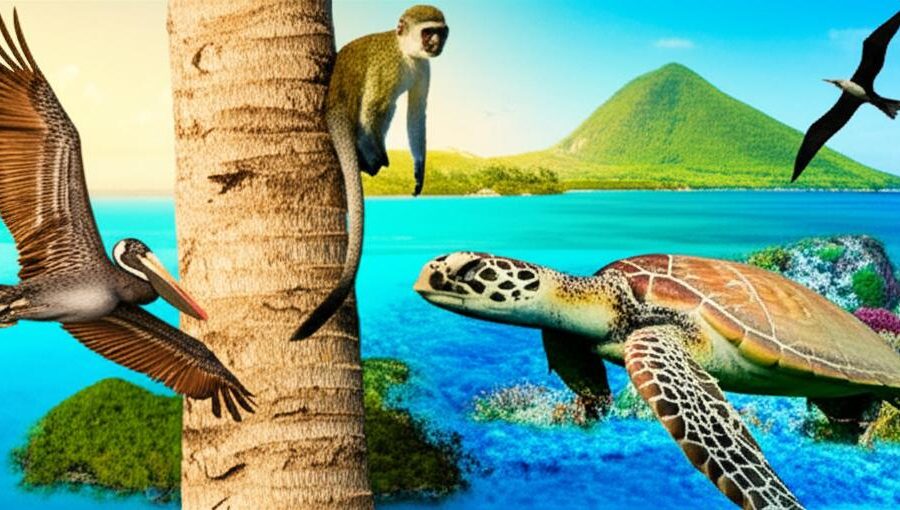
Trinidad and Tobago packs outsized biodiversity into two islands—Trinidad (~4,768 km²) and Tobago (~300 km²)—with a population around 1.4 million. The islands host more than 400 bird species and a surprising array of mammals, amphibians, fish and reef life.
You should care because this wildlife underpins ecotourism, fuels scientific research, and supports local livelihoods. The list below groups eight standout species and groups into Terrestrial Icons; Rainforest Residents; and Coastal and Marine Life.
Terrestrial Icons: Birds and Mammals
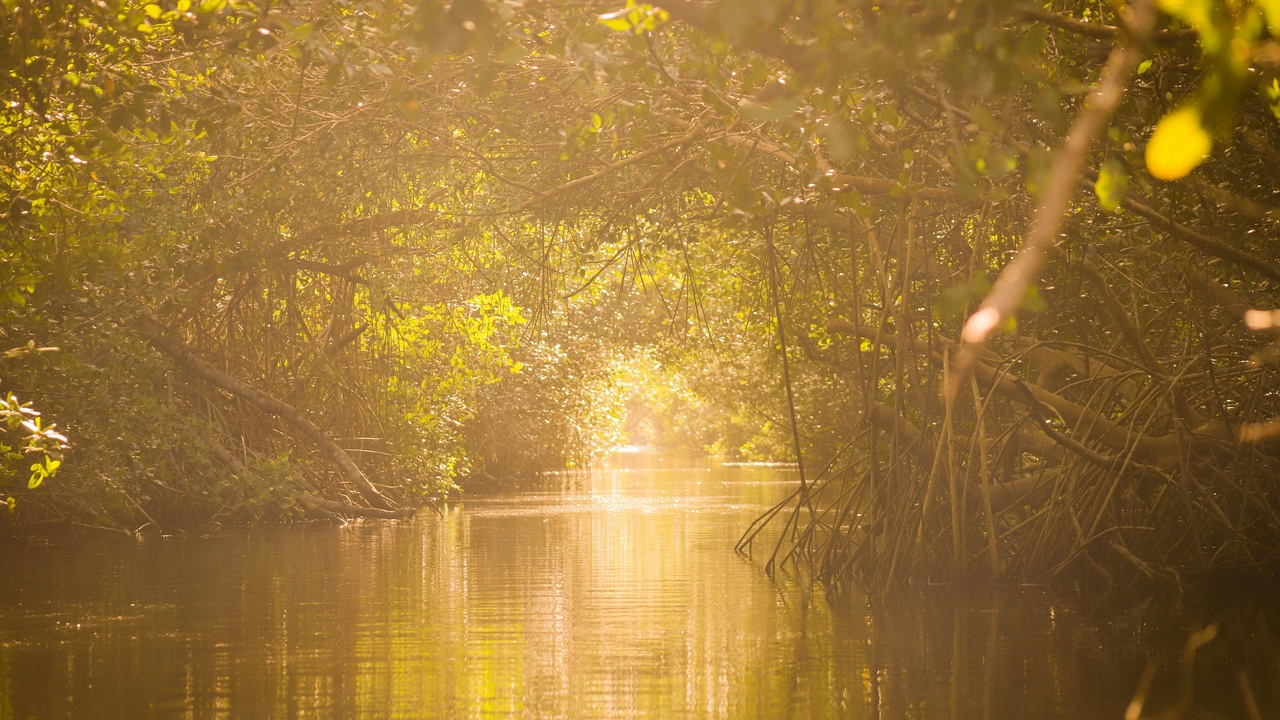
Trinidad’s wetlands and lowland forests host unmistakable, larger-bodied species that are both culturally iconic and crucial for ecosystem function. Caroni Bird Sanctuary is a key site for evening ibis roosts and draws thousands of visitors annually for guided boat tours.
Large birds and mammals help seed forests, shape habitats and drive wildlife tourism. Local guides run regular evening ibis trips and reserve walks that link visitor fees to community and conservation programs.
1. Scarlet Ibis (Eudocimus ruber) — The iconic roosts
The Scarlet Ibis is Trinidad’s most recognizable bird and a national symbol. At Caroni Bird Sanctuary, nightly roosts swell into flocks numbering in the thousands as birds return from feeding grounds.
Boat-safari schedules typically center on dusk; paid tours and local guides bring thousands of visitors annually and provide photographers with prime vantage points. That tourism revenue funds local conservation outreach and guide livelihoods.
Conservation pressures include habitat loss and pollution, but community-based protection programs and guided-tour fees have increased public support for preserving roost sites.
2. Oilbird (Steatornis caripensis) — The nocturnal echolocating fruit-eater
Oilbirds combine a nocturnal, frugivorous diet with primitive click-based echolocation to navigate caves. Trinidadian cave colonies have been studied since the mid-20th century, with research and visits growing in the 1960s–1970s.
Cave tourism is carefully managed; small guided cave tours and restricted access balance visitor interest with colony protection. Researchers study oilbirds for insights into navigation and cave ecology, while cave protection preserves archaeological deposits as well.
Threats include disturbance, guano collection and cave degradation, so monitoring and limited-access programs are crucial for long-term colony health.
3. Red Howler Monkey (Alouatta seniculus) — The forest’s loud neighbor
Red howler monkeys are a common presence in Trinidad’s forests, famous for far-carrying calls that can travel roughly 1 kilometer in quiet conditions. Their loud presence shapes the forest soundscape.
Howlers are important seed dispersers and help maintain forest structure; groups are frequently seen or heard at reserves like Asa Wright Nature Centre. Their status often reflects overall forest integrity.
Threats include hunting in some areas and habitat fragmentation. Protected reserves, monitoring programs and community outreach aim to sustain populations and the tourism they support.
Rainforest Residents: Amphibians, Fish and Insects
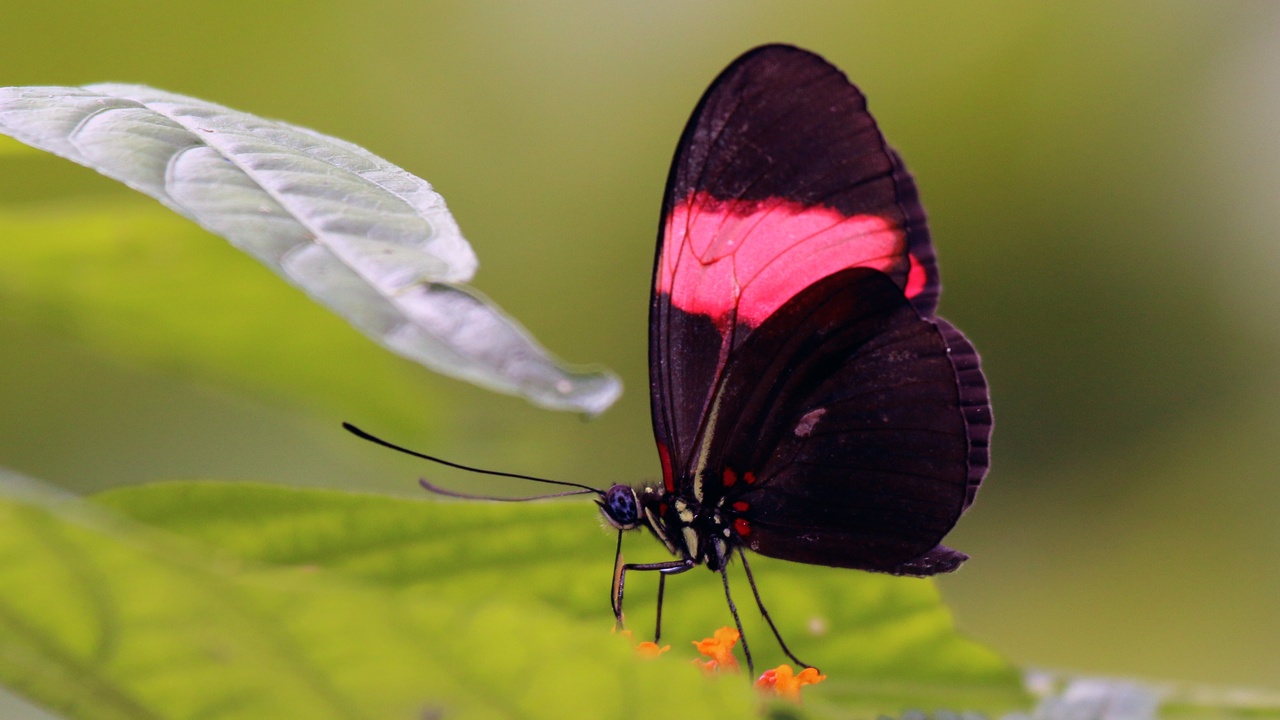
Trinidad functions as a living laboratory for evolution and ecology, especially for small, fast-reproducing species. Butterflies, guppies and frogs provide outsized scientific value for studies of mimicry, adaptation and environmental change.
These small species also drive pollination, nutrient cycling and local natural-history knowledge; reserves such as Asa Wright host long-running transects and monitoring programs.
4. Heliconius Butterflies — Living lessons in mimicry
Heliconius butterflies in Trinidad display striking color patterns used in Müllerian and Batesian mimicry and have been central to studies of natural selection. Genetic and ecological research on Heliconius expanded through the late 20th century.
Species complexes such as Heliconius melpomene illustrate rapid divergence and mimicry shifts. Field studies and transect monitoring at reserves, plus butterfly gardens and interpretive trails, make them accessible to photographers and students.
The butterflies also support pollination networks for certain rainforest plants, linking research value to ecological function and visitor education.
5. Trinidadian Guppy (Poecilia reticulata) — A model for evolution in action
Guppies from Trinidadian streams have been used since the 1970s to study natural selection, mate choice and predator–prey dynamics. Field and lab work intensified in the 1970s–1980s and continues to inform evolutionary theory.
Researchers use upstream versus downstream population comparisons and selection experiments to show rapid adaptation to local conditions. Those findings inform conservation genetics and behavior studies worldwide.
Local rivers that host guppy populations remain important for university projects and for connecting scientific insight to on-the-ground conservation.
6. Poison Dart Frogs and Other Amphibians — Tiny but ecologically vital
Trinidad hosts several small frog species, including poison-dart frogs, that act as insect predators and bioindicators of habitat health. Global amphibian declines make these species early-warning signals for environmental change.
Citizen-science frog-call surveys and educational night walks at reserves help track populations. Academic interest in amphibian skin compounds also exists, though that research remains specialized and carefully regulated.
Conservation efforts focus on habitat protection and chytrid fungus surveillance, with local monitoring programs and reserve-based education helping to detect declines early.
Coastal and Marine Life: Turtles, Reefs and Fisheries
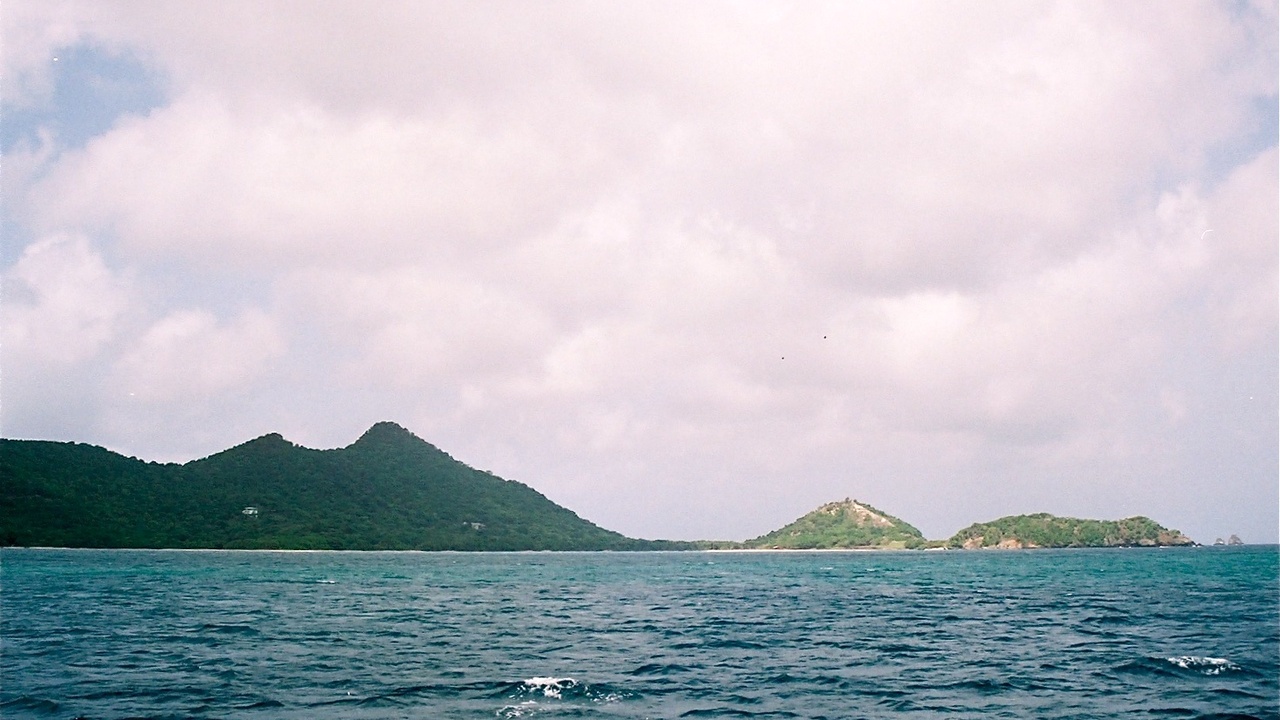
Trinidad and Tobago’s coastlines and shallow seas support critical marine species, notably nesting sea turtles and coral reef communities. Those habitats underpin fisheries and dive tourism while facing pressure from development and climate change.
Protecting beaches, mangroves and reefs has clear economic value: healthy coasts keep fisheries productive and attract divers and nature tourists to Tobago and Trinidad alike.
7. Leatherback Sea Turtle (Dermochelys coriacea) — Ancient mariners and crucial nesters
Trinidad is one of the Caribbean’s most important leatherback nesting grounds. Nesting season runs roughly from March to August, and peak years have produced thousands of nests on key beaches.
Community patrols, volunteer beach watches and conservation NGOs have monitored nesting beaches for decades. Night-time nest watches and guided patrols are major ecotourism draws and provide data for global leatherback management.
Threats include bycatch, coastal development and plastic pollution, but community-based protection programs have reduced predation and poaching at many sites.
8. Coral Reefs and Reef Fishes — Biodiversity that supports fisheries and dives
Tobago’s reefs and coastal habitats host colorful reef fishes and corals that sustain local fisheries and dive tourism. Reef-dependent catches supply local markets, and dive tourism contributes noticeably to visitor spending in Tobago.
Reef-monitoring programs report periodic bleaching events in the 2000s and 2010s, prompting reef restoration projects and community marine protected areas. Local initiatives combine restoration, education and sustainable-fishing measures.
Conservation pressures include warming seas, pollution and anchor damage, but ongoing monitoring and community efforts offer pathways to recovery and more resilient reef systems.
Summary
Key takeaways from Trinidad and Tobago’s wildlife highlight both wonder and responsibility.
- These small islands support disproportionate biodiversity across terrestrial and marine habitats—Trinidad and Tobago’s wildlife draws researchers and tourists alike.
- Featured species deliver scientific, cultural and economic value: everything from guppy evolution studies to leatherback nesting and nightly scarlet ibis spectacles.
- Many conservation wins are community-led: beach patrols, guided reserve fees and local guide programs fund protection and monitoring.
- Practical actions readers can take include supporting Trinidad and Tobago-based conservation NGOs, choosing certified low-impact wildlife tours, and contributing to citizen-science monitoring programs.