In 1927 biologists established the Repetek Desert Research Station to study Karakum life. That early effort helped map species that survive brutal heat and shifting dunes.
Turkmenistan covers about 488,100 km², and the Karakum Desert occupies roughly 70% of that area — about 350,000 km². Those numbers help explain why desert specialists dominate national biodiversity.
The wildlife of turkmenistan is more varied than most people expect. Mountain pockets, river corridors and the Caspian coast all host distinct communities.
You should care because these animals matter ecologically and culturally. Falconry, pastoralism and local livelihoods tie people to animals across the landscape.
This piece profiles 10 remarkable species across four themes: desert specialists; mountains and riparian wildlife; birds and migrants; and marine and wide-ranging mammals. Expect natural-history notes, threats, and real conservation examples.
Desert Specialists of the Karakum
The Karakum shapes Turkmenistan’s ecology. Roughly 70% of the country is this sand-and-sparse-steppe mosaic, forcing species to evolve toughness.
Repetek (est. 1927) remains a research and conservation hub for desert fauna. Protected pockets and reserves help species persist amid grazing and development.
Desert animals cope with extreme heat, scarce water and shifting dunes. Many show striking physiological and behavioral adaptations — from nocturnal habits to efficient water use.
1. Kulan (Asiatic wild ass)
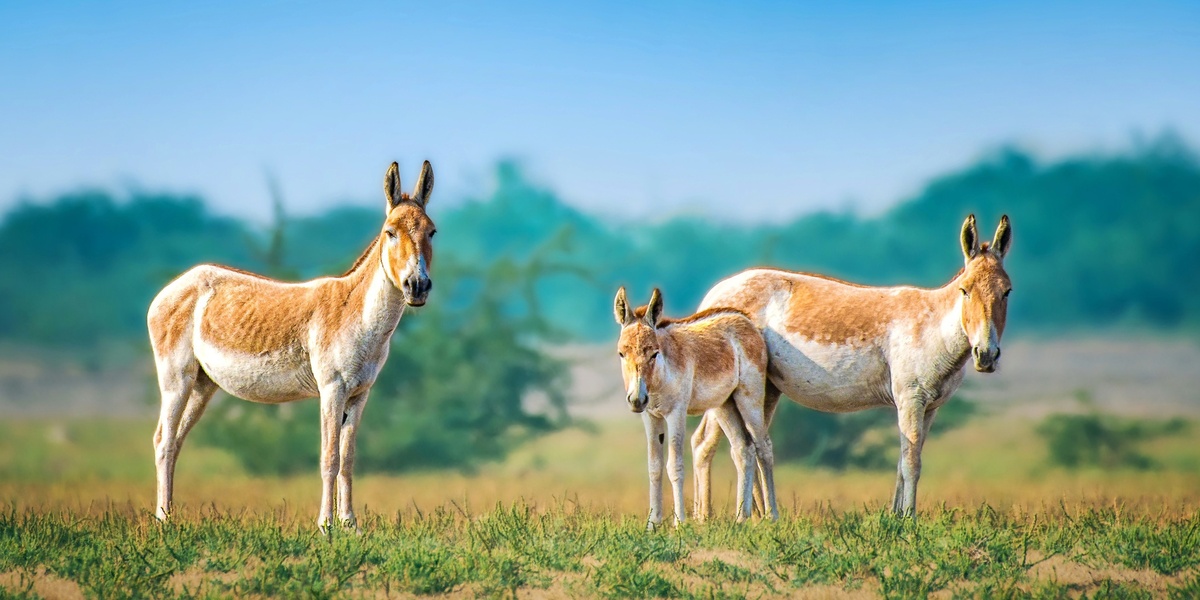
The kulan is the iconic Asiatic wild ass of Central Asian steppes and deserts. It’s a fast, nomadic grazer built for long runs across open ground.
In Turkmenistan, kulans appear in Karakum steppe pockets and on plateaus like Gaplaňgyr and Ustyurt margins. Herds often number from a few dozen to over a hundred in good seasons.
Adaptations include high endurance, efficient digestion of coarse shrubs, and movement patterns timed to forage availability. Their presence signals functional grassland and steppe systems.
Conservation work includes monitoring and localized reintroductions. Field teams use camera traps and aerial surveys to track herds. Ecotourism around sightings also supports local incomes.
2. Goitered Gazelle
The goitered gazelle is a swift, desert-adapted grazer common across lowland deserts and semi-desert steppe. It travels seasonally to follow sparse vegetation.
Typical groups range from small family units to mixed herds of several dozen. They can cover long distances when resources are scarce and use open terrain to spot predators.
Gazelles are important prey for wolves and a key part of pastoral landscapes. Pastoralists know their movements well and sometimes coexist by avoiding core grazing areas during calving.
Threats include poaching, fencing and habitat fragmentation. Protected areas and on-the-ground anti-poaching patrols help maintain local populations, with occasional transboundary coordination.
3. Bactrian Camel (two-humped camel)
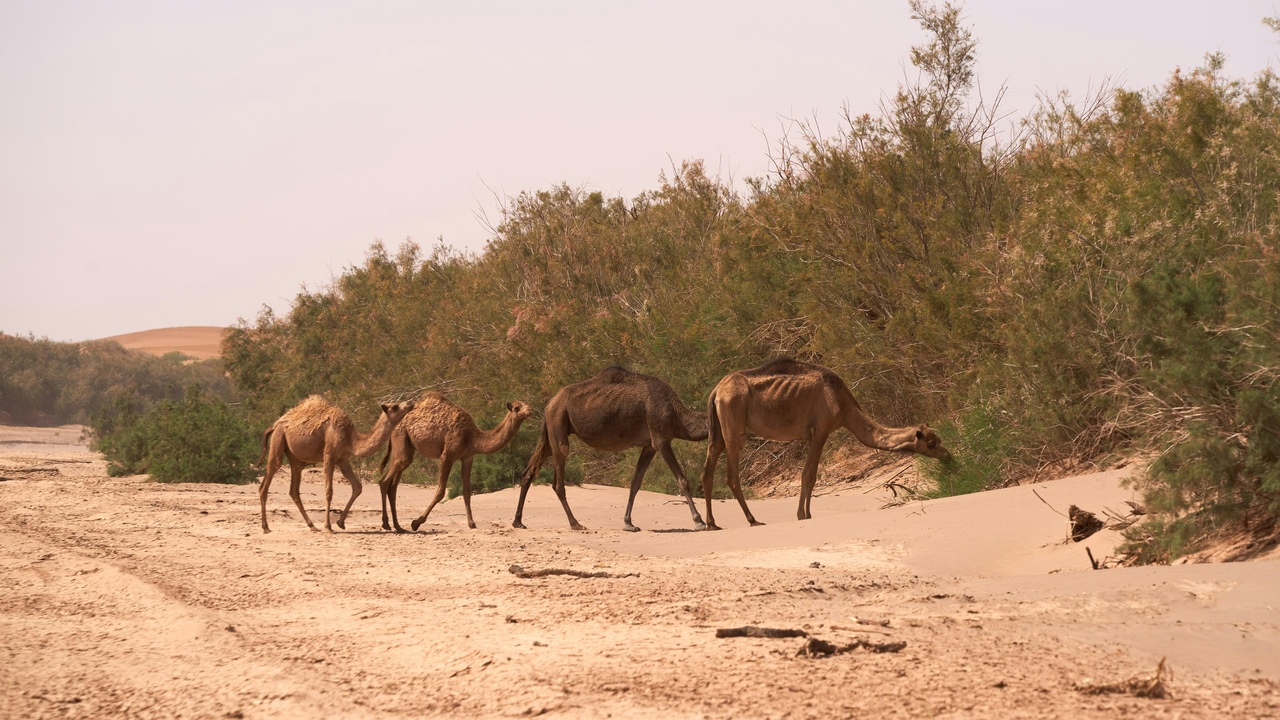
The Bactrian camel is a classic Central Asian desert survivor, adapted to wide temperature swings and sparse water. It stores fat in humps and grows a thick winter coat.
True wild Bactrian camels (Camelus ferus) are very rare globally and largely absent in Turkmenistan. Domesticated and feral two-humped camels remain common in rural life and markets.
Camels serve as transport, livelihood assets and cultural icons for nomadic and semi-nomadic communities. Hybridization with domestic stocks and changing land use are conservation concerns for wild relatives.
Mountains and Riparian Wildlife of the Kopet Dag and Rivers

The Kopet Dag foothills and river corridors are biodiversity islands amid desert. Elevation, shade and water create habitats rare in surrounding sands.
Several large mammals survive only in these refuges. Cross-border linkages with Iran and Uzbekistan are vital for genetic exchange and long-term survival.
Riparian strips — narrow riverine forests and reedbeds — sustain specialist species and migrate-dependent birds. Protecting these ribbons of green is a conservation priority.
4. Persian Leopard
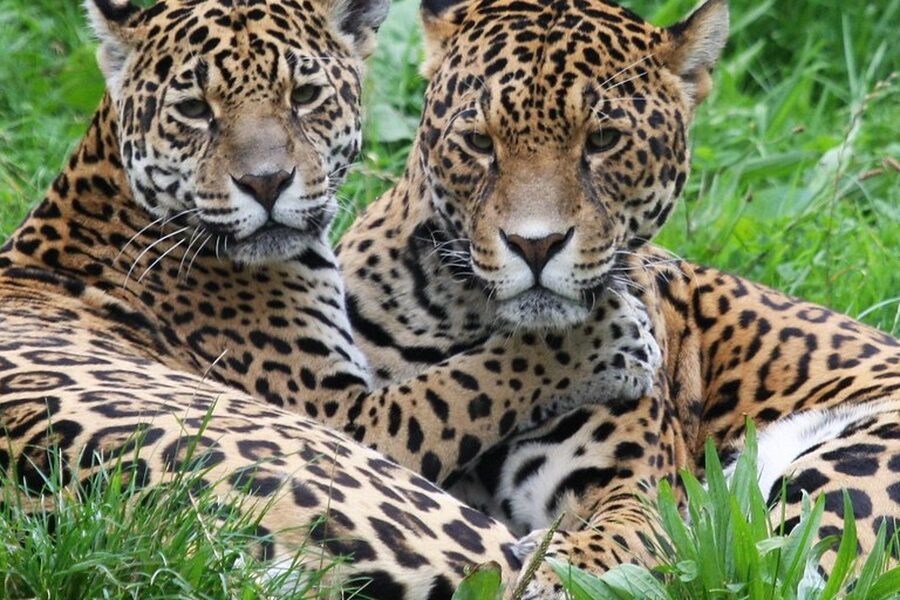
The Persian leopard is a rare, wide-ranging big cat that uses Kopet Dag valleys and riparian pockets. It’s listed as Endangered on the IUCN Red List in much of its range.
Populations in Central Asia are fragmented and small, often limited to cross-border mountain corridors. Camera-trap records and occasional confirmed sightings point to low-density presence rather than large, stable populations.
Conflict with livestock owners, illegal hunting and habitat fragmentation threaten leopards. Reducing depredation through corral improvements and compensation schemes helps local tolerance.
Cross-border conservation initiatives with Iran and protected-valley management are crucial. Preserving corridors and maintaining prey populations are practical conservation targets.
5. Argali (Mountain Sheep)
The argali is a powerful wild sheep adapted to rocky slopes and highland pastures. Rams have large curved horns and herds use steep terrain for refuge.
Herd sizes vary with season, from small family groups to larger aggregations on alpine summer pastures. Altitudinal migration to higher pastures in warm months is common.
Argali influence vegetation structure through grazing and act as prey for large carnivores. Overhunting and competition with domestic livestock are the main threats.
Local management tools include seasonal grazing controls, protected-valley refuges and community outreach to reduce illegal take. These measures help maintain viable upland populations.
6. Bukhara Deer (Central Asian Red Deer)
The Bukhara deer is a riparian specialist tied to riverside forests, reedbeds and permanent water. It once ranged widely along major Central Asian rivers.
Populations declined greatly from hunting and habitat loss, and restoration has been a regional focus. Reintroduction and riparian-corridor restoration projects have taken place across Central Asia.
In Turkmenistan, surviving riparian patches and restored corridors could support recovery if hunting is controlled and water flows are maintained. Transboundary cooperation matters for genetic exchange.
Birds of Prey and Migrants: Falcons, Cranes and More
Turkmenistan sits on important Central Asian flyways. Wetlands, steppe and cliffs provide stopover and breeding sites for many raptors and migrants.
Conserving key wetlands and cliff nesting sites supports regional migratory connectivity. Local traditions, like falconry, link people directly to bird conservation.
7. Saker Falcon
The Saker falcon is a large raptor central to Central Asian falconry traditions. It’s listed as Endangered on the IUCN Red List in recent assessments.
Falconry is a cultural practice among Turkmen herders, and the Saker holds high social value. That tradition can be an asset for conservation when regulated properly.
Threats include illegal trade in live birds, electrocution on powerlines and loss of prey. Captive-breeding, release programs and stricter trade enforcement are part of the conservation response.
Regional cooperation and falconry regulations help curb trapping. In some areas, community guardianship of nesting cliffs reduces disturbance and increases local monitoring.
8. Demoiselle Crane
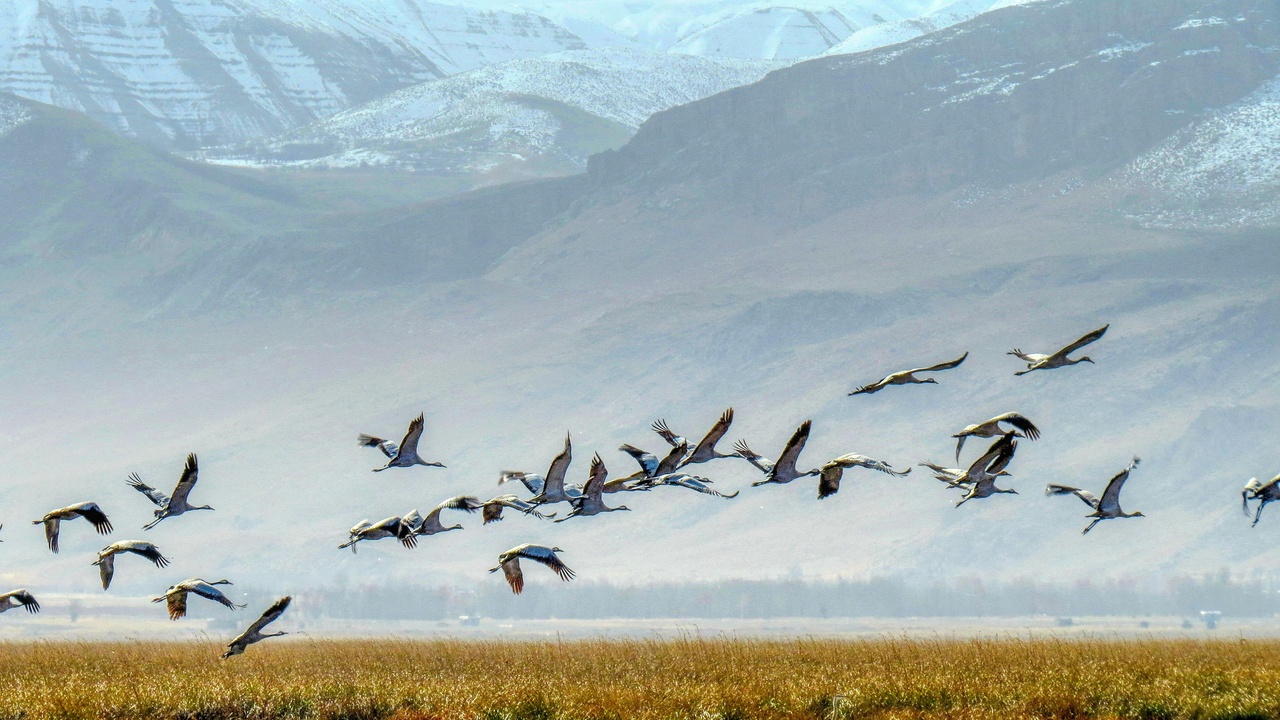
The Demoiselle crane is a small, elegant migrant that passes through Turkmenistan each spring and autumn. Flocks use wetlands, river margins and irrigated fields as stopovers.
Stopover flock sizes range from dozens to several hundred at key sites. These staging areas are crucial fuel stops on long migrations between Eurasian breeding grounds and wintering areas in South Asia and East Africa.
Cranes can conflict with crops at times, but they also indicate wetland health. Protecting staging grounds and working with farmers to reduce disturbance helps both birds and people.
Marine and Wide-ranging Mammals: Caspian and Steppe Giants

Turkmenistan’s Caspian coast adds marine biodiversity to the national mix. Wide-ranging predators like wolves and marine specialists like the Caspian seal link multiple ecosystems.
These species reveal landscape and basin health. Conservation for them requires coordination across fisheries, protected areas and neighboring states.
9. Caspian Seal
The Caspian seal is the only pinniped endemic to the Caspian Sea. It’s listed as Endangered and has suffered substantial declines since the mid-20th century.
Major threats include bycatch, pollution and habitat disturbance. The basin-wide nature of the problem means Turkmenistan must work with Russia, Kazakhstan, Azerbaijan and Iran on monitoring and protection.
There are haul-out and pupping sites along Turkmenistan’s shoreline where local monitoring occurs. Collaborative surveys and fisheries regulation help reduce accidental captures.
10. Grey Wolf
The grey wolf is a versatile predator across deserts, steppe and foothills. Wolves shape herbivore populations and influence how landscapes are grazed.
Livestock predation causes conflict and often leads to persecution. Practical coexistence measures — guardian dogs, night enclosures and community compensation schemes — reduce losses.
Successful approaches in Central Asia combine outreach, rapid-response teams and support for non-lethal deterrents. Those tools can be scaled to local Turkmen contexts to improve tolerance.
Summary
- Turkmenistan supports surprising diversity across 488,100 km², even though the Karakum covers about 350,000 km² (≈70%).
- Desert specialists such as kulan and goitered gazelle persist alongside mountain and riparian species like the Persian leopard and Bukhara deer.
- Several taxa face urgent threats: Persian leopards, Caspian seals and the regional saiga collapse in 2015 (≈200,000 animals died) show how quickly populations can decline.
- Practical conservation actions include protected-area monitoring (Repetek since 1927), transboundary corridors, regulated falconry and community-based coexistence measures.
- Learn more and support groups working in the region (IUCN, WWF and local conservation organizations), choose responsible ecotourism, and respect wetlands and coastal haul-out sites to help safeguard these species.