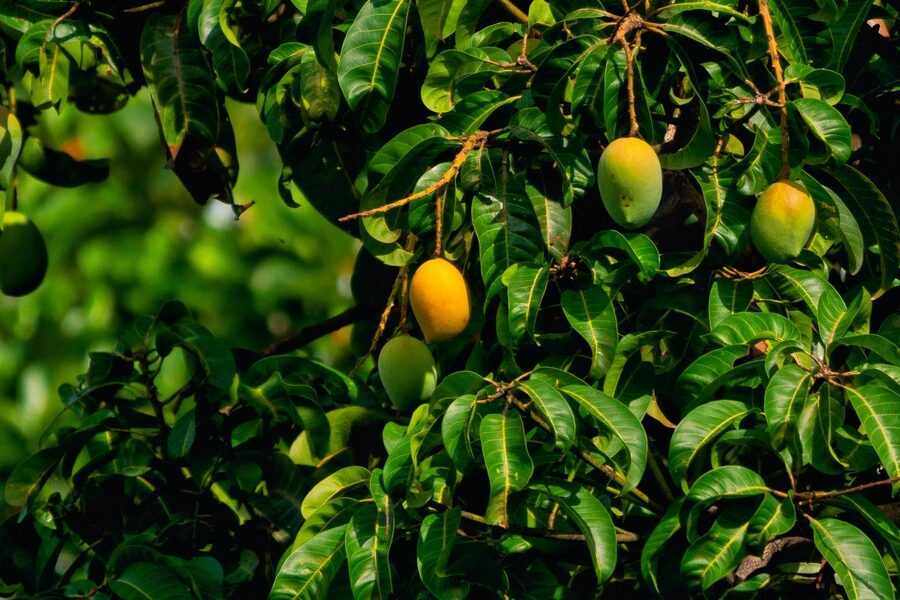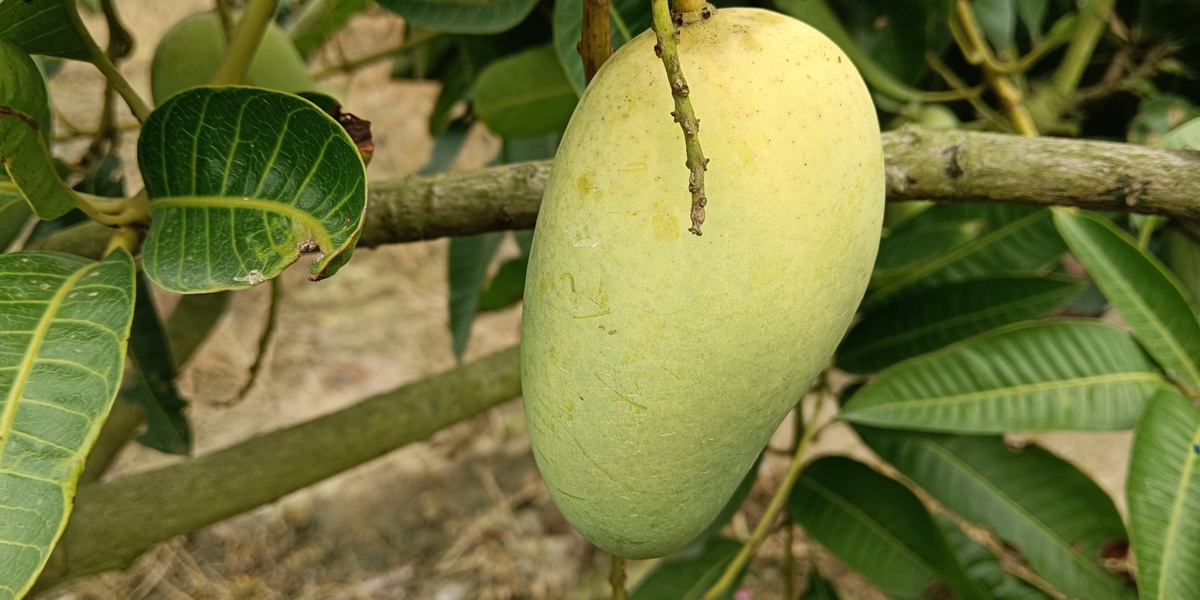
Mauritius’s mix of volcanic soil, coastal plains, and tropical climate gives the island a rich array of fruits beyond the usual pineapple and coconut. Local gardens, markets, and roadside vendors showcase varieties shaped by both African and Asian influences, so exploring fruit here is part flavor hunt, part cultural tour.
There are 39 Fruits of Mauritius, ranging from Avocado to Watermelon, and each entry is organized with the Scientific name, Local name(s), Season (months) so you can identify and time your visits — you’ll find below.
When are most Mauritius fruits in season?
Seasonality varies: many tropical fruits peak in the hotter, wetter months while others ripen in the cooler season. Check the Season (months) column in the list for exact timing by fruit, and plan market visits around local harvest windows to catch peak flavor.
Where can I buy or sample these fruits locally?
You’ll find them at central markets, roadside stalls, small farms and sometimes supermarkets; farmers and vendors often use local names, so consult the Local name(s) column. For the best taste, ask for ripe fruit and look for vendors who can tell you the harvest month noted in the table.
Fruits of Mauritius
| Name | Scientific name | Local name(s) | Season (months) |
|---|---|---|---|
| Mango | Mangifera indica | mangue (Fr/Cr: mang) | Nov–Feb |
| Lychee | Litchi chinensis | letchi (Fr/Cr: letchi) | Nov–Jan |
| Rambutan | Nephelium lappaceum | ramboutan (Fr/Cr: ramboutan) | Dec–Feb |
| Longan | Dimocarpus longan | longan (Fr/Cr: longan) | Feb–Apr |
| Banana | Musa spp. | banane/bannann (Fr/Cr) | Year-round |
| Plantain | Musa × paradisiaca | banane plantain/banann pay (Fr/Cr) | Year-round |
| Pineapple | Ananas comosus | ananas (Fr/Cr) | Oct–Mar |
| Papaya | Carica papaya | papaye/papay (Fr/Cr) | Year-round |
| Guava | Psidium guajava | goyave (Fr/Cr) | Aug–Nov |
| Passionfruit | Passiflora edulis | fruit de la passion/maracudja (Fr/Cr) | Year-round, peaks May–Aug |
| Starfruit (Carambola) | Averrhoa carambola | carambole (Fr/Cr) | Year-round, peaks Jan–Mar |
| Breadfruit | Artocarpus altilis | fruit à pain/packi (Fr/Cr) | Year-round |
| Jackfruit | Artocarpus heterophyllus | jacque/jack (Fr/Cr) | Dec–Mar |
| Coconut | Cocos nucifera | noix de coco (Fr/Cr) | Year-round |
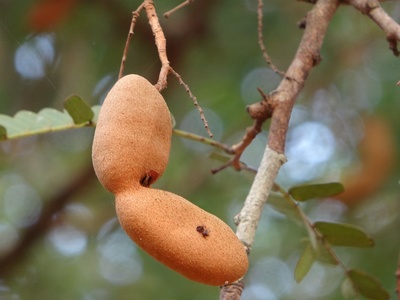
| Tamarind | Tamarindus indica | tamarin (Fr/Cr) | Jun–Sep |
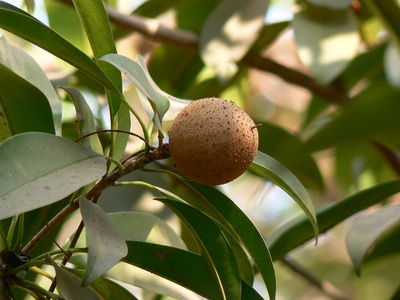
| Sapodilla (Chikoo) | Manilkara zapota | sapotille/chikoo (Fr/Cr) | Year-round, peaks Mar–Aug |
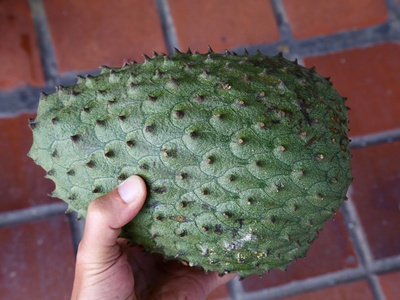
| Soursop (Guanábana) | Annona muricata | corossol (Fr/Cr) | May–Oct |
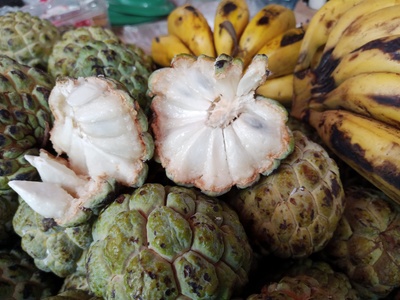
| Sugar apple (Sweetsop) | Annona squamosa | pomme sucrée/pomme cannelle (Fr/Cr) | Dec–Mar |
| Custard apple (Bullock’s heart) | Annona reticulata | annonier/pomme de lait (Fr/Cr) | Aug–Nov |
| Avocado | Persea americana | avocat/avoka (Fr/Cr) | Year-round, main crop Jun–Sep |
| Orange | Citrus sinensis | orange (Fr/Cr) | Jun–Sep |
| Lemon | Citrus limon | citron (Fr/Cr) | Year-round |
| Lime | Citrus aurantiifolia | citron vert/kotmir (Fr/Cr) | Year-round |
| Pomelo (Giant citrus) | Citrus maxima | pamplemousse (Fr/Cr) | Jun–Sep |
| Watermelon | Citrullus lanatus | pastèk/pastèque (Fr/Cr) | Nov–Mar |
| Melon (Cantaloupe/Honeydew) | Cucumis melo | melon (Fr/Cr) | Nov–Mar |
| Loquat | Eriobotrya japonica | néflier/loquat (Fr/Cr) | Apr–Jun |
| Feijoa (Pineapple guava) | Acca sellowiana | feijoa/accá (Fr/Cr) | Sep–Nov |
| Mangosteen | Garcinia mangostana | mangoustan/mangouste (Fr/Cr) | May–Aug |
| Rose apple / Malay apple | Syzygium malaccense | pommes malacca/pomme rose (Fr/Cr) | Nov–Feb |
| Star apple | Chrysophyllum cainito | caïmite/pomme carrée (Fr/Cr) | Jun–Sep |
| June plum (Ambarella) | Spondias dulcis | pomme cythère/prune (Fr/Cr) | Nov–Jan |
| Jujube (Indian jujube) | Ziziphus mauritiana | jujubier/zimenn (Fr/Cr) | Aug–Oct |
| Dragon fruit (Pitaya) | Hylocereus undatus | pitaya/fruit du dragon (Fr/Cr) | Nov–Feb |
| Mulberry | Morus alba | mûrier/mûre (Fr/Cr) | Sep–Dec |
| Fig | Ficus carica | figue (Fr/Cr) | Oct–Dec |
| Camu camu (small-scale) | Myrciaria dubia | camu camu (Fr/Cr) | Jun–Aug |
| Carob (locally used sweet pods) | Ceratonia siliqua | caroube (Fr/Cr) | Sep–Nov |
| Pawpaw (small varieties) | Vasconcellea spp. | pawpaw/pawpaw (Fr/Cr) | Year-round |
Images and Descriptions
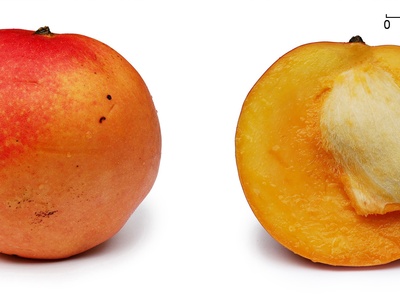
Mango
A beloved tropical stone fruit with sweet, juicy flesh that ranges from tart to honeyed. Eaten fresh, in chutneys, curries and pickles; many local cultivars. Introduced from South Asia and widely cultivated across Mauritius, sold in markets and road stalls.
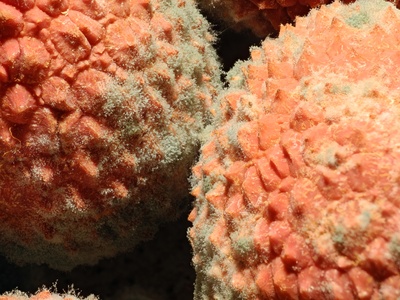
Lychee
Small red fruit with translucent, fragrant flesh and floral sweetness. Enjoyed fresh, in desserts or drinks. Introduced from China and now a popular seasonal treat in Mauritius, often sold at markets and backyard trees during the short harvest.
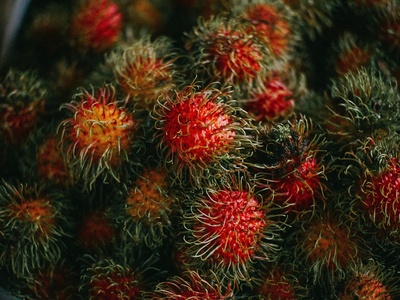
Rambutan
Hairy red fruit with juicy, sweet-tart flesh similar to lychee but creamier. Eaten fresh; sometimes made into jellies or preserves. Southeast Asian origin, now commonly grown and sold locally during the main summer season.
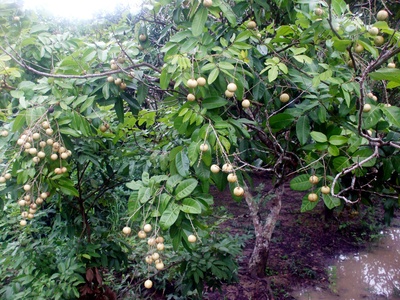
Longan
Small brown-skinned fruit with a translucent, musky-sweet interior; milder than lychee. Eaten fresh or canned, used in desserts. Native to Asia, naturalized in Mauritius and sold in markets when in season.
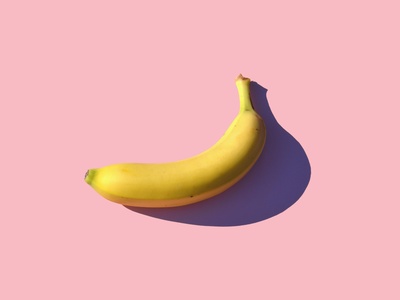
Banana
Staple tropical fruit with soft, sweet flesh used fresh, fried, baked or in breakfast dishes. Multiple cultivars and sizes are grown and sold widely. Introduced historically but fully naturalized and central to Mauritian cuisine and markets.
Plantain
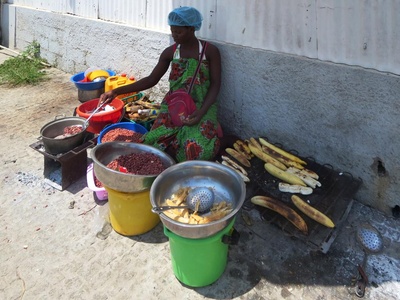
Starchy banana used cooked rather than raw—fried, boiled or in savory dishes. A dietary staple in Creole recipes. Introduced and widely cultivated; available year-round in markets and grocery stalls.
Pineapple
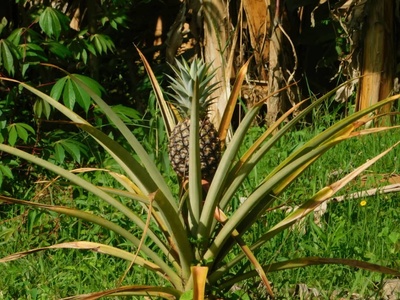
Tropical, aromatic fruit with tangy-sweet flesh used fresh, juiced, grilled or in chutneys. Grown commercially and in home gardens; many local varieties. Introduced from South America and commonly sold in markets.
Papaya
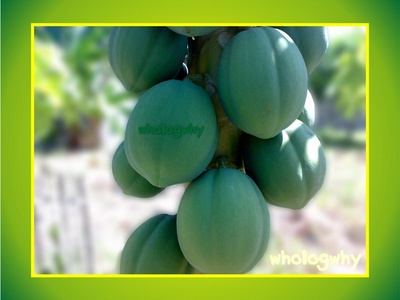
Soft, sweet orange flesh used fresh, in smoothies, salads or cooked green as a vegetable. Commonly grown in home gardens and sold year-round at markets. Introduced species well adapted to Mauritius’ climate.
Guava
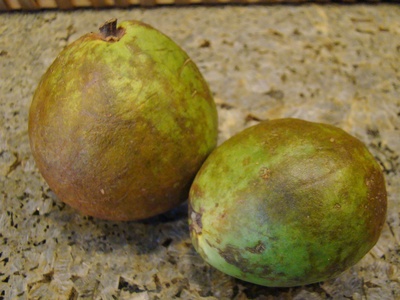
A fragrant tropical fruit with grainy flesh that can be sweet or tart; eaten fresh, in jams, juices and chutneys. Introduced from the Americas and widely cultivated and sold at local markets and roadside stalls.
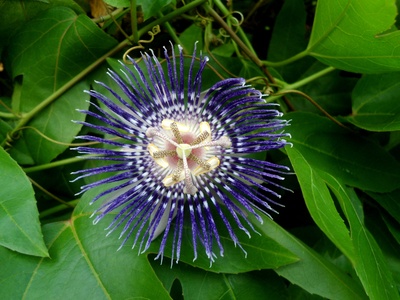
Passionfruit
Small round fruit with tart, aromatic pulp used in juices, desserts and sauces. Climbs on trellises and found in gardens and markets. Introduced from South America and well established locally.
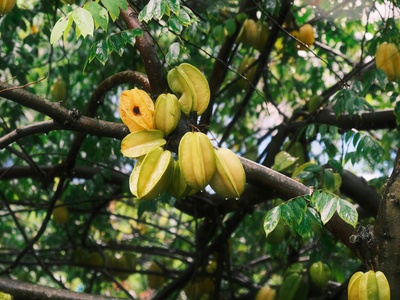
Starfruit (Carambola)
Tangy-sweet crisp fruit with star-shaped slices and refreshing acidity. Eaten fresh, in salads or as garnish; makes jams and juices. Origin in SE Asia, commonly grown in Mauritius home gardens and markets.
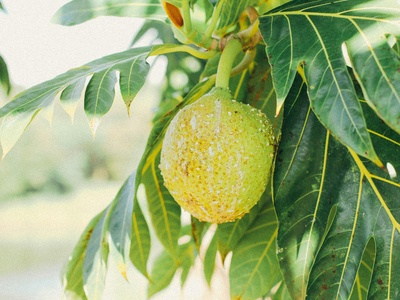
Breadfruit
Large starchy fruit cooked when mature into chips, roasts, soups or fried. Central to island diets and traditional Creole dishes. Introduced to the Indian Ocean centuries ago and grown widely across Mauritius.
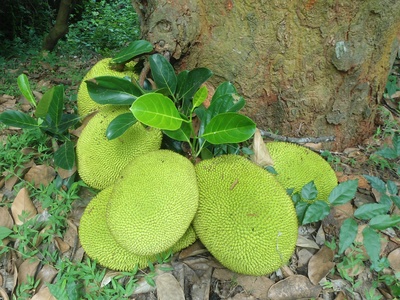
Jackfruit
Huge fruit with sweet, mango-like bulbs; eaten ripe or used unripe in savory dishes. Fragrant, fibrous and versatile—used fresh, in preserves or cooked. Introduced from South Asia and cultivated in orchards and home gardens.

Coconut
Classic island fruit with hydrating water and rich white flesh used fresh, milk, oil, desserts and curries. Grown along coasts and in plantations; long-established and naturalized throughout Mauritius.
Tamarind
Tart-sweet brown pods used as a souring agent in chutneys, drinks and Creole dishes. Widely grown on older trees and in gardens; introduced from Africa/Asia and commonly available when fruits ripen.
Sapodilla (Chikoo)
Brown-skinned fruit with grainy, very sweet caramel-like flesh. Eaten fresh or in smoothies and desserts. Tropical American/Asian origin and commonly cultivated in Mauritius home gardens and sold locally.
Soursop (Guanábana)
Large green spiky fruit with tangy, citrusy-pineapple flavour used in juices, ice creams and traditional remedies. Native to the Americas but widely grown and eaten across Mauritius.
Sugar apple (Sweetsop)
Segmented fruit with creamy, sweet flesh and black seeds; eaten fresh or in desserts. Introduced species established in gardens and local markets during the warm season.
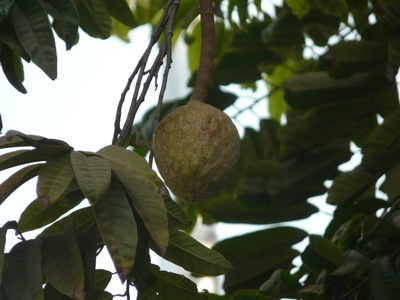
Custard apple (Bullock’s heart)
Soft, fragrant fruit with mildly sweet, custardy flesh; eaten fresh. Less common than other Annona species but grown in gardens and sold locally. Introduced and naturalized on the island.
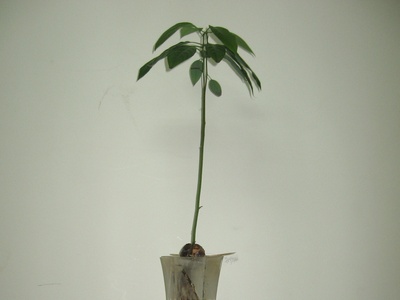
Avocado
Creamy, buttery fruit used in salads, spreads and savory dishes. Multiple varieties grown in home gardens and commercially; introduced from the Americas and widely available at markets.
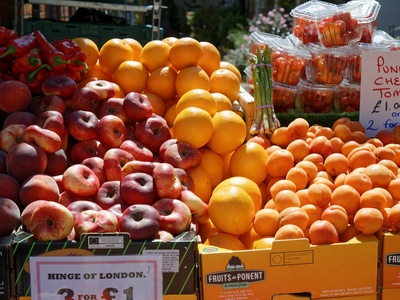
Orange
Sweet citrus eaten fresh or juiced and used in desserts. Grown in orchards and home gardens; introduced and locally cultivated with seasonal harvests in winter months.
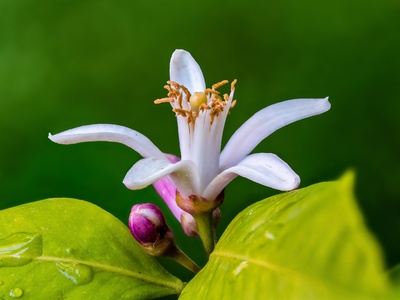
Lemon
Sour citrus used for juice, marinades, drinks and seasoning. Small trees found in gardens and markets year-round; introduced and a kitchen staple in Mauritian cooking.
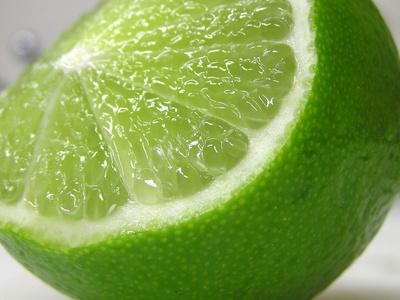
Lime
Sharp, aromatic citrus used widely for drinks, seasoning and preserves. Easy to find year-round in markets and home gardens; introduced and integral to Creole cuisine.

Pomelo (Giant citrus)
Large, mildly sweet to tart citrus with thick rind; eaten fresh or in salads. Introduced from Southeast Asia and commonly sold in markets during winter months.
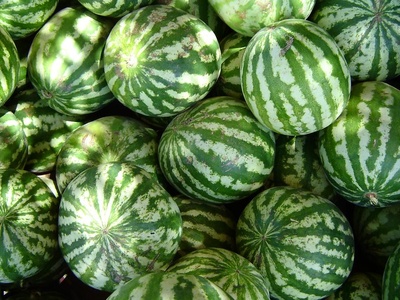
Watermelon
Juicy, refreshing fruit with sweet red or yellow flesh eaten fresh, in juices or salads. Grown in fields and sold widely during hot months; introduced and a summertime market favourite.
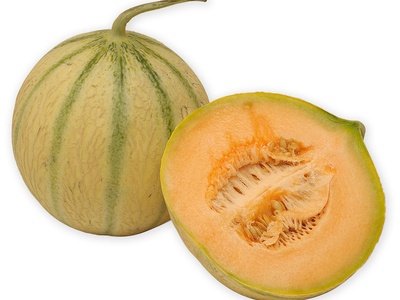
Melon (Cantaloupe/Honeydew)
Sweet, fragrant melon varieties prized for breakfast and desserts. Cultivated in fields and sold in markets during the warm season; introduced and commonly enjoyed chilled.
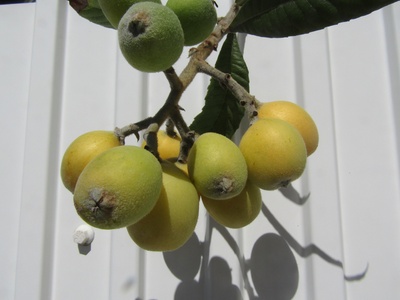
Loquat
Small, sweet-tart fruit with soft flesh eaten fresh or in jams. Introduced from East Asia and grown in home gardens; seasonal spring harvest sold locally when in crop.
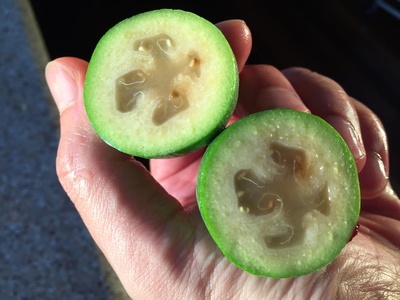
Feijoa (Pineapple guava)
Fragrant green fruit with aromatic, pineapple-ginger notes eaten fresh or as jam. Introduced and grown in some gardens and small-scale orchards, gaining popularity among local fruit lovers.
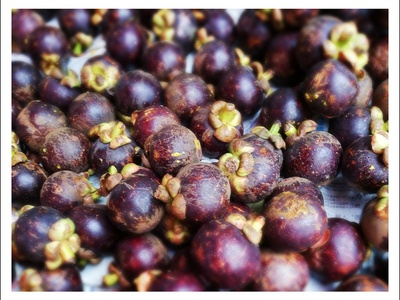
Mangosteen
Purple, fragrant fruit with delicate, sweet-tart segments prized for dessert. Tropical Southeast Asian origin; grown in limited gardens and specialty markets in Mauritius rather than widely commercialized.
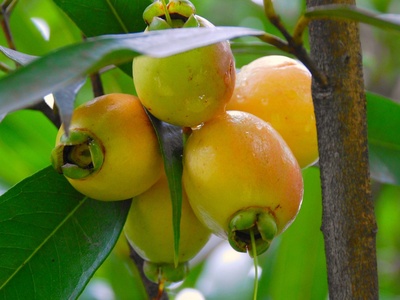
Rose apple / Malay apple
Crisp, mildly sweet apple-like fruit with floral notes. Eaten fresh or pickled; trees commonly found in home gardens and sometimes sold at markets. Introduced from Asia and naturalized locally.
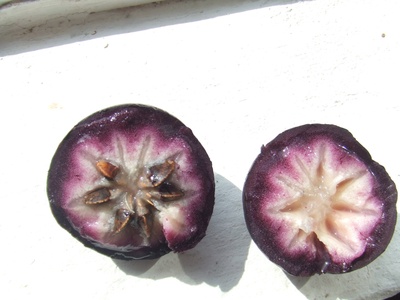
Star apple
Round fruit with sweet, gelatinous pulp and shiny skin; eaten fresh. Introduced from the Americas and cultivated in gardens and small orchards, available seasonally in markets.
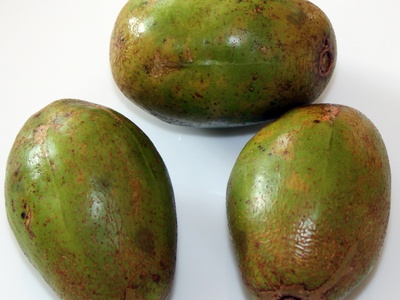
June plum (Ambarella)
Tart, fibrous fruit eaten raw with salt or made into chutneys and juices. Introduced from the Pacific/Asia and popular in local street markets and home gardens during its season.
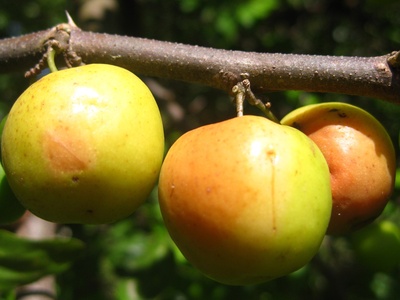
Jujube (Indian jujube)
Small, crisp or chewy fruit varying from tart to sweet; eaten fresh or dried. Introduced from South Asia and grown in drier areas and backyards across Mauritius.
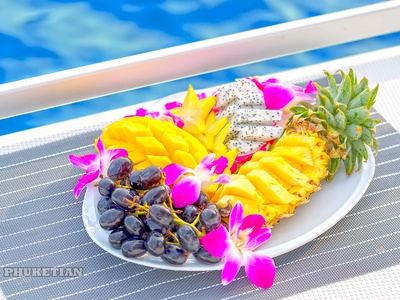
Dragon fruit (Pitaya)
Vivid, mildly sweet fruit with seeded flesh used fresh or in smoothies. Increasingly cultivated in tropical gardens and small farms; introduced and showing growing popularity at markets.
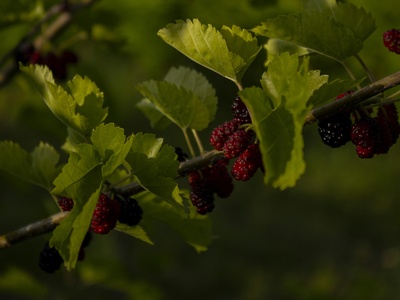
Mulberry
Juicy, sweet-tart berries eaten fresh, in jams or desserts. Mulberry trees are found in gardens and along hedges; introduced and fruiting in late spring to early summer months locally.
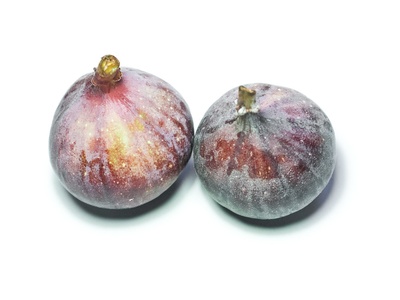
Fig
Soft, honeyed fruit eaten fresh, dried or in preserves; used in baked goods and savoury pairings. Introduced Mediterranean species grown in gardens and small orchards, offering a distinct seasonal treat.
Camu camu (small-scale)
Tart, vitamin-C-rich berry used sparingly in juices and health blends; not widespread but cultivated in small plots. Introduced and available occasionally at specialty growers and markets.
Carob (locally used sweet pods)
Hard pods with sweet pulp used as a cocoa substitute or sweetener; trees are grown ornamentally and in small plantings. Introduced Mediterranean species present in Mauritius and used occasionally in local recipes.
Pawpaw (small varieties)
Smaller relatives of papaya with similar soft, sweet flesh used fresh or in preserves. Grown in some gardens and sold seasonally at markets; introduced and naturalized in pockets across the island.