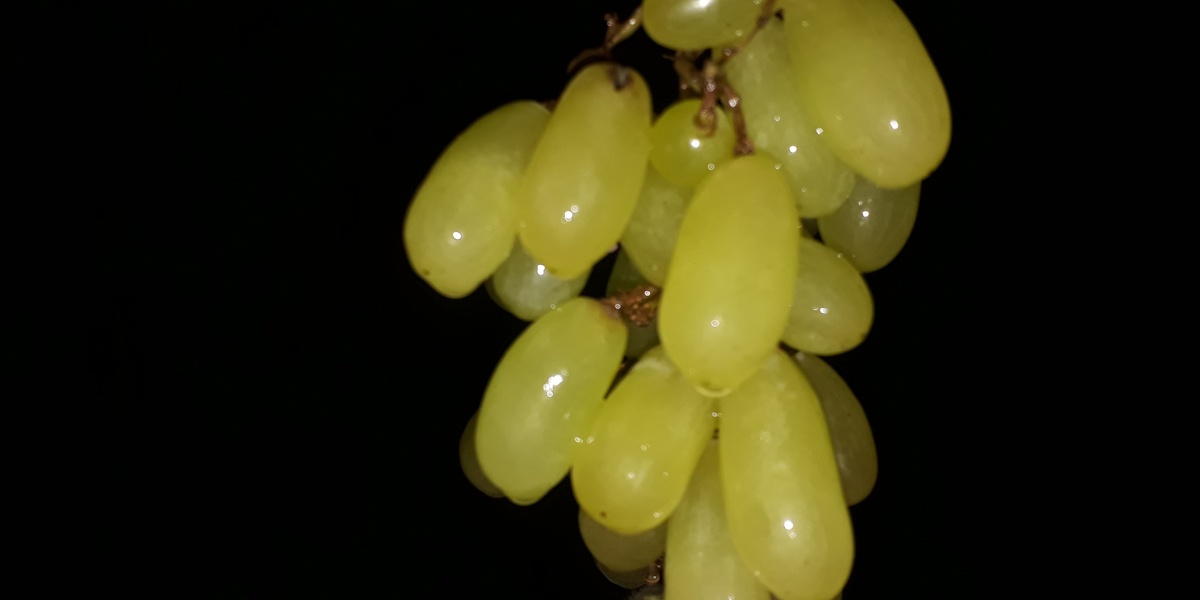
San Marino’s steep hills and terraced gardens have shaped a quiet but rich tradition of fruit growing. Small-scale orchards, roadside hedges and backyard trees supply local markets and family preserves, so the island’s fruit story is as much about place and season as it is about variety.
There are 12 Fruits of San Marino, ranging from Apples to Quince. Each entry is organized to show Scientific name,Season,Where found so you can quickly see taxonomy, harvest timing and typical locations; you’ll find the full list and details below.
When is the best time to find these fruits in San Marino?
Timing depends on the species—check the Season column in the list for specifics. Generally, spring brings early stone fruits, summer offers berries and figs, and autumn is prime for apples and quince. Local markets reflect these rhythms, so visiting at different times of year gives the fullest experience.
Are these fruits mostly cultivated or wild?
You’ll find both: many are grown in small orchards and gardens, while others appear wild along slopes and hedgerows. The Where found column notes typical habitats and whether a fruit is commonly cultivated, wild, or both, which helps if you want to visit producers or foraging spots.
Fruits of San Marino
| Name | Scientific name | Season | Where found |
|---|---|---|---|
| Grapes | Vitis vinifera | Sep–Oct | Terraced vineyards on the slopes of Mount Titano and throughout the territory. |
| Olives | Olea europaea | Oct–Dec | Ancient groves and terraced orchards, often alongside vineyards across the republic. |
| Figs | Ficus carica | Jul–Sep | Sunny, sheltered gardens, terraces, and growing wild along countryside paths. |
| Cherries | Prunus avium | May–Jun | Home gardens and small orchards in the lower, more sheltered parts of San Marino. |
| Apples | Malus domestica | Sep–Nov | Cultivated in family orchards and gardens throughout the countryside. |
| Pears | Pyrus communis | Aug–Oct | Small family-run orchards and scattered among other fruit trees in private gardens. |
| Plums | Prunus domestica | Jul–Sep | Grown in kitchen gardens and small family plots across the republic’s nine municipalities. |
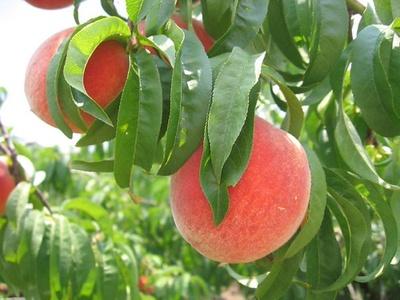
| Peaches | Prunus persica | Jun–Aug | Cultivated in sunny, well-drained gardens and on small agricultural terraces. |
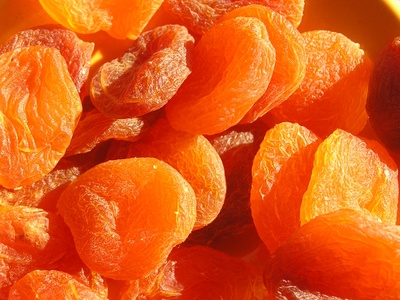
| Apricots | Prunus armeniaca | Jun–Jul | Thriving in the sunny microclimates of home gardens and smallholdings. |
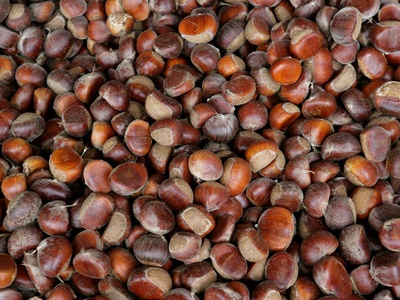
| Chestnuts | Castanea sativa | Oct–Nov | Foraged in the deciduous woodlands on the slopes of Mount Titano. |
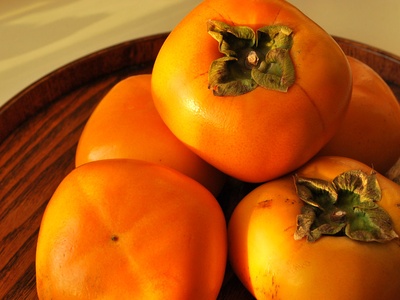
| Persimmons | Diospyros kaki | Oct–Dec | A common feature in residential gardens, with bare branches holding bright orange fruit. |
| Quince | Cydonia oblonga | Sep–Oct | Found in older, traditional gardens and small orchards, often as a single tree. |
Images and Descriptions
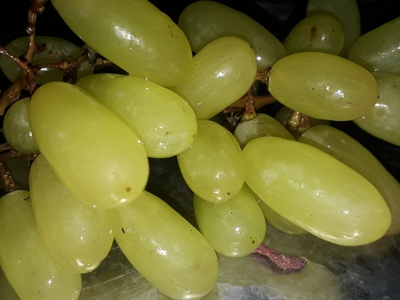
Grapes
The cornerstone of Sammarinese agriculture, grapes like Sangiovese and Moscato are cultivated for local wines. Harvest is a major autumn event, producing reds, whites, and sweet dessert wines that are cherished locally as a national treasure.
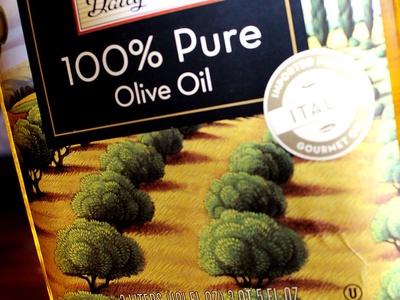
Olives
Essential to local cuisine, San Marino’s olives are pressed into high-quality extra virgin olive oil. The harvest is a traditional activity, yielding a peppery, flavorful oil used for dressing, cooking, and preserving other local products.
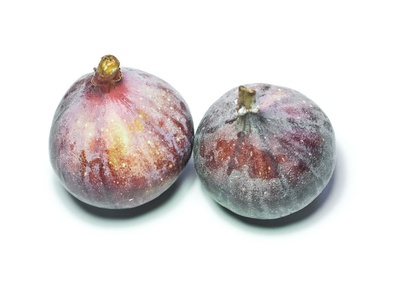
Figs
A classic Mediterranean treat, figs thrive in San Marino’s climate. Eaten fresh off the tree during late summer, they are also dried for winter use or made into sweet jams and desserts like the traditional *bustrengo* cake.
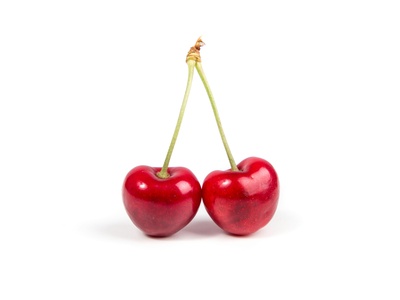
Cherries
A beloved early summer fruit, sweet cherries are a seasonal delight in San Marino. They are typically eaten fresh, baked into tarts and cakes, or preserved as jams and syrups to be enjoyed throughout the year.
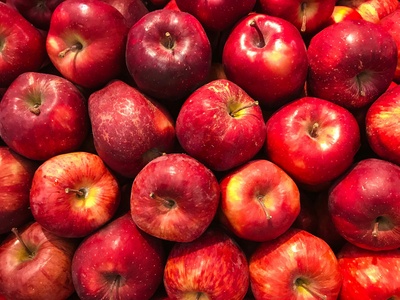
Apples
A versatile autumn staple, local apple varieties are grown for their crispness and flavor. They are enjoyed fresh, used in baking traditional cakes and strudels, or cooked down into sauces and preserves for the winter months.
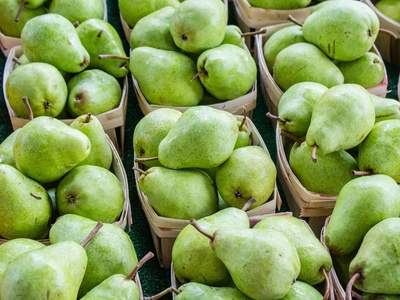
Pears
From sweet and juicy summer varieties to hardier winter types, pears are a common sight. Locals enjoy them fresh, paired with local cheeses, or poached in San Marino’s own red wine for a simple, elegant dessert.
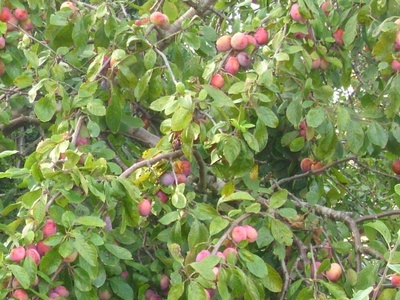
Plums
These juicy stone fruits are a summer favorite, perfect for eating out of hand. In the kitchen, they are transformed into rich, tart jams, baked into rustic crostatas (tarts), or sometimes distilled into local spirits.
Peaches
Symbolizing the peak of summer, Sammarinese peaches are prized for their sweetness and aroma. Best eaten fresh and dripping with juice, they also feature in light desserts, fruit salads, or are served with local Moscato wine.
Apricots
These velvety, golden-orange fruits mark the beginning of summer. With a delicate sweet-tart flavor, apricots are perfect for making marmalades and preserves, or for baking into pastries and tarts that capture the essence of the season.
Chestnuts
A traditional autumn food, chestnuts are foraged from the local woods. They are famously roasted over open fires during festivals, but are also ground into flour for breads, cakes, and pasta dishes like gnocchi.
Persimmons
A beautiful sight in late autumn, the bright orange persimmon is a sweet, jelly-like fruit when fully ripe. It’s typically eaten fresh with a spoon or used in desserts, puddings, and sweet breads after the first frosts.
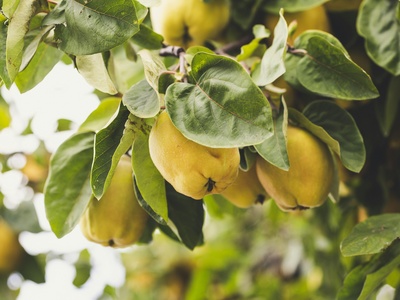
Quince
Too hard and astringent to be eaten raw, the aromatic quince is a magical fruit when cooked. It is transformed into fragrant jellies (*cotognata*), jams, and pastes that are often served with savory dishes or local cheeses.