The Netherlands’ mix of coast, polder, heath and woodland supports a wide range of mammals, many of which are easier to find than people expect. From urban parks to protected reserves, knowing which species occur here helps walkers, students and nature lovers connect sightings to places and conservation status.
There are 60 Mammals of the Netherlands, ranging from the American Mink to the Wood Mouse. The list is organized with Scientific name, Status, Where found so you can quickly check identification, conservation notes and typical locations — you’ll find below.
How reliable is this list and how often is it updated?
The list aims to reflect current records by compiling official checklists, recent surveys and verified observations; however, species status and distributions change, so treat it as a working snapshot and consult local databases or recent publications for the latest updates.
How can I use the table for wildlife watching or research?
Use the Status and Where found columns to target likely habitats and seasons, verify identification with the Scientific name, and cross-check sightings with local nature organizations or citizen-science platforms before reporting or using the data for formal research.
Mammals of the Netherlands
| Name | Scientific name | Status | Where found |
|---|---|---|---|
| Hedgehog | Erinaceus europaeus | Native, common | Gardens, parks, farmland, and woodlands nationwide |
| Mole | Talpa europaea | Native, very common | Grasslands, gardens, and woodlands; avoids very wet or sandy soils |
| Common Shrew | Sorex araneus | Native, very common | Almost any habitat with ground cover, including grasslands, woods, and gardens |
| Pygmy Shrew | Sorex minutus | Native, common | Similar habitats to Common Shrew but prefers drier areas |
| Water Shrew | Neomys fodiens | Native, common | Banks of clean, slow-moving rivers, streams, and ponds |
| Beaver | Castor fiber | Native, reintroduced, common | Freshwater habitats like rivers, streams, and lakes, especially Biesbosch and Gelderse Poort |
| Red Squirrel | Sciurus vulgaris | Native, fairly common | Coniferous and mixed forests, parks; Veluwe, Utrechtse Heuvelrug |
| Hazel Dormouse | Muscardinus avellanarius | Native, rare and vulnerable | Dense hedgerows and scrubby woodland, mainly in South Limburg |
| Edible Dormouse | Glis glis | Native, rare | Old deciduous forests and orchards in South Limburg |
| Wood Mouse | Apodemus sylvaticus | Native, very common | Woodlands, grasslands, gardens; virtually everywhere with cover |
| Harvest Mouse | Micromys minutus | Native, common | Tall grasslands, reed beds, and cereal fields |
| Bank Vole | Myodes glareolus | Native, very common | Woodlands, hedgerows, and dense grasslands with ground cover |
| Field Vole | Microtus agrestis | Native, very common | Open, grassy habitats like meadows, dunes, and heathlands |
| Water Vole | Arvicola amphibius | Native, vulnerable | Banks of slow-moving rivers, ditches, and lakes |
| Muskrat | Ondatra zibethicus | Introduced, invasive, common | Wetlands, riverbanks, and ditches throughout the country |
| Brown Rat | Rattus norvegicus | Introduced, very common | Ubiquitous, especially in urban areas, sewers, and farms |
| Black Rat | Rattus rattus | Introduced, uncommon | Mainly in port areas and old buildings in the south |
| Red Fox | Vulpes vulpes | Native, common | Farmland, forests, dunes, and increasingly in urban areas |
| Badger | Meles meles | Native, stable but vulnerable | Deciduous woodlands and mixed farmland, mostly in the east and south |
| Eurasian Otter | Lutra lutra | Native, reintroduced, recovering | Wetlands, rivers, and lakes with clean water and vegetated banks |
| Pine Marten | Martes martes | Native, rare | Mature coniferous and mixed forests, mainly in the east (Veluwe, Drenthe) |
| Beech Marten | Martes foina | Native, common | Villages, farms, and suburban areas; often lives in attics or barns |
| Stoat | Mustela erminea | Native, common | Farmland, woodlands, and marshes; widespread but often unseen |
| Weasel | Mustela nivalis | Native, common | Similar habitats to the stoat but can use smaller burrows |
| European Polecat | Mustela putorius | Native, fairly common | Wetlands, river valleys, and farmland mosaics |
| Wildcat | Felis silvestris | Native, recolonizing, very rare | Large, dense forests in South Limburg |
| Wolf | Canis lupus | Native, recolonizing, rare | Veluwe and Drenthe-Friesland border region |
| Golden Jackal | Canis aureus | Native, vagrant/settling, very rare | Reports from Veluwe and other areas |
| Wild Boar | Sus scrofa | Native, locally common | Forests and marshlands, mainly Veluwe and Meinweg National Park |
| Red Deer | Cervus elaphus | Native, common in specific areas | Veluwe, Oostvaardersplassen, and Weerterbos |
| Roe Deer | Capreolus capreolus | Native, very common | Woodlands, farmland, and even suburban areas across the country |
| Fallow Deer | Dama dama | Introduced, locally common | Coastal dunes, parks, and some forests |
| Reeve’s Muntjac | Muntiacus reevesi | Introduced, invasive, rare | Established populations in Veluwe and Noord-Brabant |
| European Rabbit | Oryctolagus cuniculus | Introduced (ancient), very common | Dunes, grasslands, parks; prefers sandy soils for burrowing |
| European Hare | Lepus europaeus | Native, common | Open agricultural land and large grasslands |
| Common Pipistrelle | Pipistrellus pipistrellus | Native, very common | Ubiquitous, from city centres to woodlands; often roosts in buildings |
| Soprano Pipistrelle | Pipistrellus pygmaeus | Native, very common | Prefers wetland habitats like lakes and rivers more than its common cousin |
| Nathusius’s Pipistrelle | Pipistrellus nathusii | Native, common migrant | Woodlands and wetlands; a migratory species travelling across Europe |
| Daubenton’s Bat | Myotis daubentonii | Native, common | Forages over calm water surfaces like canals, ponds, and lakes |
| Pond Bat | Myotis dasycneme | Native, vulnerable | Forages over large, open water bodies and canals; rare |
| Brown Long-eared Bat | Plecotus auritus | Native, common | Woodlands, parks, and gardens; often roosts in old buildings and trees |
| Serotine Bat | Eptesicus serotinus | Native, common | Open landscapes, parks, and suburban areas; often roosts in buildings |
| Noctule Bat | Nyctalus noctula | Native, common | Woodlands and parks, roosts in tree holes |
| Harbour Porpoise | Phocoena phocoena | Native, most common cetacean | North Sea, Wadden Sea, Oosterschelde, and Westerschelde estuaries |
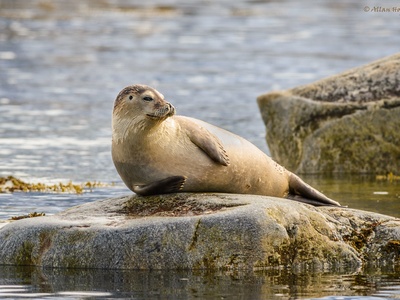
| Harbour Seal | Phoca vitulina | Native, common | Wadden Sea, Delta region (Zeeland); rests on sandbanks at low tide |
| Grey Seal | Halichoerus grypus | Native, common | Wadden Sea and coastal North Sea waters; larger than the Harbour Seal |
| White-beaked Dolphin | Lagenorhynchus albirostris | Native, common offshore | North Sea, usually in deeper offshore waters |
| Minke Whale | Balaenoptera acutorostrata | Native, fairly common offshore | North Sea, typically far from the coast |
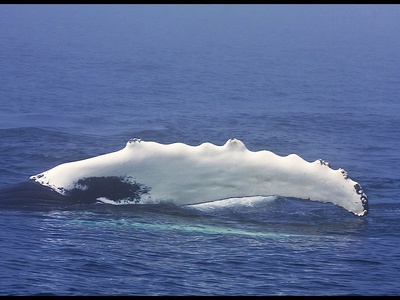
| Humpback Whale | Megaptera novaeangliae | Native, regular visitor | North Sea, sometimes seen close to the coast during migration |
| Fin Whale | Balaenoptera physalus | Native, vagrant, rare | Deep waters of the North Sea |
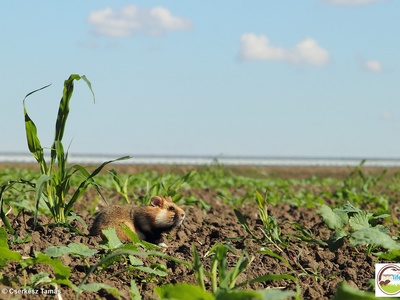
| Common Hamster | Cricetus cricetus | Native, critically endangered | Agricultural fields on loess soil in South Limburg |
| Lynx | Lynx lynx | Extirpated | Historically present in forests in the south and east |
| Moose | Alces alces | Vagrant, extremely rare | Single individuals have wandered in from Germany on rare occasions |
| Sperm Whale | Physeter macrocephalus | Vagrant, rare stranding events | Deep Atlantic waters; only enters North Sea by accident |
| Killer Whale (Orca) | Orcinus orca | Vagrant, rare | North Sea, very infrequent visitor |
| Long-finned Pilot Whale | Globicephala melas | Vagrant, rare | Deep Atlantic waters; rare visitor to the North Sea |
| Common Dolphin | Delphinus delphis | Vagrant, uncommon | Southern North Sea |
| American Mink | Neovison vison | Introduced, invasive | Wetland and riverine habitats |
| Raccoon Dog | Nyctereutes procyonoides | Introduced, invasive | Expanding from Germany into eastern provinces |
| Raccoon | Procyon lotor | Introduced, invasive | Small populations in Limburg and expanding from Germany |
Images and Descriptions

Hedgehog
A familiar nocturnal animal covered in thousands of spines for defense. When threatened, it rolls into a tight ball. Hedgehogs hibernate during winter and feed on insects, slugs, and worms, making them a gardener’s friend.
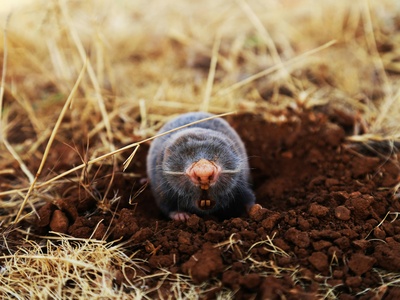
Mole
This subterranean insectivore is rarely seen but its presence is known by its characteristic molehills. It has powerful, spade-like forelimbs for digging extensive tunnel systems where it hunts for earthworms and insect larvae.
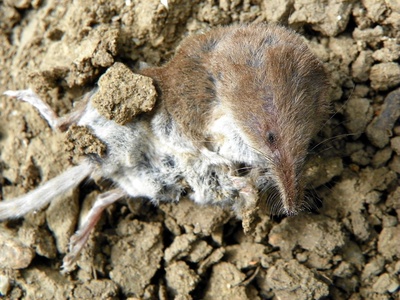
Common Shrew
A tiny, high-energy predator with a long, pointed snout and velvety fur. It must eat every few hours to survive, hunting insects, spiders, and worms day and night. It has a frantic, bustling way of moving.
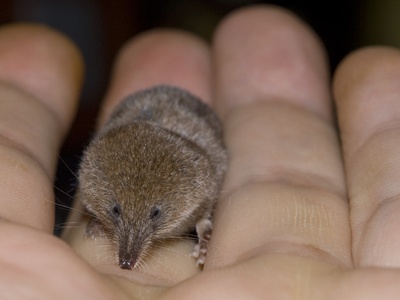
Pygmy Shrew
One of the smallest mammals in the world, weighing only a few grams. It is incredibly active, with a very high metabolism requiring constant foraging for small insects. Its tiny size makes it a difficult animal to spot.
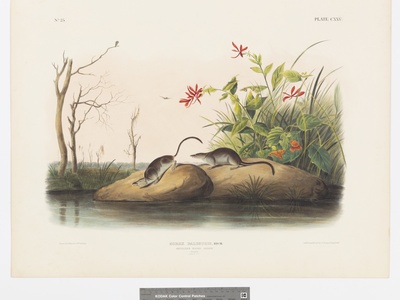
Water Shrew
Europe’s largest shrew, adapted for a semi-aquatic life. It has a fringe of stiff hairs on its tail and feet that aid in swimming. Its saliva is venomous, used to paralyze its prey of aquatic insects and small fish.
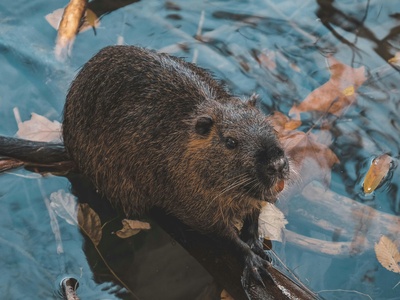
Beaver
This large rodent was successfully reintroduced after being hunted to extinction in the Netherlands. Famous for its engineering skills, it builds dams and lodges using trees it fells with its powerful incisors, creating valuable wetland habitats.
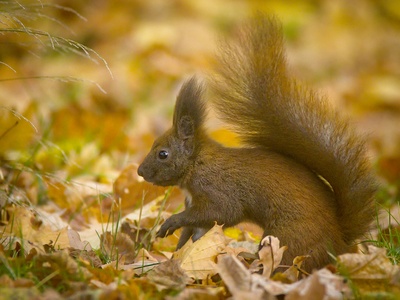
Red Squirrel
A charismatic tree-dweller with distinctive ear tufts and a bushy tail. It spends its days foraging for seeds, nuts, and fungi, which it often buries for later. Its population faces threats from habitat loss and disease.
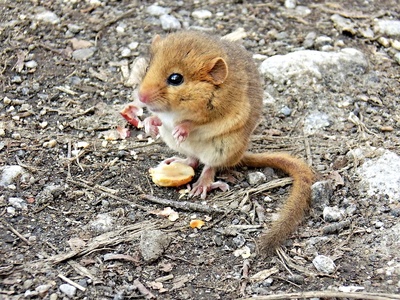
Hazel Dormouse
A small, nocturnal rodent with golden-brown fur and a furry tail. An agile climber, it spends most of its life in the trees. It is known for its long hibernation period, which can last for more than half the year.
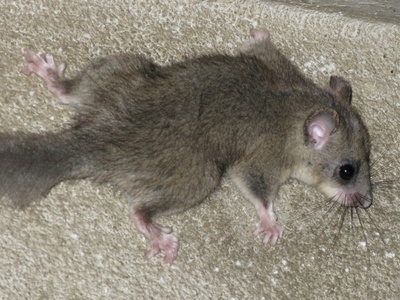
Edible Dormouse
The largest of the dormice, with a squirrel-like bushy tail. It is nocturnal and an excellent climber, feeding on seeds, nuts, and fruits. Its name comes from the fact that it was considered a delicacy by the Romans.
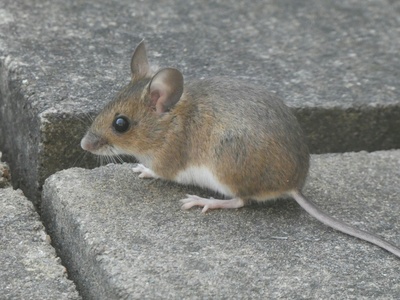
Wood Mouse
One of the most common and widespread mammals in the Netherlands. It is nocturnal, with large eyes and ears for navigating in the dark. An agile jumper, it forages on the ground for seeds, insects, and berries.
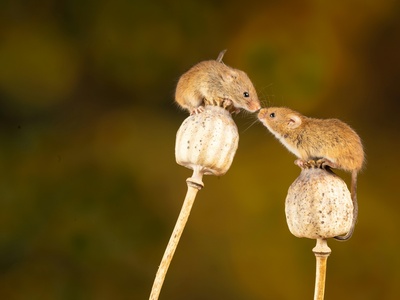
Harvest Mouse
Europe’s smallest rodent, famous for building intricate, ball-shaped nests woven from grass stems high above the ground. It has a prehensile tail that it uses like a fifth limb to help it climb among the stalks.
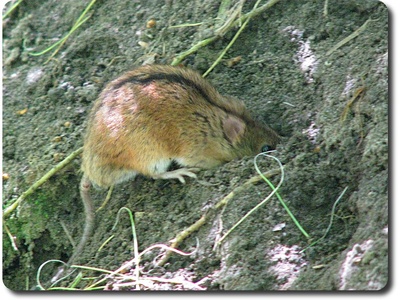
Bank Vole
A small rodent with a blunt nose, small ears, and reddish-brown fur. Unlike the Field Vole, it is a skilled climber. It feeds on a varied diet of seeds, roots, and green plants and is active both day and night.
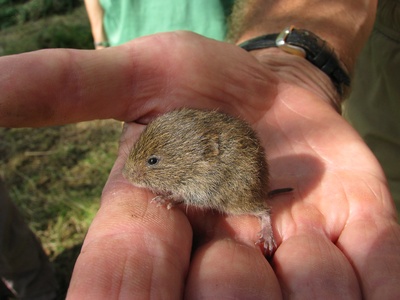
Field Vole
This vole creates a network of shallow burrows and runways through dense grass. It has a stockier build than a mouse, with a short tail and fur that almost conceals its ears. It is a vital food source for many predators.
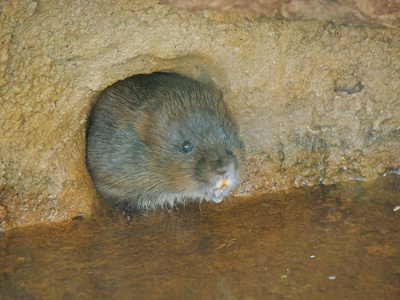
Water Vole
Often mistaken for a rat, this large vole is a herbivore with a blunt snout and fur-covered tail. The inspiration for “Ratty” in ‘The Wind in the Willows’, its populations have declined due to habitat loss and predation.
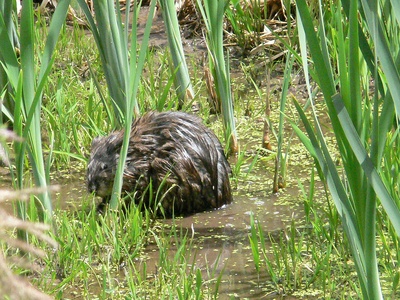
Muskrat
A large, semi-aquatic rodent native to North America. It was introduced for its fur but is now considered a pest due to the damage its burrowing causes to dikes and water defences, requiring extensive population control.
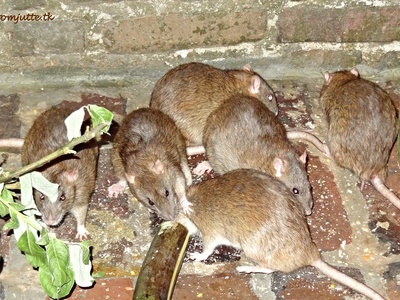
Brown Rat
Also known as the Norway Rat, this highly adaptable rodent lives in close association with humans. It is an intelligent and social animal but is often considered a pest due to its potential to spread disease and damage property.
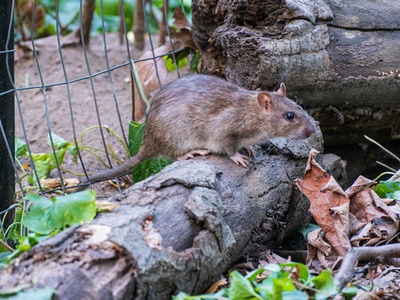
Black Rat
Smaller and more slender than the Brown Rat, with larger ears and a longer tail. It is a more agile climber, often found in the upper parts of buildings. Historically infamous as the carrier of the plague flea.
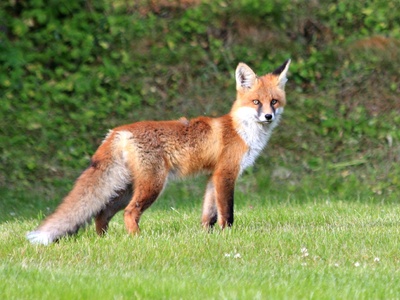
Red Fox
The Netherlands’ most common large predator. This adaptable canine is known for its cunning and distinctive bushy tail. It has a varied diet, hunting rabbits and rodents but also eating fruit, insects, and scavenging from bins.
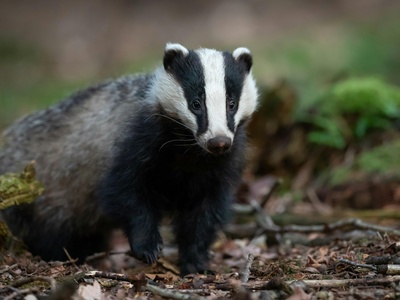
Badger
A powerful, nocturnal mammal with a distinctive black-and-white striped face. Badgers live in social groups in extensive underground burrows called setts. They are omnivores, with a particular fondness for earthworms.
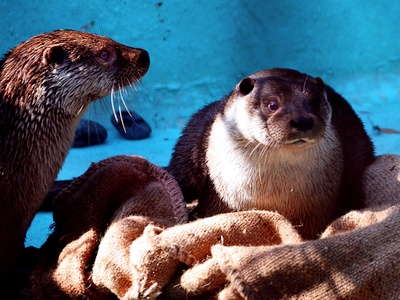
Eurasian Otter
A sleek, semi-aquatic carnivore that was successfully reintroduced after being declared extinct in the Netherlands. Its return is a sign of improving water quality. It is a shy, mostly nocturnal hunter of fish and amphibians.
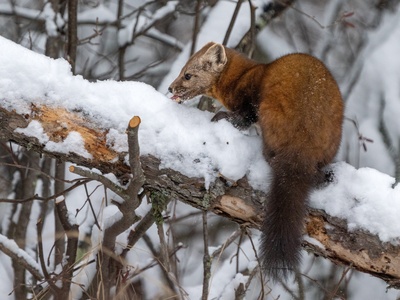
Pine Marten
An agile, cat-sized carnivore that is an expert tree climber. It has a rich brown coat and a distinctive creamy-yellow throat patch. It hunts squirrels, birds, and small mammals and is primarily nocturnal and elusive.
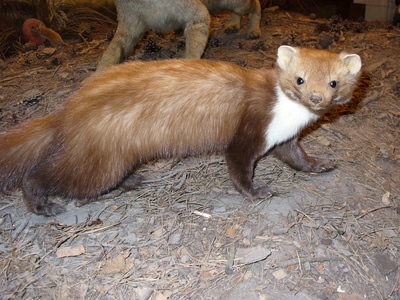
Beech Marten
Also known as the Stone Marten, this species is more adaptable than the Pine Marten and often lives near humans. It is notorious for damaging cars by chewing on cables and hoses under the hood. It has a white throat patch.
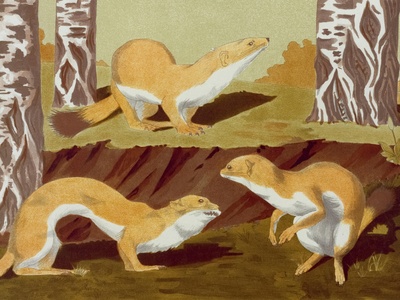
Stoat
A small, slender predator with a black-tipped tail. In winter, especially in colder regions, its coat turns completely white (except for the tail tip) for camouflage. It is a fierce hunter of rabbits and rodents.
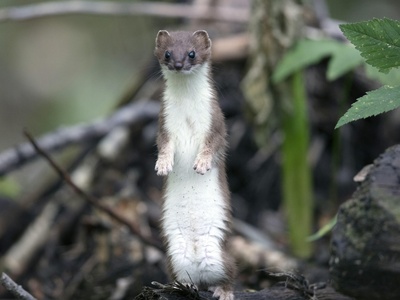
Weasel
The smallest carnivore in the Netherlands, so slender it can follow mice down their own tunnels. It is an incredibly bold and active hunter, preying mainly on voles and mice. It lacks the stoat’s black tail tip.
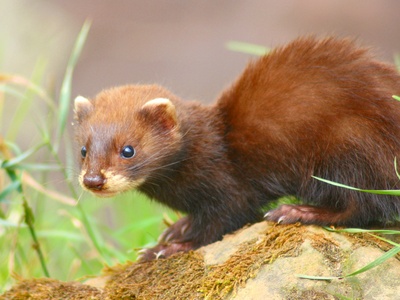
European Polecat
The wild ancestor of the domestic ferret, recognized by its “bandit-mask” face pattern. It is a nocturnal hunter, preying on amphibians, rodents, and rabbits. It can emit a foul-smelling fluid from its anal glands when threatened.
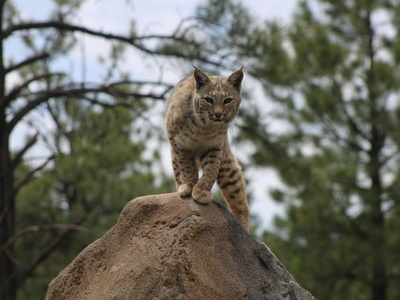
Wildcat
Slightly larger and stockier than a domestic cat, with thicker, striped fur and a bushy, black-tipped tail with distinct rings. After a long absence, this shy, elusive predator is slowly returning to the southernmost parts of the country.
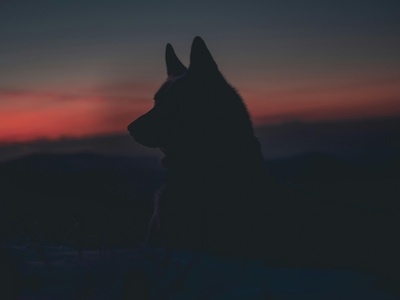
Wolf
After being absent for over 150 years, the wolf has made a natural comeback. Several packs are now established, primarily in large nature reserves. They are apex predators, hunting deer and wild boar, and are protected by law.
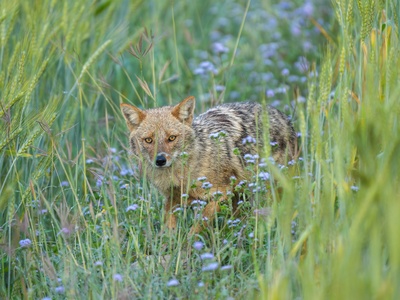
Golden Jackal
A medium-sized canine, larger than a fox but smaller than a wolf. Its range is expanding across Europe, and the first individuals have been confirmed in the Netherlands. It is a highly adaptable omnivore.
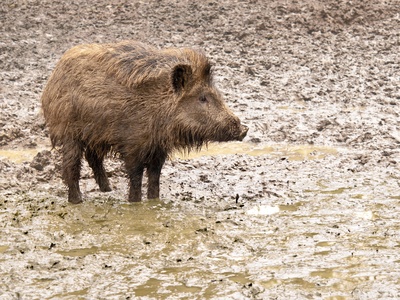
Wild Boar
The wild ancestor of the domestic pig, known for its coarse, dark hair and the male’s prominent tusks. They are social animals that live in groups and use their snouts to root for food like roots, nuts, and invertebrates.
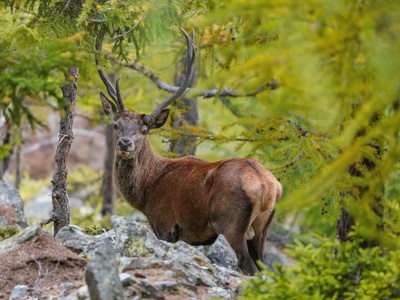
Red Deer
The largest land mammal in the Netherlands. The male, or stag, is famous for its large, branching antlers, which are shed each spring. During the autumn rut, the powerful roaring of stags can be heard across their habitat.
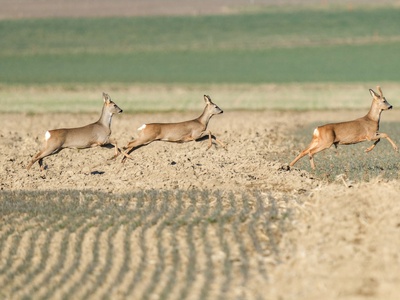
Roe Deer
A small and graceful deer, common and widespread. It has a reddish-brown coat in summer that turns greyish in winter, and a distinctive white rump patch. Males have small, simple antlers with up to three points.
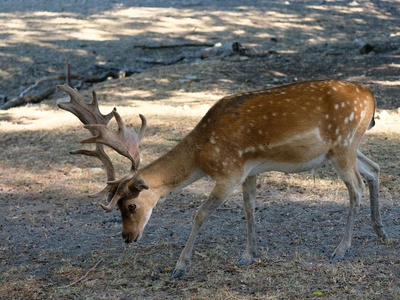
Fallow Deer
Originally not native, this deer is now widespread through introductions and escapes. It is known for its variable coat colour, which is often spotted. Males have unique, palmate (flattened) antlers.
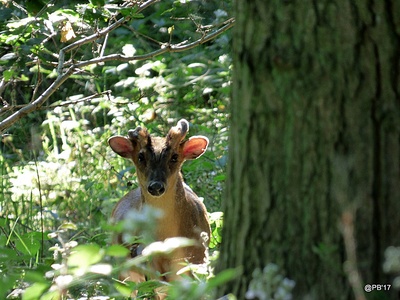
Reeve’s Muntjac
A small, dog-sized deer from Asia, established in the wild from escapees. It is known for its strange barking call and the male’s small, tusk-like canine teeth. It is considered an invasive species due to its impact on native flora.

European Rabbit
A social animal living in complex burrow systems called warrens. Although not truly native, it has been present for centuries. Its populations can fluctuate dramatically due to diseases like myxomatosis and RHD.
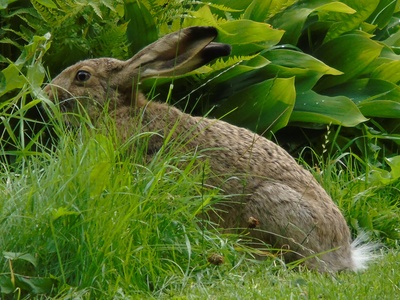
European Hare
Larger than a rabbit, with much longer ears and legs. It is a creature of the open plains, relying on incredible speed to escape predators. Unlike rabbits, hares do not dig burrows, resting in shallow depressions called ‘forms’.
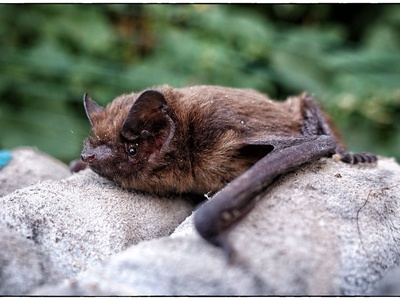
Common Pipistrelle
The Netherlands’ most common and smallest bat species. It is one of the bats you are most likely to see, flitting erratically over gardens and streets at dusk as it hunts for small insects like midges and mosquitoes.
Soprano Pipistrelle
Visually identical to the Common Pipistrelle, it was only identified as a separate species in the 1990s based on the higher frequency of its echolocation calls. It often forms large maternity colonies in buildings.
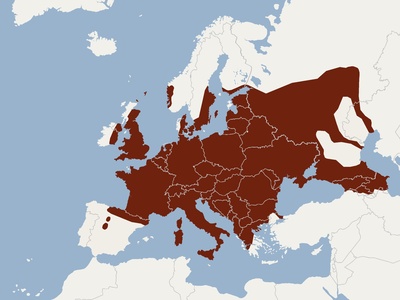
Nathusius’s Pipistrelle
A migratory bat that travels hundreds or even thousands of kilometers between its summer breeding areas and winter hibernation sites. It often forages over water and is slightly larger than the other pipistrelle species.
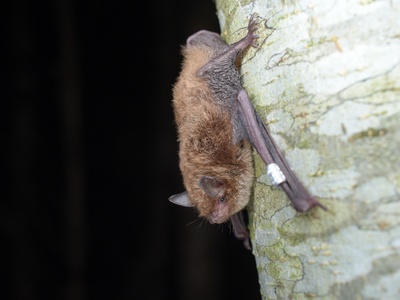
Daubenton’s Bat
Often called the ‘water bat’, it is specialized in catching insects directly from the water’s surface, using its large feet or tail membrane as a scoop. It has a steady, low flight pattern just above the water.

Pond Bat
One of the rarest bat species in the Netherlands, which hosts a significant portion of the European population. It is a high-priority species for conservation. It travels long distances between its nursery and hunting grounds.

Brown Long-eared Bat
Instantly recognizable by its enormous ears, which are nearly as long as its body. It is a ‘gleaning’ bat, plucking insects like moths directly from leaves and bark rather than catching them in mid-air.
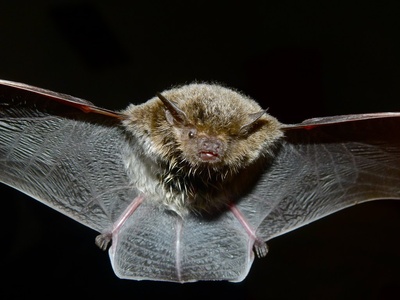
Serotine Bat
A large bat that emerges early in the evening. It has a slow, leisurely flight with deep wing beats. It often hunts around streetlights, feeding on larger insects like chafers and dung beetles.
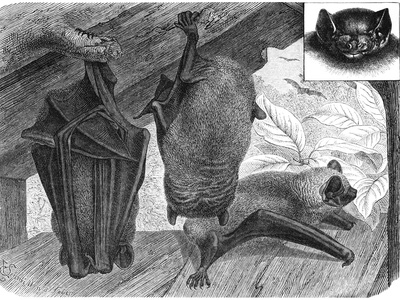
Noctule Bat
One of the largest bats in the Netherlands, it is a high and fast flier. It can be seen hunting for beetles and moths high above the treetops, often even before the sun has fully set. It undertakes seasonal migrations.
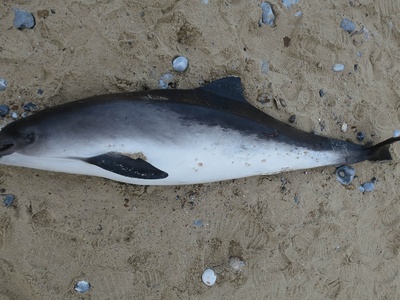
Harbour Porpoise
The smallest and most common cetacean in Dutch waters. It is often seen close to shore, recognizable by its small, triangular dorsal fin and a characteristic ‘puffing’ sound as it surfaces for air.
Harbour Seal
Also known as the Common Seal, it has a ‘dog-like’ head and a spotted coat. It is a curious but shy animal. It gives birth to its pups on sandbanks, and the young can swim almost immediately.
Grey Seal
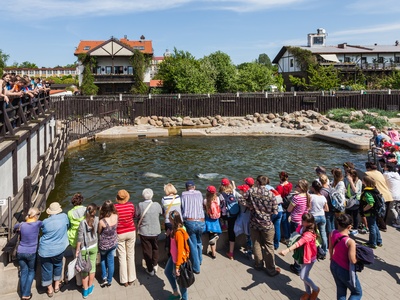
Distinguished from the Harbour Seal by its larger size and longer, flatter ‘Roman’ nose. It is becoming increasingly common. Pups are born with a white, fluffy coat and must stay on land for several weeks.

White-beaked Dolphin
The most common dolphin species in the Dutch North Sea. It is a robust, social dolphin with a short, white beak and a tall, curved dorsal fin. They are fast swimmers and often seen in energetic groups.

Minke Whale
The most common baleen whale in the North Sea. It is a relatively small and slender whale, often seen surfacing briefly before taking a deeper dive. It feeds on small fish like herring and sprat.
Humpback Whale
A large baleen whale known for its spectacular acrobatic displays, like breaching. It has incredibly long pectoral fins. Sightings have become more frequent in Dutch waters in recent years, especially during winter months.

Fin Whale
The second-largest animal on Earth, after the Blue Whale. It is a sleek, fast-swimming whale. While rare in the southern North Sea, individuals are occasionally sighted or strand on the Dutch coast.
Common Hamster
Also known as the Black-bellied Hamster, this colorful rodent is one of the most endangered mammals in the Netherlands. Conservation programs are in place to protect its last remaining habitats from agricultural intensification.
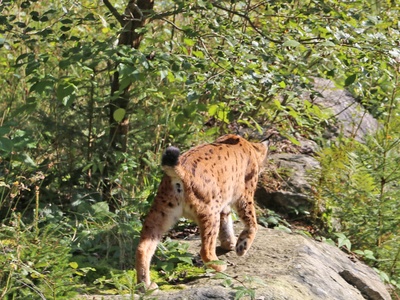
Lynx
This medium-sized wild cat with tufted ears and a short tail was driven to extinction in the Netherlands centuries ago due to hunting and habitat loss. There are no current wild populations, but its return is considered possible.
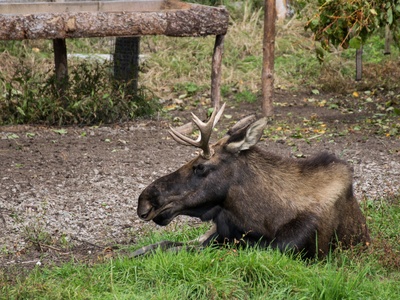
Moose
Also known as the Elk in Europe, this is the largest deer species in the world. While not established, wandering individuals have been documented a few times in recent history, making it the rarest of visitors.

Sperm Whale
A deep-diving toothed whale that lives in the Atlantic Ocean. Individuals, usually young males, sometimes mistakenly enter the shallow North Sea and become disoriented, leading to strandings on the Dutch coast.

Killer Whale (Orca)
The largest member of the dolphin family, this powerful apex predator is a very rare visitor to Dutch waters. Most sightings are of individuals or small pods from North Atlantic populations passing through the area.

Long-finned Pilot Whale
A social, medium-sized toothed whale that typically lives in deep offshore waters. They are susceptible to mass strandings, and groups have occasionally stranded on the Dutch coast after entering the North Sea.
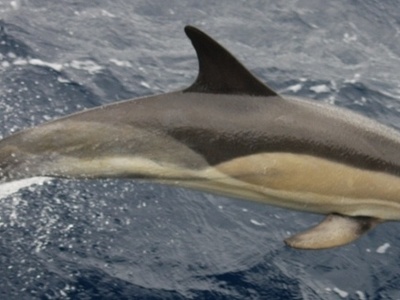
Common Dolphin
A colorful and energetic dolphin with a distinctive yellowish hourglass pattern on its sides. Though common elsewhere, it is an uncommon visitor to the shallow southern North Sea, with sightings being quite rare.
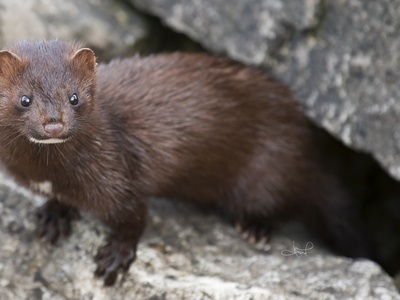
American Mink
Native to North America, this semi-aquatic predator became established from fur farm escapees. It is a threat to native wildlife, particularly the Water Vole and ground-nesting birds, and is considered an undesirable invasive species.
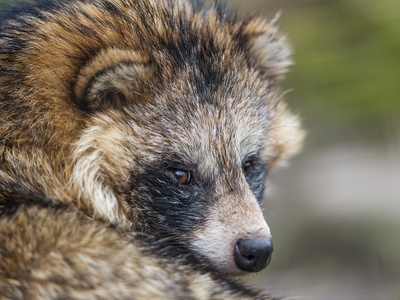
Raccoon Dog
Native to East Asia, this canine resembles a raccoon but is more closely related to foxes. It is an adaptable omnivore. Its population is growing and spreading westward into the Netherlands from Germany.
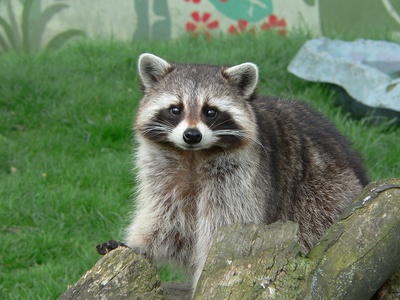
Raccoon
A highly intelligent mammal from North America, recognized by its masked face and ringed tail. Established in the wild from escaped pets and deliberate releases, it is an invasive species with a growing presence.