Moldova’s mix of river valleys, agricultural plains and small forested patches supports more wildlife than many expect. Seasonal floods along the Dniester and Prut, scattered wetlands and hedgerow networks create pockets where birds, mammals, amphibians and insects thrive despite a largely cultivated landscape.
There are 30 Animals of Moldova, ranging from the Barn swallow to the Wild boar. For each species the data are organized as Scientific name, Conservation status, Habitat and Moldova range; you’ll find these entries below.
What habitats in Moldova support most of the country’s animal diversity?
Riparian zones, wetlands and remaining forest fragments are the hotspots — they offer food, nesting sites and migration stopovers. The agricultural mosaic also supports edge species and smaller mammals; the list below notes habitat and range so you can see where each species is most likely to occur.
How can I use the conservation status in this list to make a difference locally?
Use the Conservation status to prioritize actions: report sightings of rare species, avoid disturbing known habitats, support local wetland or woodland protection, and share accurate records with regional groups. The Scientific name plus range info in each entry makes identification and reporting more reliable.
Animals of Moldova
| Name | Scientific name | Conservation status | Habitat and Moldova range |
|---|---|---|---|
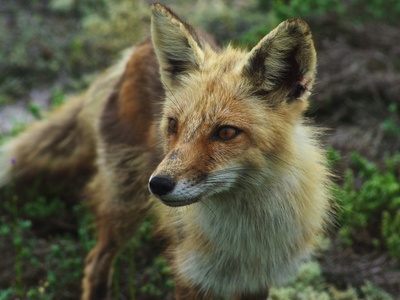
| Red fox | Vulpes vulpes | Least Concern (IUCN) | Woodlands,farmland,towns,widespread |
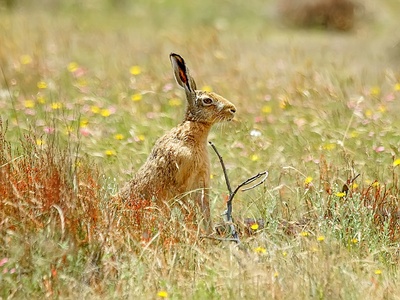
| European hare | Lepus europaeus | Least Concern (IUCN) | Open fields,steppe and agricultural areas,widespread |
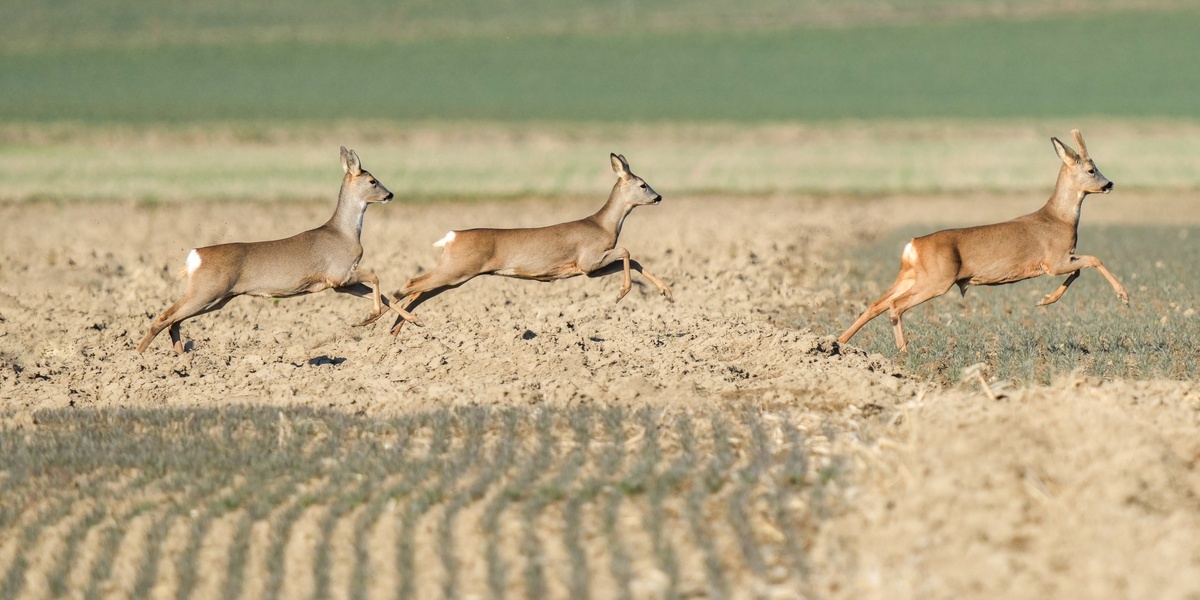
| Roe deer | Capreolus capreolus | Least Concern (IUCN) | Woodlands,forest edges,lowland regions across Moldova |
| Wild boar | Sus scrofa | Least Concern (IUCN) | Forests,marshes,agricultural outskirts,widespread |
| European badger | Meles meles | Least Concern (IUCN) | Woodlands,hedgerows,river valleys,throughout Moldova |
| Eurasian beaver | Castor fiber | Least Concern (IUCN) | Rivers,streams,Dniester and Prut valleys,wetlands |
| Eurasian otter | Lutra lutra | Near Threatened (IUCN) | Clean rivers,streams and wetlands,Dniester and Prut basins |
| Grey wolf | Canis lupus | Least Concern (IUCN) | Forests,steppe fringes,remote lowlands |
| Stone marten | Martes foina | Least Concern (IUCN) | Woodlands,farms,urban outskirts,widespread |
| European hedgehog | Erinaceus europaeus | Least Concern (IUCN) | Gardens,farm edges,meadows,widespread but declining |
| White stork | Ciconia ciconia | Least Concern (IUCN) | Wetlands,meadows,village rooftops,countrywide |
| Common buzzard | Buteo buteo | Least Concern (IUCN) | Farmland,woodland edges,throughout Moldova |
| Eurasian jay | Garrulus glandarius | Least Concern (IUCN) | Mixed woodlands,forest edges,throughout Moldova |
| Common kingfisher | Alcedo atthis | Least Concern (IUCN) | Rivers,streams,Dniester and Prut valleys,wetlands |
| Common crane | Grus grus | Least Concern (IUCN) | Wetlands,floodplains,migratory stopover sites |
| Mallard | Anas platyrhynchos | Least Concern (IUCN) | Lakes,ponds,rivers,widespread year-round and migratory |
| White-tailed eagle | Haliaeetus albicilla | Least Concern (IUCN) | Large rivers,reservoirs,Dniester valley,rare but present |
| Common nightingale | Luscinia megarhynchos | Least Concern (IUCN) | Shrubby woodlands,gardens,river valleys,common in spring |
| Eurasian magpie | Pica pica | Least Concern (IUCN) | Open woodlands,farmland,urban areas,widespread |
| Barn swallow | Hirundo rustica | Least Concern (IUCN) | Open country,farm buildings,common migrant and breeder |
| European pond turtle | Emys orbicularis | Near Threatened (IUCN) | Slow rivers,ponds,wetlands,Dniester and Prut lowlands |
| Sand lizard | Lacerta agilis | Least Concern (IUCN) | Dry grasslands,steppe patches,southern Moldova |
| Grass snake | Natrix natrix | Least Concern (IUCN) | Wetlands,riparian zones,lowland marshes,widespread near water |
| Common toad | Bufo bufo | Least Concern (IUCN) | Woodland pools,gardens,field edges,widespread |
| European tree frog | Hyla arborea | Least Concern (IUCN) | Reedbeds,wetland margins,shrubs in river valleys |
| Northern pike | Esox lucius | Least Concern (IUCN) | Lakes,rivers,reservoirs,Dniester and Prut systems |
| European perch | Perca fluviatilis | Least Concern (IUCN) | Lakes,rivers,ponds,widespread in lowland waters |
| Wels catfish | Silurus glanis | Least Concern (IUCN) | Large rivers,reservoirs,Dniester basin,locally common |
| Swallowtail butterfly | Papilio machaon | Least Concern (IUCN) | Meadows,gardens,steppe edges,scattered across Moldova |
| Painted lady | Vanessa cardui | Least Concern (IUCN) | Open habitats,fields,migratory through Moldova seasonally |
Images and Descriptions
Red fox
A versatile medium-sized carnivore common across Moldova’s countryside and towns. Red foxes eat small mammals,birds and fruits and adapt to farms and forests. Notable: they often den near human settlements and display resourceful foraging and problem-solving behavior.
European hare
A large, fast herbivore of Moldova’s fields and steppe patches active at dawn and dusk. Hares feed on grasses and crops and rely on speed to escape predators. Notable: they make shallow nests called “forms” rather than burrows.
Roe deer
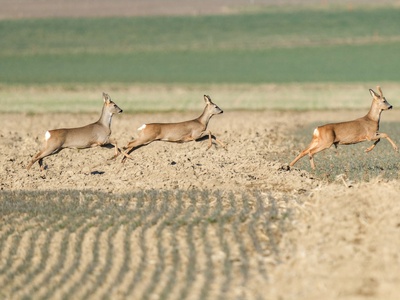
A small graceful deer common in Moldova’s woodlands and hedgerows, browsing shrubs and young trees. Roe are mostly solitary or in small groups and are active at dawn and dusk. Notable: males shed antlers annually.
Wild boar
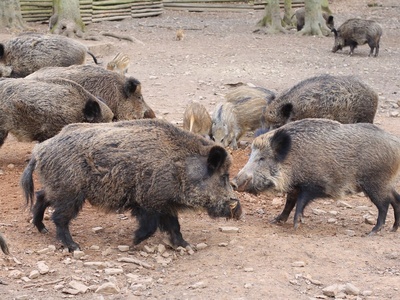
Robust omnivores that root in soil for roots,invertebrates and crops. Wild boar are widespread in Moldova and can form sounders led by sows. Notable: their rooting strongly affects soil and local habitats.
European badger
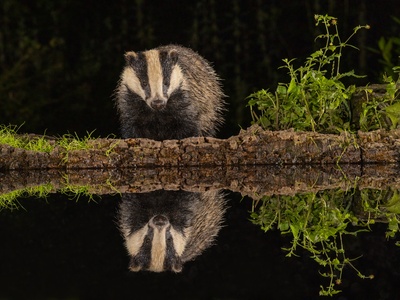
Nocturnal omnivore that lives in setts and feeds on earthworms,insects and small mammals. Badgers are commonly encountered in rural Moldova at night. Notable: they dig extensive family tunnels called setts.
Eurasian beaver
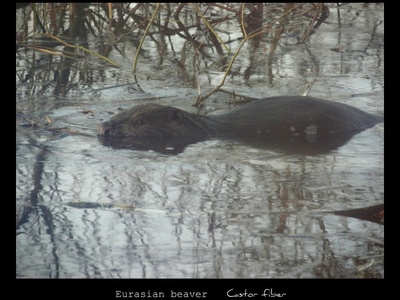
A large semi-aquatic rodent known for dam-building along Moldova’s rivers and wetlands. Beavers create ponds that increase habitat complexity and biodiversity. Notable: their powerful incisors never stop growing.
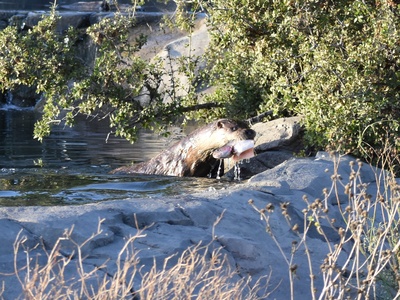
Eurasian otter
Shy semi-aquatic predator feeding on fish and crustaceans; otters occur along Moldova’s larger rivers and wetlands. Populations are recovering where water quality improves. Notable: dense fur insulates them while hunting underwater.
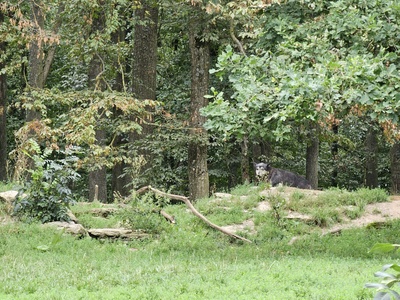
Grey wolf
Top predator present in Moldova’s wilder forest and steppe areas in low numbers. Wolves travel large territories hunting ungulates like roe deer and wild boar. Notable: they shape ecosystems through predation and scavenging.
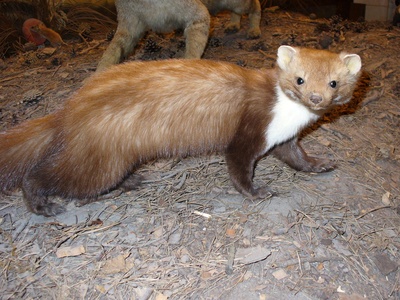
Stone marten
Adaptable small carnivore often found near human settlements,feeding on rodents,birds and fruit. Stone martens den in buildings,trees and rock crevices. Notable: their presence in villages makes them a familiar but secretive neighbor.
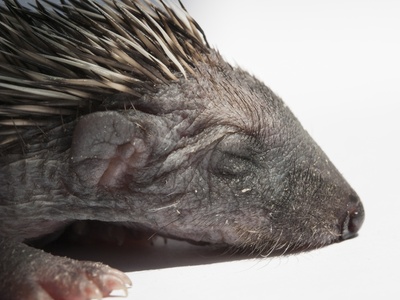
European hedgehog
Nocturnal insectivore common in rural and suburban Moldova that rolls into a spiny ball when threatened. Hedgehogs eat insects,slugs and small vertebrates. Notable: they hibernate over winter in sheltered leaf litter.
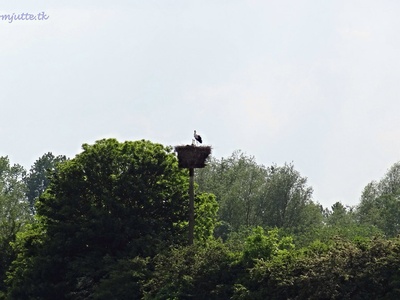
White stork
Iconic long-legged bird of Moldovan villages that nests on chimneys and poles,feeding on insects,amphibians and small mammals. Many return as spring migrants. Notable: large colonies and nesting on man-made structures are common.
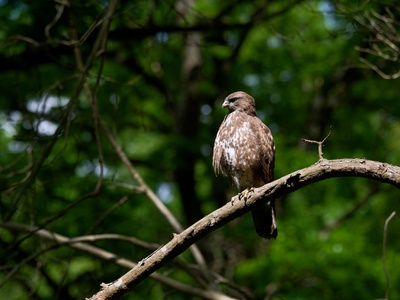
Common buzzard
Widespread raptor that soars above fields hunting small mammals,reptiles and carrion. Common buzzards are adaptable and often perch on poles to survey for prey. Notable: plumage varies widely between individuals.
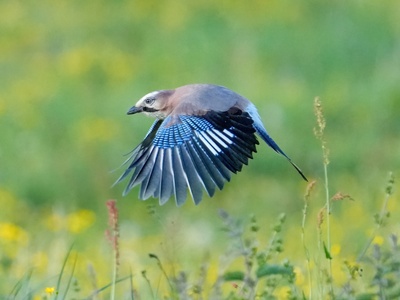
Eurasian jay
Colorful corvid often seen in oak and beech forests caching acorns and calling loudly. Jays disperse seeds and are bold around people in parks. Notable: their loud, harsh calls are a common woodland sound.
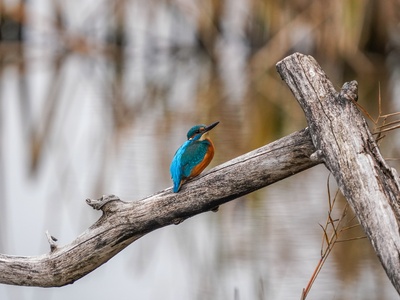
Common kingfisher
Small,brightly colored bird hunting fish from perches along clear water. Kingfishers are locally common on Moldova’s clean rivers and streams. Notable: they dive headfirst to catch prey and nest in riverbank tunnels.
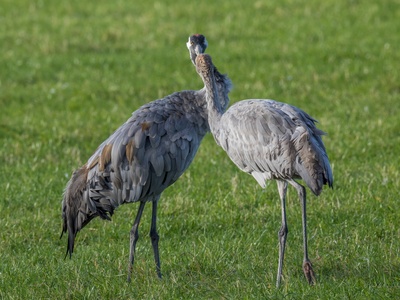
Common crane
Large migratory bird seen on migration and in wetland stopover areas in Moldova. Cranes feed on plants,invertebrates and small vertebrates. Notable: their trumpeting calls and spectacular migratory flocks attract birdwatchers.
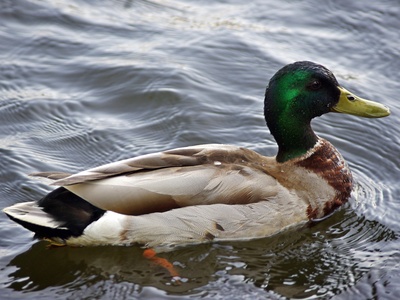
Mallard
Familiar dabbling duck common in Moldova’s wetlands and urban parks. Mallards feed on plants,invertebrates and seeds and often forage in shallow water. Notable: females display cryptic plumage while males show glossy green heads in breeding season.
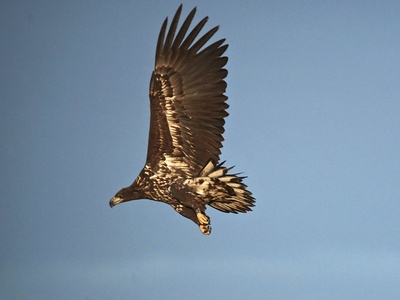
White-tailed eagle
Huge fish-eating eagle occasionally found along Moldova’s major waterways. White-tailed eagles scavenge and hunt fish and waterbirds. Notable: their wingspan can exceed two meters, making them regionally impressive.
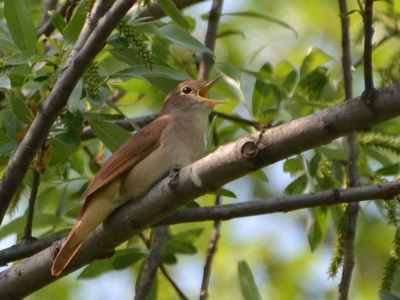
Common nightingale
Renowned songster of Moldova’s bushes and riparian thickets,singing complex tunes at dawn and dusk during breeding season. Nightingales feed on insects and are often hidden from view. Notable: celebrated in literature for their voice.
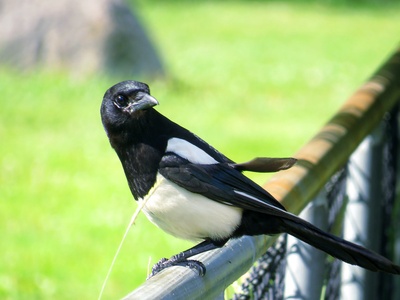
Eurasian magpie
Bold black-and-white corvid common around villages and towns,omnivorous and curious. Magpies cache food and scavenge; they are socially complex. Notable: they are highly adaptable to human-modified landscapes.
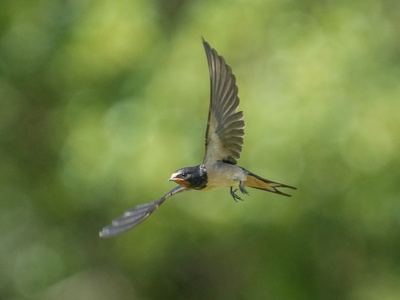
Barn swallow
Familiar aerial insectivore that nests under eaves and barns across Moldova during spring and summer. Barn swallows feed on flying insects and migrate long distances. Notable: their forked tail and agile flight are unmistakable.
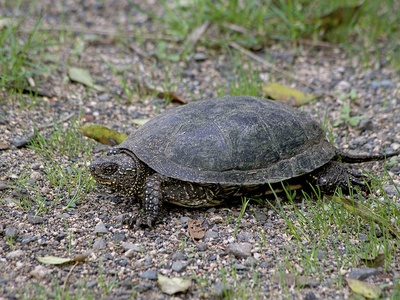
European pond turtle
Freshwater turtle native to Moldova’s wetlands that basks on logs and feeds on invertebrates and plants. Populations are patchy and threatened by habitat loss. Notable: females lay eggs in sandy banks during summer.
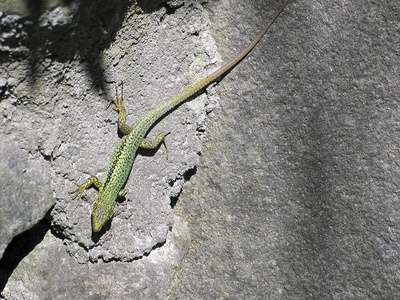
Sand lizard
A quick, sun-loving lizard of open dry habitats and steppe fragments in Moldova. Males show brighter breeding colors. Notable: sand lizards use burrows and vegetation for shelter and thermoregulation.
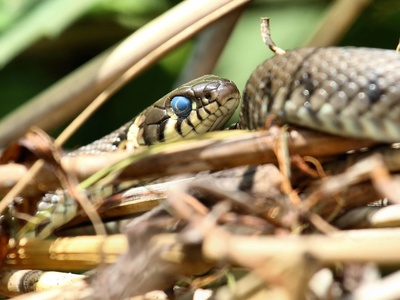
Grass snake
Non-venomous water-associated snake that feeds on amphibians and fish; common along Moldova’s riverbanks and ponds. When threatened it may feign death. Notable: often seen swimming and is harmless to humans.
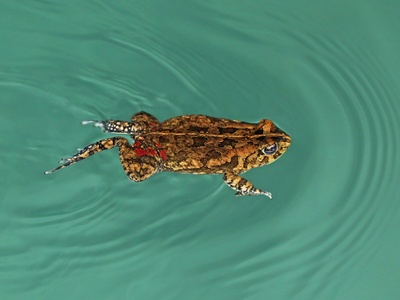
Common toad
A widespread nocturnal amphibian breeding in ponds and slow waters; adult toads eat invertebrates and often cross countryside roads in spring. Notable: they have toxic skin glands used for defense.
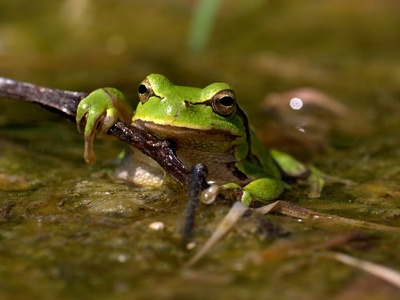
European tree frog
Small green arboreal frog heard more often than seen in Moldova’s wetland vegetation. Tree frogs cling to reeds and shrubs and breed in still waters. Notable: males have a loud, distinctive call during breeding.
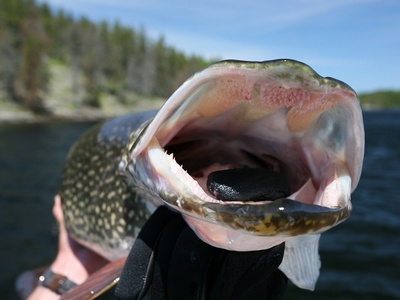
Northern pike
Ambush freshwater predator common in Moldova’s waterways that feeds on fish and amphibians. Pike lie motionless among vegetation waiting to strike. Notable: they are prized by recreational anglers.
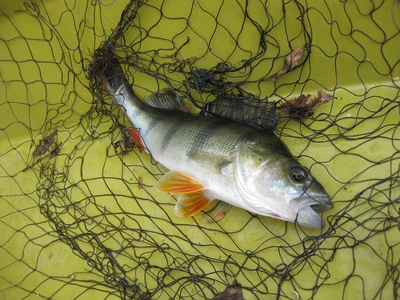
European perch
Striped predatory fish common in Moldova’s freshwater bodies; perch feed on invertebrates and smaller fish. They tolerate a variety of water conditions. Notable: perch form shoals and show sexual dimorphism in size.
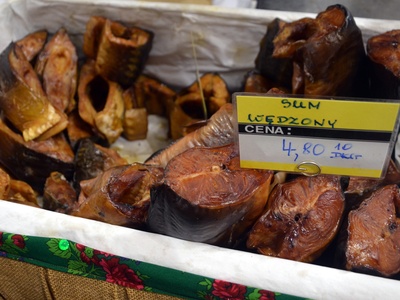
Wels catfish
Massive nocturnal predator of deep waters that can reach very large sizes; wels catfish feed on fish,birds and occasionally mammals. Notable: anglers report individuals weighing hundreds of pounds in the broader region.
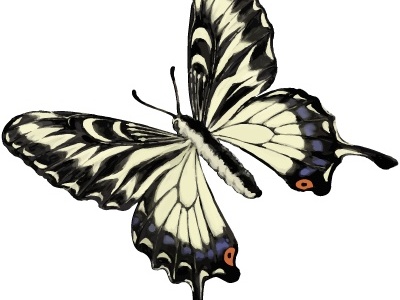
Swallowtail butterfly
Large colorful butterfly frequenting flower-rich meadows and gardens; caterpillars feed on parsley family plants. Swallowtails are admired by observers. Notable: their tail-like hindwing extensions help confuse predators.
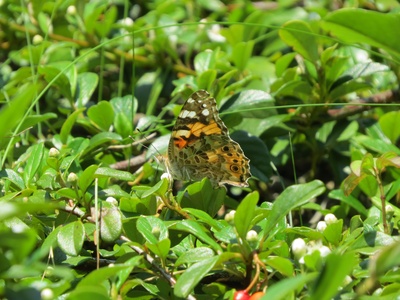
Painted lady
Highly migratory butterfly that arrives in waves during spring and summer,feeding on nectar across open country. Painted ladies breed locally after migration. Notable: they undertake long-distance movements across continents.