Jordan’s landscapes—from the Jordan Valley and wetlands to arid highlands—support a mix of native plants and animals but are also vulnerable to non-native arrivals that alter habitats, agriculture and water resources. Understanding which species are present helps prioritize management and protect livelihoods.
There are 19 Invasive Species in Jordan, ranging from Black rat to Whitefly (silverleaf). For each entry you’ll find below the Scientific name, Taxon, Native range & pathway so you can quickly see origin and likely routes of introduction. The list is arranged to make comparisons easy and to support field verification and reporting you’ll find below.
How do these invasive species typically arrive and spread in Jordan?
They arrive by trade, travel and movement of goods—shipping containers, agricultural imports, plant nursery stock, and accidental stowaways on vehicles or cargo. Once established, spread is driven by local transport of contaminated materials, watercourses, and human-assisted movement; some species also disperse naturally over short distances.
What practical steps can residents or managers take to reduce their impact?
Prioritize early detection and rapid reporting, practice biosecure handling of plants and produce, clean equipment and vehicles, avoid moving soil or plant material between sites, and coordinate with local authorities for removal or containment plans when a new invasive is found. Local awareness and prompt action greatly reduce long-term costs.
Invasive Species in Jordan
| Name | Scientific name | Taxon | Native range & pathway |
|---|---|---|---|
| Mesquite | Prosopis juliflora | Plant | South America; planted for fodder/afforestation |
| Prickly pear | Opuntia ficus-indica | Plant | Mexico; introduced for fruit/fencing |
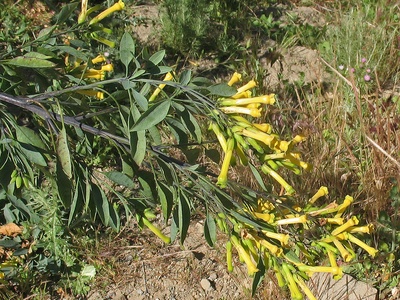
| Tree tobacco | Nicotiana glauca | Plant | South America; ornamental/accidental escape |
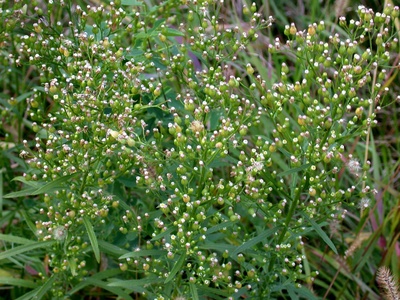
| Horseweed | Conyza canadensis | Plant | North America; seed contaminant/anthropogenic spread |
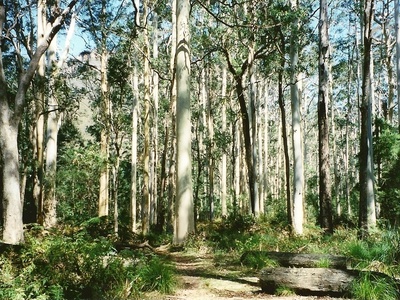
| Blue gum eucalyptus | Eucalyptus camaldulensis | Plant | Australia; planted for timber/windbreaks |
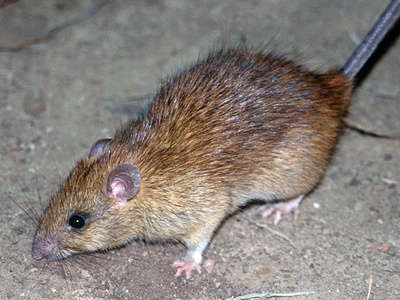
| Black rat | Rattus rattus | Mammal | South/ Southeast Asia; stowaway on ships/trade |
| Brown rat | Rattus norvegicus | Mammal | Temperate Asia/Europe; stowaway via trade |
| House mouse | Mus musculus | Mammal | Asia; commensal spread with humans |
| Feral cat | Felis catus | Mammal | Domestic origin; establishment from pet/stray populations |
| Free-roaming dog | Canis familiaris | Mammal | Domestic origin; stray and feral populations from pets |
| Common myna | Acridotheres tristis | Bird | South Asia; introduced/escaped from pet/trade |
| Rose-ringed parakeet | Psittacula krameri | Bird | Africa/ South Asia; escapees from pet trade |
| Mosquitofish | Gambusia affinis | Fish | Eastern North America; introduced for mosquito control |
| Tomato leafminer | Tuta absoluta | Invertebrate | South America; spread via tomato trade/seedlings |
| Whitefly (silverleaf) | Bemisia tabaci | Invertebrate | Tropical origin; global spread via plant trade |
| Peach fruit fly | Bactrocera zonata | Invertebrate | South Asia; introduced via infested fruit trade |
| Egyptian cotton leafworm | Spodoptera littoralis | Invertebrate | Africa/ Mediterranean; migratory and trade-assisted spread |
| Red-eared slider | Trachemys scripta elegans | Reptile | Southeastern North America; pet releases |
| Varroa mite | Varroa destructor | Pathogen | Asia; spread with managed bees and trade |
Images and Descriptions
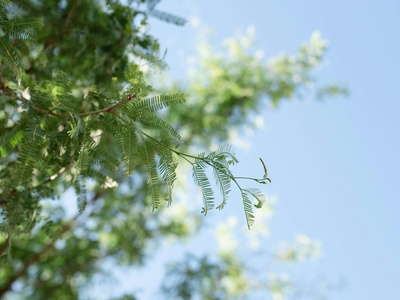
Mesquite
Now established in southern Jordan and Wadi Rum, mesquite forms dense thickets that choke native scrub, reduce grazing land and lower groundwater. Introduced for shade and forage, it spreads by animals and seeds, making control costly and ongoing.
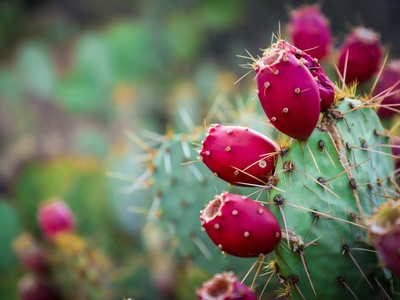
Prickly pear
Common around farms and roadsides, prickly pear escaped cultivation and forms spiny stands that block grazing, alter soil and displace native plants. Originally planted for fruit and hedges, its pads spread easily and are painful for livestock and people.
Tree tobacco
Widespread on disturbed roadsides and wadis, tree tobacco sprouts rapidly and tolerates arid sites. It outcompetes natives, contains toxic alkaloids dangerous to livestock, and is managed where it threatens grazing areas or infrastructure.
Horseweed
A common annual weed in fields, irrigation ditches and disturbed soils across Jordan, horseweed reduces crop yields and complicates weed control. Wind-dispersed seeds and herbicide resistance make it a persistent agricultural pest.
Blue gum eucalyptus
Planted extensively for timber and shade, eucalyptus now self-seeds in parts of Jordan Valley and urban fringes. It can lower groundwater, alter soil and displace local vegetation, prompting removal in sensitive sites.
Black rat
Established in urban, agricultural and port areas including Amman and Aqaba, black rats damage stored food, spread disease and prey on ground-nesting birds. Their commensal association with humans makes eradication challenging.
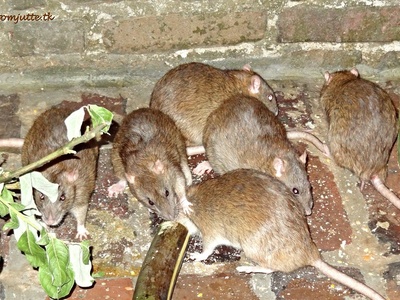
Brown rat
Widespread in towns and farms, brown rats contaminate food stocks, damage infrastructure and transmit zoonoses. They thrive around water and waste, causing economic losses in urban and agricultural settings.
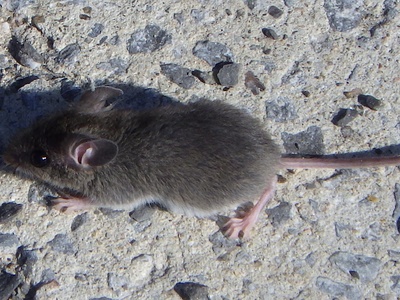
House mouse
Found across homes, farms and granaries in Jordan, house mice eat and contaminate food, spread disease and reduce stored-grain quality. Their rapid breeding and close tie to people make control a constant need.
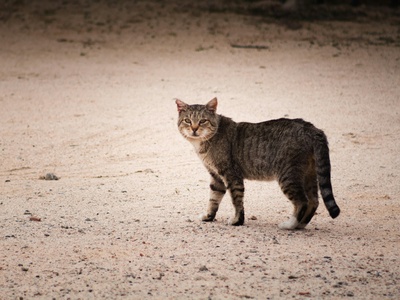
Feral cat
Common in towns and rural areas, feral cats prey on small mammals, birds and reptiles, harming native wildlife and biodiversity. Public-health concerns and conflicts make management socially sensitive.
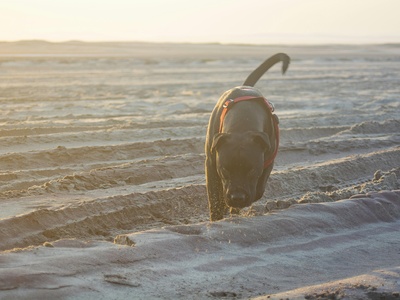
Free-roaming dog
Widespread in urban and rural Jordan, free-roaming dogs attack livestock, wildlife and occasionally people, spread rabies and create humane-management challenges for municipalities.
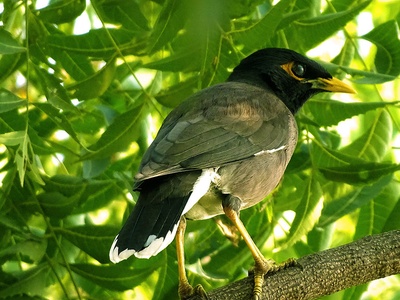
Common myna
Established in Amman and other urban centers, mynas dominate city trees and nesting sites, displace native birds, damage fruit crops and are noisy nuisances. Their adaptability to urban life drives rapid population growth.
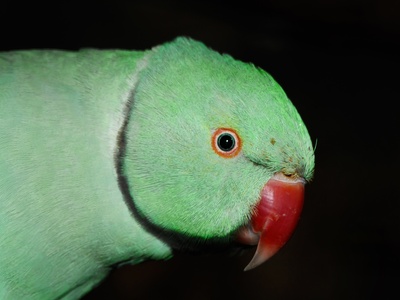
Rose-ringed parakeet
Feral flocks in Amman and some towns feed on fruit and crops, outcompete native cavity-nesting birds and create noise and droppings problems. Populations persist around parks and gardens.
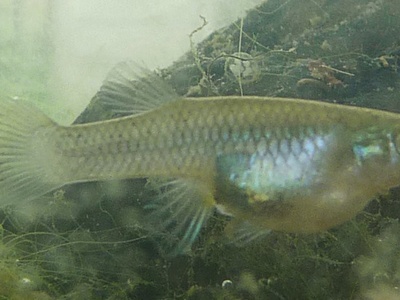
Mosquitofish
Introduced to ponds and irrigation channels, mosquitofish are now in standing waters of Jordan Valley and urban water bodies. They prey on native larvae and small fish, disrupting aquatic ecosystems despite mosquito-control aims.
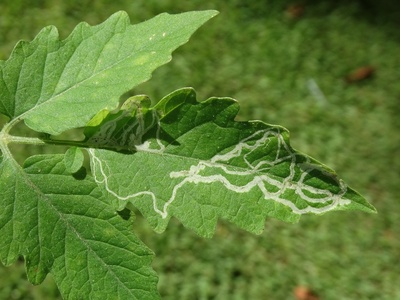
Tomato leafminer
Now widespread in Jordanian tomato crops, Tuta absoluta causes severe fruit and leaf loss, forcing extra insecticide use and yield declines. Rapid spread and high damage make it a major horticultural pest.
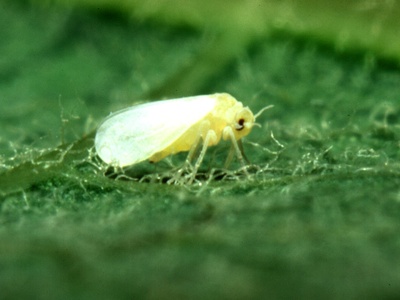
Whitefly (silverleaf)
A pervasive pest in greenhouses and open crops across Jordan, the whitefly transmits plant viruses and causes heavy yield losses on vegetables and ornamentals. Control is costly and resistance is common.
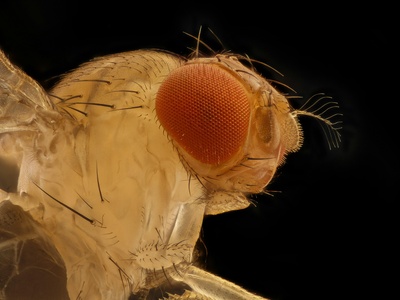
Peach fruit fly
Established in orchards and markets in parts of Jordan, this fruit fly attacks soft fruits, reducing marketability and requiring quarantine, monitoring and control measures to protect exports and local crops.
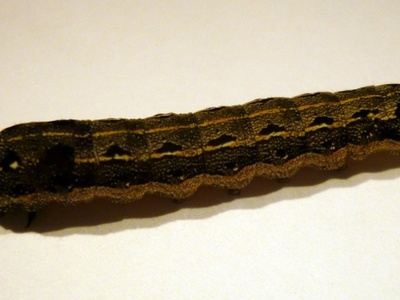
Egyptian cotton leafworm
A long-standing pest across Jordanian crops, this caterpillar defoliates vegetables and field crops, prompting frequent insecticide sprays and economic losses for farmers when outbreaks occur.
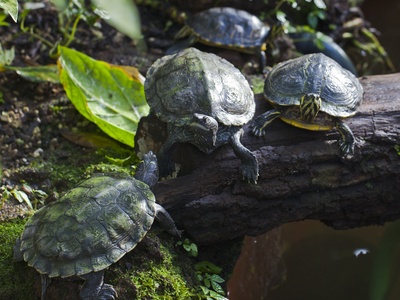
Red-eared slider
Released pets in urban ponds and reservoirs around Amman and resorts have formed small populations. They compete with native turtles and disturb local aquatic species, prompting removal campaigns in sensitive areas.
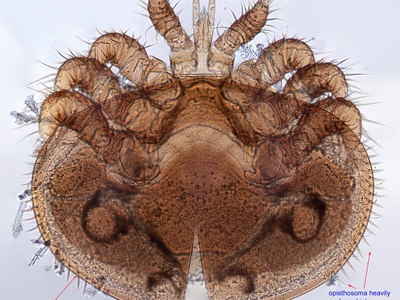
Varroa mite
Established in Jordanian apiaries, Varroa devastates honeybee colonies by spreading viruses and weakening hives. Beekeepers face reduced pollination services and honey yields, making mite management central to apiculture.