Vanuatu’s islands support a mix of marine and terrestrial life shaped by coral reefs, volcanic slopes and small offshore islets. Coastal lagoons, mangroves and forest remnants create distinct pockets of habitat that harbor sharks, seabirds, bats and reptiles.
There are 20 Animals of Vanuatu, ranging from the Blacktip reef shark to the White tern. For each species you’ll find below a short entry organized by Scientific name,Where found,Conservation status so you can compare habitat and risk at a glance.
What habitats should I visit to see the most species in Vanuatu?
Focus on coastal and marine zones—fringing reefs, lagoons and mangroves host reef fish, sharks and many seabirds, while larger islands with remaining forest patches support bats, parrots and reptiles. Offshore islets are good for nesting terns and boobies; timing (tides, breeding season) affects sightings.
How threatened are these animals and what are the main risks?
Threat levels vary: some species are relatively stable, others are vulnerable due to habitat loss, invasive species and overfishing. Use the Conservation status column below for each entry to see specific assessments, and consider supporting local conservation or low-impact tourism to reduce pressure.
Animals of Vanuatu
| Common name | Scientific name | Where found | Conservation status |
|---|---|---|---|
| Coconut crab | Birgus latro | Across main islands, coastal forests, beaches | Vulnerable |
| Green sea turtle | Chelonia mydas | Coral reefs, lagoons, nesting beaches (Efate, Santo) | Endangered |
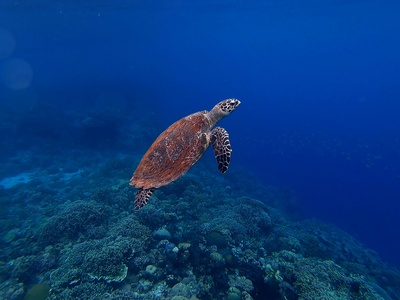
| Hawksbill turtle | Eretmochelys imbricata | Coral reefs, rocky islets (archipelago-wide) | Critically Endangered |
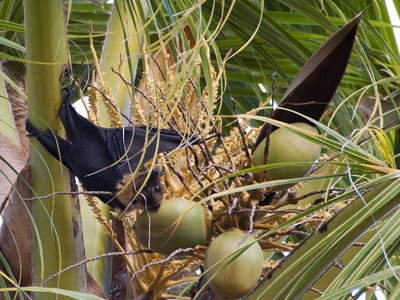
| Pacific flying fox | Pteropus tonganus | Many islands, coastal forest and villages | Least Concern |
| Vanuatu megapode | Megapodius layardi | Santo, Malakula, Efate, forested slopes | Vulnerable |
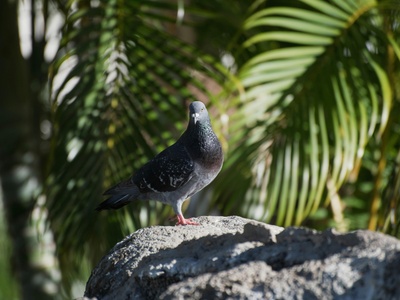
| Pacific imperial-pigeon | Ducula pacifica | Lowland forest, fruiting trees on main islands | Least Concern |
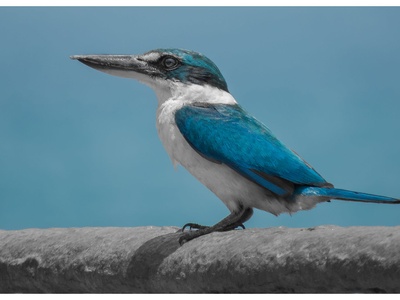
| Collared kingfisher | Todiramphus chloris | Coastal forest, mangroves, villages (widespread) | Least Concern |
| Great frigatebird | Fregata minor | Coastal cliffs, offshore islets, seabird colonies | Least Concern |
| Wedge-tailed shearwater | Ardenna pacifica | Breeding colonies on offshore islands, grasslands | Least Concern |
| Sooty tern | Onychoprion fuscatus | Offshore islets, nesting colonies on atolls | Least Concern |
| Red-footed booby | Sula sula | Seabird colonies on remote islets, coastal waters | Least Concern |
| Brown booby | Sula leucogaster | Coastal cliffs, offshore colonies | Least Concern |
| White tern | Gygis alba | Coastal trees, islets, villages | Least Concern |
| Giant clam | Tridacna gigas | Lagoon reef flats, sheltered bays (Santo, Efate) | Vulnerable |
| Whale shark | Rhincodon typus | Offshore waters, deep reef slopes | Endangered |
| Blacktip reef shark | Carcharhinus melanopterus | Shallow coral reefs, lagoons around islands | Near Threatened |
| Napoleon wrasse | Cheilinus undulatus | Coral reefs, drop-offs (Santo, Efate) | Endangered |
| Reef manta | Mobula alfredi | Coral reef cleaning stations, coastal waters | Vulnerable |
| Polynesian rat | Rattus exulans | Islands, villages, plantations (introduced) | Least Concern |
| Clark’s anemonefish | Amphiprion clarkii | Coral reefs, anemones in lagoons and fringing reefs | Least Concern |
Images and Descriptions
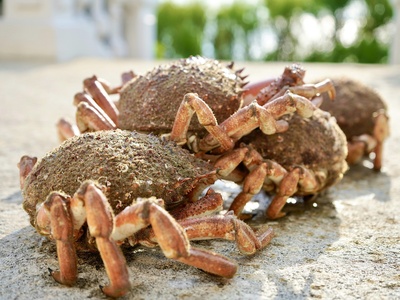
Coconut crab
The world’s largest terrestrial crustacean, the coconut crab scavenges beaches and inland forests. Often seen on night walks, it’s culturally important but vulnerable from hunting and habitat loss across Vanuatu’s smaller islands.
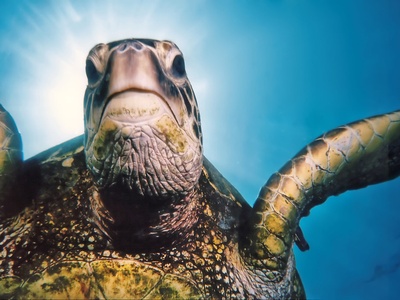
Green sea turtle
A regular visitor that nests on Vanuatu’s sandy shores and forages on reef seagrass. Green turtles are a conservation focus because of declining numbers from overharvest and habitat disturbance.
Hawksbill turtle
Hawksbills feed on reef sponges and use Vanuatu’s remote islets as foraging grounds. Their striking shells and critical status make them a conservation priority locally and globally.
Pacific flying fox
A noisy, fruit-eating bat seen roosting in trees near villages. Important pollinators and seed dispersers, flying foxes are hunted locally but remain widespread across Vanuatu.

Vanuatu megapode
An endemic ground-nesting bird that buries eggs in warm earth or volcanic sands. The Vanuatu megapode is notable for its unique incubation behavior and vulnerability to hunting and habitat loss.
Pacific imperial-pigeon
A large, colorful pigeon that eats fruit high in the canopy. Common in forested areas, it helps disperse seeds and is frequently heard before seen.
Collared kingfisher
A familiar, blue-and-white bird often perching near shorelines and gardens. Bold and territorial, collared kingfishers hunt small reptiles and invertebrates around human settlements.
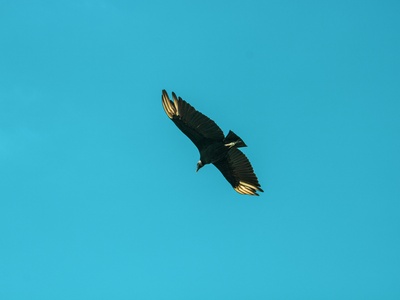
Great frigatebird
Frigatebirds soar above reefs and nest on remote islets. Notable for the males’ inflatable throat pouches and their kleptoparasitic feeding behavior around fishing boats.
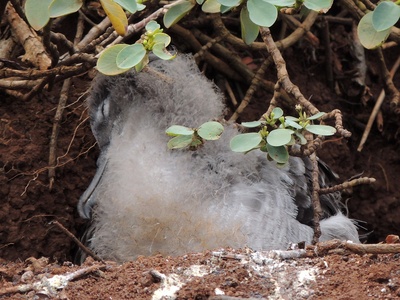
Wedge-tailed shearwater
A widespread seabird that nests in burrows on small islands. Shearwaters return annually in large numbers, creating noisy night-time colonies that attract ecotourists and researchers.
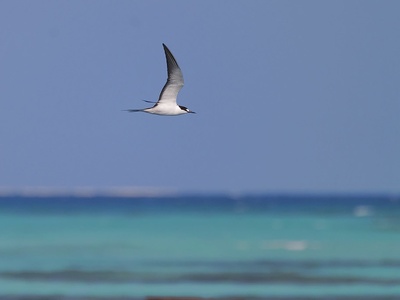
Sooty tern
Highly social seabird forming dense breeding colonies on uninhabited islets. Sooty terns are a common sight at sea and important indicators of healthy marine ecosystems.
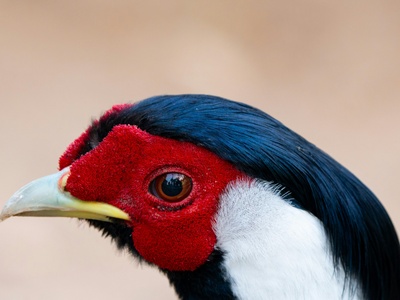
Red-footed booby
Graceful plunge-divers with distinctive red feet, red-footed boobies nest in large colonies on Vanuatu’s offshore islands and feed on small fish near coral reefs.
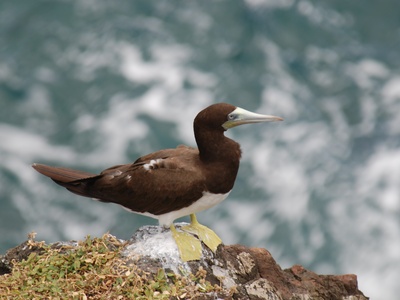
Brown booby
A powerful seabird that nests on rocky islets and hunts by plunge-diving. Brown boobies are commonly seen around fishing grounds and reef edges.
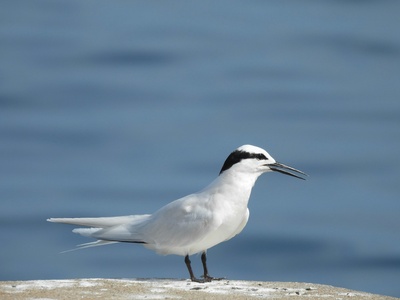
White tern
A small, pure-white seabird often seen hovering over reefs and nesting singly on thin branches. Its delicate appearance and aerial agility make it a favorite of birdwatchers.
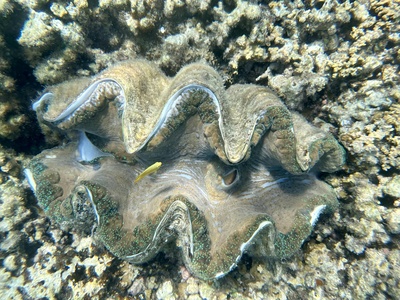
Giant clam
Enormous bivalves living in shallow reef flats, giant clams are ecologically important reef builders. They’re threatened by overharvest and collect for shells and meat, prompting local protection efforts.
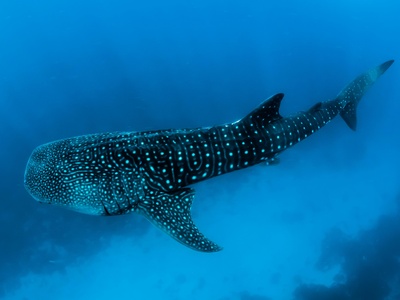
Whale shark
The world’s largest fish, occasional visitors to Vanuatu’s offshore waters attract divers. Whale sharks are filter feeders and their seasonal occurrences are highlights for marine ecotourism.
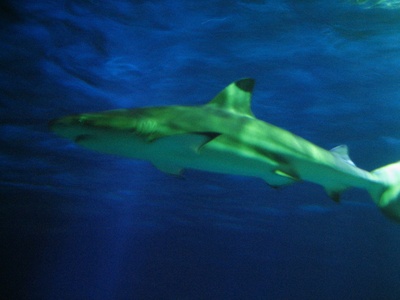
Blacktip reef shark
A small, commonly seen reef shark frequenting shallow reef edges and lagoons. Important predator on the reef, it faces local fishing pressure and habitat degradation.
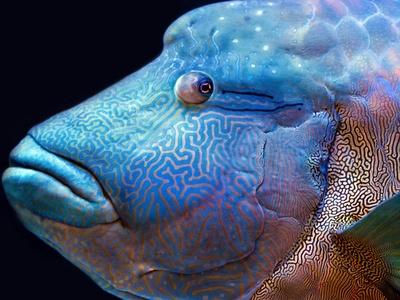
Napoleon wrasse
A large, charismatic reef fish with a distinctive hump, prized by the aquarium and food trades. Rare locally and of conservation concern due to overfishing and habitat loss.
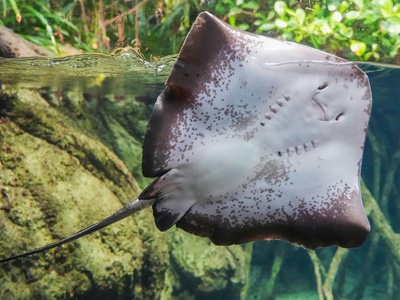
Reef manta
Gentle giants that visit cleaning stations on reefs to have parasites removed. Reef mantas are sought by divers and need protection from bycatch and disturbance.
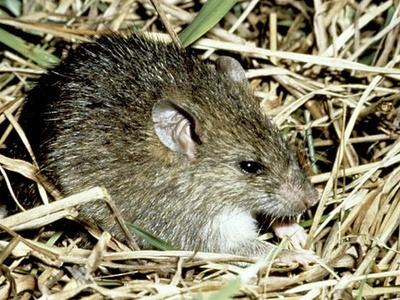
Polynesian rat
Introduced centuries ago, the Polynesian rat thrives around settlements and island interiors. Its presence affects native birds and reptiles, making it a key species in invasive-species management.
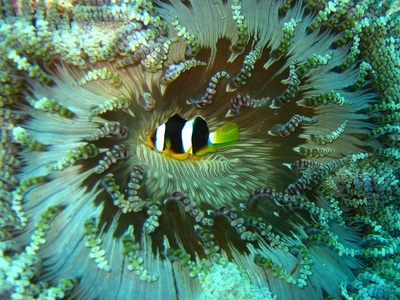
Clark’s anemonefish
A familiar, hardy clownfish living in anemones on reef flats and lagoons. Easily observed by snorkelers, it’s common across Vanuatu’s healthy reef patches.