Israel’s landscapes—from the Mediterranean coast and central hills to the Jordan Rift and Negev desert—support a wide range of plant communities shaped by climate, soil and human history. This list focuses on species that are part of those natural ecosystems and useful to hikers, gardeners and anyone curious about local flora.
There are 30 Israel’s native plants, ranging from Aleppo pine to Wild olive. For each species you’ll see concise identification details; data are organized as Scientific name,Height (m),Habitat & range — you’ll find below.
Which species count as native to Israel?
“Native” here means species that established in the region without modern human introduction, including long-standing endemics and naturally occurring Mediterranean and desert taxa; the list follows botanical references and herbarium records used by regional floras.
When is the best time to see these plants in the wild?
Timing depends on region: spring is peak for most Mediterranean herbs and wildflowers after winter rains, trees and shrubs show growth through spring and autumn, while desert blooms often follow rare seasonal rains in late winter to early spring — check local guides for exact months.
Israel’s Native Plants
| Common name | Scientific name | Height (m) | Habitat & range |
|---|---|---|---|
| Palestine oak | Quercus calliprinos | 10–15 | Mediterranean woodlands, hills across Israel |
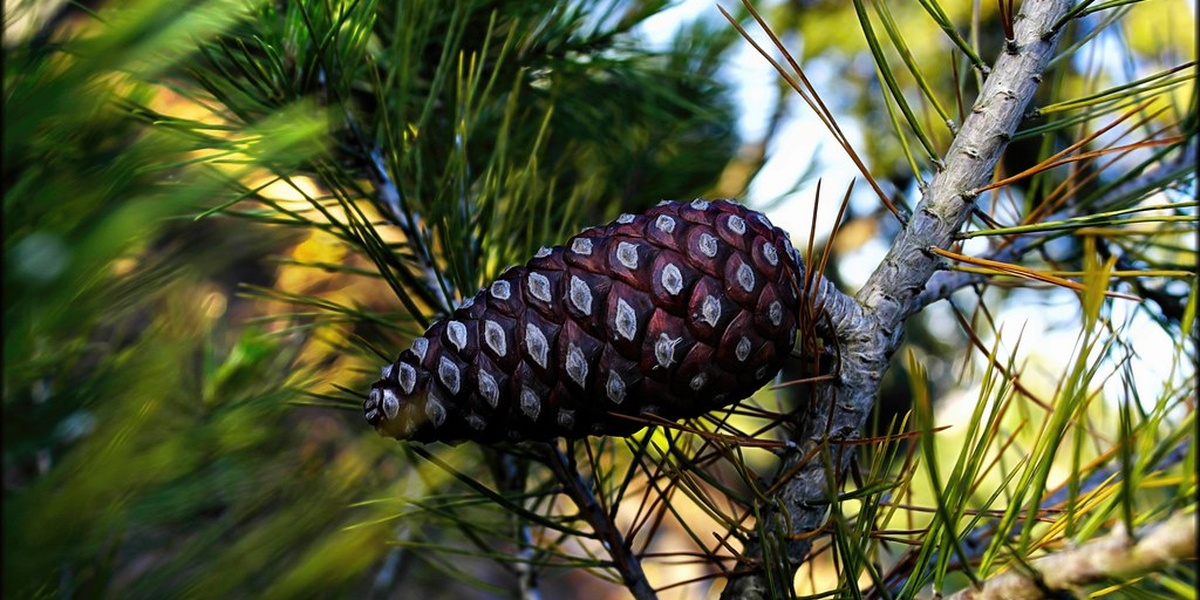
| Aleppo pine | Pinus halepensis | 8–20 | Dry slopes, coastal hills, nationwide |
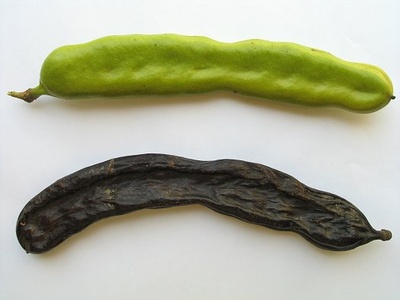
| Carob | Ceratonia siliqua | 6–12 | Mediterranean valleys, coastal plain |
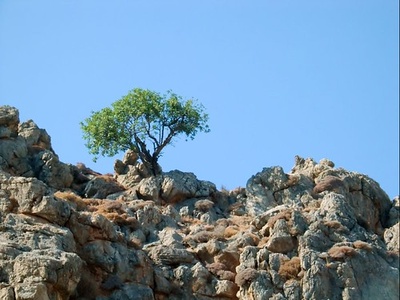
| Wild olive | Olea europaea | 4–12 | Hillsides, gorges, widespread |
| Palestine pistache | Pistacia palaestina | 3–8 | Woodland edges, Judean and Galilean hills |
| Mastic | Pistacia lentiscus | 1–4 | Coastal scrub, Carmel foothills |
| Myrtle | Myrtus communis | 1–3 | Woodland edges, coastal plain |
| Rosemary | Salvia rosmarinus | 0.5–1.5 | Rocky hills, coastal slopes |
| Greek sage | Salvia fruticosa | 0.5–1.5 | Maquis, hills, widespread |
| White broom | Retama raetam | 1–3 | Desert plains, Negev and Sinai |
| Umbrella thorn acacia | Vachellia tortilis | 3–8 | Arava, Eilat region, desert wadis |
| Christ’s thorn jujube | Ziziphus spina-christi | 3–8 | Wadis, oases, Negev and Jordan Valley |
| Oleander | Nerium oleander | 1–3 | Riverbanks, wadis, coastal plains |
| Poppy anemone | Anemone coronaria | 0.1–0.3 | Fields, hills, coastal plains in winter–spring |
| Cyclamen | Cyclamen persicum | 0.05–0.15 | Oak woodlands, shady slopes, coastal hills |
| Nazareth iris | Iris haynei | 0.2–0.6 | Lower Galilee hills (endemic) |
| Coastal iris | Iris atropurpurea | 0.2–0.6 | Sharon coastal dunes and plains (endemic) |
| Hermon iris | Iris hermona | 0.2–0.8 | Mount Hermon slopes (endemic) |
| Palestine arum | Arum palaestinum | 0.1–0.4 | Shaded gorges, rocky hills |
| Asphodel | Asphodelus ramosus | 0.3–1.0 | Open fields, hills, Mediterranean regions |
| Persian ranunculus | Ranunculus asiaticus | 0.1–0.3 | Fields, meadows, hills in winter–spring |
| Spotted rock-rose | Tuberaria guttata | 0.05–0.2 | Dry hills, rocky ground, Mediterranean zone |
| Thyme | Thymus capitatus | 0.1–0.4 | Coastal maquis, rocky slopes |
| Felty germander | Teucrium polium | 0.1–0.4 | Rocky hills, desert margins |
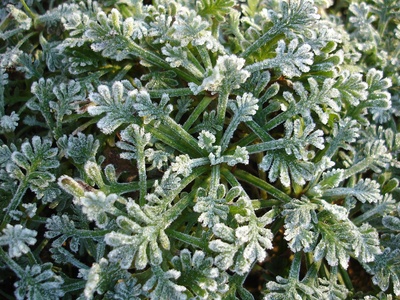
| Fragrant yarrow | Achillea fragrantissima | 0.2–0.6 | Desert plains and rocky Negev |
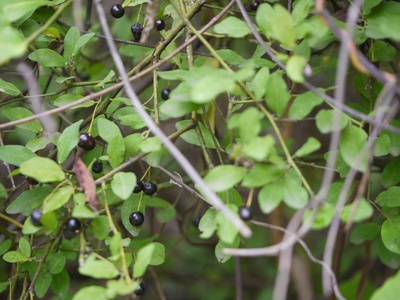
| Caper bush | Capparis spinosa | 0.2–1.0 | Cliffs, walls, rocky soils coastal and inland |
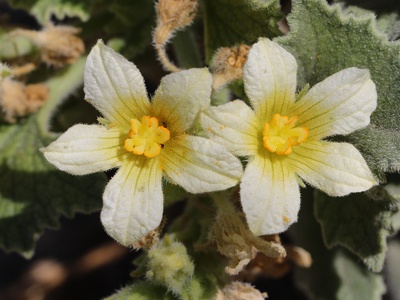
| Squirting cucumber | Ecballium elaterium | 0.2–0.8 | Disturbed ground, fields, Mediterranean lowlands |
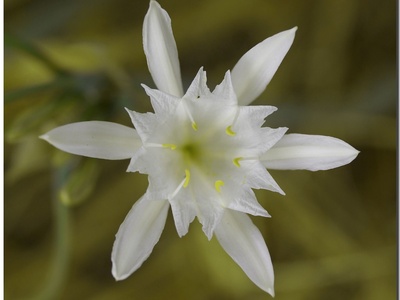
| Sea daffodil | Pancratium maritimum | 0.2–0.6 | Coastal sand dunes, Mediterranean beaches |
| Judean sage | Salvia judaica | 0.3–1.0 | Judean Hills, Mediterranean slopes |
| Autumn daffodil | Sternbergia lutea | 0.1–0.3 | Rocky hills, old terraces, Mediterranean zone |
Images and Descriptions

Palestine oak
Evergreen oak with twisted trunk and leathery leaves. Flowers in spring; acorns ripen autumn. Look for dense maquis on Carmel, Galilee and Judaean Hills. Locally common, vital for wildlife and soil stabilization.
Aleppo pine
Tall, conical pine with long needles and reddish bark. Cones mature late summer. Easily seen on Carmel, Galilee and Judean hills. Important for restoration; forms open forests on rocky slopes.
Carob
Stout evergreen tree with glossy pinnate leaves and dark pods. Flowers inconspicuous; pods ripen autumn. Common in old groves and rural hedges; pods historically used as food and feed.
Wild olive
Gnarled evergreen tree with silvery leaves and small white flowers in spring. Wild olives persist in rocky terraces and wadis; ancient trees common in Galilee and Judaea. Valuable, sometimes locally protected.
Palestine pistache
Small deciduous tree with compound leaves, red drupe fruits. Flowers in spring; attracts birds. Found in maquis and rocky slopes; close relative of regional pistachio species.
Mastic
Evergreen shrub with leathery leaves and red fruits. Fragrant resin present. Flowers spring; good for hedgerows and coastal maquis. Hardy native often seen along Israel’s Mediterranean coast.
Myrtle
Aromatic evergreen shrub with white starry flowers in summer and dark berries. Leaves glossy and fragrant when crushed. Spot it in scrubby hills and old gardens; historically valued for rituals.
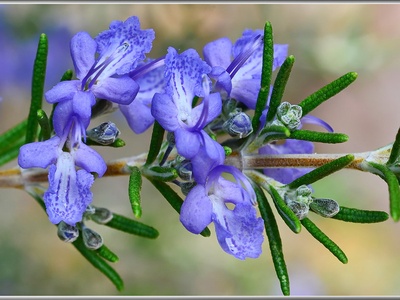
Rosemary
Woody aromatic shrub with needle-like leaves and blue flowers spring–autumn. Common on dry slopes, paths and maquis. Useful ID scent and resilient in coastal and inland sites.
Greek sage
Fragrant grey-green shrub with whorled pale-blue flowers in spring. Often used as herbal tea locally. Look for it in rocky hillsides, especially in Judaean and Galilean regions.
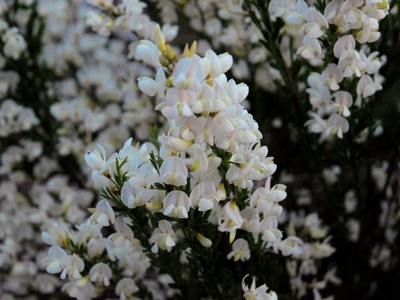
White broom
Slender, leafless-looking shrub with green photosynthetic stems and white pea-like flowers in spring. Common in sand and stony deserts; helps stabilize dunes and indicates arid habitats.
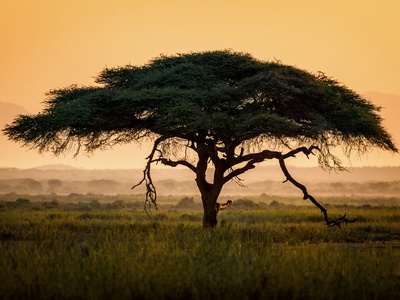
Umbrella thorn acacia
Flat-topped thorny tree with bipinnate leaves and creamy flower heads in spring. Iconic in the Arava and southern desert wadis; provides shade and habitat for desert wildlife.
Christ’s thorn jujube
Deciduous tree with glossy leaves, hooked thorns and small yellow flowers. Bears edible drupes late summer. Frequent near watercourses and desert springs; culturally notable.
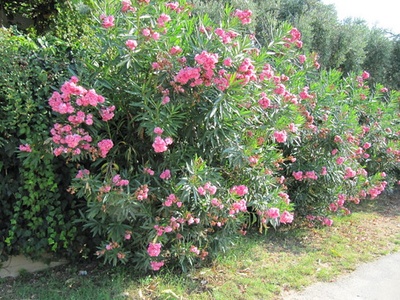
Oleander
Large evergreen shrub with showy clusters of tubular flowers in pink, red or white from spring to autumn. Common along streams and drainage ditches; toxic if ingested but striking in bloom.
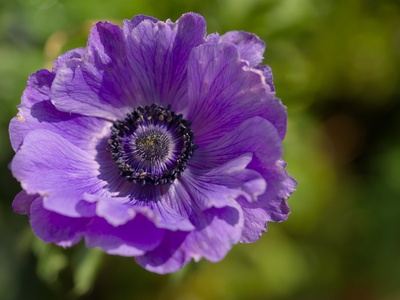
Poppy anemone
Iconic red, white or purple poppy-like flower in early spring. Look for carpets in meadows and fallow fields after winter rains; one of Israel’s best-known wildflowers.
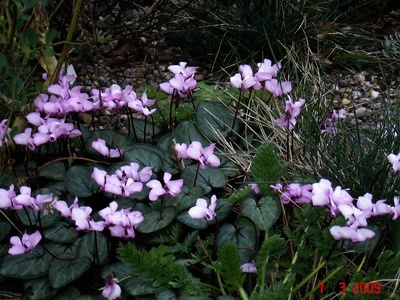
Cyclamen
Low perennial with heart-shaped leaves and pink to white spring flowers. Common under trees in Carmel and Galilee. Wild ancestor of garden cyclamen; pick-free viewing recommended.
Nazareth iris
Striking deep purple iris with large falls, blooms late winter–spring. Endemic to Lower Galilee; best seen on Mount Gilboa slopes. Locally protected where populations persist.
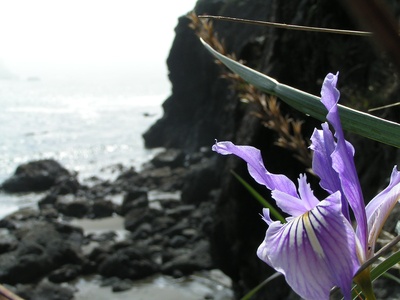
Coastal iris
Dark-purple bearded iris flowering in late winter on threatened coastal dunes. Endemic and vulnerable; seek in protected dune reserves and nature reserves along the coast.
Hermon iris
Tall iris with pale to deep flowers blooming spring on alpine meadows. Restricted to Mount Hermon; look in high-elevation grasslands and protected northern habitats.
Palestine arum
Basal leaves and a distinctive spadix/spathe flowering structure in spring. Often found in shaded rocky habitats and terraces; young shoots known in local cuisine but harvest with caution.
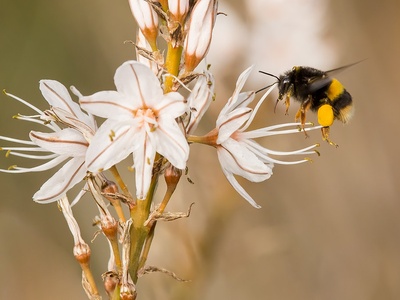
Asphodel
Tall stems with white starry flowers in spring forming striking roadside displays. Common in disturbed soils and grasslands; visible across Mediterranean hills after rainy winters.
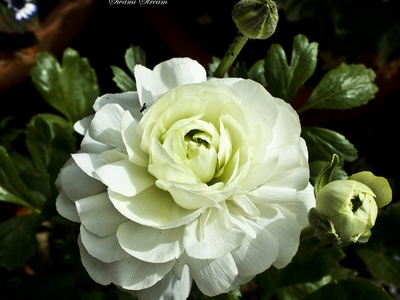
Persian ranunculus
Flat rosette with bright rose-like flowers in early spring. Often forms colorful patches in cultivated and wild settings; spring rains bring spectacular blooms.
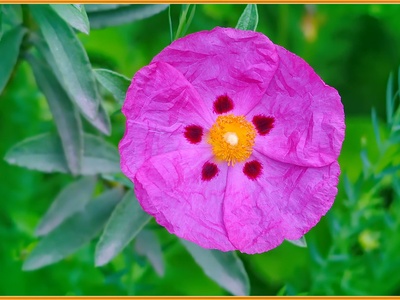
Spotted rock-rose
Low annual with yellow flowers spotted red at center in spring. Found on sunny rocky slopes and open ground; noticeable after winter rains across the coastal plain and hills.
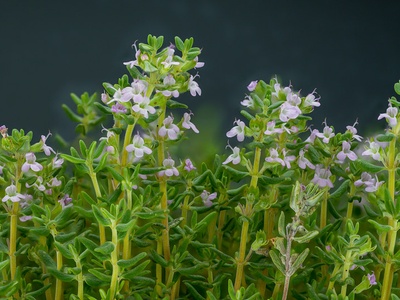
Thyme
Aromatic low shrub with dense foliage and clustered pinkish flowers in summer. Crushed leaves release strong thyme scent. Common in coastal maquis and dry limestone ridges.
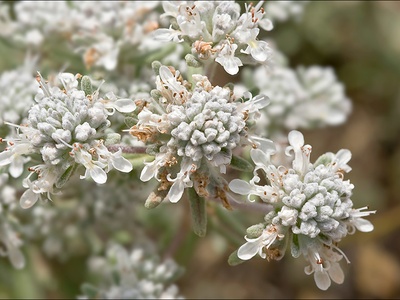
Felty germander
Compact grey-green shrub with woolly leaves and small white flowers spring–summer. Often used in traditional remedies; common on slopes and stony ground across Israel.
Fragrant yarrow
Silvery-leaved perennial with flat clusters of white flowers in spring. Aromatic leaves and hardy habit suit arid sites; spot it across Negev wadis and desert plateau.
Caper bush
Low sprawling shrub with rounded glossy leaves and fragrant white-pink flowers in summer. Famous for edible capers; thrives on cliffs, old stone walls and dry terraces.
Squirting cucumber
Sprawling vine with melon-like fruits that explosively eject seeds when ripe; pale-yellow trumpet flowers summer. Common on disturbed soils and field margins; distinctive seed dispersal.
Sea daffodil
Elegant white, fragrant lily-like flowers in summer on sandy dunes. Iconic beach species; declining where dunes are trampled, best seen in protected coastal reserves.
Judean sage
Bushy sage with pale-blue flowers and aromatic leaves blooming spring. Local shrub of the Judean hills; pleasant scent and frequent in maquis and woodland clearings.
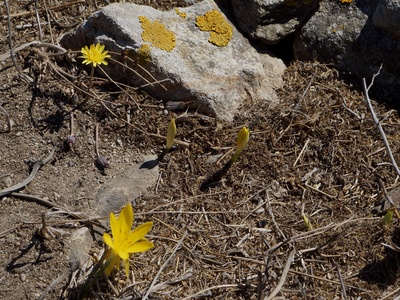
Autumn daffodil
Bulbous plant with golden yellow lily-like flowers in autumn. Look for late-season blooms among rocky terraces and olive groves; eye-catching when rains start in fall.