Romania’s mix of Carpathian mountains, lowland rivers and the Danube Delta supports a wide range of wildlife, but many species face growing pressures from habitat loss, pollution and overexploitation. Knowing which animals are at risk helps focus conservation efforts and public awareness across the country.
There are 12 Endangered Species in Romania, ranging from Beluga to Sterlet. For each species you’ll find below the following data organized as columns: Scientific name, Conservation status, Regions / habitat, Main threats — so you can quickly compare risks and where they occur before you read the detailed list you’ll find below.
How recent and reliable are the conservation statuses listed?
The statuses are drawn from recognized sources like national red lists and the IUCN where available, but assessments are updated at different intervals; check the article’s source notes and dates to confirm the latest listings and consult regional agencies for the newest local assessments.
What practical actions can individuals take to help these species in Romania?
Support habitat protection and restoration projects, report illegal activities or sightings to local conservation groups, avoid products linked to wildlife decline (e.g., unsustainably fished seafood), and consider donating or volunteering with organizations working on monitoring and protection.
Endangered Species in Romania
| Name | Scientific name | Conservation status | Regions / habitat | Main threats |
|---|---|---|---|---|
| Beluga | Huso huso | CR / CR | Danube Delta, Black Sea, lower Danube | Overfishing, river dams, pollution |
| Russian sturgeon | Acipenser gueldenstaedtii | CR / CR | Danube Delta, Black Sea, lower and middle Danube | Overfishing (caviar), dams, habitat loss |
| Stellate sturgeon | Acipenser stellatus | CR / CR | Estuaries, lower Danube, coastal Black Sea areas | Overfishing, habitat degradation, barriers |
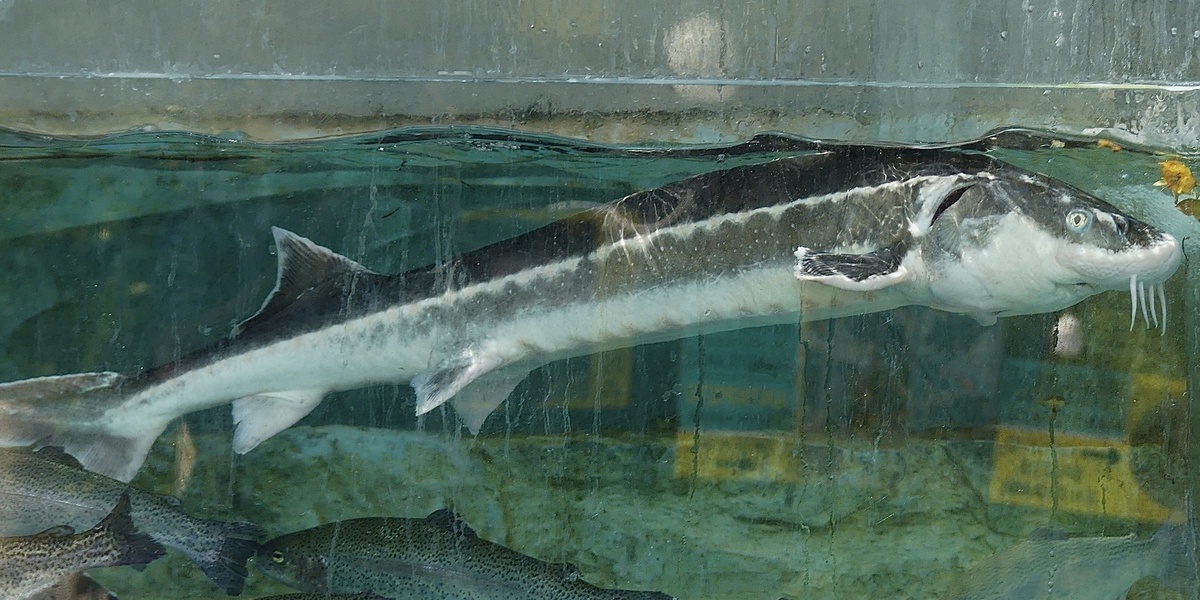
| Sterlet | Acipenser ruthenus | VU / VU | Danube and tributaries, clear freshwater rivers | Overfishing, dams, hybridization with stocked fish |
| European eel | Anguilla anguilla | CR / CR | Rivers, wetlands, coastal lagoons, Black Sea | Barriers to migration, overfishing, pollution |
| Huchen (Danube salmon) | Hucho hucho | VU / VU | Cold, fast Carpathian rivers and tributaries | Dams, habitat degradation, overfishing |
| Imperial eagle | Aquila heliaca | VU / VU | Open farmland, steppe woodlands, Dobrogea lowlands | Habitat loss, persecution, powerline collisions |
| Greater spotted eagle | Clanga clanga | VU / VU | Wetlands, floodplain forests, Danube Delta | Wetland drainage, habitat loss, persecution |
| European turtle dove | Streptopelia turtur | VU / VU | Open farmland, hedgerows, woodland edges nationwide | Hunting, agricultural intensification, food shortage |
| Great bustard | Otis tarda | VU / VU | Steppe and lowland grasslands, Dobrogea and SE plains | Habitat loss, agriculture intensification, collisions |
| European ground squirrel | Spermophilus citellus | VU / VU | Steppe grasslands, Pannonian and Dobrogea plains | Habitat fragmentation, intensive agriculture, persecution |
| European mink | Mustela lutreola | CR / CR | Danube Delta, floodplain wetlands, riparian forests | Habitat loss, invasive American mink, pollution |
Images and Descriptions
Beluga
A giant, long‑lived sturgeon famous for caviar that once migrated widely up the Danube. Wild beluga numbers have crashed from heavy fishing, dammed rivers and pollution; protecting spawning routes and enforcing fisheries rules is crucial to its survival in Romania.
Russian sturgeon
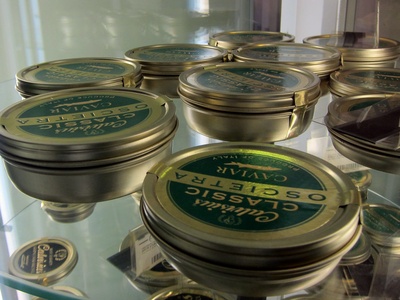
A large Danube‑Black Sea sturgeon historically common in Romanian waters. Illegal fishing and river fragmentation have driven steep declines; conservation focuses on fishing controls, habitat restoration and restoring river connectivity for spawning migrations.
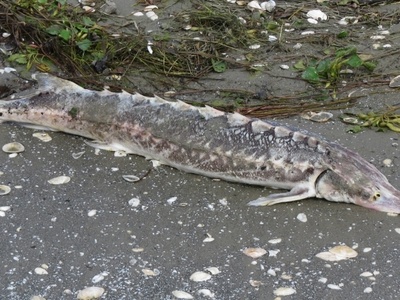
Stellate sturgeon
A slender, toothed sturgeon that uses estuaries and lower river reaches. Stellate sturgeon populations are gravely reduced by targeted fishing, pollution and obstructions to migration; it is one of Romania’s most at‑risk fish species.
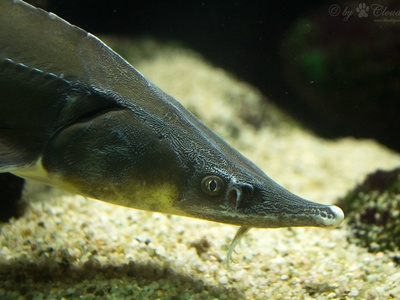
Sterlet
A smaller native sturgeon of clear Danube tributaries valued for its flesh and roe. Sterlet faces habitat loss, barriers that block spawning, and genetic risks from stocking and hybridization, needing river habitat protection and careful fisheries management.
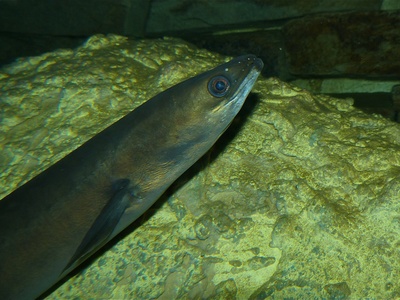
European eel
A mysterious long‑migrating fish that spawns in the Sargasso Sea and spends much of its life in Romanian rivers and lagoons. Eel declines are driven by blocked migration, overharvest and water quality issues; conservation requires removing barriers and sustainable management.
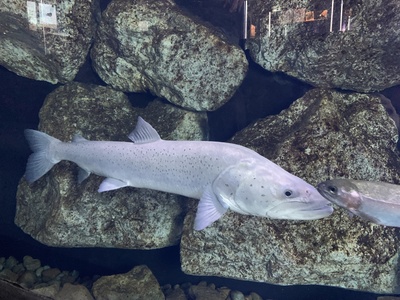
Huchen (Danube salmon)
A charismatic, large salmonid native to mountain rivers in Romania’s Carpathians. Huchen are indicators of healthy rivers but are threatened by hydropower dams, river modification and illegal angling; protecting free‑flowing river stretches is essential.
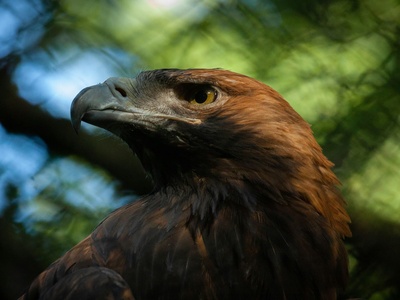
Imperial eagle
A striking large raptor that nests in lowland trees and hunts over agricultural steppes. Imperial eagles have declined from loss of nesting sites, disturbance and accidental poisoning; targeted habitat and nest protection helps stabilize local populations.
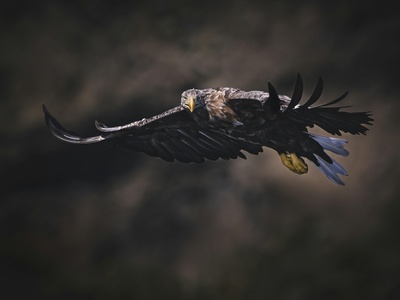
Greater spotted eagle
A secretive wetland eagle that breeds and winters in Romania’s large wetland complexes. Loss of floodplain habitat, drainage and human disturbance threaten its dwindling populations; conserving wetlands and reducing disturbance are conservation priorities.
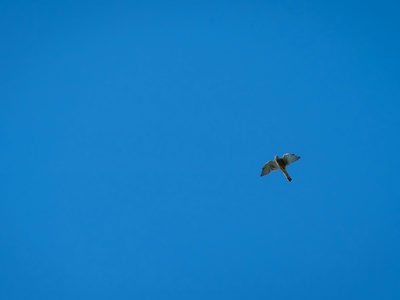
European turtle dove
A gentle summer visitor to Romanian farmland, the turtle dove has suffered steep declines from intensive farming, loss of weed seeds and illegal hunting. Simple changes in farmland management and hunting controls can help its recovery.
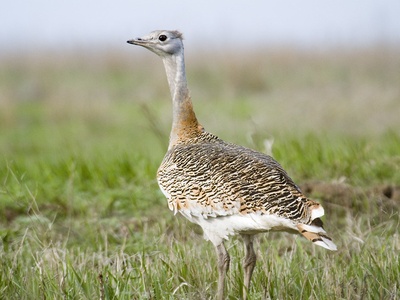
Great bustard
One of Europe’s heaviest flying birds, the great bustard needs large, undisturbed grasslands. Romania still hosts small populations but farmland conversion, disturbance and collisions with infrastructure have pushed numbers down; protecting steppe strongholds is vital.
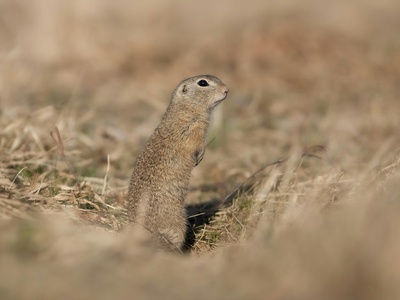
European ground squirrel
A small social rodent of open grasslands and steppes, often called the “zips.” Ground squirrel numbers have fallen due to loss and fragmentation of grazed grasslands; maintaining mosaic habitats and agri‑environment measures support its recovery.
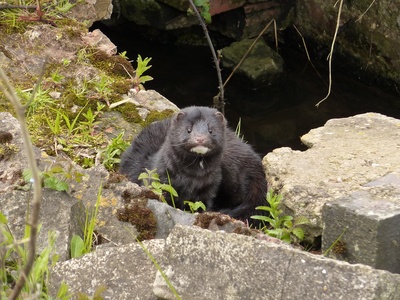
European mink
A rare semi‑aquatic mustelid once widespread across wetlands, now surviving only in small Danube Delta and riparian refuges in Romania. The European mink is critically endangered from wetland loss, competition and disease from introduced American mink; targeted conservation is ongoing.